Aluminum Acetylacetonate (Al(acac)₃) CAS No.: 13963-57-0
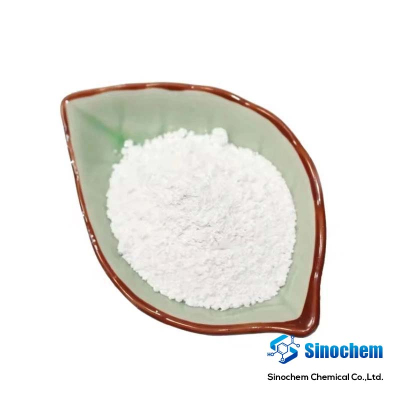
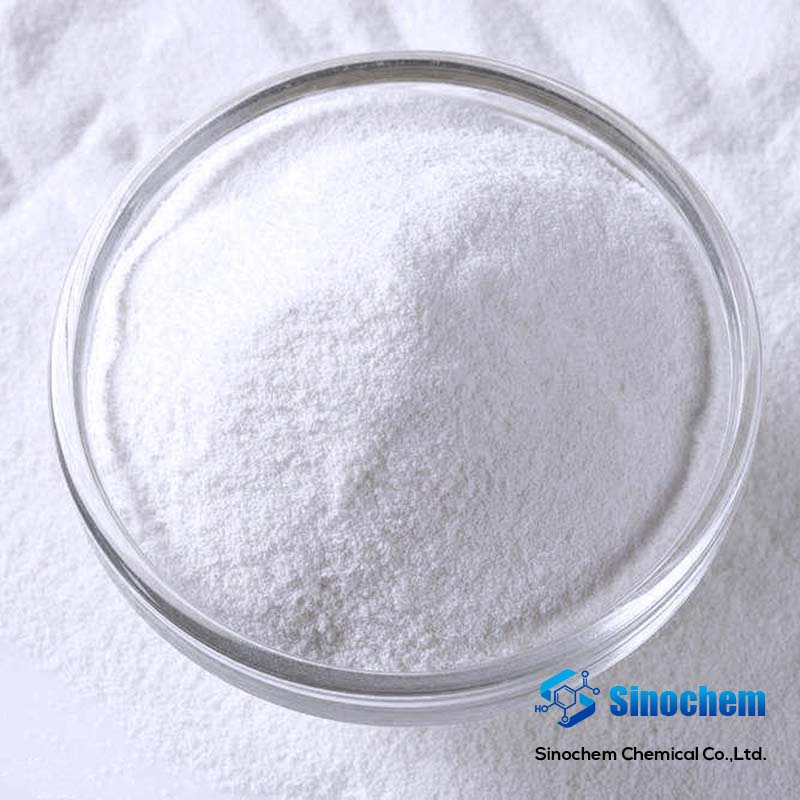
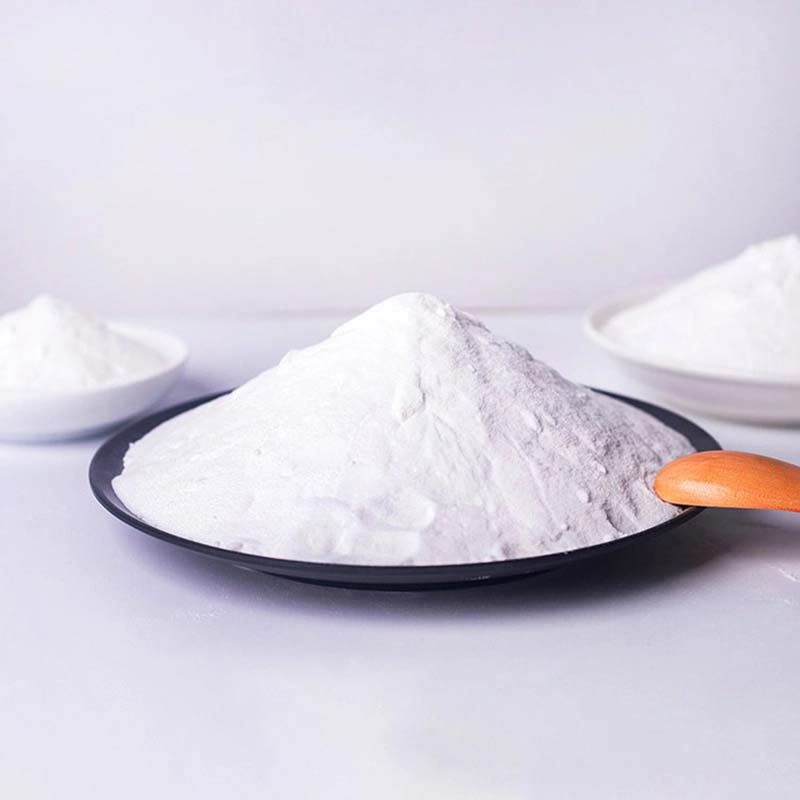
Aluminum acetylacetonate (Al(AcAc)₃, CAS 13963-57-0), also known as tris(acetylacetonato)aluminum, is an off-white crystalline powder with the formula C₁₅H₂₁AlO₆. It is insoluble in water but readily soluble in organic solvents like ethanol, toluene, and benzene. As a stable aluminum coordination complex, it is valued primarily as a precursor for depositing aluminum oxide (Al₂O₃) thin films in microelectronics and optical coatings via chemical vapor deposition. It also functions as a Lewis acid catalyst in organic synthesis and polymerization reactions, and serves as a crosslinking agent to enhance the thermal stability and durability of coatings, adhesives, and resins.
1. Overview
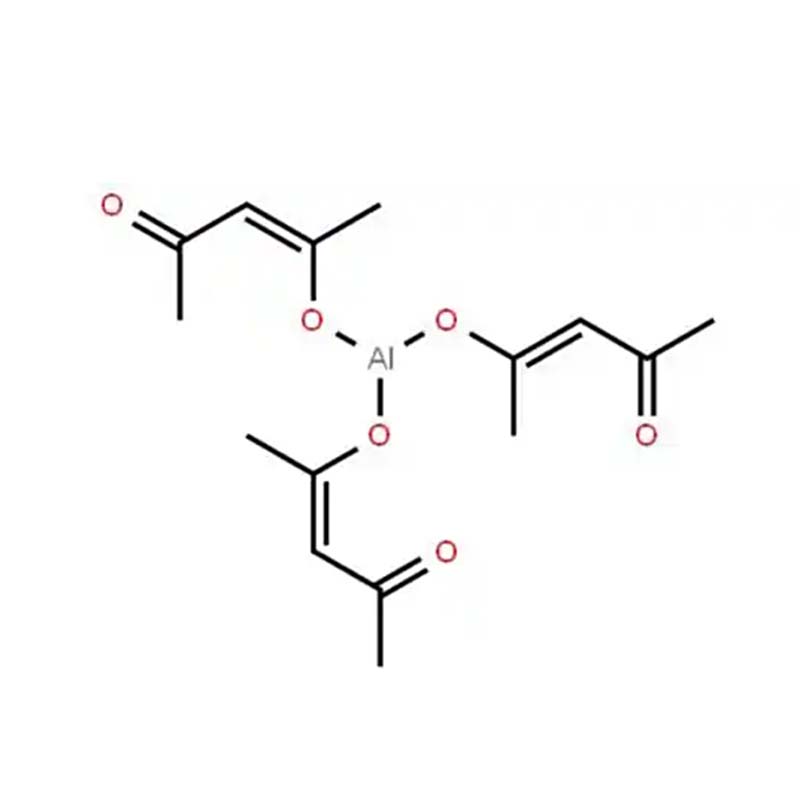
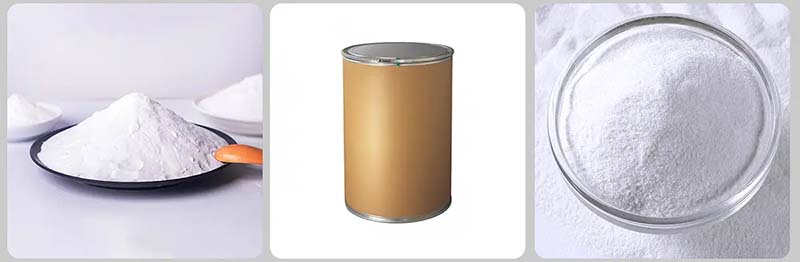
Al(acac)₃ is a coordination compound where an aluminum ion is bonded to three acetylacetonate ligands in an octahedral geometry . It appears as a white to off-white crystalline powder. Known for its thermal stability and solubility in organic solvents, it serves as a key precursor for aluminum oxide (Al₂O₃) thin films and a versatile Lewis acid catalyst in organic synthesis .
2. Key Features
High Thermal Stability – Sublimes at ~100°C (133 Pa) without decomposition, enabling vapor deposition processes .
Octahedral Structure – Provides unique reactivity as a Lewis acid catalyst.
Organic Soluble – Dissolves in toluene, acetone, ethanol, and benzene; negligible water solubility .
Moisture Resistant – More stable and easier to handle than many other metal acetylacetonates .
High Purity Grades – Available from 98% to 99.999% for sensitive applications .
3. Key Specifications
| Parameter | Typical Value | Explanation |
|---|---|---|
| Appearance | White to off-white powder | Color indicates purity . |
| Assay (Purity) | ≥98% – ≥99.999% | Higher purity for electronics/R&D . |
| Melting Point | 190 – 195°C (decomposes) | Narrow range indicates high purity . |
| Boiling Point | 314 – 316°C | At 1013 hPa . |
| Density | 1.27 – 1.40 g/cm³ | Affects handling . |
| Bulk Density | 500 kg/m³ | For powder handling calculations . |
| Solubility | ~3 g/L in water (20°C) | Insoluble; use organic solvents . |
| pH (3 g/L, H₂O) | ~8 (20°C) | Slightly alkaline slurry . |
4. Applications
| Area | Specific Uses |
|---|---|
| Thin Film Deposition | Precursor for Al₂O₃ films via CVD, ALD, and spray pyrolysis; used in microelectronics, OLEDs, and solar cells . |
| Catalysis | Lewis acid catalyst for polymerization, condensation, and crosslinking reactions . |
| Adhesives & Coatings | Crosslinking agent; enhances thermal stability and durability in pressure-sensitive adhesives and high-performance coatings . |
| Nanomaterials | Precursor for carbon nanowalls and hybrid organic-inorganic structures . |
| Material Science | Stabilizer in sol-gel chemistry; improves polymer matrix properties . |
| Research | Synthesis of UV/blue light-emitting materials . |
5. Grade Comparison
| Grade | Purity | Melting Point | Typical Use |
|---|---|---|---|
| Industrial Grade | ≥98.0% | 190-193°C | General catalysis, adhesives . |
| Reagent Grade | ≥99.0% | 193-195°C | R&D, polymer synthesis . |
| High Purity | ≥99.99% | 188-195°C | Electronics, semiconductor fabrication . |
6. Buying Guide
Select by application:
General catalysis / adhesives → ≥98% industrial grade.
R&D / synthesis → ≥99% reagent grade.
Thin film deposition (electronics) → ≥99.99% high purity; request trace metal analysis.
Key quality parameters:
Purity (Titration) – Primary indicator.
Melting point – Sharp range (190-195°C) indicates purity .
Solubility – Should be clear in toluene/acetone (no residue).
Storage & handling:
Store in a cool, dark place (<15°C recommended) .
Keep container tightly sealed – stable but avoid moisture.
Shelf life: 24+ months when stored properly.
Toxic – H301 (toxic if swallowed), H315/H319 (irritant) .
Processing notes:
Sublimes at ~100°C under vacuum – handle with care in heated systems .
Decomposes above 200°C – avoid prolonged heating.
Use glovebox for moisture-sensitive reactions.
7. FAQ
Q: What is the coordination geometry of Al(acac)₃?
A: Octahedral. The aluminum center is surrounded by six oxygen atoms from three bidentate acetylacetonate ligands .
Q: Is Al(acac)₃ soluble in water?
A: Negligible (~3 g/L at 20°C) . It is soluble in organic solvents like toluene, acetone, ethanol, and benzene .
Q: How is Al(acac)₃ used in thin film deposition?
A: It serves as a single-source precursor for Al₂O₃ films. The compound is heated to sublimate, and the vapor decomposes on a substrate (CVD/ALD) or is sprayed as a solution (spray pyrolysis) .
Q: Is Al(acac)₃ hazardous?
A: Yes – toxic. GHS: H301 (toxic if swallowed), H311 (toxic in contact with skin), H331 (toxic if inhaled), H315/H319 (irritant) . Use PPE (gloves, goggles, respirator) in a fume hood.
8. Delivery & Service
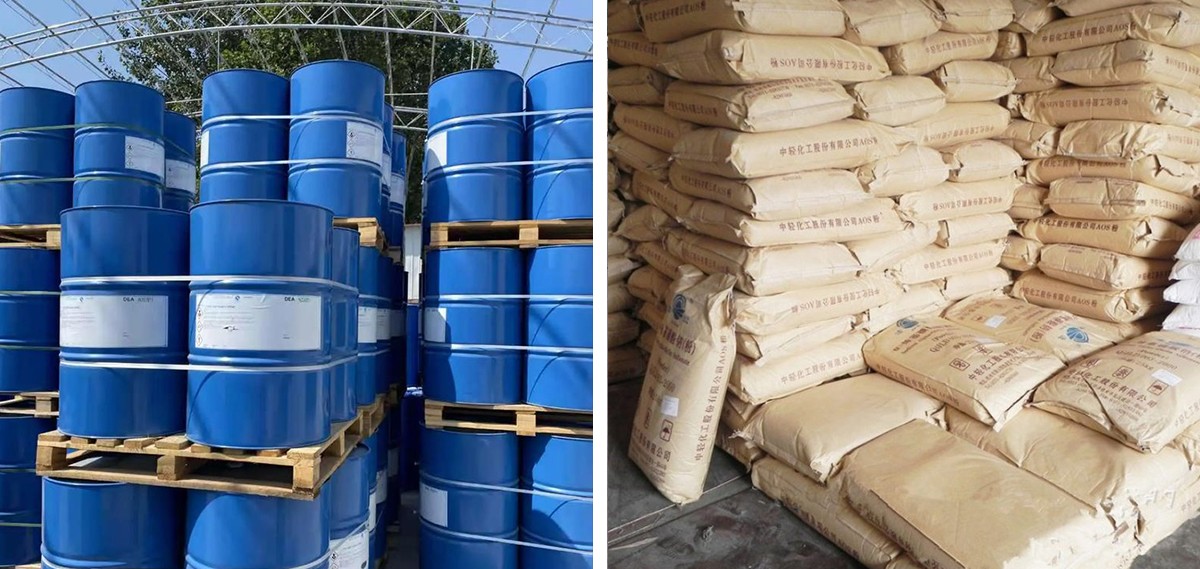
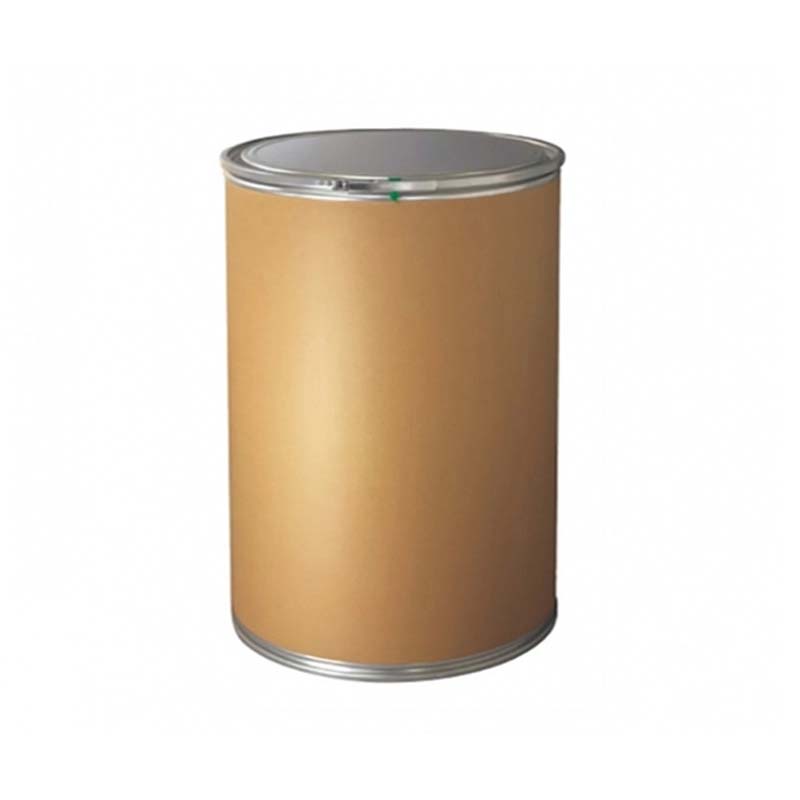
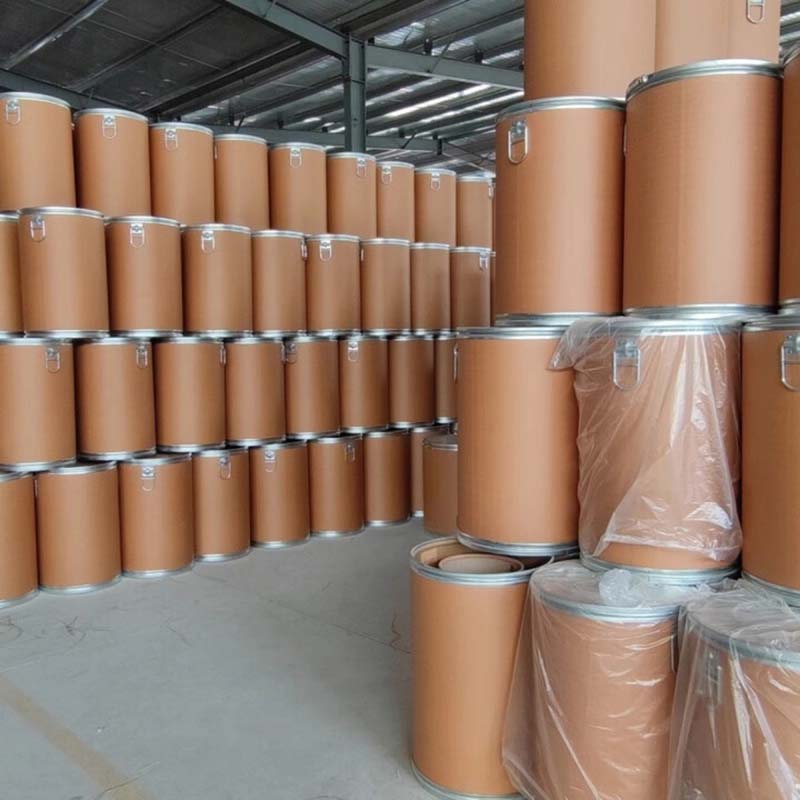
Packaging: 5g, 25g, 100g, 500g bottles; 25kg drums .
Lead time: Stock: 3-7 days; bulk: 2-4 weeks.
Documentation: CoA (purity, melting point), MSDS, TDS.
Certifications: ISO 9001 (varies by supplier).
Shipping: UN3467, Class 6.1 (Toxic), Packing Group III .