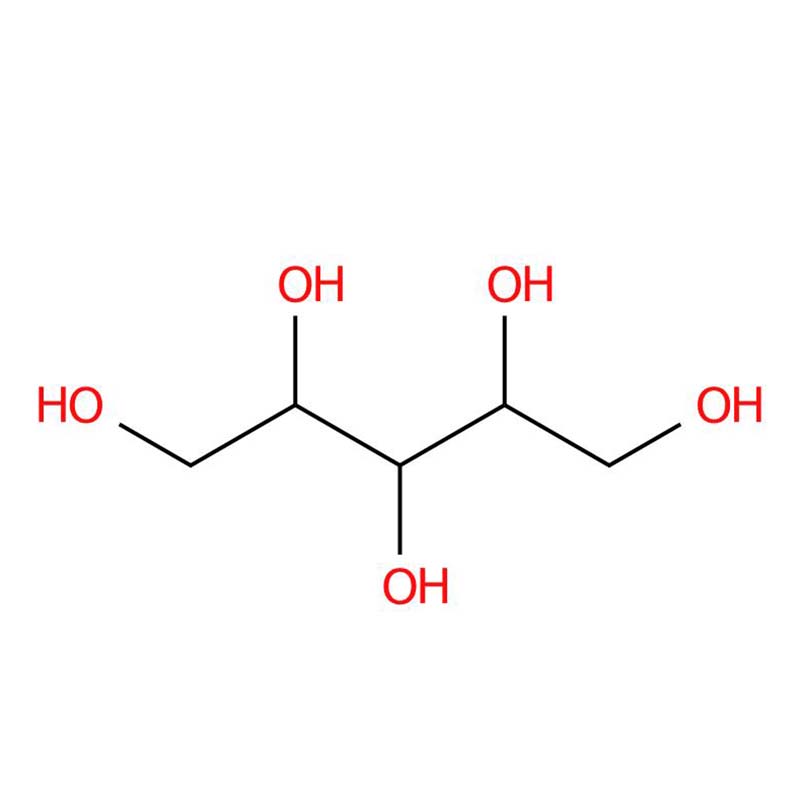
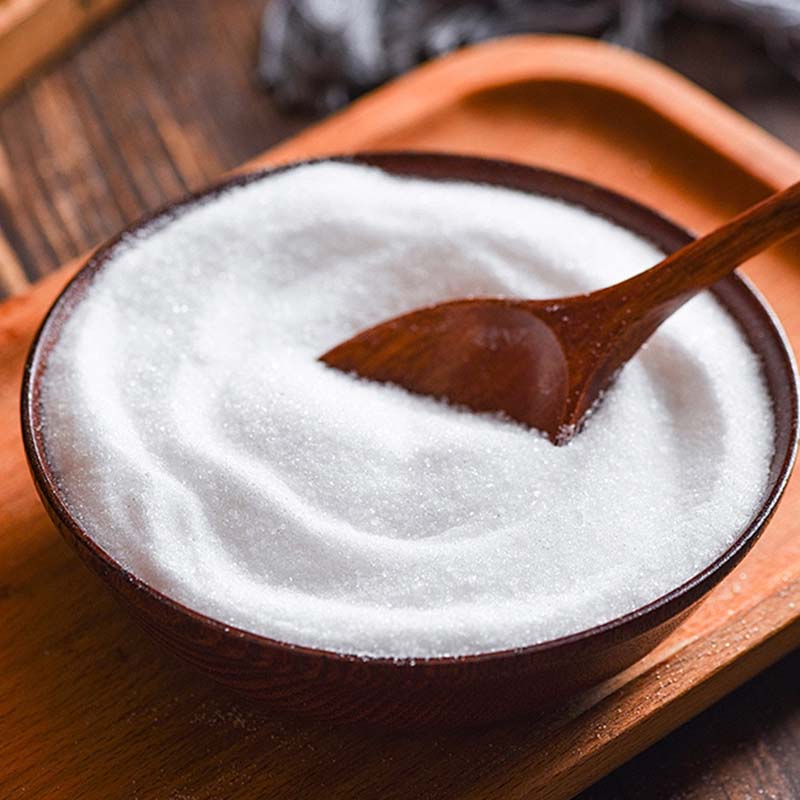
Xylitol CAS:87-99-0
Xylitol – Key Product Advantages
Reduced-Calorie Sweetness: Delivers approximately 2.4 kcal/g—only 60% of sucrose’s caloric value—while matching its sweetness on a 1:1 basis, making it ideal for reduced-calorie formulations.
Diabetic-Friendly: Metabolized independently of insulin, passing directly through cell membranes for tissue utilization without raising blood glucose. Exhibits a glycemic index (GI) of 7 (vs. 65 for sucrose), ensuring safety for individuals managing blood sugar.
Dental Health Support: Non-fermentable by cariogenic oral bacteria (e.g., Streptococcus mutans), meaning its metabolism does not produce acid that demineralizes tooth enamel. FDA and EFSA have recognized that xylitol does not promote tooth decay; EFSA further supports the claim that “xylitol chewing gum reduces the risk of caries in children”.
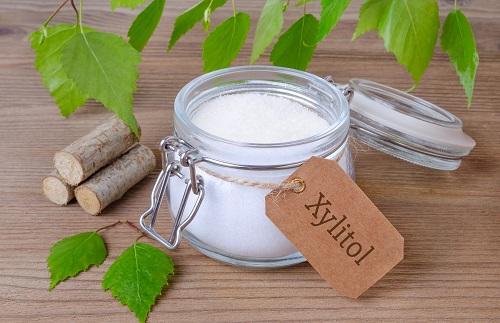
Natural Origin & Broad Recognition: A five-carbon sugar alcohol naturally occurring in fruits (strawberries, plums), vegetables (cauliflower), and plant materials such as birch bark and corn cobs. Designated as Generally Recognized as Safe (GRAS) by the FDA under 21 CFR 172.395 and widely used in global food, beverage, and oral care applications.
Product Overview
Xylitol is a naturally occurring five-carbon sugar alcohol (polyol) belonging to the functional sweetener class. It is found in nature in fruits such as strawberries, plums, and raspberries, vegetables including cauliflower and pumpkin, and plant fibrous materials like birch bark and corn cobs, albeit in low concentrations. Commercial production primarily relies on the catalytic hydrogenation of xylose, which is obtained by hydrolysis of xylan-rich plant feedstocks such as corn cobs and birch wood, followed by high-temperature, high-pressure hydrogenation over nickel catalysts.
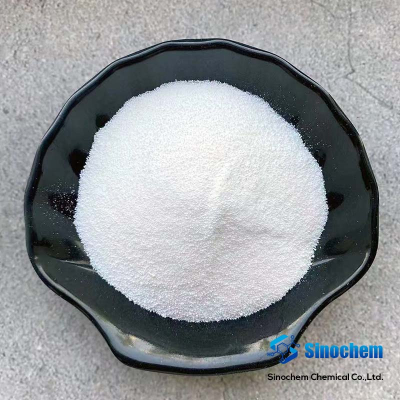
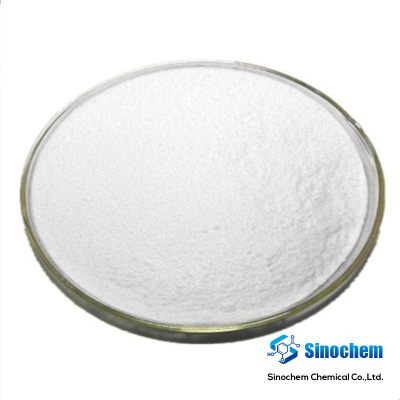
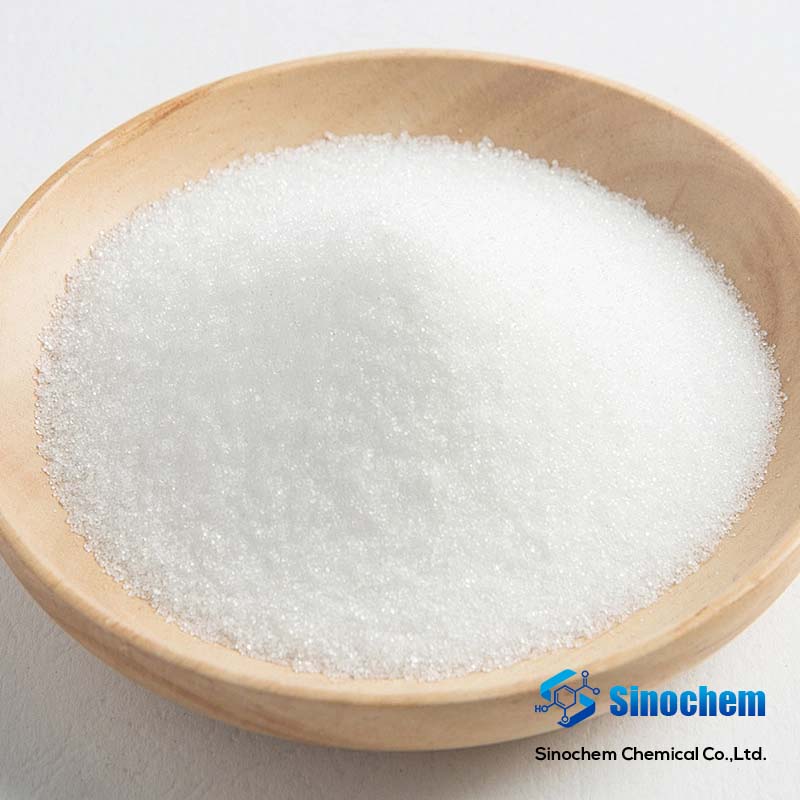
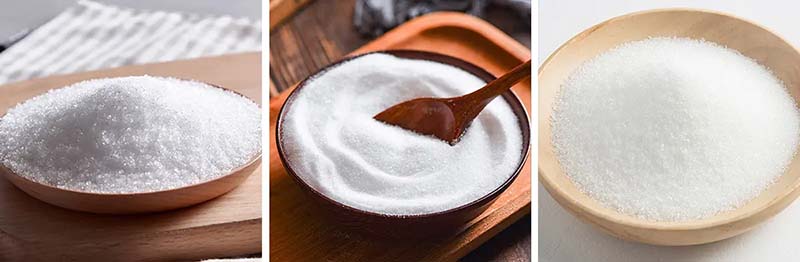
Its chemical formula is C₅H₁₂O₅, CAS number 87-99-0, and molecular weight 152.15 g/mol. The product appears as white crystals or crystalline powder with a clean sweet taste comparable to sucrose (approximately 90–100% relative sweetness), and imparts a pleasant cooling sensat ion upon dissolution.
Xylitol exhibits unique metabolic characteristics among polyols: its metabolism is independent of insulin, with the majority absorbed in the small intestine via passive diffusion and utilized directly by tissues through cell membranes without causing significant blood glucose elevation. It has a glycemic index (GI) of merely 7, far below sucrose’s 65. Providing approximately 2.4 kcal/g, it delivers about 40% fewer calories than sucrose. Xylitol is also non-cariogenic—it cannot be fermented by oral cariogenic bacteria to produce acid and may even help inhibit plaque formation and promote enamel remineralization. With sucrose-equivalent sweetness, excellent water solubility (~160 g/100mL), and notable humectant properties, xylitol is widely used globally in foods, beverages, oral care products, pharmaceuticals, and personal care applications, and carries the food additive code E967.
Xylitol – Technical Specifications (Typical)
| Parameter | Value |
|---|---|
| Molecular Formula | C₅H₁₂O₅ |
| Molecular Weight | 152.15 g/mol |
| CAS Number | 87-99-0 |
| Purity (Food Grade) | ≥99.5% |
| Sweetness | ≈100% of sucrose (concentration-dependent) |
| Melting Point | 92–96 °C |
| Boiling Point | 216 °C |
| Solubility (25°C, water) | ~160 g/100mL (very soluble) |
| pH (10% sol.) | 5.0–7.0 |
| Heavy Metals (as Pb) | ≤1 mg/kg |
| Arsenic (As) | ≤0.5 mg/kg |
| Residue on Ignition | ≤0.1% |
| Reducing Sugars | ≤0.2% |
Xylitol – Core Advantages
Reduced-Calorie Sweetness: Matches sucrose nearly 1:1 in sweetness while providing only 2.4 kcal/g — roughly 40% fewer calories than sucrose (4 kcal/g) — making it an ideal sugar substitute for reduced-calorie formulations.
Blood-Glucose Friendly: Exhibits a glycemic index (GI) of merely 7 (glucose = 100), with metabolism largely independent of insulin, eliciting no significant spike in blood glucose or insulin levels and ensuring safety for individuals managing blood sugar.
Oral Health Support: Non-fermentable by cariogenic bacteria such as Streptococcus mutans; chewing xylitol-containing products stimulates salivary flow and promotes enamel remineralization, contributing to reduced plaque accumulation and caries risk.
Cooling Sensation & Clean Taste: Dissolution is markedly endothermic, producing a distinct cooling mouthfeel particularly valued in chewing gum and breath-freshening confectionery.
Excellent Processing Stability: Thermally stable up to 180°C; lacking aldehyde or ketone functional groups, it does not participate in Maillard browning, making it suitable for light-colored baked goods. Additionally, its moderate hygroscopicity helps retain moisture and prolong softness in products such as cakes and bread.
Applications Summary
Food & Beverages: Sugar-free chewing gum and confectionery (providing cooling sensation), reduced-calorie beverages, light-colored baked goods (non-Maillard-reactive, provides moisture retention for prolonged softness), dairy products, and tabletop sweeteners.
Oral Care & Pharma: Toothpaste, mouthwash, oral sprays, lozenges, chewable tablets, and pharmaceutical excipients — stimulates salivary flow, suppresses acid production from dental plaque, and promotes enamel remineralization.
Sweetener Synergy: Blended with high-intensity sweeteners like stevia to round out sweetness profile, mask bitter aftertaste, and provide cooling sensation and fuller mouthfeel.
Quality & Packaging
Complies with FCC, USP/NF, E967, GB 2760. Standard packaging: 20–25 kg multi-layer paper bags or fiber drums; samples in 1–5 kg aluminum foil bags.
Quick Answers
Vs. Sucrose: Sweetness approximately 90–100% of sucrose, approximately 2.4 kcal/g (about 40% fewer calories), glycemic index of only 7, insulin-independent metabolism, non-cariogenic.
Digestive Tolerance: Generally well tolerated at normal intake levels. Excessive single doses (e.g., >30–50 g/day) in unadapted individuals may cause mild osmotic diarrhea; gradual introduction is recommended.
With Stevia: Exhibits good synergy—masks the bitter off-note of stevia while contributing cooling sensation and a sugar-like sweetness profile.
Pet Safety (Especially Dogs): Xylitol is highly toxic to dogs. Even small amounts can trigger massive insulin release, leading to severe hypoglycemia, liver damage, and potential fatality. Keep all xylitol-containing products strictly out of reach of pets.
Delivery Capabilities
| Item | Details |
|---|---|
| Inventory Status | Common sizes (20 kg, 25 kg bags / drums) are pre-stocked in regional warehouses for fast dispatch |
| Sample Program | 500 g–1 kg samples available for food manufacturers and research institutions for formulation testing and sensory evaluation |
| Packaging Options | Small quantity: 1 kg, 5 kg aluminum foil bags; Industrial quantity: 20 kg, 25 kg multi-layer paper bags or fiber drums (with inner PE liner); Custom packaging available for volume customers |
| Shipping | Non-hazardous material; standard freight available (express, LTL, full truckload, container) |
Certifications
Products strictly comply with FCC, USP/NF, EP, E967, GB 2760; pharmaceutical grade meets compendial monographs; food grade satisfies GB 2760 for use as appropriate in various food categories.
Quick Answers
| Question | Answer |
|---|---|
| vs. Erythritol | Xylitol sweetness ≈ 1:1 with sucrose; erythritol ≈ 60%–70% sweetness; both are low-GI sugar alcohols |
| Packaging & Customization | Standard packaging of 20–25 kg available, with customized packaging and private labeling options for volume customers |
| Certification & Compliance | Certificates of Analysis (COA), Material Safety Data Sheets (MSDS), and various compliance statements are available to ensure product conformity |
Quality Assurance
Manufacturing Standards: All products are manufactured, packaged, and stored under cGMP conditions in accordance with 21 CFR Part 211.
Full Traceability: End-to-end traceability from raw material procurement through final dispatch is maintained; each batch undergoes rigorous microbiological and heavy metal testing.
Storage & Logistics Notes
Shelf Life: Typically 24 months when stored in a cool, dry place.
Appearance: White crystalline or crystalline powder; avoid high temperatures and direct sunlight if required.
Custom Services
Offering multiple particle-size grades (standard granules, fine powder), custom blending, OEM/private labeling, and export documentation support.