1. Overview
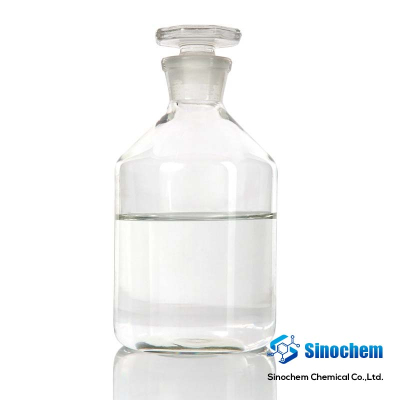
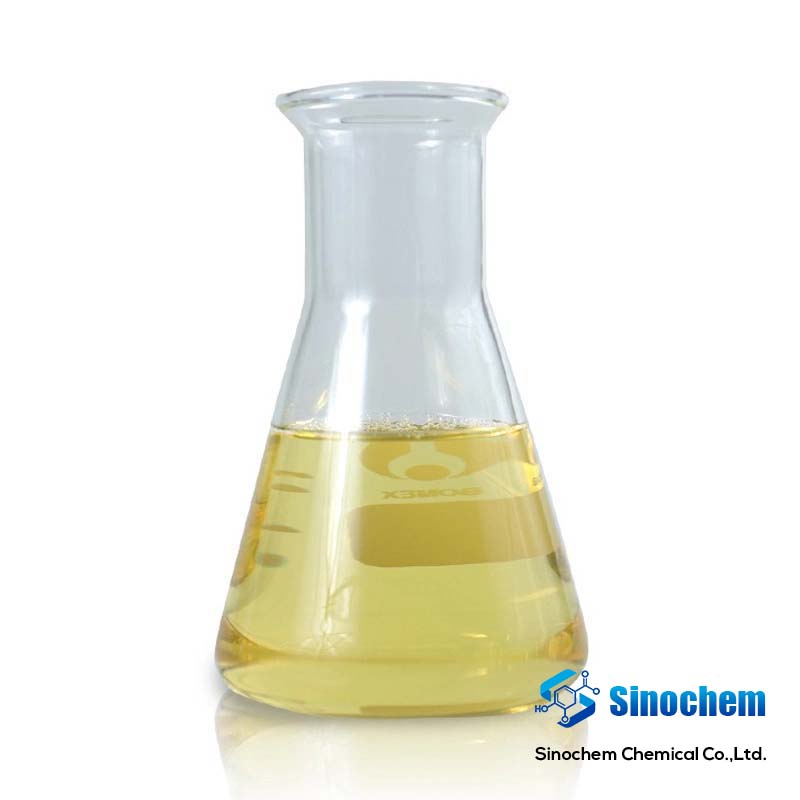
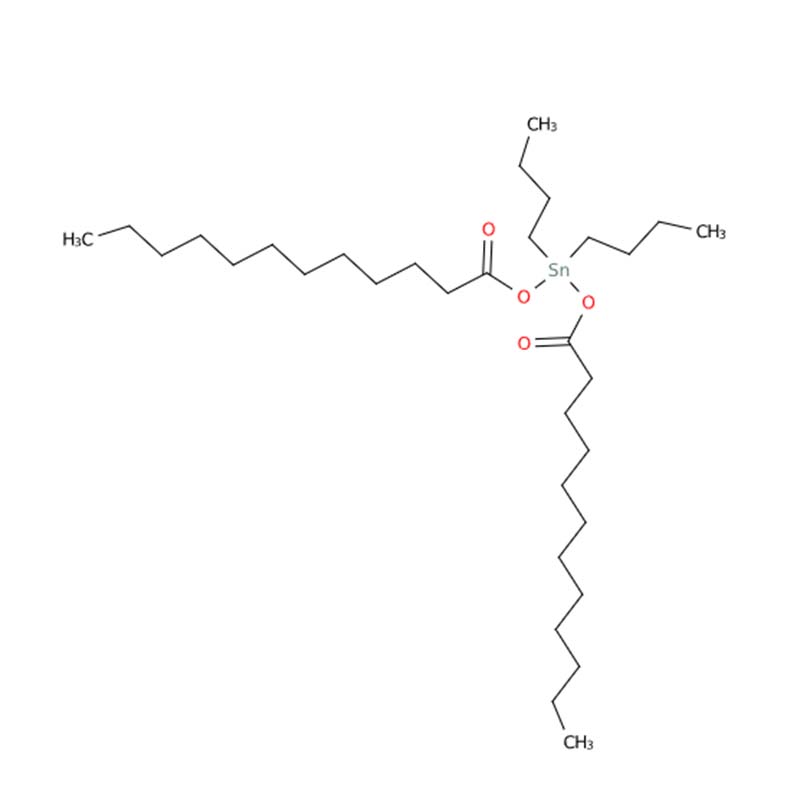
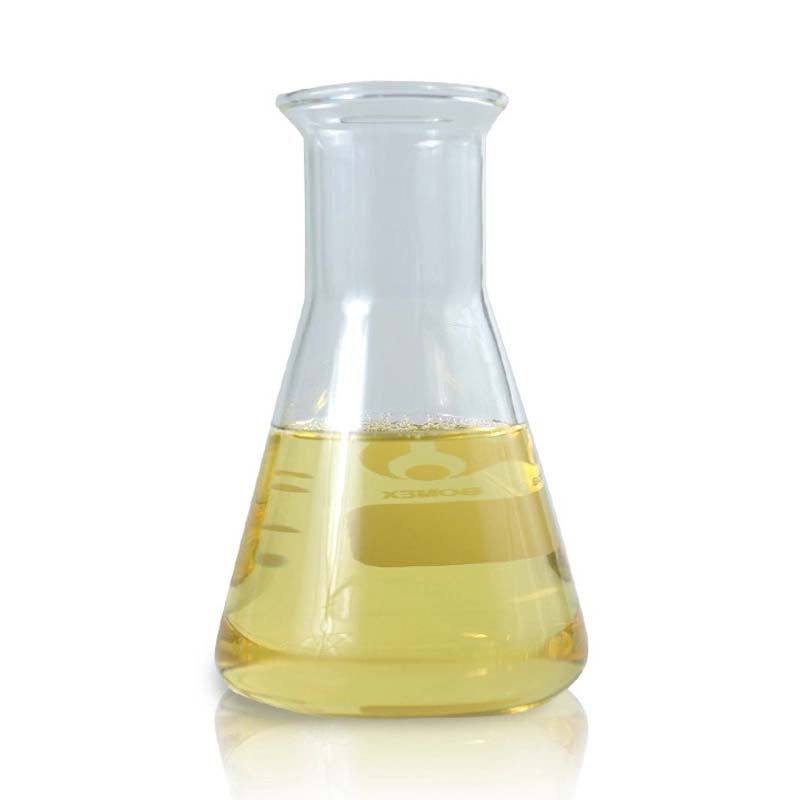
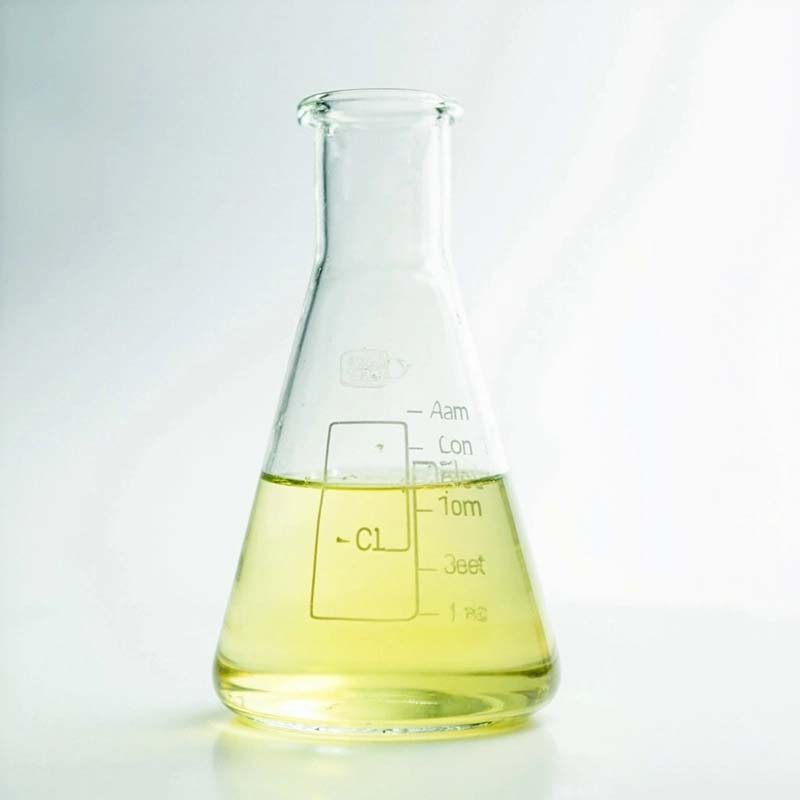
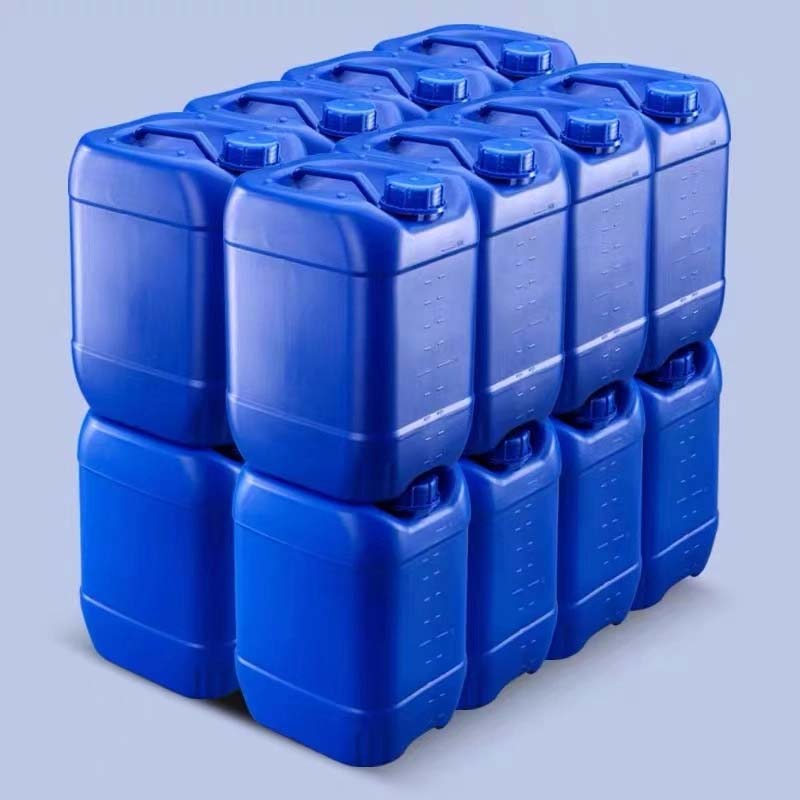
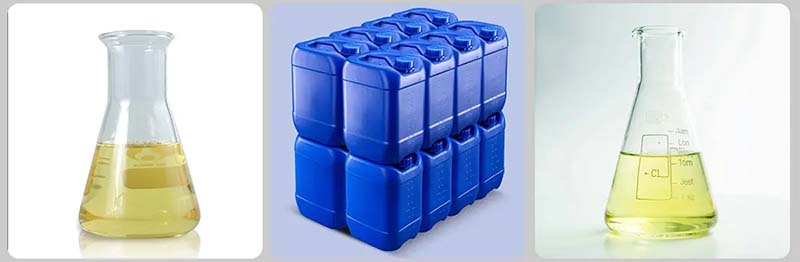
DBTDL is a yellowish oily liquid and the most widely used organotin catalyst for polyurethane (PU) reactions. It is particularly effective for accelerating the reaction between isocyanates and hydroxyl groups (urethane formation) and is also used as a stabilizer in PVC and silicone curing.
2. Key Features
Strong urethane catalyst – accelerates polyol + isocyanate reaction
Selective activity – strong for OH/NCO; weak for water/NCO (less CO₂ gas)
Versatile – used in coatings, adhesives, foams, sealants, elastomers
Good compatibility – soluble in most organic solvents and polyols
PVC stabilizer – provides heat stability to flexible PVC
3. Key Specifications
| Parameter | Typical Value | Explanation |
|---|---|---|
| Appearance | Yellowish clear oily liquid | Darkening indicates degradation |
| Assay (Purity) | ≥95% – ≥98% | Higher purity = consistent catalysis |
| Tin (Sn) Content | 18.0 – 19.0% | Measures active catalyst concentration |
| Density (25°C) | 1.04 – 1.07 g/mL | Affects volume-based dosing |
| Viscosity (25°C) | 40 – 70 cP | Low viscosity, easy to pump |
| Water Content | ≤0.1 – 0.5% | Low moisture critical for urethane reactions |
| Refractive Index (n²⁵/D) | 1.468 – 1.473 | Quality indicator |
| Free Lauric Acid | ≤1.0% | Impurity indicator |
4. Applications
| Area | Uses |
|---|---|
| Polyurethane (Primary Use) | Coatings, adhesives, sealants, elastomers (CASE); flexible and rigid foams; spray foam insulation |
| PVC Processing | Heat stabilizer for flexible PVC (films, cables, hoses) |
| Silicone Rubber | Condensation cure catalyst (room temperature vulcanization) |
| Lubricants | Antioxidant and anti-wear additive |
| Biocides | Wood preservation (limited use due to environmental restrictions) |
5. Grade Comparison
| Grade | Purity | Tin Content | Water | Typical Use |
|---|---|---|---|---|
| Standard Industrial | ≥95% | 18.0 – 19.0% | ≤0.5% | General PU foams, PVC stabilizer |
| High Purity | ≥98% | 18.5 – 19.0% | ≤0.1% | CASE applications, adhesives |
| Low Free Acid | ≥96% | 18.0 – 18.5% | ≤0.2% | Sensitive formulations |
6. Buying Guide
Select by application:
PU foams (flexible/rigid) → Standard grade (≥95%)
CASE (coatings, adhesives, sealants, elastomers) → High purity grade (≥98%, low water)
PVC heat stabilizer → Standard grade with consistent tin content
Storage & handling:
Store in a cool, dry, well-ventilated area (15–30°C)
Keep container tightly sealed – moisture sensitive
Avoid contact with strong oxidizers
Shelf life: 12–24 months
Toxic – GHS: H302 (harmful if swallowed), H312 (skin contact harmful), H315 (skin irritation), H317 (allergic), H372 (organ damage, long-term)
Quality verification:
Request CoA for tin content, water content, and free acid
Check appearance – should be clear, not turbid or precipitated
7. FAQ
Q: What is DBTDL used for in polyurethane?
A: It is a gelling catalyst – accelerates the reaction between polyols (OH) and isocyanates (NCO) to form urethane bonds. Typical dosage: 0.01–1.0% of total formulation.
Q: Is DBTDL the same as tin octoate?
A: No. DBTDL (organotin) is a stronger catalyst for OH/NCO reactions. Tin octoate (stannous octoate) is often used in flexible foams but is less selective and promotes water-NCO reaction (CO₂ gas).
Q: Is DBTDL toxic?
A: Yes. Organotin compounds are toxic. DBTDL is classified as:
H302 (Harmful if swallowed), H312 (Harmful on skin contact), H315 (Skin irritation), H317 (Allergic reaction), H372 (Causes organ damage – prolonged exposure). Use PPE (gloves, goggles, fume hood).
8. Delivery & Service
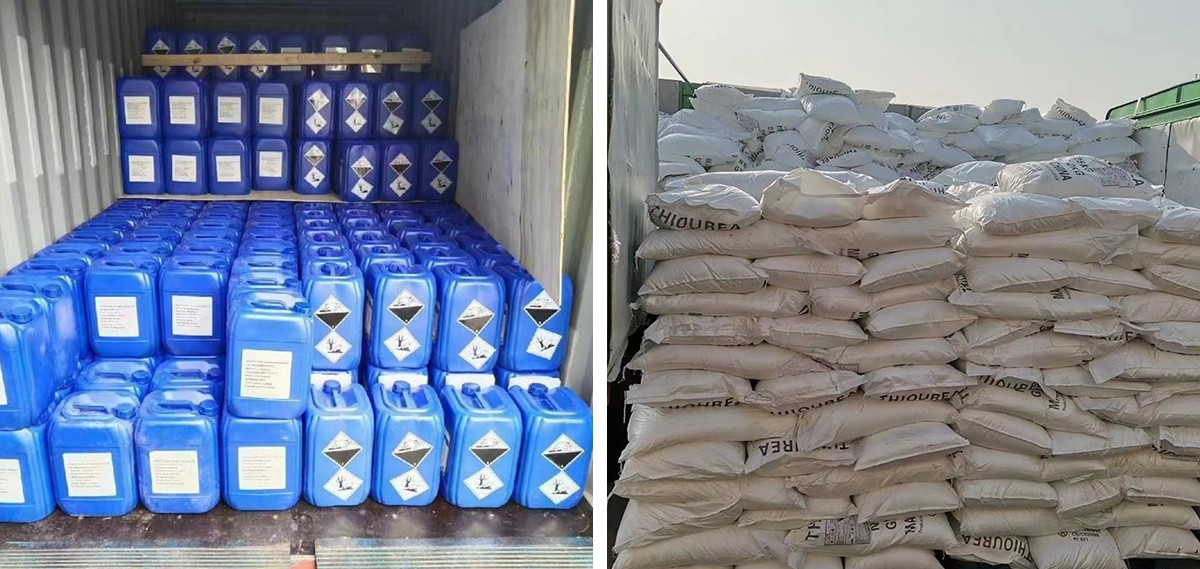
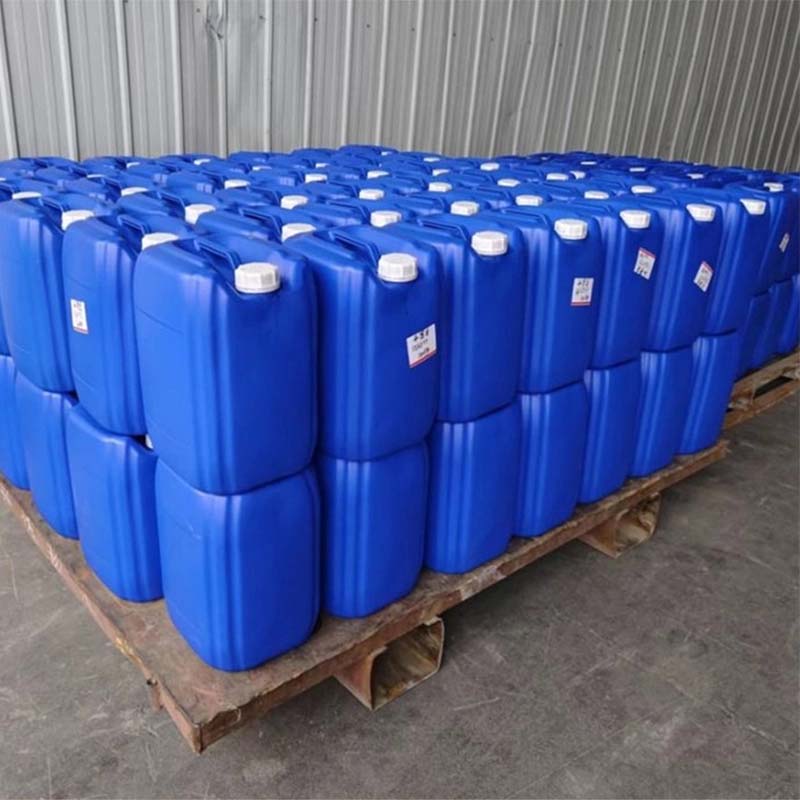
Packaging: 25kg, 200kg plastic/steel drums; 1000kg IBC; bulk isotanks
Lead time: Stock: 3–7 days; bulk orders: 2–4 weeks
Documentation: CoA (tin content, water, free acid), MSDS, TDS
Certifications: ISO 9001 (varies by supplier)
Shipping: Toxic liquid, Class 6.1 (UN 2810) or Class 9 (UN 3082) depending on concentration – requires hazardous documentation