Fluorinated Solvents & Recycling Technology Breakthroughs:
1. Market Overview: Diversified Pattern of Traditional Carbonate Solvents, Premium Premium Appears
| Product | Specification | Q2 2026 Price (CNY/MT) | YoY Change | Main Application |
| Industrial DMC | ≥99.5% | 3,800–4,000 | -12% | Industrial cleaning, coating, general electrolyte |
| Battery-grade DMC | ≥99.99% | 5,200–5,600 | +5% | Power & energy storage battery base electrolyte |
| Battery-grade EC | ≥99.99% | 5,200–5,500 | +18% | High-nickel ternary battery, electrolyte additive raw material |
| Battery-grade EMC | ≥99.99% | 6,800–7,200 | +10% | Mid-to-high-end power battery, fast-charging battery system |
| Fluorinated Carbonate FEC | ≥99.9% | 28,000–32,000 | +25% | High-voltage battery, lithium metal battery electrolyte |
The price gap between battery-grade and industrial-grade solvents continues to widen. Benefiting from booming demand for additives, battery-grade EC saw a 18% year-on-year increase, becoming the strongest-performing carbonate product.
2. Technological Breakthrough: Fluorinated Electrolyte Solves Low-Temperature & High-Energy Density Bottlenecks
The new route achieves obvious advantages in core performance:
| Performance Index | Traditional Carbonate Electrolyte | New Fluorinated Solvent Electrolyte | Improvement Range |
| Room-temperature Ionic Conductivity (mS/cm) | 8–10 | 12–14 | +40% |
| -40℃ Ionic Conductivity (mS/cm) | <1 | 5–6 | +500% |
| Cycle Life (80% capacity retention) | 1,000–1,500 cycles | Over 3,000 cycles | +100% |
| Flash Point (℃) | 25–35 | Over 100 | Greatly improved safety |
Meanwhile, the bio-based ether-lactone electrolyte developed by University of Jena, Germany, shows huge potential. Adopting γ-Valerolactone (GVL) and high-flash ether as core solvents matched with LiFSI lithium salt, it improves the safety of high-nickel batteries and reduces reliance on conventional LiPF6, becoming a key candidate for next-generation green electrolyte.
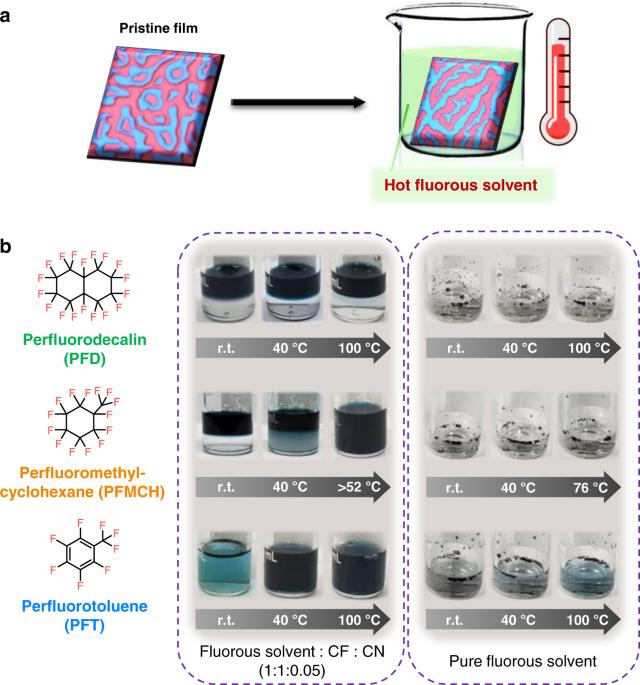
3. Green Transformation: Solvent Recycling Becomes New Industry Track
Closed-loop recycling brings significant improvements in cost and carbon emission:
| Indicator | Traditional Procurement Mode | Closed-Loop Recycling Mode | Improvement Effect |
| Solvent Cost per Ton Battery (CNY) | 1,200–1,500 | 700–900 | Cost reduced by 35%–40% |
| Carbon Emission (kg/MT solvent) | 2,500–3,000 | Below 800 | Carbon emission cut over 70% |
| Supply Lead Time | 15–30 days | On-site real-time supply | Greatly shortened |
| Waste Liquid Disposal Cost (CNY/MT) | 800–1,200 | Nearly zero | Disposal cost eliminated |
Calculation shows recycling can cut solvent comprehensive cost by over 30% and reduce sensitivity to raw material price fluctuations such as propylene oxide. At present, leading enterprises have piloted this model in large overseas energy storage projects, laying a foundation for large-scale promotion.
4. Industry Outlook: Driven by Technology & Low-Carbon Upgrade
In the future, competition logic of electrolyte solvents will shift from blind capacity expansion to comprehensive strength of technology, cost and low-carbon layout.
In the short term, driven by rising energy storage orders and peak season demand of power batteries, industry operating rate is expected to rise above 70%.
In the long run, commercialization of fluorinated solvents and bio-based electrolyte routes, together with large-scale promotion of recycling technology, will become core competitiveness.
Industry institutions predict that under global energy transition and policy dividends, the electrolyte solvent industry will maintain structural growth in the next few years. Enterprises with high-end product capacity, low-carbon production layout and cost advantages will take the lead in the new round of industrial reshuffle.