Tricresyl Phosphate (TCP) CAS No.: 1330-78-5 (mixed)
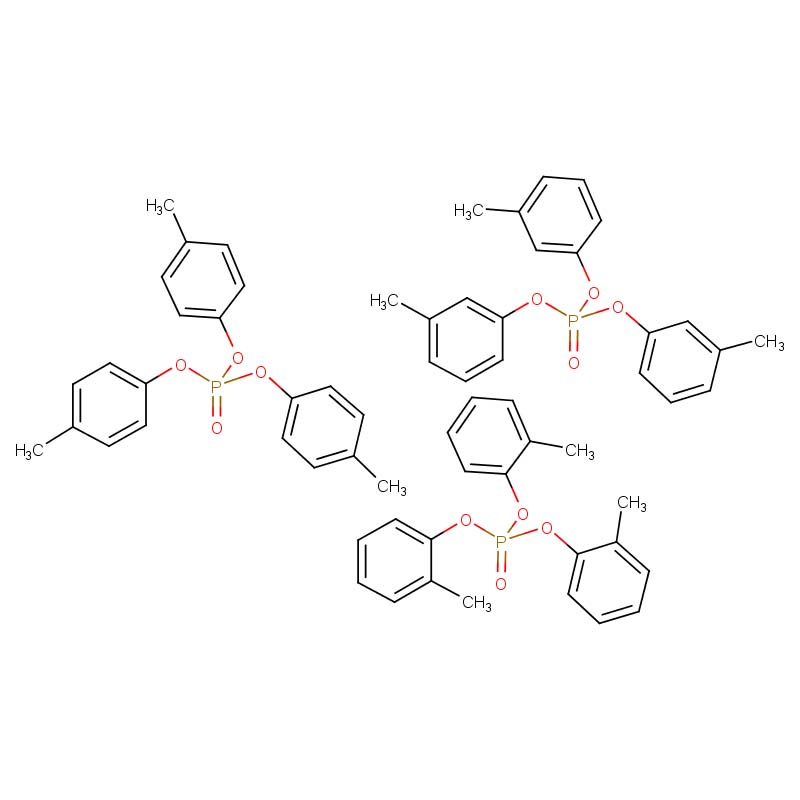
Tricresyl phosphate (TCP, CAS 1330-78-5) is a colorless to pale yellow, viscous liquid organophosphate ester, insoluble in water and known for its excellent flame-retardant properties and thermal stability . Commercially, it is typically a mixture of meta- and para-cresol isomers, with the highly neurotoxic ortho-isomer (TOCP) strictly limited to trace amounts . Its primary industrial applications include use as a plasticizer in PVC and nitrocellulose lacquers, a flame-retardant additive in plastics and hydraulic fluids, and an anti-wear/extreme-pressure agent in lubricants .
1. Overview
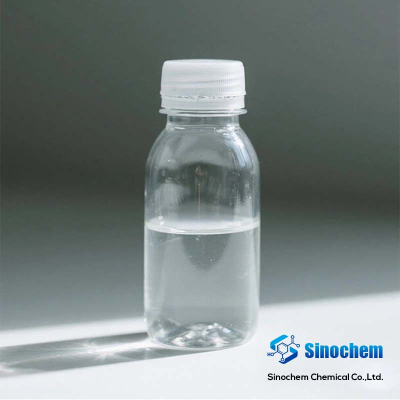
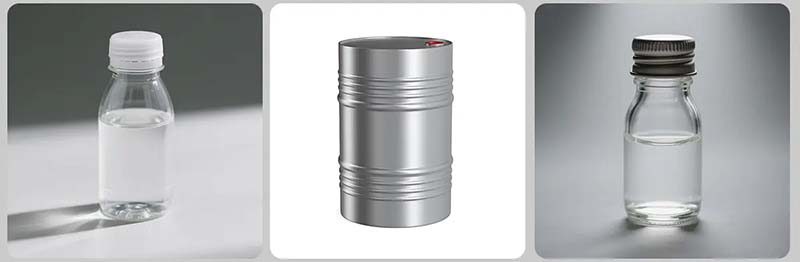
Tricresyl phosphate is a synthetic phosphate ester flame retardant and plasticizer. It appears as a colorless to pale yellow oily liquid with low volatility. TCP is prized for its excellent flame retardancy, lubricity, and compatibility with polymers like PVC, rubber, and engineering plastics. However, certain isomers (particularly ortho-) are neurotoxic, requiring careful grade selection for safe applications.
2. Key Features
Flame Retardant: Phosphorus content (~8.4%) promotes char formation; meets UL 94 V-0 in many formulations .
Plasticizer: Imparts flexibility and low-temperature performance to PVC and other polar polymers .
Lubricity: Excellent anti-wear and extreme-pressure properties for hydraulic fluids and lubricants .
Low Volatility: High molecular weight reduces outgassing and fogging .
Good Compatibility: Miscible with PVC, cellulosics, synthetic rubbers, and engineering plastics .
3. Key Specifications with Explanation
| Parameter | Typical Value | Explanation |
|---|---|---|
| Appearance | Colorless to pale yellow liquid | Darkening indicates degradation or impurities. |
| Assay (Purity) | ≥95% – ≥99% | Higher purity ensures consistent performance. |
| Density (20°C) | 1.16 – 1.19 g/mL | Affects volume-based dosing calculations. |
| Viscosity (20°C) | 60 – 90 cP | Influences processing and flow behavior. |
| Acid Value | ≤0.1 mg KOH/g | Low acidity prevents corrosion and polymer degradation. |
| Water Content | ≤0.1% | Low moisture critical for hydrolysis-sensitive applications. |
| Flash Point | ≥220°C (COC) | High flash point for safe high-temperature processing. |
| Refractive Index (n²⁵/D) | 1.550 – 1.560 | Quality indicator; changes with isomer composition. |
| Ortho-isomer Content | <1% – >95% (grade dependent) | Ortho-isomers are neurotoxic; critical for safety. |
4. Applications
| Application Area | Specific Uses |
|---|---|
| Hydraulic Fluids | Fire-resistant hydraulic fluids (aviation, industrial). Requires low ortho-isomer content. |
| PVC Plasticization | Flame-retardant plasticizer for wire/cable insulation, conveyor belts, flooring, automotive interior skins. |
| Lubricants | Extreme-pressure additive in gear oils, metalworking fluids, and turbine oils. |
| Engineering Plastics | Flame retardant for PC/ABS, PPE, and phenolic resins. |
| Adhesives & Coatings | Flame-retardant additive for epoxy and polyurethane systems. |
| Textile Auxiliaries | Flame-retardant treatment for synthetic fibers. |
Isomer-Specific Applications:
| Isomer Type | Ortho Content | Typical Application |
|---|---|---|
| Tri-ortho-cresyl phosphate (TOCP) | >95% ortho | Rarely used industrially due to neurotoxicity. Limited to specific research. |
| Mixed Isomers (m/p-rich) | <5% ortho | General-purpose flame retardant plasticizer (PVC, rubber). |
| Low Ortho Grade | <1% ortho | Hydraulic fluids, food-contact applications, medical devices, toys. |
5. Grade Comparison
| Grade | Purity | Ortho-isomer Content | Typical Use |
|---|---|---|---|
| Industrial / General Purpose | ≥95% | ≤5% | PVC wire/cable, conveyor belts, general flame retardancy. |
| Low Ortho (Safe Grade) | ≥98% | <1% | Hydraulic fluids, food contact, toys, medical, automotive interiors. |
| High Purity (Analytical) | ≥99% | Specified (<0.1% ortho) | Research, pharmaceutical intermediates, high-performance lubricants. |
| Technical Grade (Mixed) | ≥95% | Variable (typically 10–40%) | Not recommended for consumer goods; limited industrial use only. |
6. Buying Guide
Select by Ortho-isomer Content (Critical for Safety) :
Consumer goods, food contact, medical, toys → Low Ortho Grade (<1% ortho) .
Industrial hydraulics, aviation → Low Ortho Grade (<1% ortho) required for worker safety .
General PVC flame retardancy (industrial cables, belts) → General Purpose (<5% ortho) acceptable .
Never use high-ortho grades in any application with human contact.
Select by Application:
PVC wire/cable insulation → General purpose TCP + plasticizer blend.
Fire-resistant hydraulic fluid → Low ortho TCP (meets ISO 12922).
Engineering plastic flame retardant → TCP + synergist (antimony oxide).
Storage Conditions:
Store in cool, dry, well-ventilated area (avoid >50°C).
Keep containers tightly sealed – hygroscopic.
Avoid contact with strong oxidizing agents.
Shelf life: 24 months when stored properly.
Quality Verification:
Critical – Request ortho-isomer content by GC/MS.
Request CoA confirming acid value, water content, and viscosity.
7. FAQ
Q: Is TCP toxic?
A: Depends on isomer composition. Ortho-isomers cause delayed neurotoxicity (organophosphate-induced delayed neuropathy). Meta- and para-isomers are significantly less toxic. Always use low ortho (<1%) grades for any application with potential human exposure .
Q: What is the difference between TCP and TPP (Triphenyl Phosphate)?
A: TCP has methyl groups on the phenyl rings. TCP is more compatible with PVC, offers better low-temperature flexibility, and has higher molecular weight (lower volatility). TPP is more crystalline and less compatible with PVC.
Q: Is TCP banned in any regions?
A: High ortho TCP (>1%) is restricted in many jurisdictions. EU REACH restricts ortho-isomers >0.1% in articles. Low ortho TCP (<1%) remains widely approved for industrial use. Check local regulations (TSCA, REACH, K-REACH).
Q: How does TCP compare to other phosphate flame retardants?
A: TCP offers excellent lubricity and PVC compatibility. RDP and BDP are preferred for engineering plastics. TCP is more cost-effective but has higher ortho-safety concerns.
Q: Can TCP be used in food contact applications?
A: Low ortho grade may be permitted in some regions with migration limits (e.g., EU 10/2011). Verify with local food safety authorities. General purpose TCP is not food contact approved.
Q: How should I handle TCP spills?
A: Absorb with inert material (sand, vermiculite). Collect in approved containers. Avoid environmental release – toxic to aquatic life. Wear PPE (nitrile gloves, goggles, protective clothing).
8. Delivery, Certification & Service
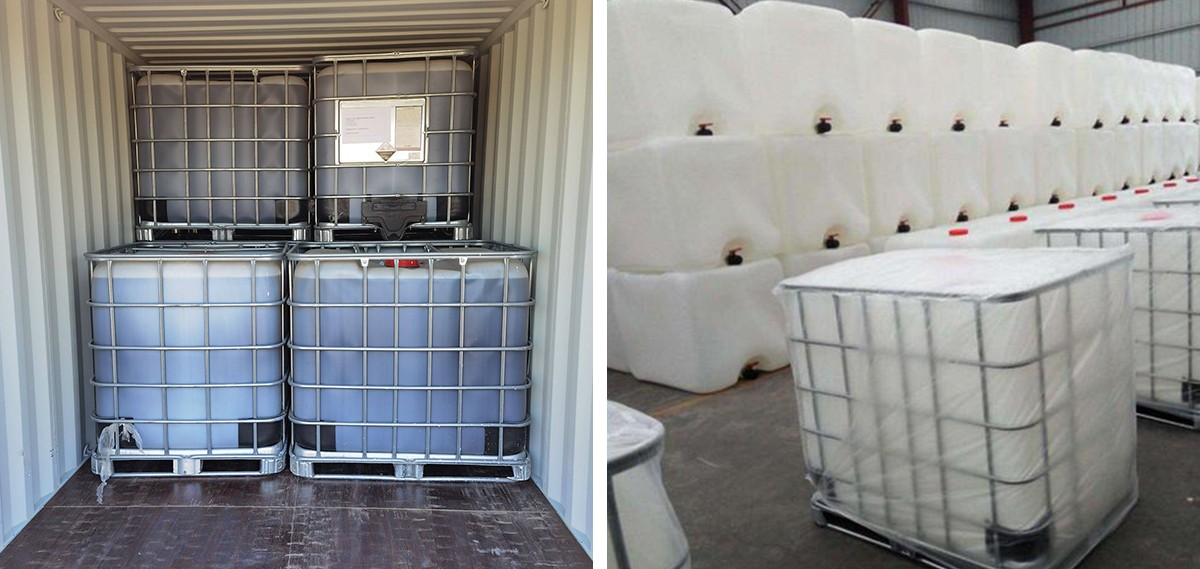
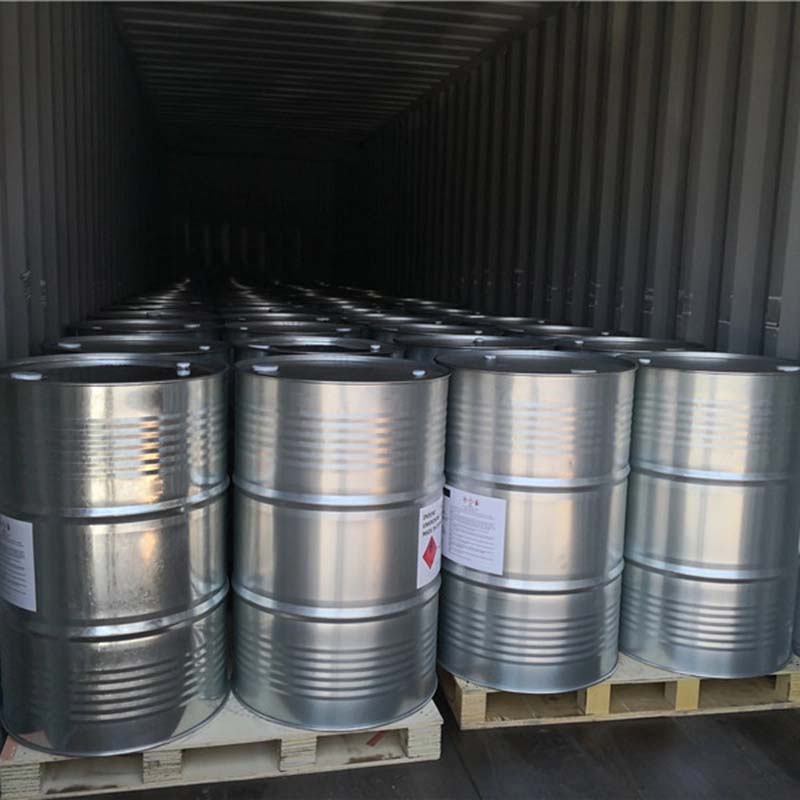
Packaging: 25kg drum, 200kg steel drum, 1000kg IBC, isotank, or flexibag.
Lead Time: Stock items: 3–7 business days; bulk orders: 2–4 weeks.
Documentation: CoA (ortho-isomer content, purity, acid value, water), MSDS, TDS.
Certifications: ISO 9001; low ortho grades may carry REACH compliance documentation.
Shipping: Not classified as dangerous goods for most transport (flash point >200°C). Check local regulations.