Sodium Hydrosulfite (Sodium Dithionite) CAS No.: 7775-14-6
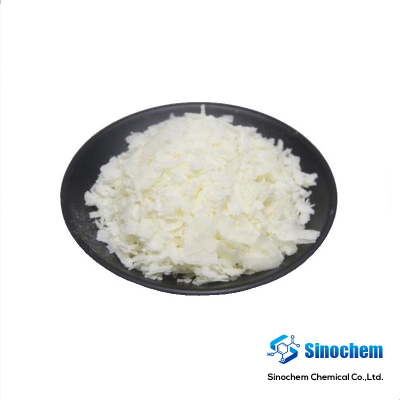
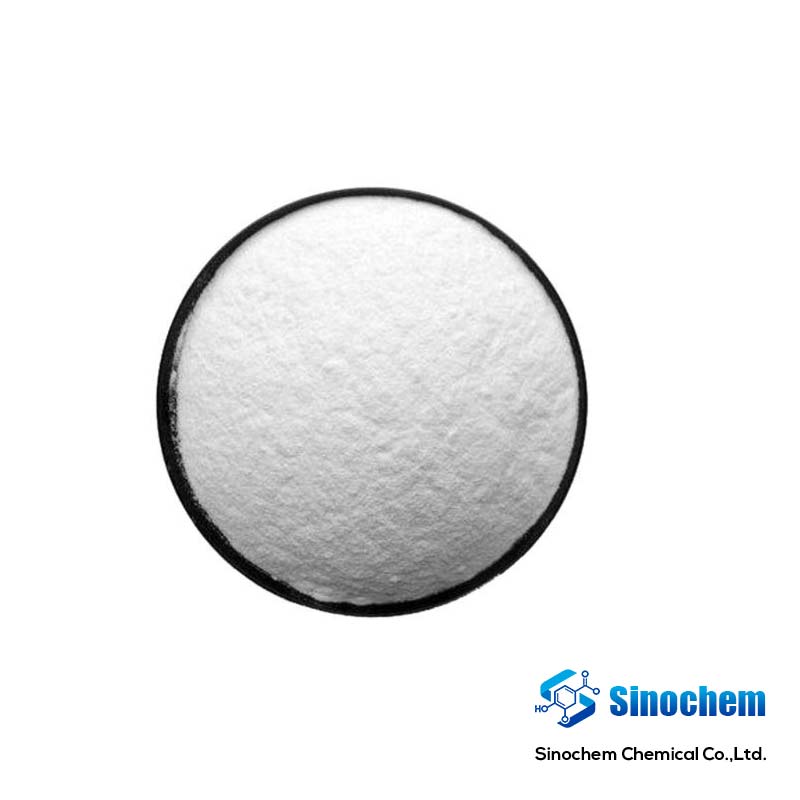
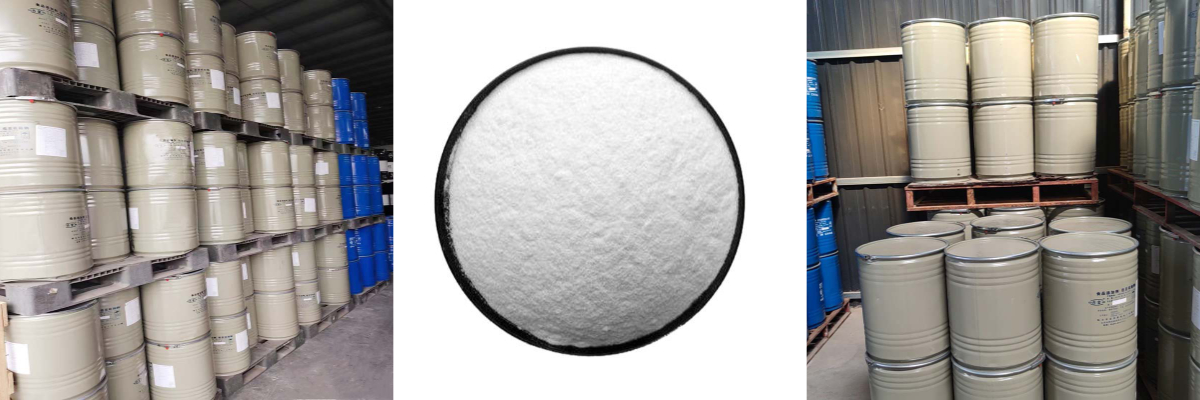
Sodium hydrosulfite (also known as sodium dithionite, CAS 7775-14-6) is a white crystalline powder with a slight sulfurous odor, widely used as a powerful reducing agent . It is highly soluble in water but decomposes readily in moist air and reacts with acids to release toxic gases . Its primary applications include textile processing (as a bleaching agent and for vat dyeing), water treatment (oxygen scavenging), pulp and paper bleaching, and various organic chemical syntheses
1. Overview
Sodium Hydrosulfite (also known as Sodium Dithionite) is a white crystalline powder with a faint sulfurous odor. It is a powerful reducing agent widely used across textile, paper, and chemical industries. Due to its high reactivity with oxygen and moisture, it requires careful handling and storage. The compound is most valued for its ability to perform reductive bleaching—removing color without damaging fiber or pulp integrity. China accounts for over 70% of global production, with major manufacturing hubs in Shandong, Hunan, and Hainan provinces.
2. Key Features
Strong Reducing Power: Excellent performance in vat dye reduction, color stripping, and bleaching applications.
High Purity Options: Available in industrial (85%–90%) and food-grade variants for different applications.
Effective Brightness Improvement: Ideal for pulp and paper bleaching to achieve high whiteness levels.
Rapid Action: Fast reaction rates in dye reduction and chlorine removal processes.
Chlorine Neutralization: Efficiently removes residual chlorine in water treatment applications.
3. Specifications with Explanation
| Parameter | Typical Value | Explanation |
|---|---|---|
| Assay (Purity) | ≥85%–90% (iodometric) | Determines reducing capacity; higher purity yields better bleaching efficiency and lower dosage requirements. |
| Appearance | White crystalline powder | Indicates product stability; yellowing suggests decomposition from moisture or heat exposure. |
| Iron (Fe) | ≤0.0035% | Low iron prevents catalytic decomposition and staining in textile/paper applications. |
| Chlorides (Cl) | ≤0.7% | High chlorides may cause corrosion in processing equipment. |
| Water Insolubles | ≤0.03% | Low insolubles ensure clean solutions without residue on treated materials. |
| Sulfates (SO₄) | ≤0.03% | Indicates decomposition level; higher sulfates suggest product degradation. |
| pH (50 g/L, 20°C) | 7–9 | Near-neutral range suitable for most industrial processes. |
| Heavy Metals | ≤0.002% | Low heavy metals required for food-grade and sensitive applications. |
| Melting Point | 52°C (decomposes) | Decomposes before melting; do not heat above this temperature. |
| Storage Temperature | <25°C, cool & dry | Prevents self-heating and decomposition; moisture accelerates degradation. |
4. Applications
Textile Industry (>50% of use) : Reduction dyeing of vat dyes, indigo dyeing for denim, color stripping for correction/reprocessing, and bleaching of silk, wool, and nylon.
Paper & Pulp Industry: Bleaching of mechanical pulp, de-inking of recycled paper, and brightness improvement.
Water Treatment: Removal of residual chlorine and chloramine, reduction of chromium (VI) to chromium (III), and oxygen scavenging in boiler systems.
Chemical Manufacturing: Reducing agent in organic synthesis for dyes, pharmaceuticals, and intermediates; used in polymer stabilization and purification processes.
Mineral Processing: Decolorization and beneficiation of mineral ores.
Food Industry (Food Grade) : Bleaching agent for sugar refining, gelatin, and some food products (requires specific certification).
5. Comparison Table
| Grade | Purity (Assay) | Iron (Fe) | Typical Packaging | Recommended Use |
|---|---|---|---|---|
| Standard Industrial | 85%–88% | ≤0.01% | 25kg paper bag + PE liner | General textile dyeing, water treatment, pulp bleaching. |
| High-Performance | 88%–90% | ≤0.0035% | 25kg bag / 50kg drum | Premium denim/indigo dyeing, high-brightness paper. |
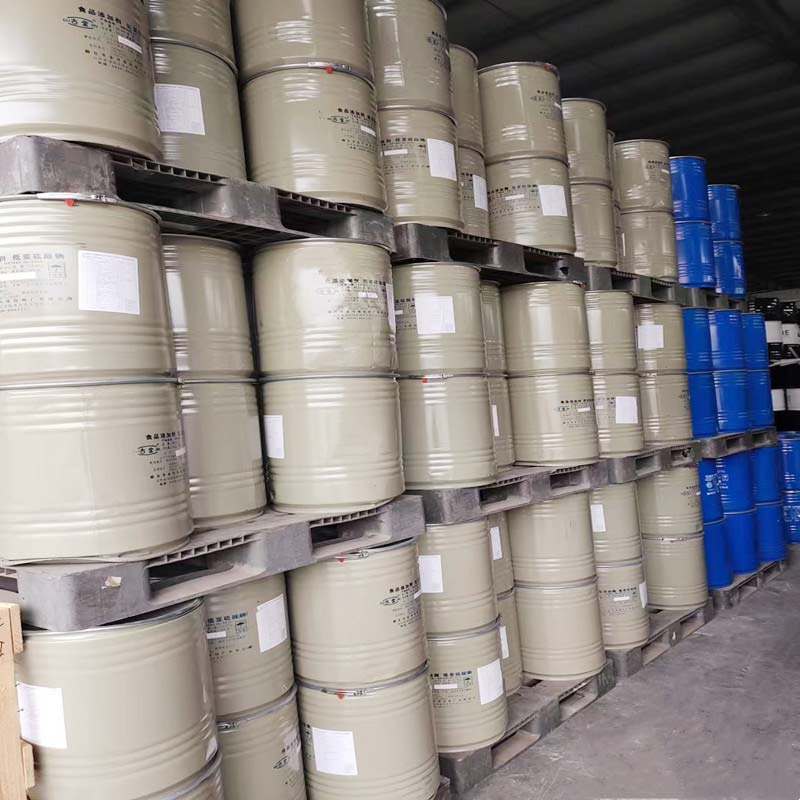
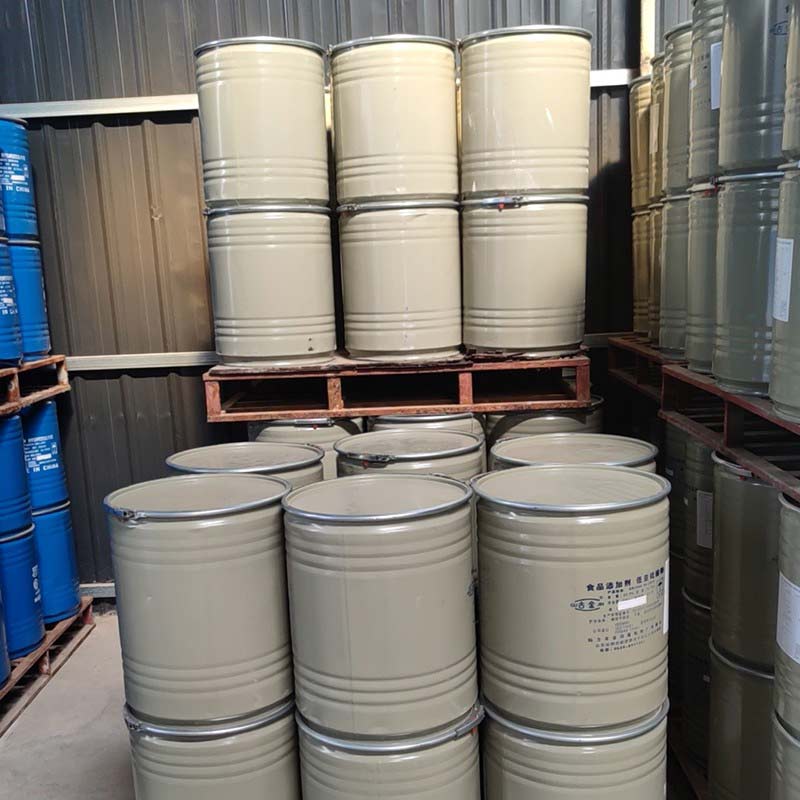
| Food Grade | ≥88% | ≤0.001% | 25kg drum (special lining) | Sugar refining, food bleaching, pharmaceutical intermediates. |
6. Buying Guide
1. Choose Grade by Application:
Textile/Denim dyeing: Standard Industrial grade (≥85%) is typically sufficient for most reduction dyeing and stripping operations.
Premium paper bleaching: High-Performance grade (≥88%, low iron) ensures maximum brightness without metal-catalyzed degradation.
Food processing: Must source Food Grade with appropriate certifications; verify compliance with local food safety regulations.
2. Supplier Evaluation Criteria:
Certifications: ISO 9001, ISO 14001, REACH registration for EU markets.
Quality Assurance: Request batch-specific Certificate of Analysis (CoA) from independent lab; verify test methods follow ASTM or ISO standards.
Reorder Rate: Suppliers with >60% reorder rates indicate strong customer satisfaction (e.g., Choice Chemicals Ltd., Shandong S-Sailing Chemical).
Response Time: Look for sub-3-hour response times for efficient communication across time zones.
3. Logistics & Lead Times:
Production lead time: 15–25 days after deposit confirmation.
Sea freight (China to major ports) : 10–18 days depending on destination.
Total delivery cycle: Typically 4–6 weeks from order to arrival.
7. FAQ
Q: Is Sodium Hydrosulfite the same as Sodium Dithionite?
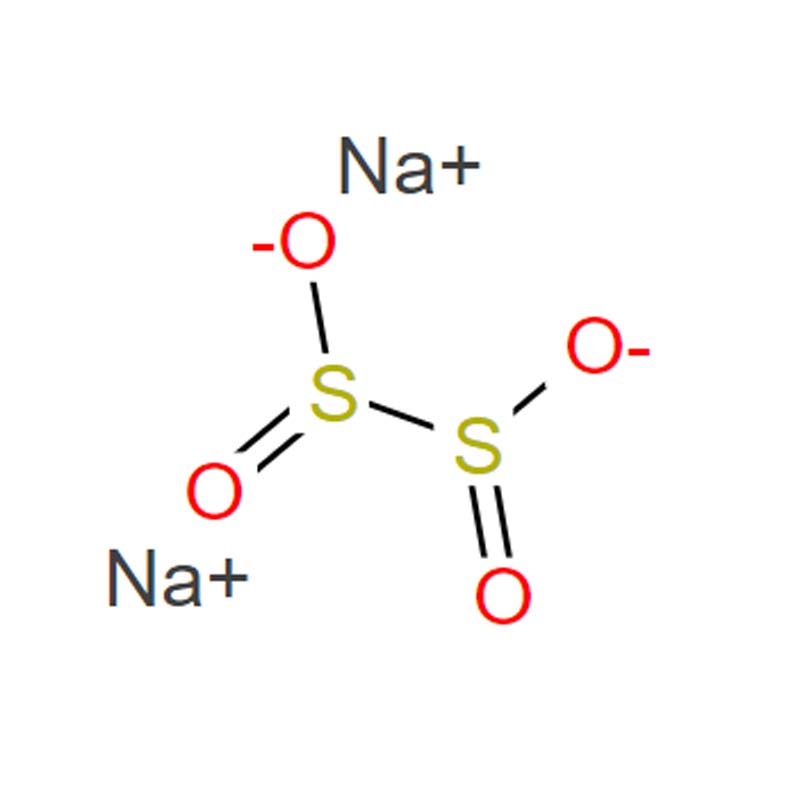
A: Yes. Sodium Hydrosulfite and Sodium Dithionite are identical chemical compounds (Na₂S₂O₄). The terms are used interchangeably.
Q: Is this product classified as dangerous goods?
A: Yes, Class 4.2 (Self-heating substance) . UN No.: 1384, Packing Group II. May self-heat and catch fire if exposed to air or moisture. Store away from heat sources, acids, and oxidizing agents.
Q: Why does the product smell like sulfur?
A: A faint sulfur dioxide odor is normal due to trace decomposition. Strong odor may indicate significant degradation from improper storage.
Q: How should Sodium Hydrosulfite be stored?
A: Store in a cool (<25°C), dry, well-ventilated area. Keep containers tightly sealed. Avoid sunlight, heat, moisture, and acids. Use FIFO (first-in, first-out) inventory rotation. Properly stored product retains efficacy for 3–6 months.
Q: Can I get free samples before bulk order?
A: Yes. Most established suppliers offer complimentary samples for quality verification. Shipping fees may apply depending on location.
Q: What are common alternatives to Sodium Hydrosulfite?
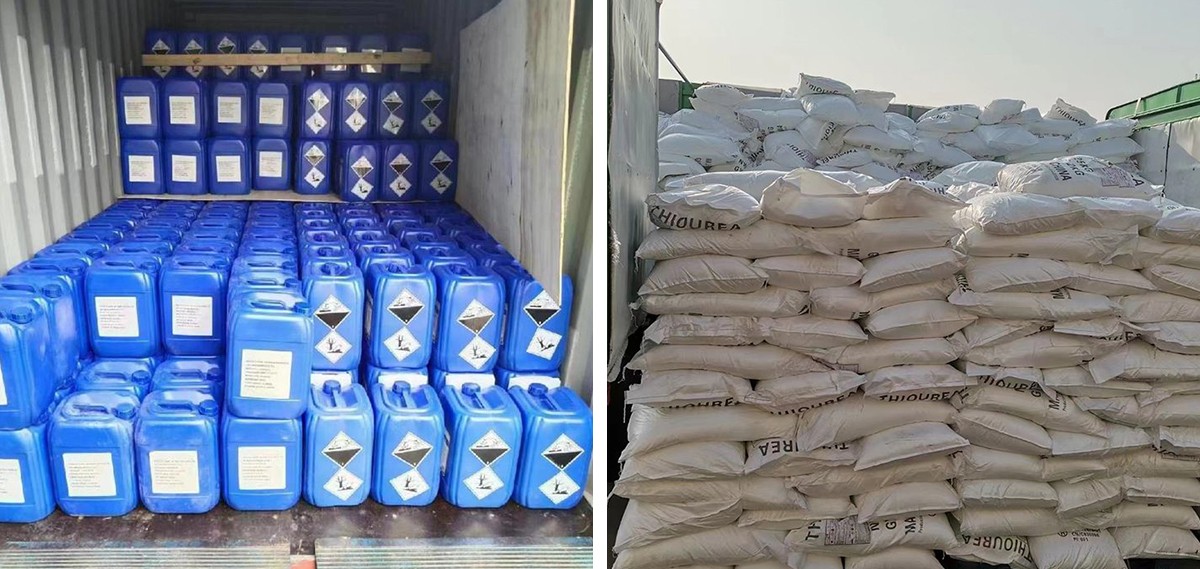
A: Thiourea dioxide is a popular alternative offering better stability under alkaline conditions, though at higher cost. Sodium bisulfite is another option but has weaker reducing power. Always test compatibility before switching.
Q: Is Sodium Hydrosulfite soluble in water?
A: Yes, approximately 250 g/L at 20°C. However, it decomposes in solution, so fresh solutions should be prepared and used promptly.
Q: What happens if the product gets wet?
A: Moisture accelerates decomposition, generating heat and sulfur dioxide gas. In severe cases, spontaneous combustion may occur. Discard wetted material following local hazardous waste regulations.
8. Delivery, Certification & Service
Delivery: Standard packaging: 25kg multi-wall paper bags with inner PE liner (also available in 50kg drums, bulk bags, or Isotanks). Stock available from major Chinese ports (Qingdao, Shanghai, Tianjin). Lead time: 15–25 days for production, plus shipping.
Certifications: ISO 9001 certified. REACH pre-registered. COA and MSDS available upon request. Food-grade suppliers offer additional food safety certifications.
Shipping Terms: FOB, CIF, or DDP available depending on buyer preference. Suppliers experienced with hazardous material documentation (UN1384, Class 4.2) for smooth customs clearance.
Technical Support: Free technical assistance including application optimization, compatibility testing, and stability guidance. Third-party inspection (SGS, Bureau Veritas, Intertek) can be arranged pre-shipment.