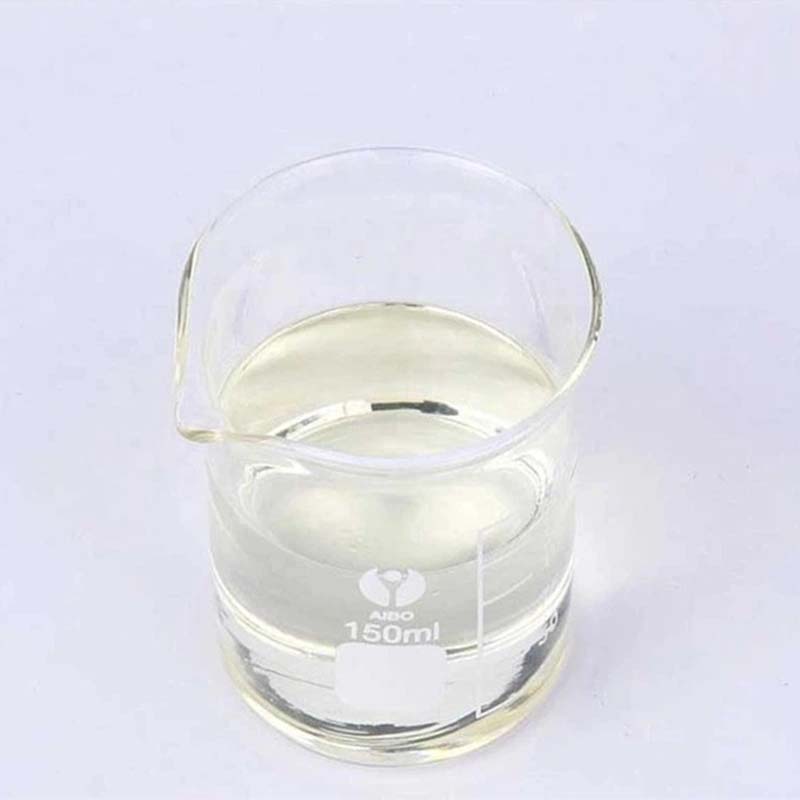
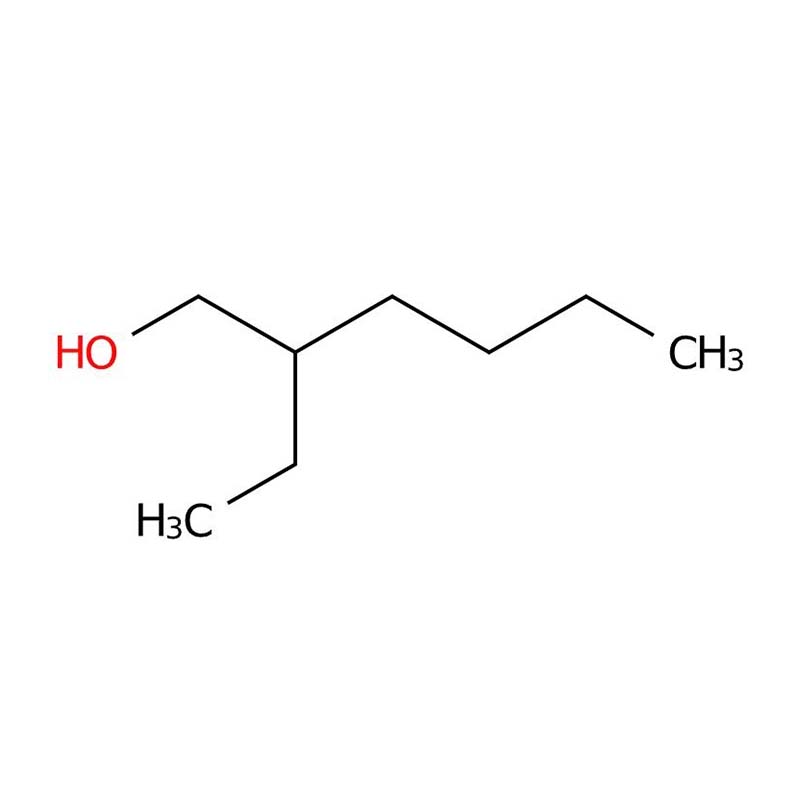
2-Ethylhexanol (2-EH) / Isooctanol CAS No.: 104-76-7
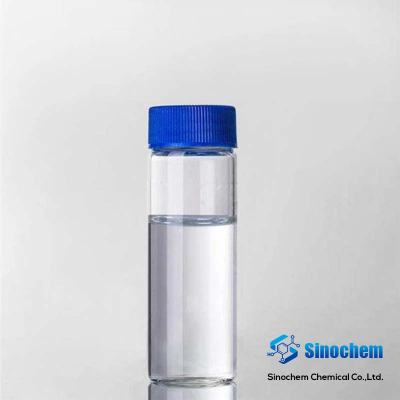
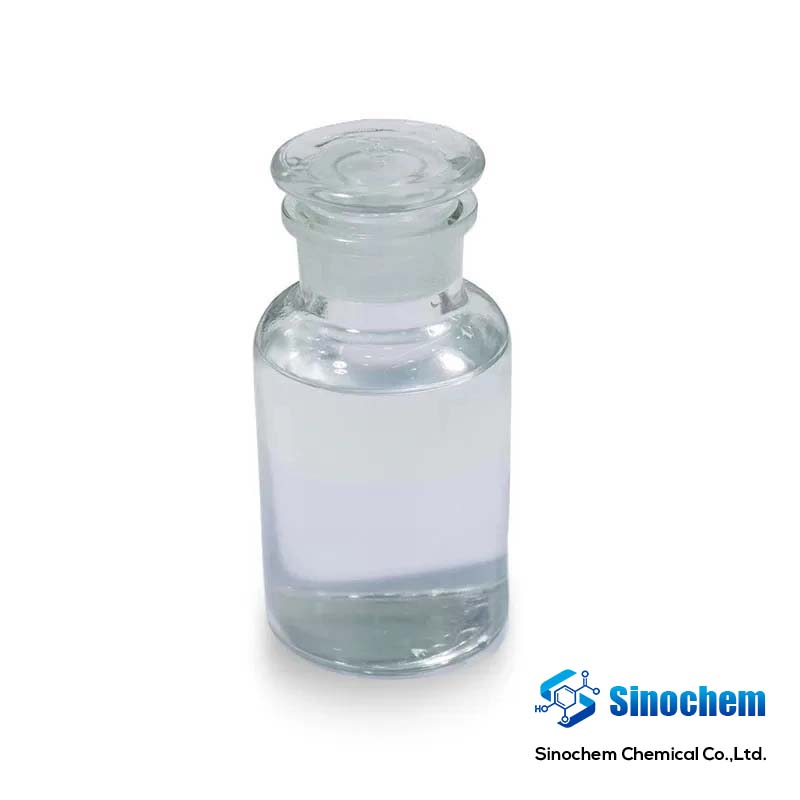
2-Ethylhexanol (2-EH) is a clear, colorless liquid with a characteristic odor, slightly soluble in water but miscible with most organic solvents. It is primarily used as a chemical intermediate for the large-scale production of PVC plasticizers (such as DOP and DOTP) and acrylate monomers for coatings and adhesives. Additionally, due to its low volatility and excellent solvency, it serves as a solvent in coatings, a defoamer agent, and a lubricant additive.
1. Overview
2-Ethylhexanol (2-EH) is an eight-carbon branched-chain alcohol, commonly known as isooctanol. It appears as a clear, colorless liquid with a mild odor. As a critical organic chemical intermediate, it is the primary raw material for the world’s most widely used plasticizers – DOP (Dioctyl Phthalate) and DOTP (Dioctyl Terephthalate) . With low volatility, excellent solubility, and stability, 2-EH plays a central role in the modern petrochemical industry.
2. Key Features
High Purity: Typically ≥99.5%, ensuring high conversion rates and excellent color stability in downstream syntheses.
Low Volatility: Acts as a slow-evaporating solvent, improving flow and gloss in coatings while reducing material loss.
Strong Hydrophobicity: Very low water miscibility (<0.1%), imparting good electrical insulation and water resistance to ester-based products.
High Reactivity: The hydroxyl group readily undergoes esterification and ethoxylation, ideal for plasticizers, acrylates, and lubricants.
Regulatory Compliance: Meets REACH and major global environmental standards; low toxicity.
3. Specifications with Explanation
| Parameter | Typical Value | Explanation |
|---|---|---|
| Assay (Purity) | ≥ 99.5% (GC) | Determines final product quality; higher purity minimizes impurities in plasticizers. |
| APHA Color | ≤ 10 | Lower value means clearer liquid; critical for colorless end products. |
| Water Content | ≤ 0.1% | Excess water interferes with esterification; low moisture is key for reaction efficiency. |
| Acidity | ≤ 0.01% (as Acetic Acid) | Reflects chemical stability; high acidity can corrode equipment. |
| Density | 0.833 – 0.835 g/mL (20°C) | Lighter than water; spills will float. |
| Boiling/Melting Point | 184°C / -76°C | High boiling point allows high-temperature processing; low melting point ensures winter operability. |
| Flash Point | 81°C (Closed Cup) | Combustible but relatively safe at room temperature; store away from open flames. |
4. Applications
Plasticizer Industry (>65% of use) : Key raw material for DOP, DOTP, and other general-purpose plasticizers used in flexible PVC (wires, cables, artificial leather, films, toys).
Acrylate/Methacrylate Esters: Produces 2-ethylhexyl acrylate for pressure-sensitive adhesives (tapes), coatings, and textile treatments.
Coatings & Inks: Acts as a slow-evaporating solvent and leveling aid for baking enamels and printing inks; eliminates brush marks and improves gloss.
Other Uses: Diesel fuel cetane improver (2-ethylhexyl nitrate), mineral flotation agents, textile mercerizing agents, and pesticide/pharmaceutical intermediates.
5. Comparison Table
| Grade | Purity | APHA Color | Typical Packaging | Recommended Use |
|---|---|---|---|---|
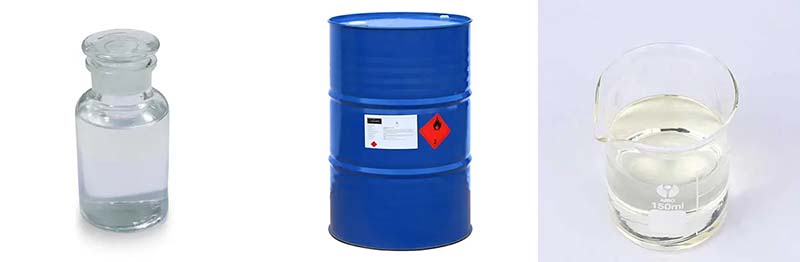
| Standard Industrial | ≥ 99.0% | ≤ 15 | Tanker / 170kg Iron Drum | General PVC plasticizers, industrial solvents, fuel additives. |
| Premium / High-Purity | ≥ 99.5% | ≤ 10 | Clean drum / Isotank | High-end plasticizers (DOTP), specialty acrylates. |
| Pharma/Cosmetic Grade | ≥ 99.8% | ≤ 5 | Stainless steel drum (coated lining) | Drug slow-release carriers, high-end emollient esters, precision electronics cleaning. |
6. Buying Guide
Choose purity by application:
For wire/cable insulation or heat-resistant PVC: Use Premium grade (low moisture, high purity is essential).
For paints or general solvents: Standard Industrial grade offers best cost performance.
Logistics & packaging:
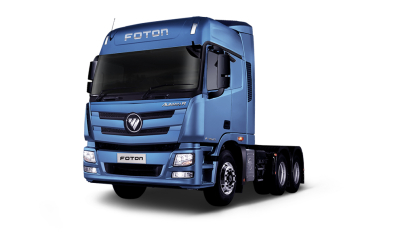
Tanker truck: >20 MT per order, ideal for large plants near production sites.
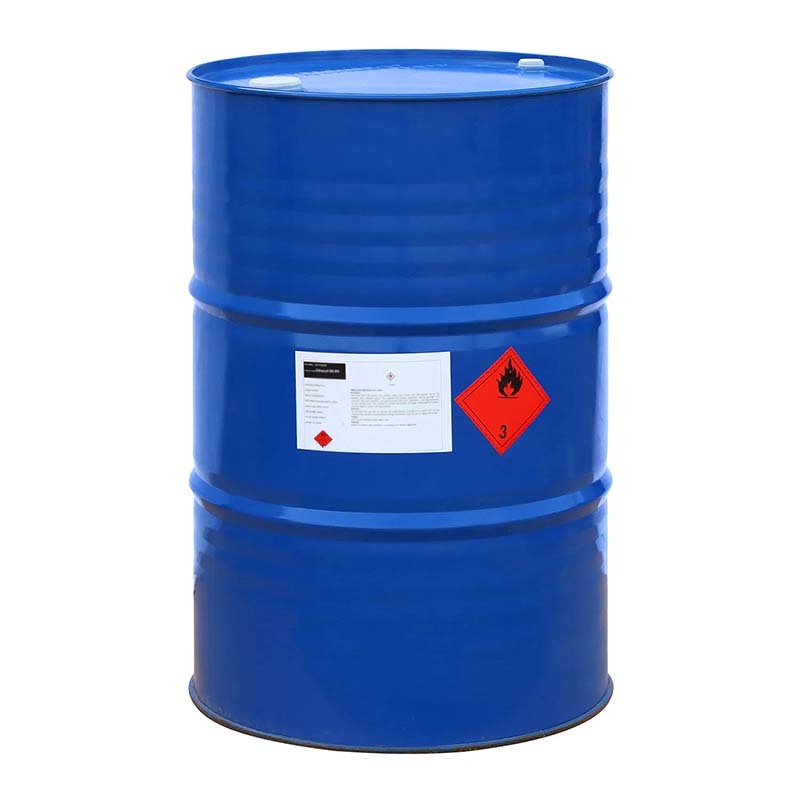
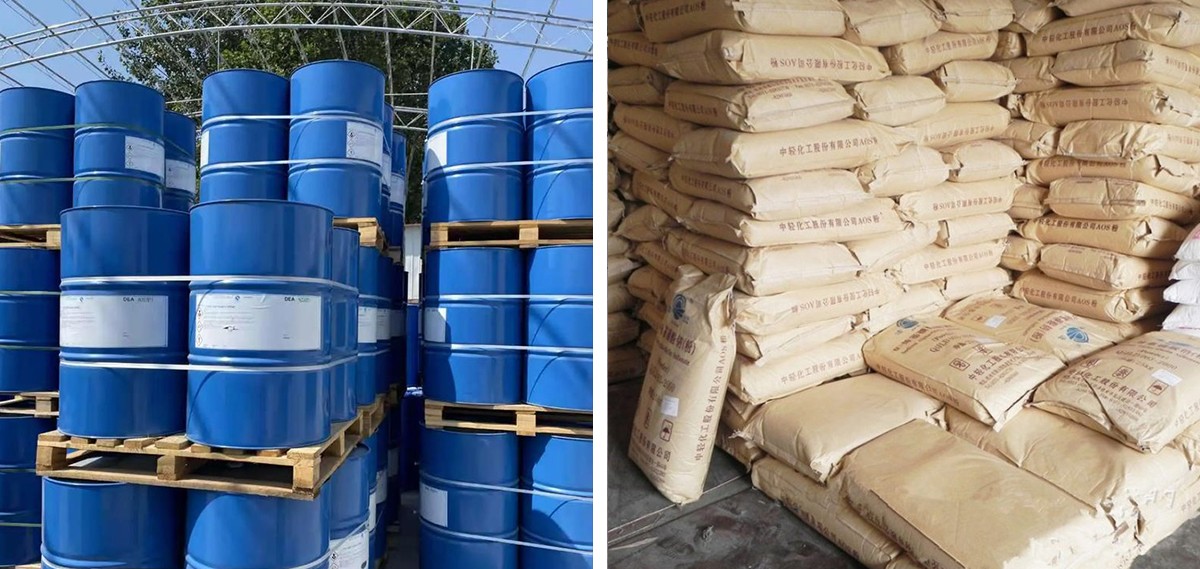
IBC / 170kg drums: For medium/small users; ensure forklift availability. Note: Drums may expand/leak in high summer heat.
Key quality check: Always verify APHA color – it is a direct indicator of virgin vs. recycled material.
7. FAQ
Q: Is 2-Ethylhexanol the same as Octanol?
A: No. Octanol (n-octanol) is linear; 2-EH is branched. 2-EH has a lower freezing point and provides better plasticizing efficiency, making it the industry standard.
Q: Is this product classified as dangerous goods?
A: Yes, Class 3 Flammable Liquid. UN No.: NA1993 / 3082. Store away from ignition sources and oxidizers; use anti-static measures.
Q: What if skin contact occurs?
A: 2-EH is mildly irritating. Wash immediately with plenty of soap and water. Seek medical attention if redness or pain persists.
Q: Do you offer bio-based 2-EH?
A: The mainstream market is still petroleum-based (propylene route). However, some suppliers now offer experimental or commercial bio-based grades (derived from biomass ethanol). Please contact our sales team for details.
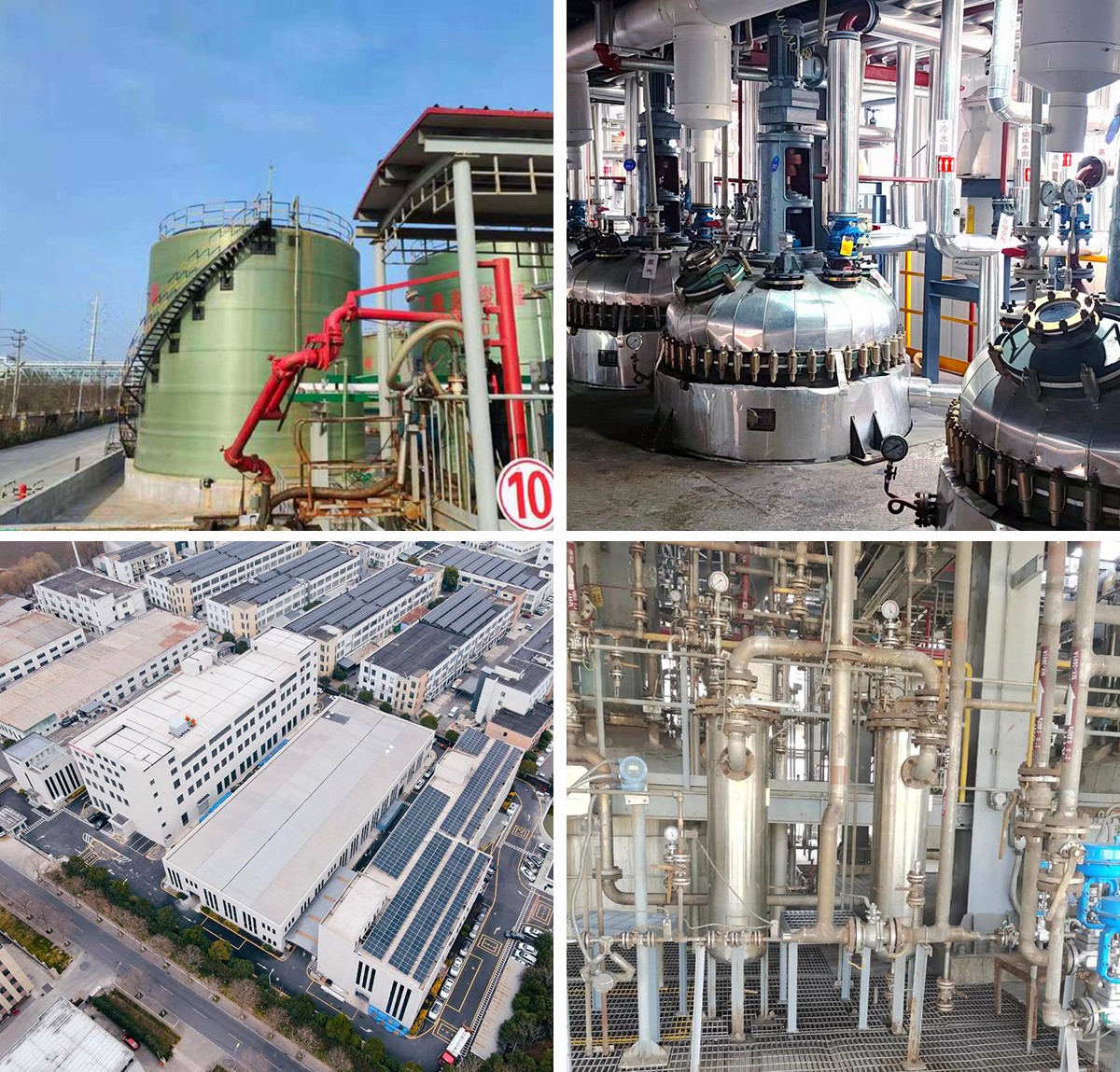
8. Delivery, Certification & Service
Delivery: Stock available in major warehouses (e.g., Zhangjiagang, Ningbo, Huangpu Port). 48-hour rapid dispatch. Door-to-door delivery supported.
Certifications: ISO 9001 certified and REACH pre-registered. COA (Certificate of Analysis) and MSDS available upon request.
Technical Support: Free technical assistance from our after-sales team, including formulation optimization and compatibility test data – help solve issues like separation or precipitation in your production process.