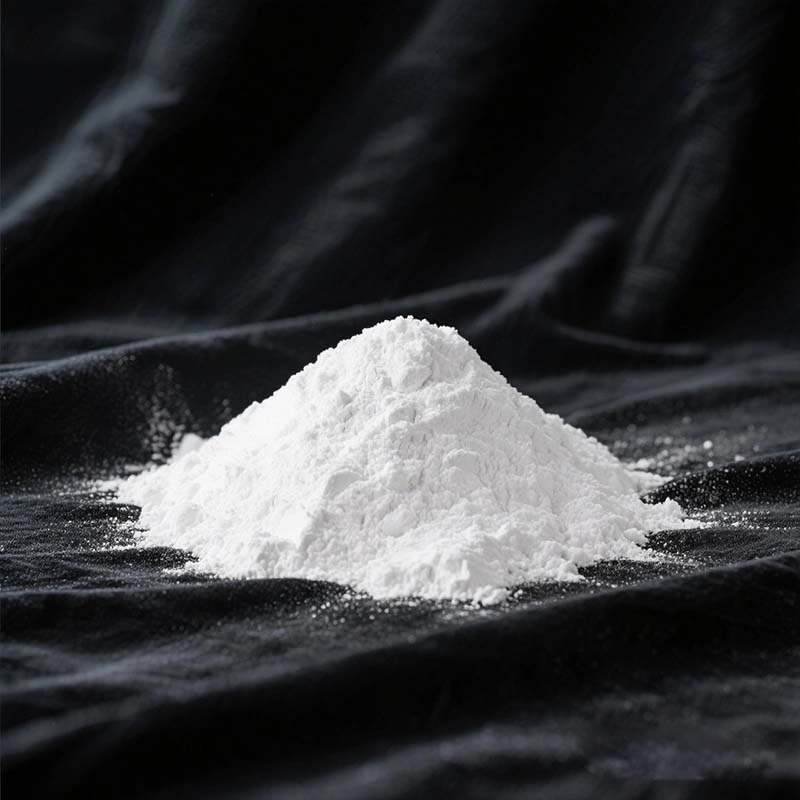
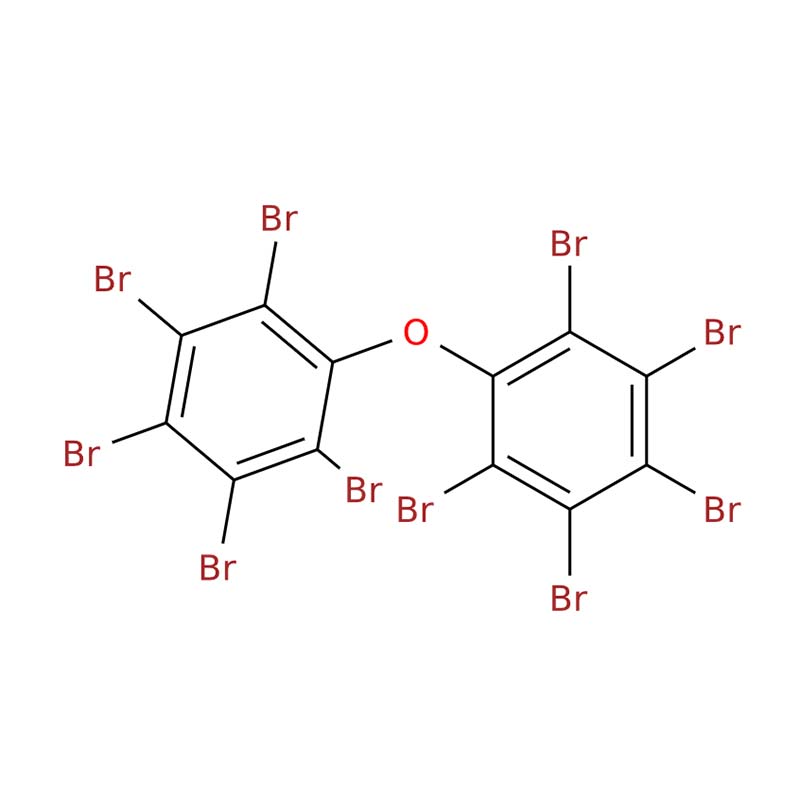
Decabromodiphenyl Oxide (Deca-BDE) CAS No.: 1163-19-5
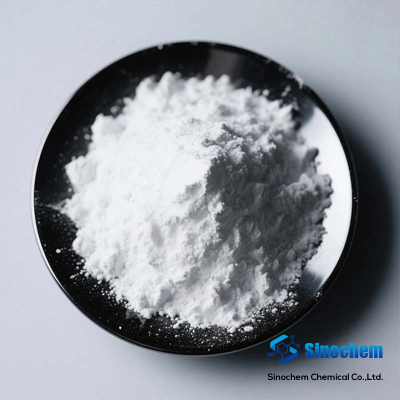
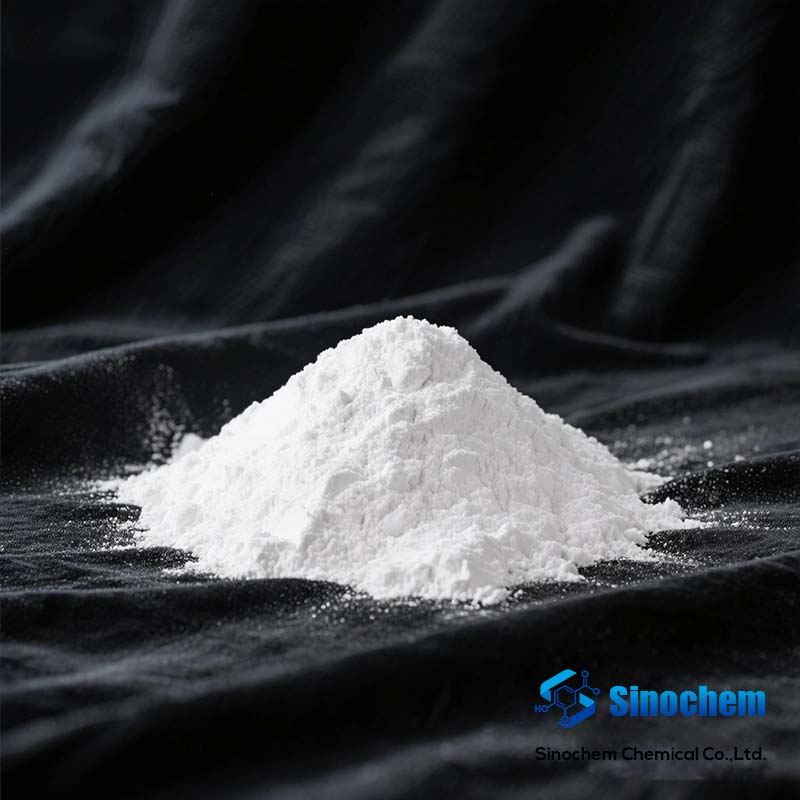
Decabromodiphenyl oxide (DBDPO, decaBDE) is a white powder flame retardant with ~83% bromine content, used additively in high-impact polystyrene (HIPS) for electronics housings, textiles, and wire coatings. Due to environmental persistence and bioaccumulation concerns, its use is now restricted in many regions, and it can release toxic hydrogen bromide fumes upon thermal decomposition.
1. Overview
Deca-BDE is a white to off-white powder that was historically the most widely used brominated flame retardant (BFR), particularly in high-impact polystyrene (HIPS) for electronics enclosures. It contains 83% bromine, providing highly efficient flame retardancy. Due to environmental persistence and toxicity concerns, it is now banned or heavily restricted globally under the Stockholm Convention on Persistent Organic Pollutants (POPs) .
2. Key Features
Very high bromine content (~83%) – high flame retardant efficiency
Thermally stable – withstands high-temperature processing (300–315°C)
Excellent compatibility with HIPS, ABS, PBT, nylon, polyolefins
Good UV stability – minimal yellowing
Cost-effective – lower cost than many alternative FRs
Does not melt – decomposes at ~300°C
3. Key Specifications
| Parameter | Typical Value | Explanation |
|---|---|---|
| Appearance | White to off-white powder | Darkening = impurities/degradation |
| Bromine Content | ≥82 – 83% | Higher Br = less loading needed |
| Melting Point | 290 – 310°C (decomposes) | Decomposes before melting |
| Particle Size (D50) | 3 – 10 µm | Affects dispersion in polymers |
| TGA (1% weight loss) | ≥320°C | Thermal stability indicator |
| Free Bromine | ≤50 ppm | Impurity affecting color stability |
| Moisture Content | ≤0.5% | Low moisture prevents processing issues |
| Specific Gravity | 3.0 – 3.3 g/cm³ | High density affects compounding |
4. Applications (Historical – Now Restricted/Banned)
| Area | Historical Uses |
|---|---|
| Electronics & Electrical | TV housings, computer monitors, connectors (HIPS, ABS, PBT) |
| Textiles | Back-coating for upholstery, drapery (now phased out) |
| Construction | Polyurethane foam insulation (now using alternatives) |
| Transportation | Automotive parts (limited historical use) |
| Adhesives & Coatings | Wire and cable coatings |
Typical Formulations (Historical Reference):
HIPS (UL 94 V-2 or V-0) : 12–15% Deca-BDE + 4–5% Sb₂O₃ synergist
ABS : 15–18% Deca-BDE + 5–6% Sb₂O₃
PBT : 10–12% Deca-BDE + 3–5% Sb₂O₃
5. Grade/Type Comparison
| Grade | Purity | Particle Size | Typical Use (Historical) |
|---|---|---|---|
| Standard Industrial | ≥97% | D50 5–10 µm | General HIPS, ABS, PBT |
| Fine Powder | ≥98% | D50 3–5 µm | Engineering plastics, better dispersion |
| High Purity | ≥99% | D50 5–8 µm | High-performance applications |
6. Buying Guide
Critical Regulatory Check (Before Purchase):
Stockholm Convention – Deca-BDE listed as a POP (restricted globally)
EU – Banned in electronics (RoHS 2019/2021); limited exemptions expired
US – Restrictions under TSCA; several states banned (Maine, Washington, Vermont)
China – Restricted under RoHS-like regulations
Acceptable uses (very limited): Some aviation/aerospace, military, or legacy equipment repair (specific exemptions required)
Alternatives Recommendation:
Environmentally persistent brominated FR → Not recommended; use non-halogen alternatives
HIPS/ABS (UL 94 V-0) → Use decabromodiphenyl ethane (DBDPE) – similar performance, not a POP
PBT/nylon → Use brominated polystyrene (BPS) or aluminum diethylphosphinate
Polyolefins → Use magnesium hydroxide or ATH (non-halogen)
Deca-BDE is NOT recommended for new formulations. Use these alternatives instead:
Storage & Handling:
Store in a cool, dry, well-ventilated area (avoid >50°C)
Keep containers tightly sealed – hygroscopic
Avoid dust generation (respiratory hazard)
Shelf life: 24+ months
Safety:
Toxic to aquatic life – H410 (Very toxic to aquatic life with long-lasting effects)
Use PPE (dust mask, gloves, goggles) – avoid inhalation
7. FAQ
Q: Is Deca-BDE still available for purchase?
A: Yes, but with restrictions. It is still produced for exempted uses (e.g., aviation, military) and for research/analytical reference. Most commercial applications are banned. Verify your local regulations before ordering.
Q: Why is Deca-BDE banned?
A: It is a Persistent Organic Pollutant (POP) – does not degrade in the environment, travels long distances, accumulates in wildlife and humans, and is toxic to reproduction and development .
8. Delivery & Service
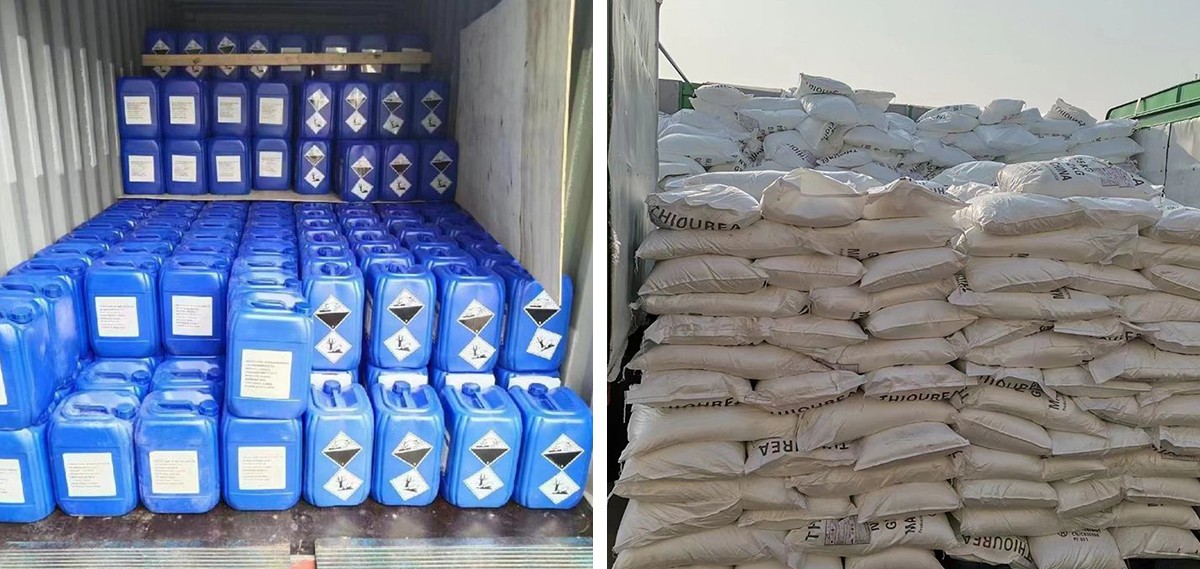
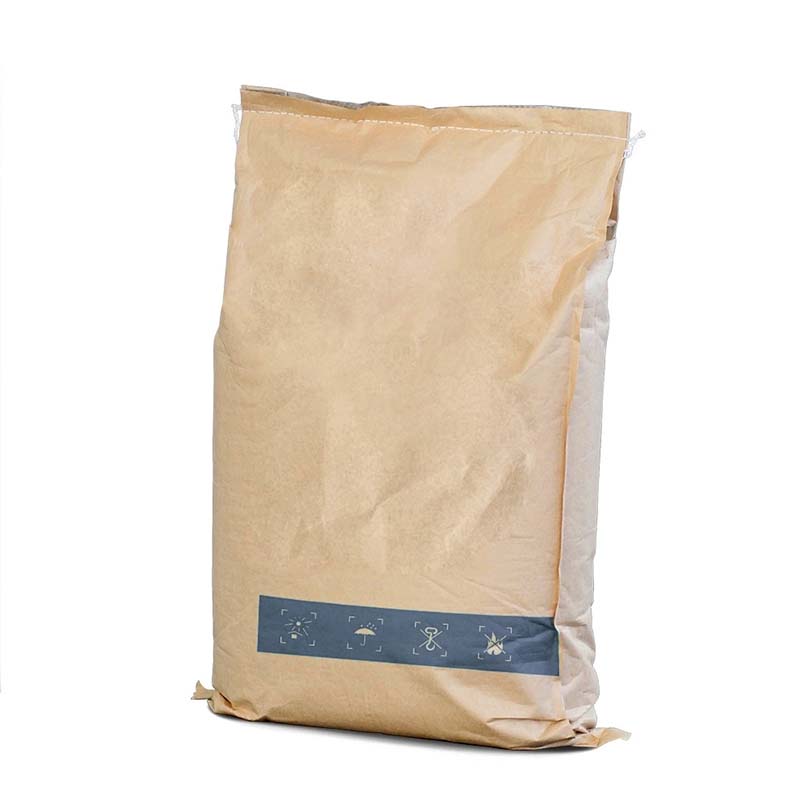
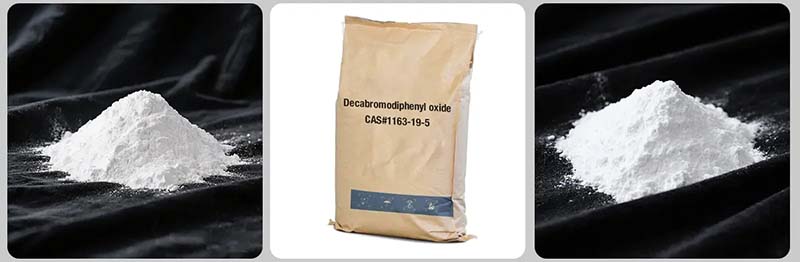
Packaging: 25kg bag (multi-wall paper with PE liner), 500kg bulk bag
Lead time: Stock: 5–10 days (subject to export restrictions)
Documentation: CoA (bromine content, particle size, purity), MSDS, TDS
Certifications: ISO 9001 (varies by supplier)
Restricted Shipping: UN3077 (Environmentally hazardous substance, solid, n.o.s.), Class 9. Requires hazardous documentation. Many freight carriers may refuse.