Glycidyl Methacrylate (GMA) CAS: 106-91-2
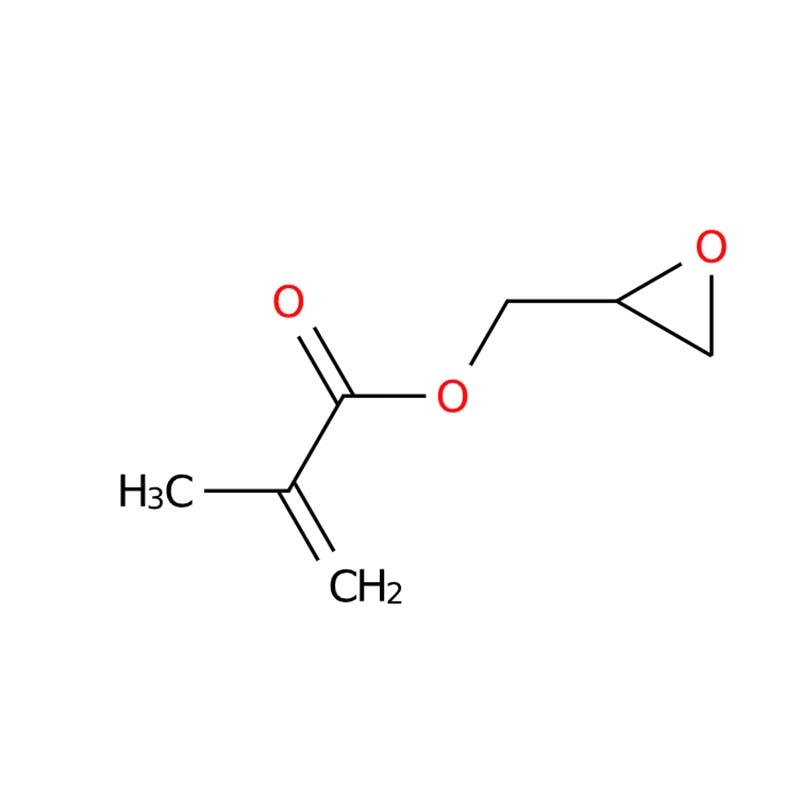
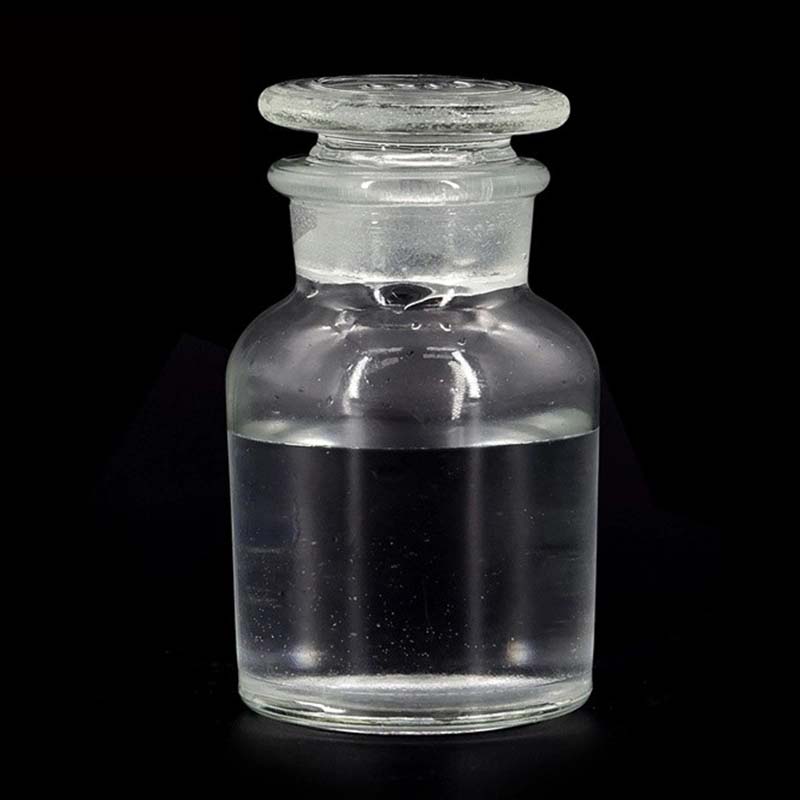
Glycidyl methacrylate (GMA, CAS 106-91-2) is a colorless liquid with a fruity odor, characterized by its bifunctional structure containing both a reactive epoxide ring and a polymerizable methacrylate double bond . This dual functionality makes it a highly versatile monomer used primarily as a crosslinking agent and adhesion promoter in the production of durable epoxy and acrylic resins . Key applications span powder and industrial coatings, adhesives, and dental composite materials, where it enhances mechanical strength and substrate adhesion . The compound is slightly soluble in water, miscible with most organic solvents, and typically stabilized with an inhibitor (e.g., MEHQ) to prevent premature polymerization during storage .
1. Overview
GMA is a colorless liquid monomer containing both an epoxy group and a methacrylate group. This dual functionality makes it highly valuable as a reactive intermediate for polymer modification, crosslinking, and adhesion promotion.
2. Key Features
Dual reactivity – epoxy ring opens with acids/amines; methacrylate double bond undergoes free-radical polymerization
Excellent adhesion promoter – improves bonding to metals, glass, and fillers
Crosslinking agent – introduces reactive sites for post-polymerization crosslinking
Low viscosity – easy to handle and blend
High purity grades available (≥97% – ≥99.5%)
3. Key Specifications
| Parameter | Typical Value | Explanation |
|---|---|---|
| Appearance | Colorless liquid | Darkening indicates degradation |
| Assay (Purity) | ≥97% – ≥99.5% | Higher purity for consistent polymerization |
| Epoxy Value | ≥0.5 – 0.65 eq/100g | Measures epoxy group content |
| Water Content | ≤0.1% – ≤0.5% | Low moisture critical for epoxy reactions |
| Inhibitor (MEHQ) | 50 – 200 ppm | Prevents premature polymerization during storage |
| Density (25°C) | 1.04 – 1.07 g/mL | Affects volume-based dosing |
| Viscosity (25°C) | 2 – 5 cP | Very low, easy to pump and mix |
| Refractive Index (n²⁵/D) | 1.448 – 1.452 | Quality indicator |
4. Applications
| Area | Uses |
|---|---|
| Coatings | High-durability automotive and industrial coatings; UV-curable systems |
| Adhesives | Structural adhesives; improves adhesion to difficult substrates |
| Plastic & Rubber Modification | Grafting onto polyolefins (compatibilizers); impact modifier for engineering plastics |
| Composites | Coupling agent for glass fiber and carbon fiber reinforced polymers |
| Powder Coatings | Acrylic powder coatings with GMA provide weatherability and chemical resistance |
| Medical & Dental | Dental adhesives; biomedical hydrogels |
| Electronics | Encapsulants, photoresists, and solder masks |
5. Grade Comparison
| Grade | Purity | Inhibitor | Typical Use |
|---|---|---|---|
| Standard Industrial | ≥97% | 100–200 ppm MEHQ | General polymer modification, coatings |
| High Purity | ≥99% | 50–100 ppm MEHQ | Adhesives, medical devices |
| Stabilized | ≥97% | 200–300 ppm MEHQ | Long-term storage, bulk transport |
6. Buying Guide
Select by application:
Coatings/adhesives → Standard grade (≥97%) sufficient
Medical/dental → High purity (≥99%) with low inhibitor
Long-term storage → Stabilized grade with higher inhibitor
Storage & Handling:
Store at 2–8°C (refrigeration required) – polymerizes at room temperature over time
Keep container tightly sealed – moisture sensitive
Avoid light and heat
Shelf life: 6–12 months refrigerated
Toxic – GHS: H302 (harmful), H315 (skin irritation), H317 (allergic), H335 (respiratory)
Quality checks:
Request CoA for purity, epoxy value, water content, inhibitor level
Check inhibitor level – too low risks premature polymerization; too high may affect cure
7. FAQ
Q: Why does GMA need to be refrigerated?
A: GMA polymerizes spontaneously at room temperature. Refrigeration (2–8°C) slows polymerization. Inhibitor (MEHQ) further stabilizes. Do not freeze.
Q: What is the shelf life of GMA?
A: 6–12 months when stored refrigerated (2–8°C) in original sealed container. Unrefrigerated shelf life is weeks to months.
Q: How is GMA different from GMA-based resins?
A: GMA monomer is the pure, reactive liquid. GMA resin is a polymer (e.g., poly-GMA) or copolymer. Monomer is used for grafting; resin for final properties.
Q: Is GMA hazardous to handle?
A: Yes. GHS: H302 (harmful if swallowed), H315 (skin irritation), H317 (may cause allergic skin reaction), H335 (respiratory irritation). Use PPE (gloves, goggles, fume hood).
Q: How does GMA improve adhesion?
A: The epoxy group reacts with surface hydroxyls (-OH) on metals, glass, and fillers, forming strong covalent bonds. The methacrylate group polymerizes with the matrix resin, creating a chemical bridge.
Q: Can GMA be used in water-based systems?
A: GMA is hydrophobic and not water-soluble. It requires organic solvents or emulsification for waterborne applications.
Q: What happens if GMA freezes?
A: Freezing may cause cracking and air introduction, but product quality is typically unaffected if thawed gently. Avoid repeated freeze-thaw cycles.
8. Delivery & Service
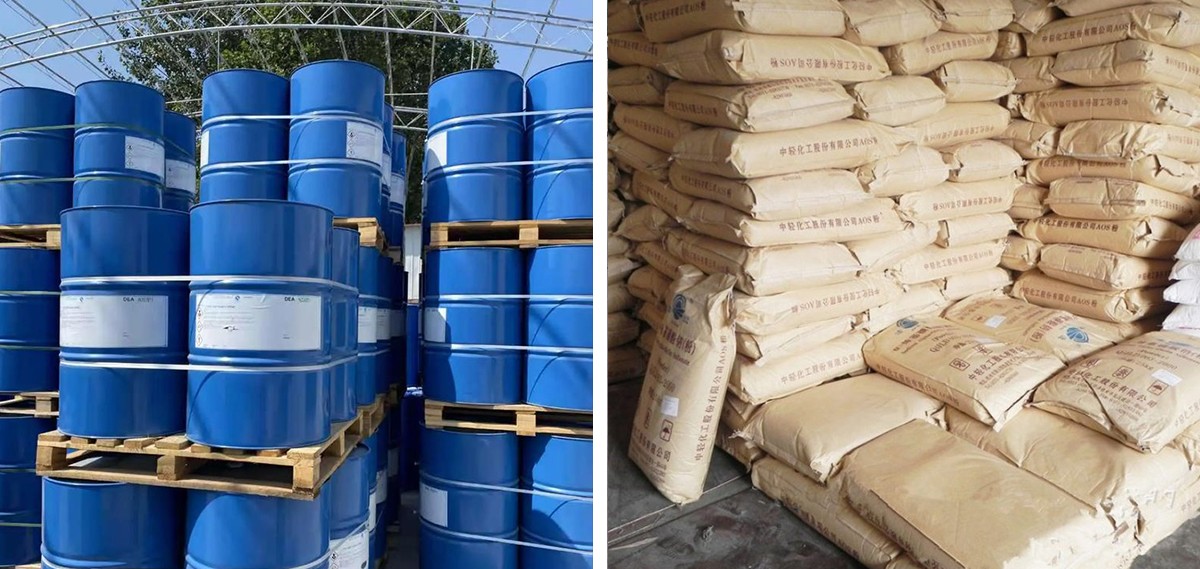
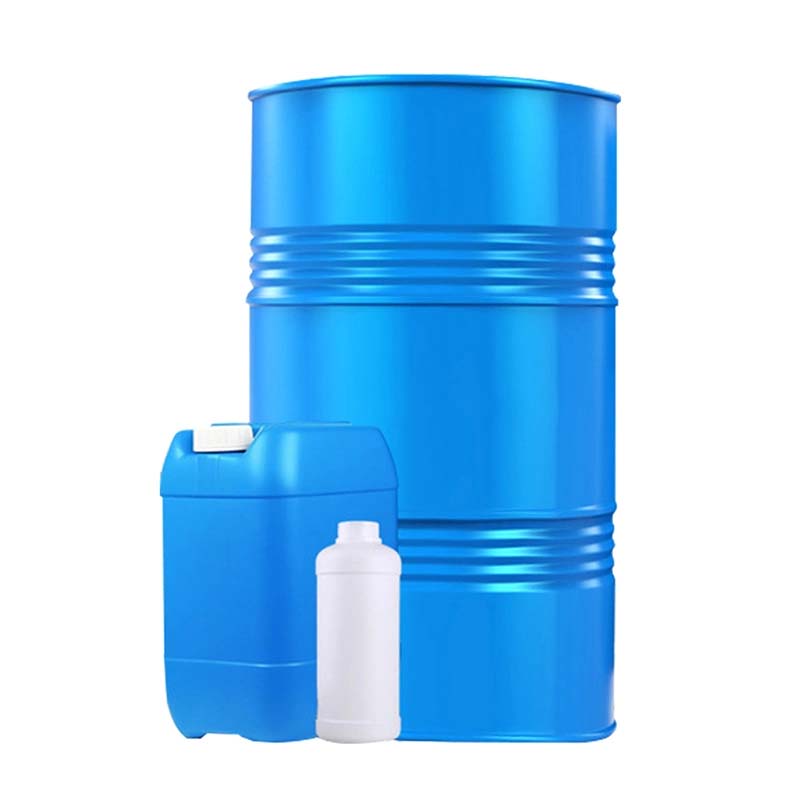
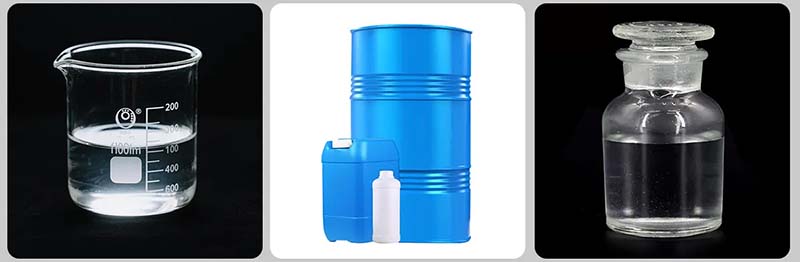
Packaging: 25kg HDPE drum, 200kg steel drum, 1000kg IBC
Lead time: Stock: 3–7 days; bulk: 2–4 weeks
Documentation: CoA (purity, epoxy value, water, inhibitor), MSDS, TDS
Certifications: ISO 9001 (varies by supplier)
Shipping: Class 3 flammable liquid (UN 2810); requires hazardous documentation. Ship refrigerated or insulated.