
Lysozyme CAS No.: 12650-88-3 (egg white)
Lysozyme is an antibacterial enzyme that hydrolyzes peptidoglycan in bacterial cell walls, causing cell lysis primarily in Gram-positive bacteria. Naturally found in egg white, tears, and saliva, it serves as a mild preservative in food and wine, and as a laboratory reagent for gentle cell disruption in DNA and protein extraction.
1. Overview
Lysozyme is a naturally occurring enzyme that hydrolyzes the β-1,4 glycosidic bonds in bacterial cell wall peptidoglycan, causing cell lysis . It is widely distributed in nature—found in human tears, saliva, milk, and egg whites . As a safe, natural antimicrobial agent, it is extensively used in food preservation, pharmaceuticals, and biotechnology .
2. Key Features
Natural Antibacterial – Specifically effective against Gram-positive bacteria
High Safety Profile – Non-toxic; naturally present in human body fluids
Thermal & pH Stability – Stable under acidic conditions and moderate heat
Enzymatic Activity – Activity range: 20,000 – 50,000+ FIP U/mg
Versatile Applications – Food, medicine, cosmetics, molecular biology
3. Key Specifications
| Parameter | Typical Value | Explanation |
|---|---|---|
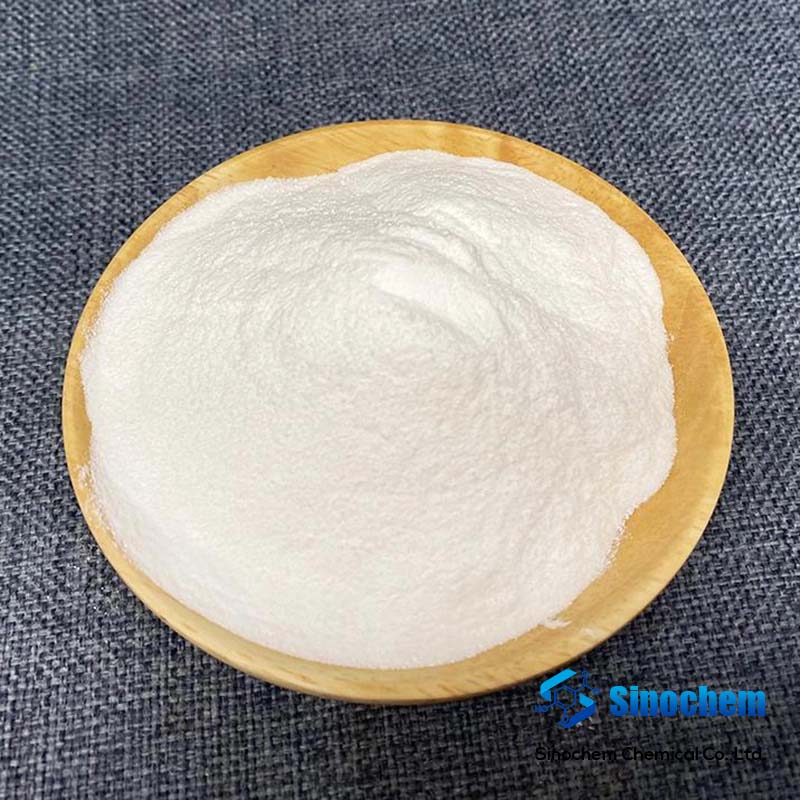
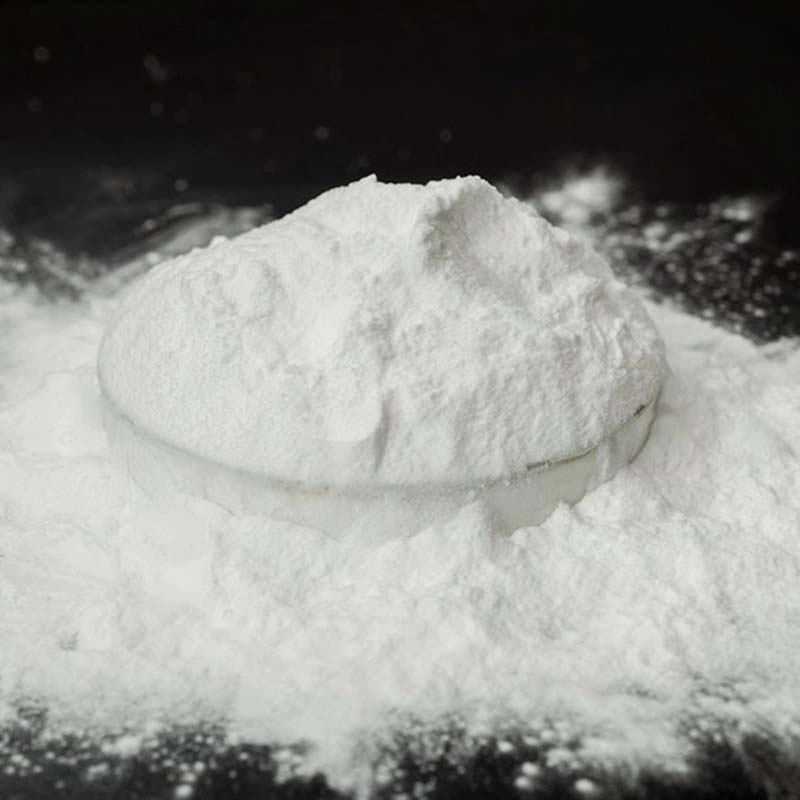
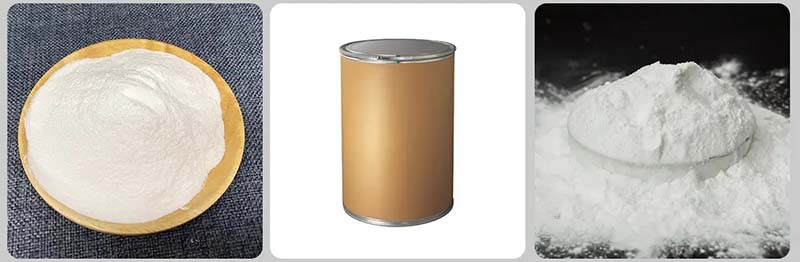
| Appearance | White to off-white powder | Higher purity yields whiter powder |
| Purity | ≥90% – ≥99% | Higher purity for pharma/analytical use |
| Enzyme Activity | 20,000 – 50,000+ FIP U/mg | Core quality indicator |
| Molecular Weight | ~14.3 – 14.7 kDa | Confirms enzyme identity |
| pH Optimum | 6.0 – 7.0 | Max activity range |
| Isoelectric Point (pI) | ~10.8 – 11.0 | Highly basic protein |
| Solubility | Soluble in water | Insoluble in organic solvents |
| Moisture | ≤5% – 8% | Low moisture ensures stability |
4. Applications
| Area | Specific Uses |
|---|---|
| Food Industry | Natural preservative for cheese, sake, seafood, meat, and powdered milk |
| Pharmaceuticals | Anti-inflammatory; treats oral ulcers, rhinitis, and viral infections; enhances antibiotic efficacy |
| Cosmetics & Daily Chemicals | Preservative in masks, skincare, toothpaste (promotes gum health) |
| Biotechnology & Research | Bacterial lysis for DNA/RNA extraction; tool enzyme for protoplast preparation |
| Infant Formula | Added to mimic breast milk’s antimicrobial properties |
5. Grade Comparison
| Grade | Activity | Purity | Typical Use |
|---|---|---|---|
| Food Grade | ≥20,000 U/mg | ≥90% | Food preservation, dairy, beverages |
| Pharma Grade | ≥30,000 U/mg | ≥95% | Tablets, capsules, throat sprays |
| Molecular Biology Grade | ≥40,000 – 50,000 U/mg | ≥98% | DNA/RNA extraction, cell lysis |
| Recombinant (Animal-Free) | ≥40,000 U/mg | ≥90% | Research, avoiding animal-source contaminants |
6. Buying Guide
Select by application:
Food preservation → Food grade, ≥20,000 U/mg
Pharmaceutical formulations → Pharma grade, high purity
Molecular biology → High activity (≥40,000 U/mg), molecular biology grade
Animal-free research → Recombinant lysozyme (plant expression)
Key quality parameters:
Enzyme activity – Higher is better; verify FIP or USP units
Purity (HPLC/SDS-PAGE) – ≥90% for general use; ≥98% for sensitive applications
Heavy metals – Must meet USP/EP limits for pharma use
Microbial limits – Critical for food/pharma applications
Storage & handling:
Store at -20°C for long-term stability
Brief storage at 2–8°C acceptable for 3–6 months (reconstituted)
Hygroscopic – keep tightly sealed
Avoid repeated freeze-thaw cycles
Shelf life: 12–24 months when stored properly
Working solution preparation:
Dissolve in 10 mM Tris (pH 8.0) or PBS at 5–10 mg/mL
Filter sterilize (0.22 μm) for cell culture applications
Prepare fresh for best results
7. FAQ
Q: How does lysozyme kill bacteria?
A: It hydrolyzes the β-1,4 glycosidic bonds between N-acetylmuramic acid (NAM) and N-acetylglucosamine (NAG) in bacterial peptidoglycan, causing cell wall rupture . It is most effective against Gram-positive bacteria, which have exposed peptidoglycan layers .
Q: Is lysozyme safe for human consumption?
A: Yes. Lysozyme is naturally present in human tears, saliva, and breast milk . It is FDA-approved as a food preservative and is generally recognized as safe (GRAS) for food applications .
Q: What is the difference between egg white and recombinant lysozyme?
A: Egg white lysozyme – Traditional source, lower cost, but contains potential animal allergens. Recombinant lysozyme – Produced in plants or microbes, animal-free, higher batch-to-batch consistency, preferred for research and sensitive applications .
8. Delivery & Service
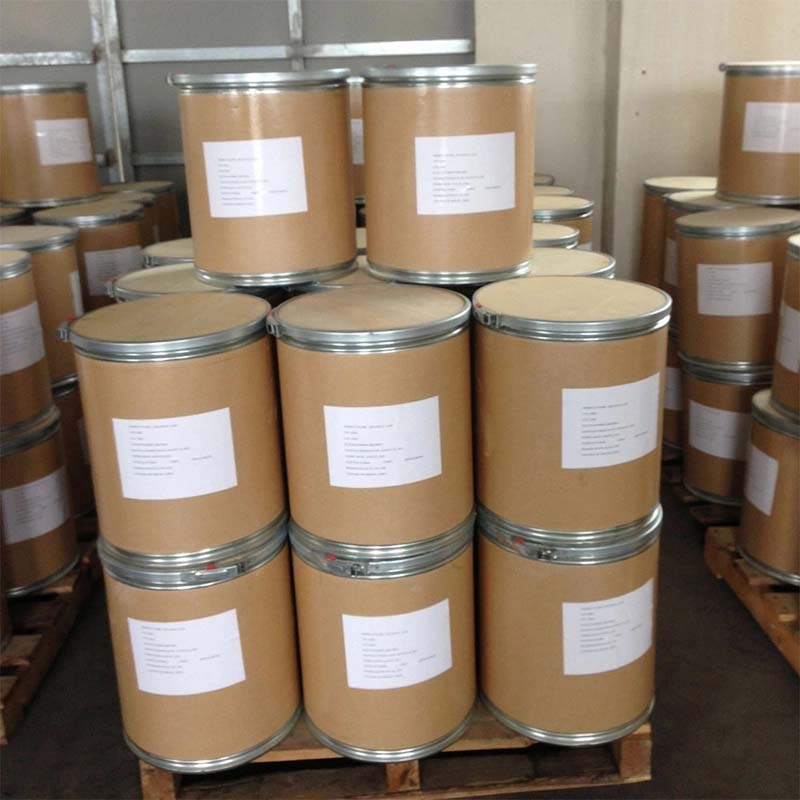
Packaging: 1g, 5g, 10g, 25g, 100g, 1kg; bulk drums (25kg)
Lead time: Stock: 3–7 days; bulk orders: 2–4 weeks
Documentation: CoA (activity, purity, moisture, heavy metals), MSDS, TDS
Certifications: ISO 9001; Food grade: ISO 22000; Kosher/Halal available (varies by supplier)
Shipping: Ambient temperature for lyophilized powder (stable). For liquid solutions, ship with cold packs.