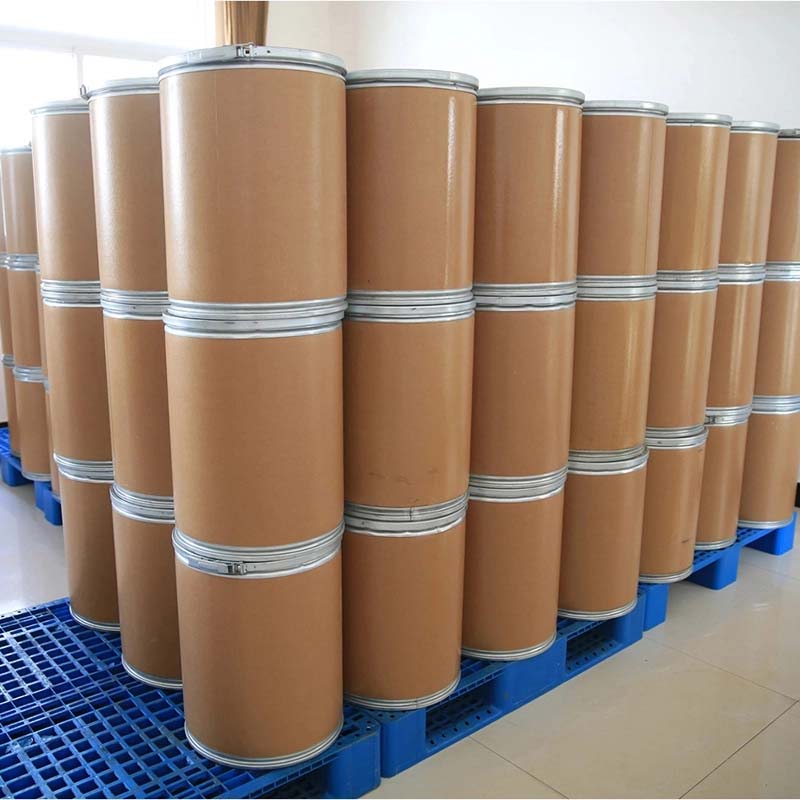
Poly(ethylene terephthalate) (PET) CAS No.: 25038-59-9
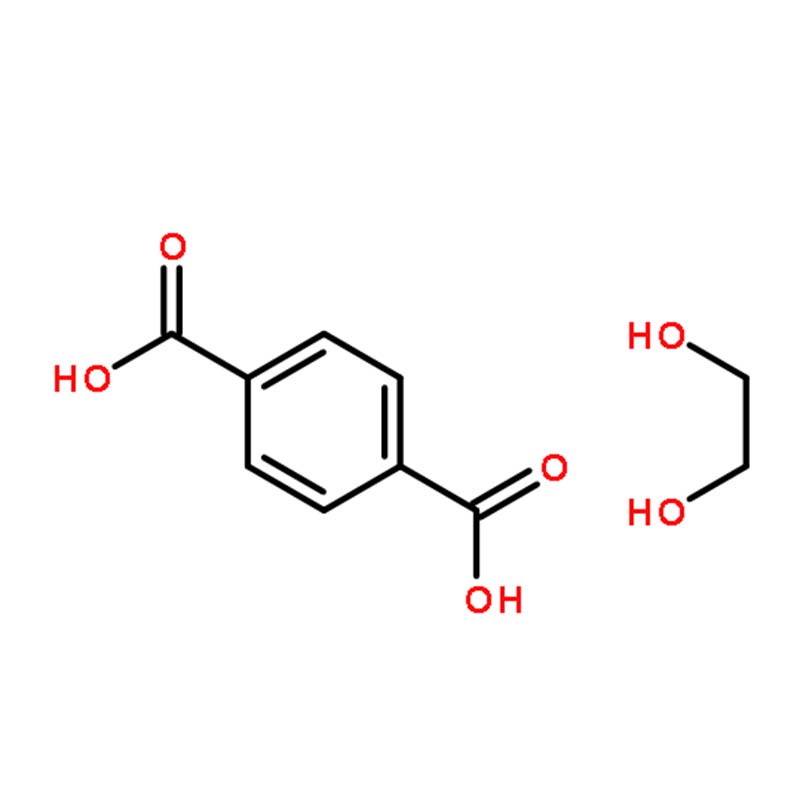
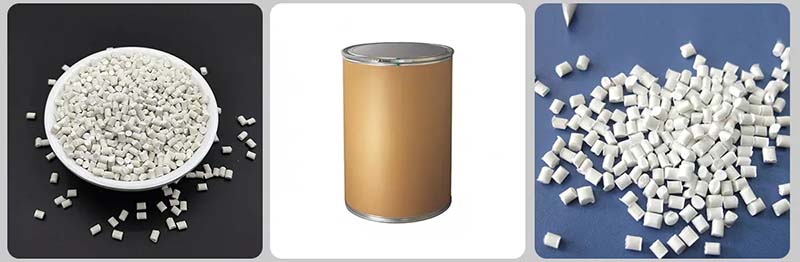
Poly(ethylene terephthalate) (PET) is a thermoplastic polyester synthesized from ethylene glycol and terephthalic acid, characterized by repeating units containing a rigid aromatic ring. Its slow crystallization allows production as either transparent amorphous materials or tough semicrystalline fibers and bottles, with widespread use in textiles, packaging films, and recyclable beverage containers.
1. Overview
PET is the most common thermoplastic polyester resin, produced by the polycondensation of terephthalic acid and ethylene glycol . It is a macromolecule (a very large polymer chain) with annual global production exceeding 30 million tonnes . PET is widely used in fibers (polyester), bottles, and packaging films .
2. Key Features
Excellent Mechanical Strength – High tensile strength and impact resistance
Good Gas/Moisture Barrier – Ideal for carbonated beverage bottles
High Transparency (amorphous) – Glass-like clarity for packaging
Chemical Resistance – Resists oils, dilute acids, and most solvents
Recyclable – Recycling symbol #1; widely recycled globally
Non-Toxic – Safe for food contact applications
3. Key Specifications
| Parameter | Typical Value | Explanation |
|---|---|---|
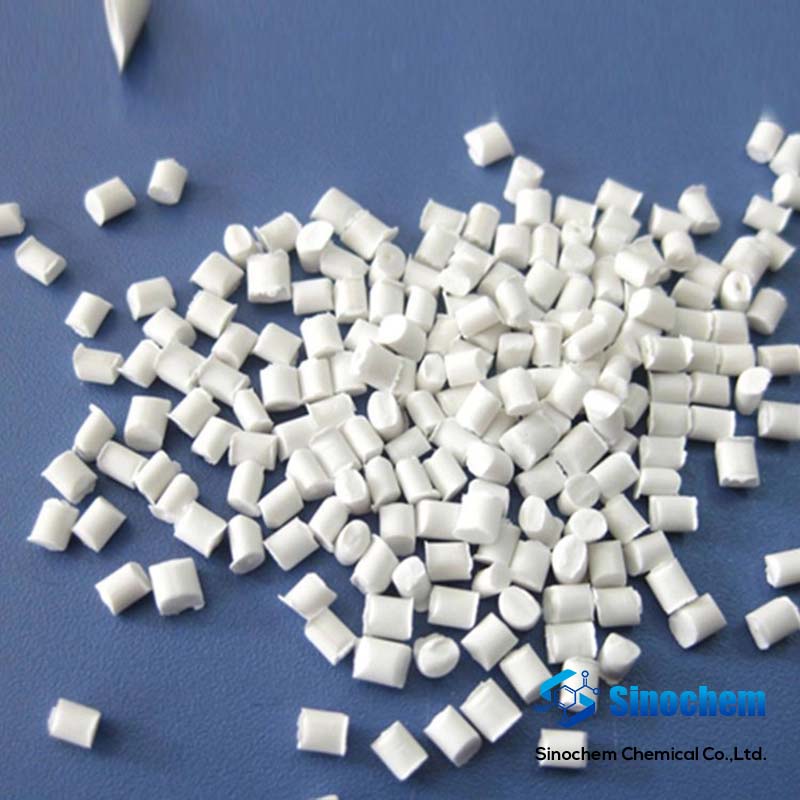
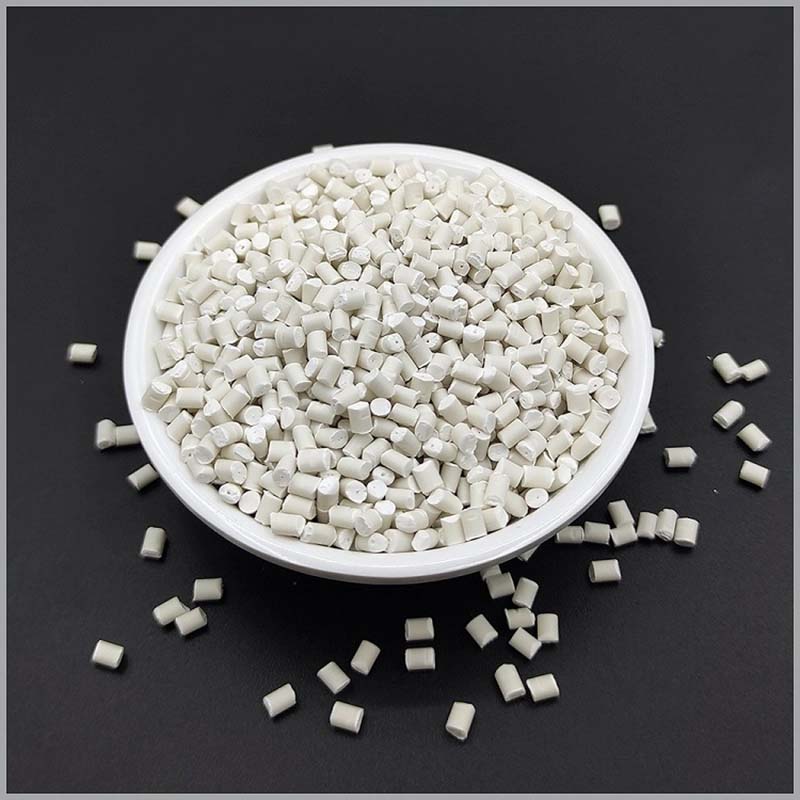
| Appearance | Colorless transparent (amorphous) or opaque white (semi-crystalline) solid | Depends on processing conditions |
| Melting Point (Tm) | 250 – 260 °C | Crystalline structure breaks down |
| Glass Transition (Tg) | 67 – 81 °C | Becomes soft/rubbery above this temperature |
| Density | 1.38 – 1.46 g/cm³ | Amorphous vs. crystalline forms vary |
| Tensile Strength | 55 – 75 MPa | High strength for a thermoplastic |
| Young's Modulus | 2800 – 3100 MPa | Stiffness measure |
| Water Absorption | ~0.16% (ASTM) | Low moisture absorption |
| Intrinsic Viscosity (IV) | 0.6 – 1.0 dL/g (varies by grade) | Higher IV = higher molecular weight, better properties |
4. Applications
| Application Area | Specific Uses | % of Global Production |
|---|---|---|
| Fibers & Textiles | Clothing, sportswear, upholstery, carpets ("polyester") | ~60% |
| Bottles & Packaging | Water/soda bottles, food containers, cosmetic jars | ~30% |
| Films | Magnetic tape, photographic film, Mylar, insulation, packaging | ~5-10% |
| Engineering Plastics | Automotive parts, electrical components (often glass-filled) | Small % |
| Thermoforming | Blister packs, food trays (CPET for frozen/oven-safe) | Growing |
5. Grade Comparison
| Grade | Intrinsic Viscosity (IV) | Key Properties | Typical Application |
|---|---|---|---|
| Fiber Grade | 0.60 – 0.68 | Good spinnability, high strength | Textile fibers, non-wovens |
| Film Grade | 0.62 – 0.70 | High clarity, good flatness | Packaging films, magnetic tape |
| Bottle Grade | 0.72 – 0.84 | High strength, good barrier | Water/soda bottles |
| Engineering/Industrial Grade | 0.85 – 1.00+ | Very high strength, often reinforced | Automotive, industrial parts |
Physical Forms:
| Form | Description | Best For |
|---|---|---|
| Amorphous PET (APET) | Transparent, less crystalline | Clear bottles, sheets, thermoforming |
| Crystalline PET (CPET) | Opaque/white, heat-resistant | Oven-safe trays, industrial parts |
| Biaxially Oriented PET (BOPET) | Stretched in two directions, very strong | Film applications (Mylar) |
6. Buying Guide
Select by application:
Textile fibers → Fiber grade (IV 0.60–0.68)
Bottles (water/carbonated drinks) → Bottle grade (IV 0.72–0.84, high barrier)
Packaging films → Film grade (IV 0.62–0.70, high clarity)
Engineering parts → Engineering grade (IV >0.85, often glass-filled)
Key quality parameters to verify:
Intrinsic Viscosity (IV) – Primary measure of molecular weight; higher IV = stronger, tougher
Acetaldehyde content – Critical for bottle grade (affects taste)
Color (L, b values) – Whiteness/yellowness indicator
Moisture content – Must be <0.02% before processing to prevent hydrolysis
Processing considerations:
Must be thoroughly dried before melt processing – Moisture causes severe degradation (IV drop)
Typical drying: 160–180°C for 4–6 hours, dew point <-40°C
Processing temperature: 260–280°C (melt)
Storage:
Store in dry conditions (hygroscopic)
Keep in original sealed packaging until use
Shelf life: 12–24 months when stored properly
7. FAQ
Q: What is the difference between PET and polyester?
A: Same material. "Polyester" is the common name in the textile industry. "PET" is used for bottles and packaging. Chemically identical .
Q: Is PET safe for food/water contact?
A: Yes. PET is FDA-approved and widely used for food and beverage packaging. It is non-toxic and does not leach harmful chemicals under normal use .
Q: Can PET be recycled?
A: Yes. PET is highly recyclable (recycling code #1). Recycled PET (rPET) is used for fibers, new bottles, and packaging. However, repeated recycling can lower molecular weight .
8. Delivery & Service
Packaging:
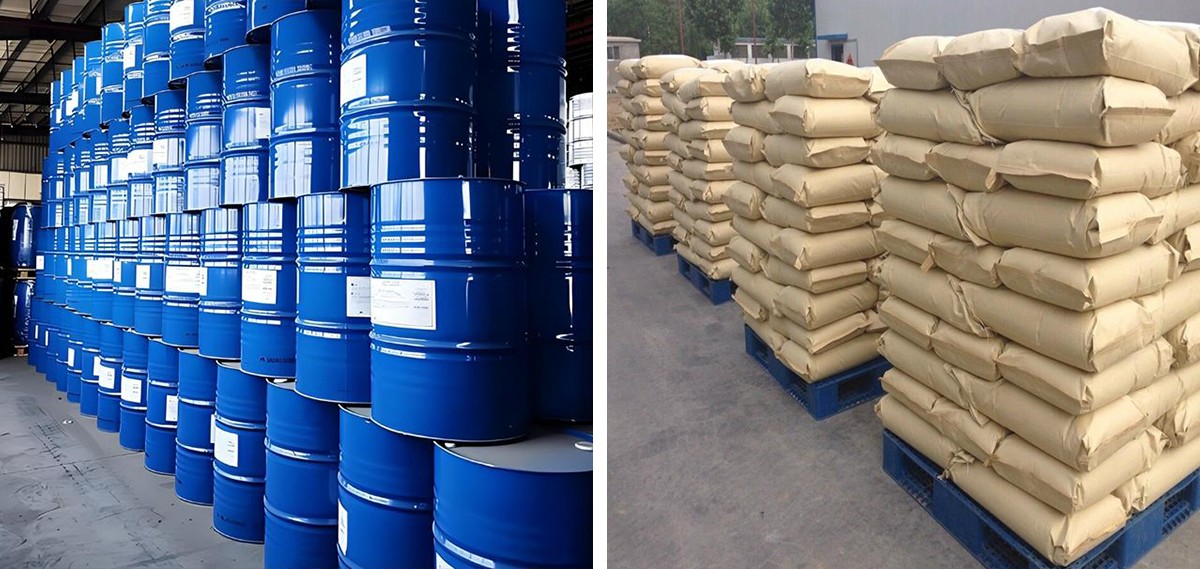
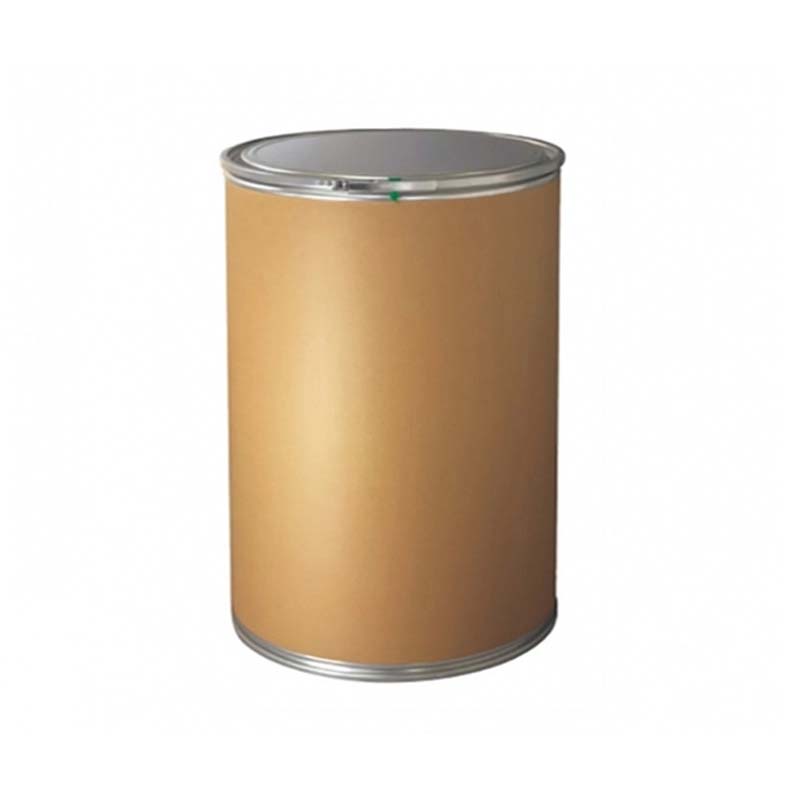
Chips/Pellets: 25kg bags, 500-1200kg bulk bags, 1000kg octabins, or pneumatic tanker trucks
Sheet/Film: Rolls on cores, wrapped in protective film
Preforms: Boxed or bagged, typically 1000-5000 per box
Lead time: Stock items: 3–7 days; bulk orders: 2–4 weeks
Documentation: CoA (IV, color, moisture, acetaldehyde for bottle grade), MSDS, TDS
Certifications: ISO 9001; Food contact grades: FDA, EU 10/2011 compliance
Shipping: Not classified as dangerous goods. Protect from moisture during transport.