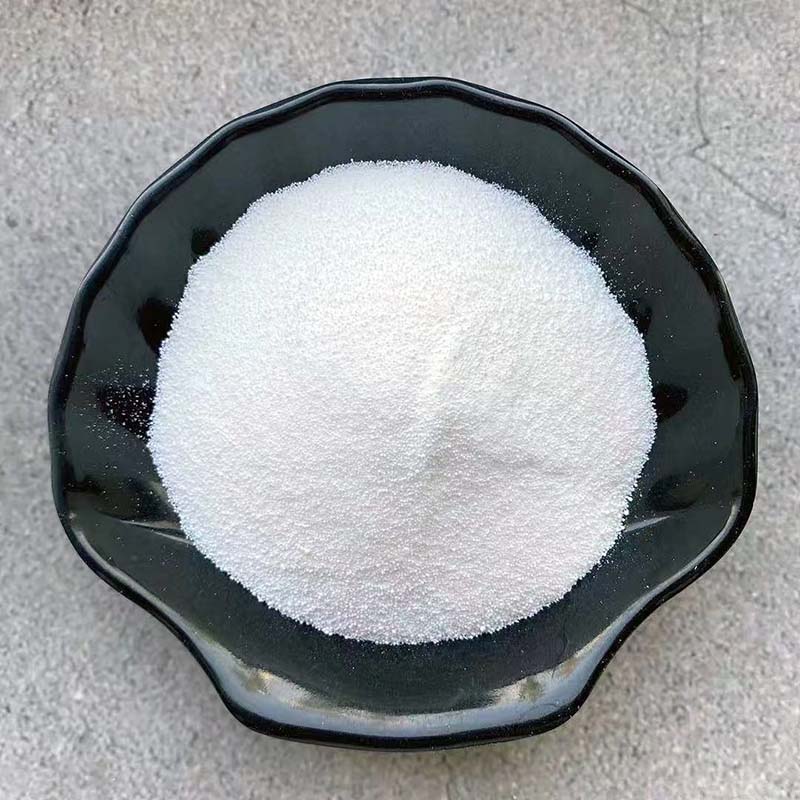
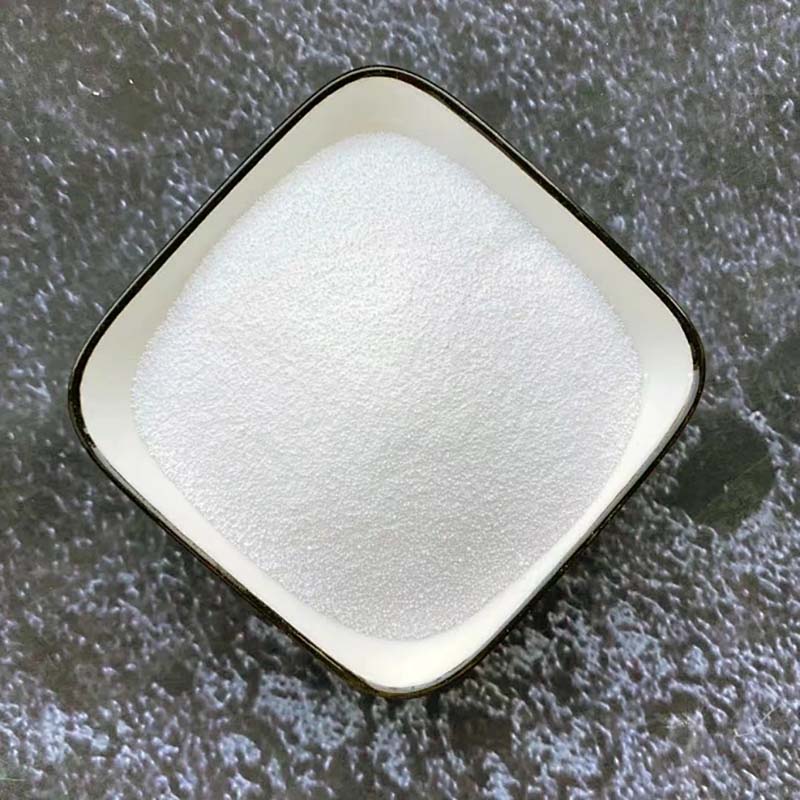
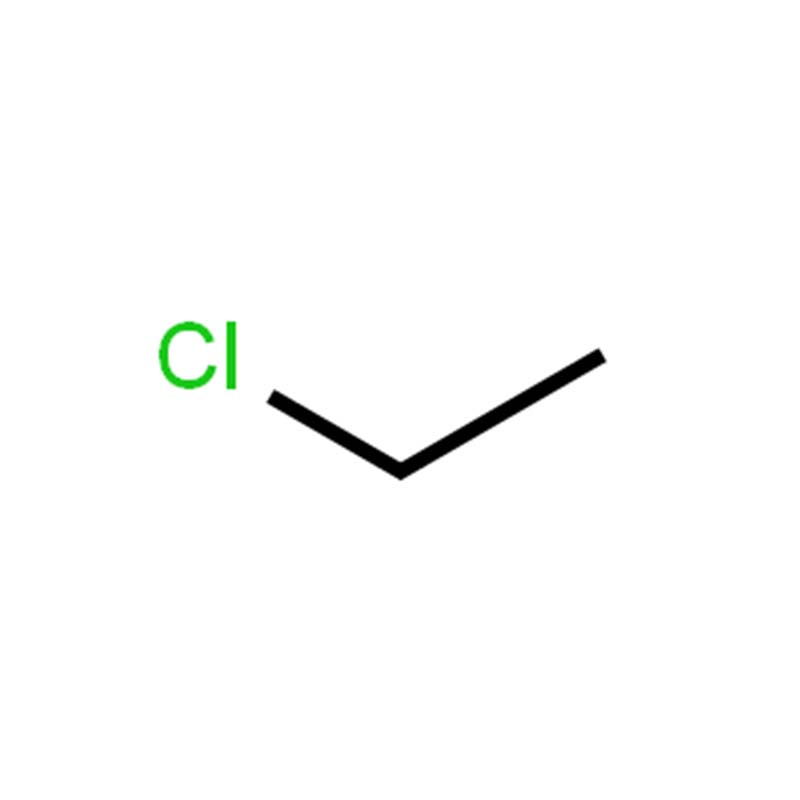
Polyvinyl Chloride (PVC) CAS: 9002-86-2
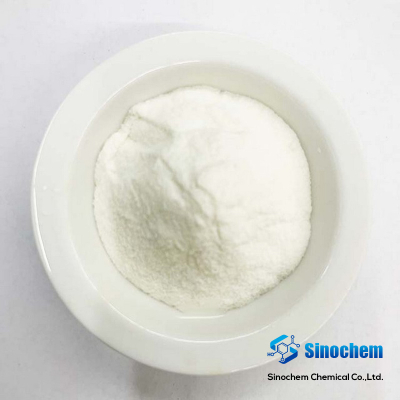
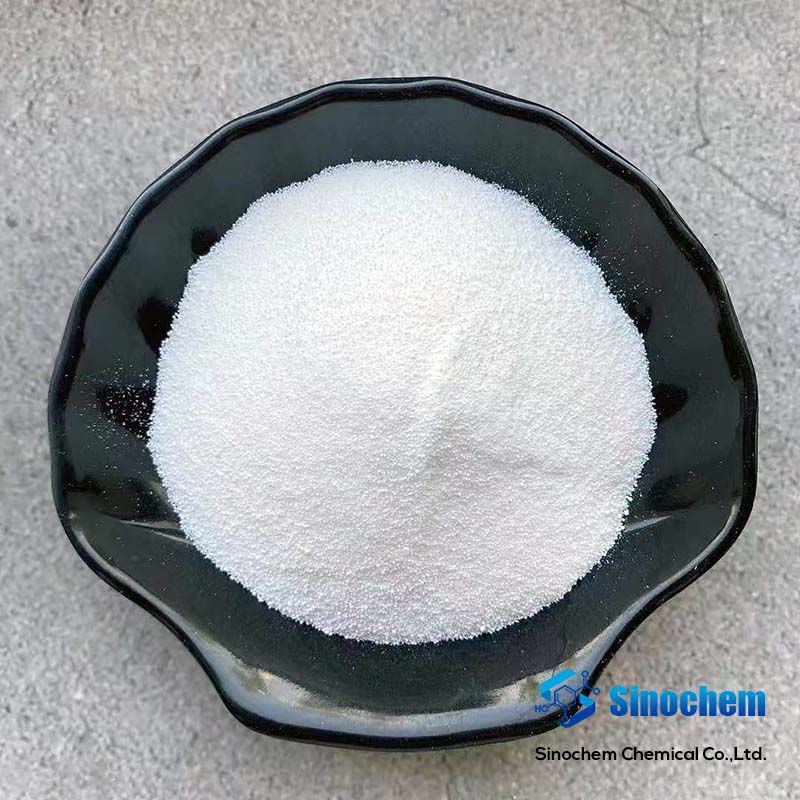
Polyvinyl chloride (PVC) is a widely used white powder thermoplastic valued for low cost, inherent flame retardancy, and chemical resistance. By compounding with additives, it produces both rigid products (pipes, profiles) and flexible products (cables, films, flooring).
1. Overview
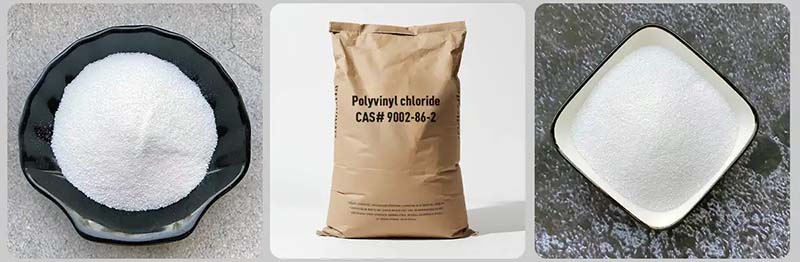
PVC is a white powder and the third most widely produced synthetic plastic. It offers excellent chemical resistance, flame retardancy, and mechanical strength. It can be formulated into rigid (uPVC) or flexible products using plasticizers.
2. Key Features
Flame Retardant – Self-extinguishing (56.8% chlorine).
Chemical Resistant – Withstands acids, alkalis, oils, and salts.
Versatile – Suitable for extrusion, injection molding, and calendering.
Durable – Service life >50 years for pipes.
Cost-Effective – Low-cost engineering thermoplastic.
3. Key Specifications
| Parameter | Typical Value | Explanation |
|---|---|---|
| K-Value | 57 – 68 | Higher K = stronger/tougher; lower K = easier flow. |
| Residual VCM | ≤1 ppm (food ≤0.5 ppm) | Carcinogen; critical for safety compliance. |
| Volatile Matter | ≤0.3 – 0.5% | Prevents bubbles during processing. |
| Apparent Density | 0.45 – 0.60 g/mL | Affects hopper flow and extrusion rate. |
| Particle Size | 60 – 250 μm | Uniform size prevents "fish eyes." |
| Porosity | 0.2 – 0.4 mL/g | High porosity = faster plasticizer absorption. |
4. Applications
| Type | Applications |
|---|---|
| Rigid (uPVC) | Pipes, window profiles, bottles, fittings, siding, blister packs |
| Flexible (Plasticized) | Wire insulation, hoses, medical tubing, toys, shoe soles, tarpaulins |
| Paste (E-PVC) | Wallpaper, artificial leather, dipped gloves, rotational molding |
5. Grade Comparison
| Grade | K-Value | Best For |
|---|---|---|
| Low K (57–59) | Low | Injection molding, clear bottles, thin film |
| Medium K (60–65) | Medium | Pipes, profiles, wire insulation, general extrusion |
| High K (66–68) | High | Flexible hoses, cable jacketing, calendered sheets |
| Paste (E-PVC) | 65–75 | Rotational molding, dipping, artificial leather |
6. Buying Guide
| Processing Method | Recommended K-Value |
|---|---|
| Injection Molding | 57–60 |
| Pipe Extrusion | 60–65 |
| Profile Extrusion | 65–67 |
| Calendering | 65–70 |
| Blow Molding | 57–60 |
Select grade by:
Rigid products → Medium K (60–65)
Flexible products → High K (65–68)
Food/medical → Low VCM grade (<1 ppm, FDA certified)
7. FAQ
Q: PVC Resin vs PVC Compound?
Resin = pure powder (needs additives). Compound = ready-to-use mix.
Q: Is PVC recyclable?
Yes, mechanically recyclable. Recycled PVC suits drainage pipes, flooring underlay, and garden hoses.
Q: Shelf life?
12 months in original packaging, stored cool & dry (<30°C, <70% RH).
Q: Is PVC safe for drinking water?
Yes (uPVC). Requires NSF 61 or equivalent certification. Use lead-free stabilizers (Ca-Zn or organotin).
Q: How to prevent degradation?
Use adequate stabilizers, process at 160–200°C, avoid excessive shear, dry resin if moisture >0.3%.
8. Delivery & Service
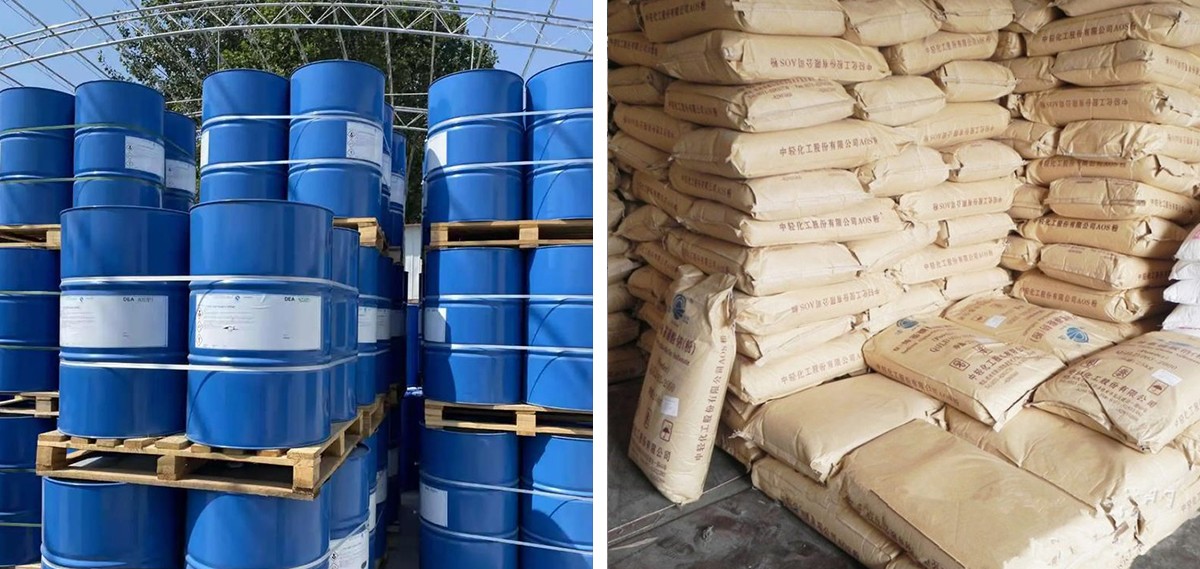
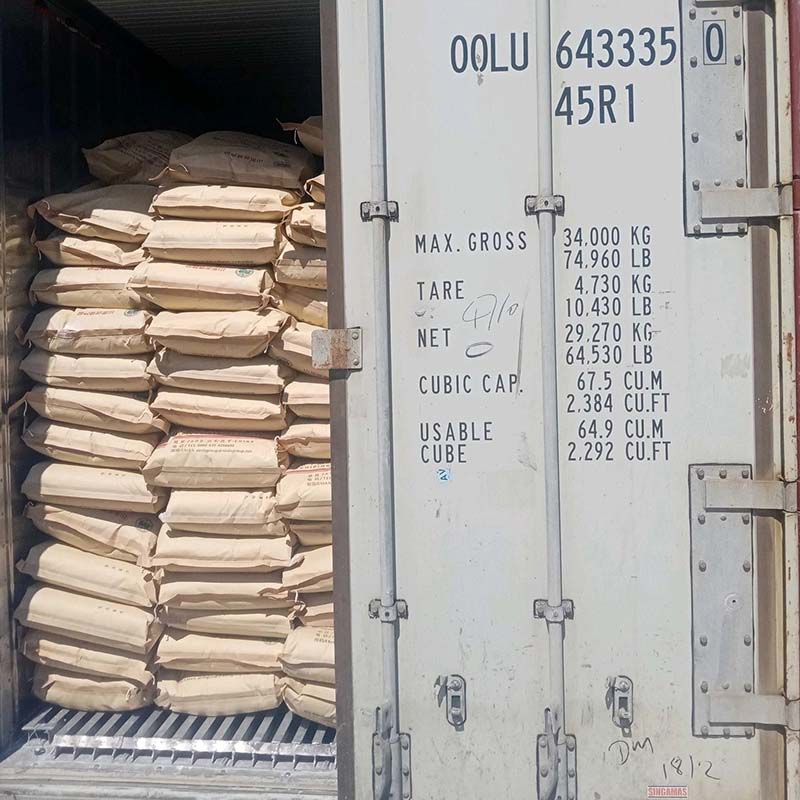
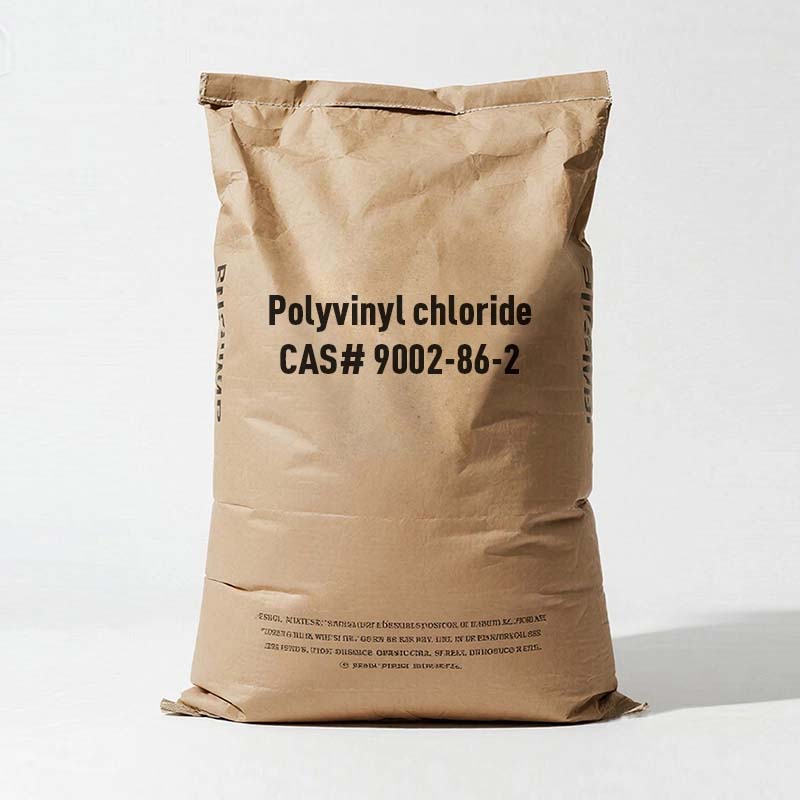
Packaging: 25kg bag (paper + PE liner), 500–1200kg bulk bag, pneumatic tanker
Lead time: 7–15 days for production
Documentation: CoA, MSDS, TDS
Certifications: ISO 9001, REACH, RoHS; FDA for food grade