Stannous Octoate (Tin(II) 2-ethylhexanoate) CAS No.: 301-10-0
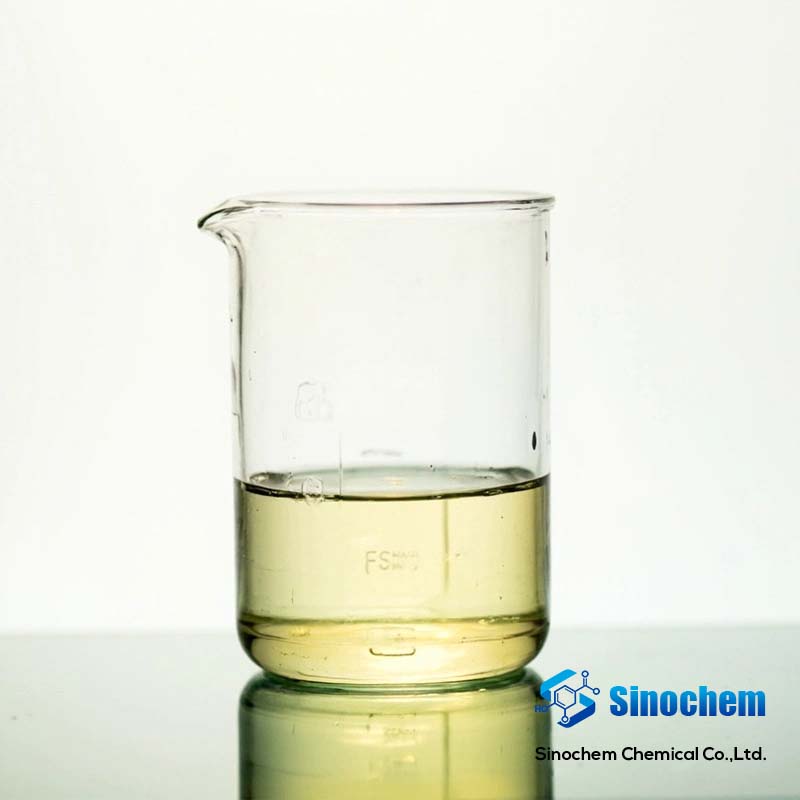
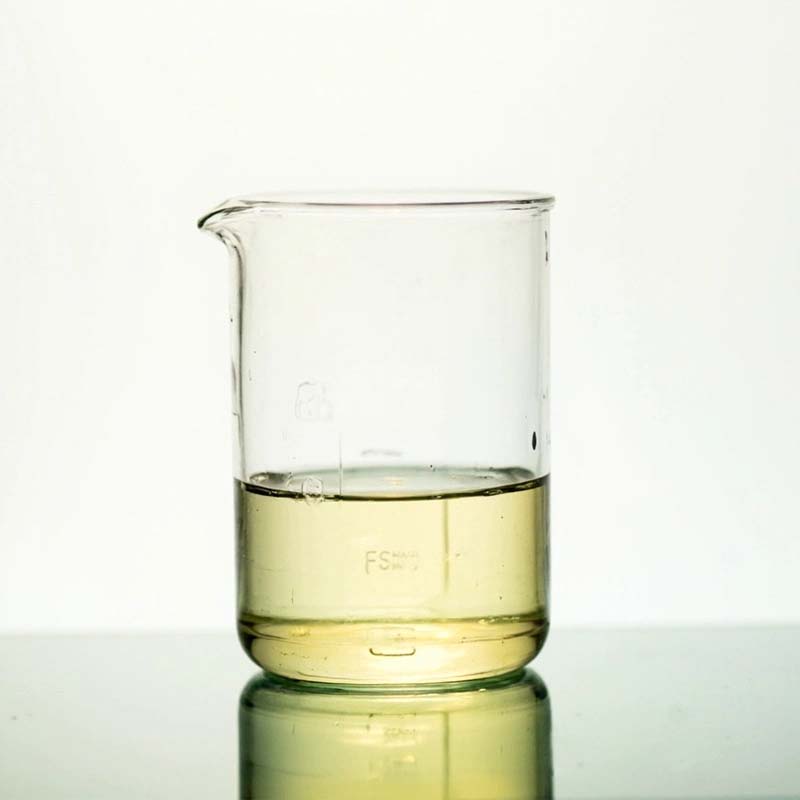
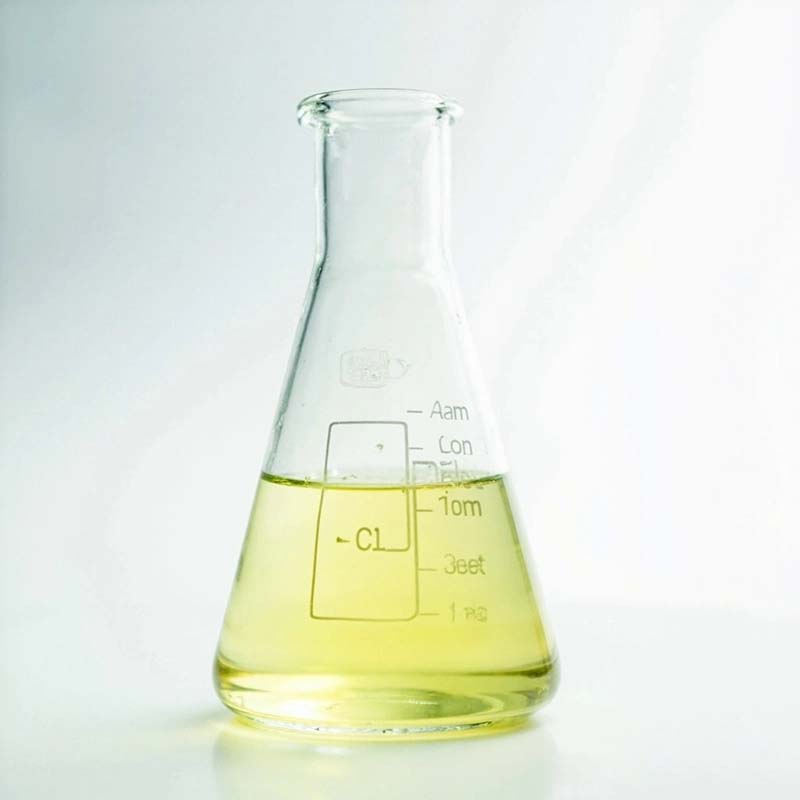
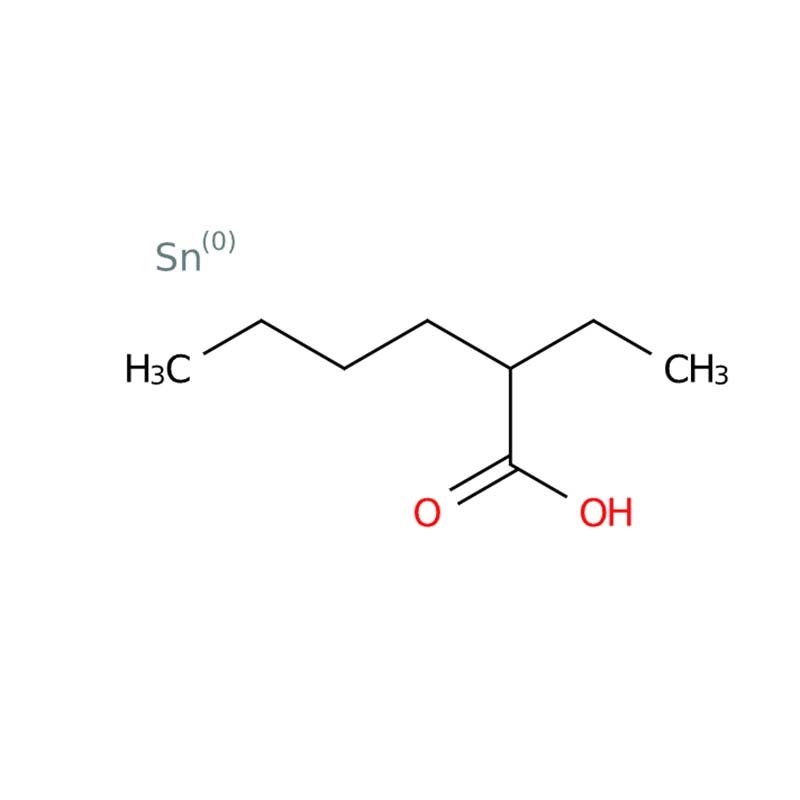
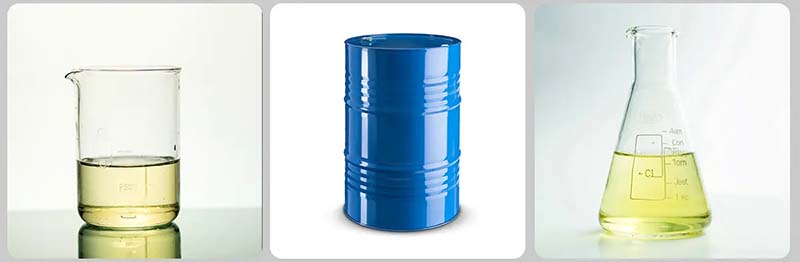
Stannous Octoate (Tin(II) 2-ethylhexanoate, CAS 301-10-0) is a light yellow to amber viscous liquid with the formula C₁₆H₃₀O₄Sn, insoluble in water but soluble in organic solvents like polyols and petroleum ether . It is valued primarily as a highly efficient gelling catalyst in the production of flexible polyurethane foams (e.g., mattresses, furniture, automotive seating) and is also widely used in polyurethane coatings, adhesives, sealants, and elastomers . It also catalyzes the room-temperature curing of silicone rubber and certain epoxy systems . As a tin(II) compound, it is sensitive to moisture and air oxidation, requiring storage under nitrogen or dry conditions to maintain catalytic activity
1. Overview
Stannous Octoate is a light yellow to amber viscous liquid and the industry-standard gelation catalyst for polyurethane (PU) systems. It selectively accelerates the reaction between polyols and isocyanates, making it essential for producing PU flexible foams, elastomers, coatings, adhesives, and RTV silicone rubbers .
2. Key Features
High Selectivity – Promotes gelation (OH-NCO) over blowing (water-NCO), reducing unwanted CO₂ gas .
Fast Reaction Rate – Significantly shortens demold times and production cycles .
Low Volatility – High flash point (>110°C) ensures safer processing .
Soluble – Miscible with most polyols and organic solvents; insoluble in water .
Cost-Effective – Higher catalytic activity than DBTDL at a lower cost .
3. Key Specifications
| Parameter | Typical Value | Explanation |
|---|---|---|
| Appearance | Light yellow to amber liquid | Darkening indicates oxidation/degradation . |
| Assay (Purity) | ≥92.5% – >98% | Higher purity ensures consistent catalysis . |
| Tin (Sn) Content | ≥28.0% | Measures active metal concentration . |
| Stannous Content (Sn²⁺) | ≥27.25% | Sn²⁺ is the active catalytic species . |
| Viscosity (25°C) | ≤380 cP | Low viscosity for easy handling . |
| Density (25°C) | 1.25 – 1.27 g/mL | Heavier than water . |
| Refractive Index | ~1.492 | Quality indicator . |
| Water Content | ≤0.1 – 0.3% | Critical – hydrolyzes easily . |
4. Applications
| Area | Specific Uses | Typical Dosage |
|---|---|---|
| PU Flexible Foams | Mattresses, furniture, automotive seating | 0.1 – 0.3% (foam index dependent) |
| PU CASE | Coatings, Adhesives, Sealants, Elastomers | 0.05 – 0.2% |
| RTV Silicone Rubber | Room temperature vulcanization curing catalyst | 0.1 – 1.0% |
| Synthetic Leather | Wet/dry process, controls pore structure | 0.05 – 0.2% |
| Waterproof Coatings | Construction sealants, roof coatings | 0.1 – 0.3% |
| Polyester Resins | Unsaturated polyester curing | As required |
5. Grade Comparison
| Grade | Purity | Tin Content | Viscosity | Typical Use |
|---|---|---|---|---|
| Standard Industrial | ≥92.5% | ≥28.0% | ≤380 cP | General PU foams, elastomers |
| High Purity | ≥98% | ≥28.5% | ≤300 cP | Medical, electronics, high-transparency |
| Low Viscosity | ≥95% | ≥27.5% | ≤200 cP | Spray applications, cold -cure foams |
6. Buying Guide
Select by application:
Flexible slabstock foam → Standard grade, consistent Sn²⁺ content .
High-resilience (HR) foam → High purity, low water content.
Medical/sensitive applications → High purity, request low residual metal specs.
Storage & handling:
Extremely moisture sensitive – hydrolyzes to inactive Sn(IV) .
Store in a cool, dry place (<30°C), sealed under N₂ if possible.
Shelf life: 6 – 12 months (shorter if opened) .
Not hazardous for transport (non-regulated) .
Safety & toxicity:
GHS: Danger – H318 (Eye damage), H360 (Reproductive toxicity), H317 (Skin allergy) .
Use PPE (gloves, goggles, fume hood).
Avoid environmental release (H412 – toxic to aquatic life) .
7. FAQ
Q: Stannous Octoate vs. Dibutyltin Dilaurate (DBTDL)?
A: Stannous Octoate – faster gelation, lower cost, less toxic, but moisture sensitive. DBTDL – slower, more stable, higher toxicity. T-9 is preferred for foams; DBTDL for coatings .
Q: Why does my catalyst turn cloudy or form precipitate?
A: Hydrolysis due to moisture exposure. The active Sn²⁺ oxidizes to inactive Sn(IV). Discard degraded material .
8. Delivery & Service
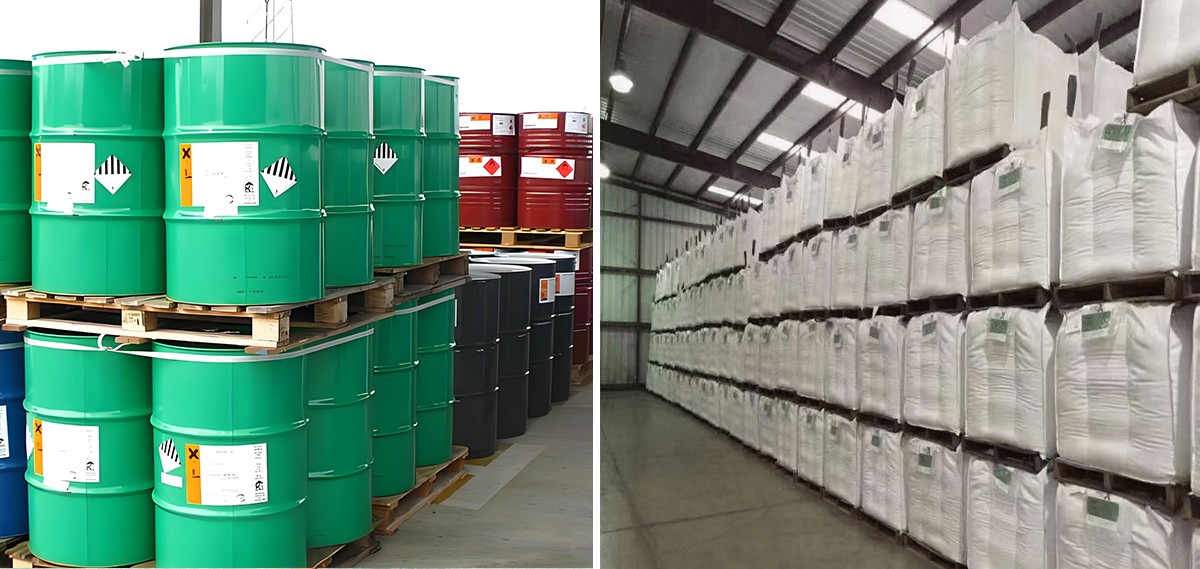
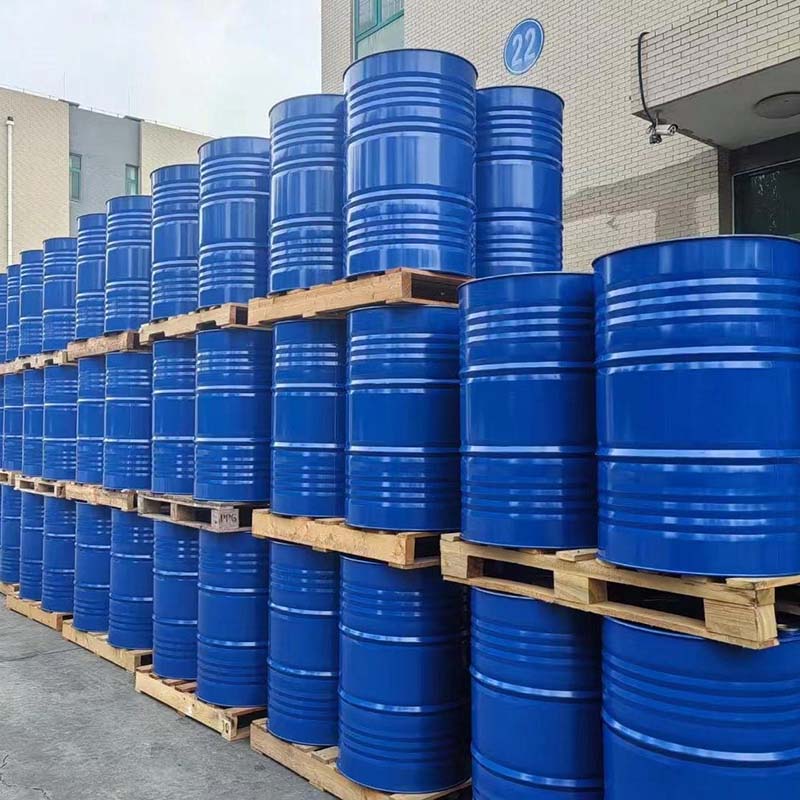
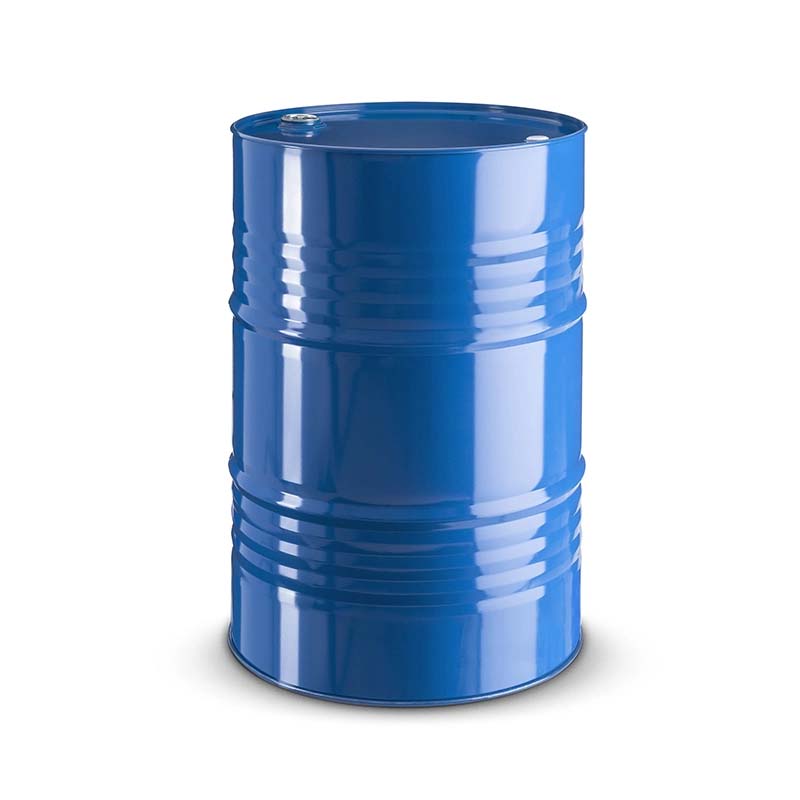
Packaging: 25kg HDPE drum, 200kg steel drum, 1000kg IBC
Lead time: Stock: 3–5 days; bulk: 2–3 weeks
Documentation: CoA (tin content, Sn²⁺, viscosity, water), MSDS, TDS
Certifications: ISO 9001 (varies by supplier)
Shipping: Not classified as dangerous goods (UN 3082 for environmental hazard in some regions – check local regs)