Sodium Polyacrylate (PAAS) CAS No.: 9003-04-7
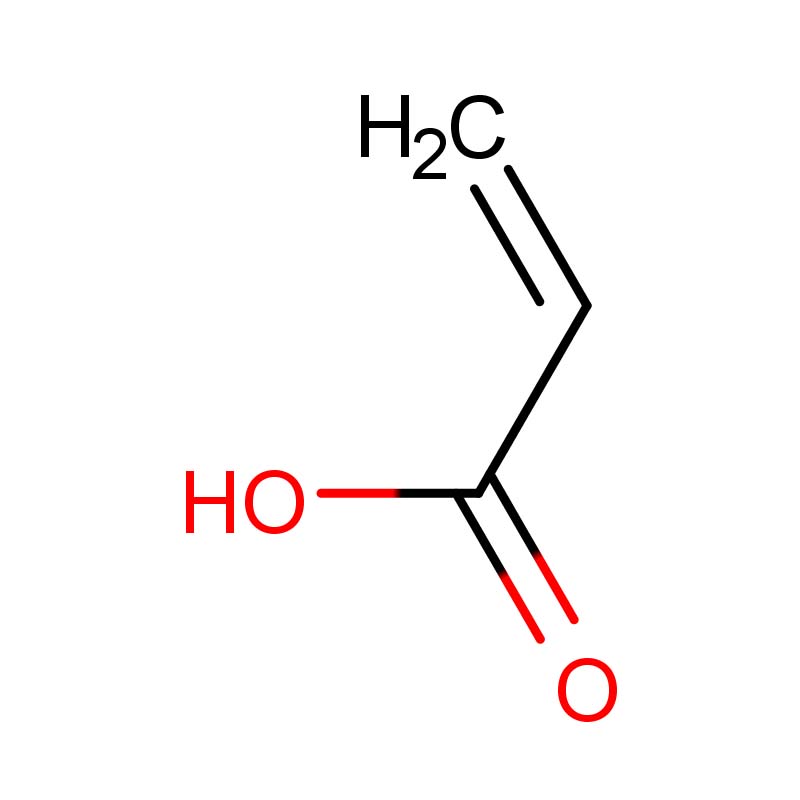
Sodium polyacrylate (PAAS, CAS 9003-04-7) is the sodium salt of polyacrylic acid, appearing as a white powder or viscous liquid with the formula [−CH₂−CH(CO₂Na)−]ₙ . It is an anionic polyelectrolyte highly soluble in water, where it dissociates to form viscous solutions . Renowned as a superabsorbent polymer (SAP) , it can absorb and retain hundreds of times its weight in water, making it essential in disposable diapers, sanitary napkins, and water-retaining gels . Beyond absorbency, its ion-sequestering and dispersing capabilities drive widespread industrial use: as an anti-redeposition agent and builder in laundry detergents, a scale inhibitor in water treatment, and a thickener/stabilizer in coatings, cosmetics, and food processing
1. Overview
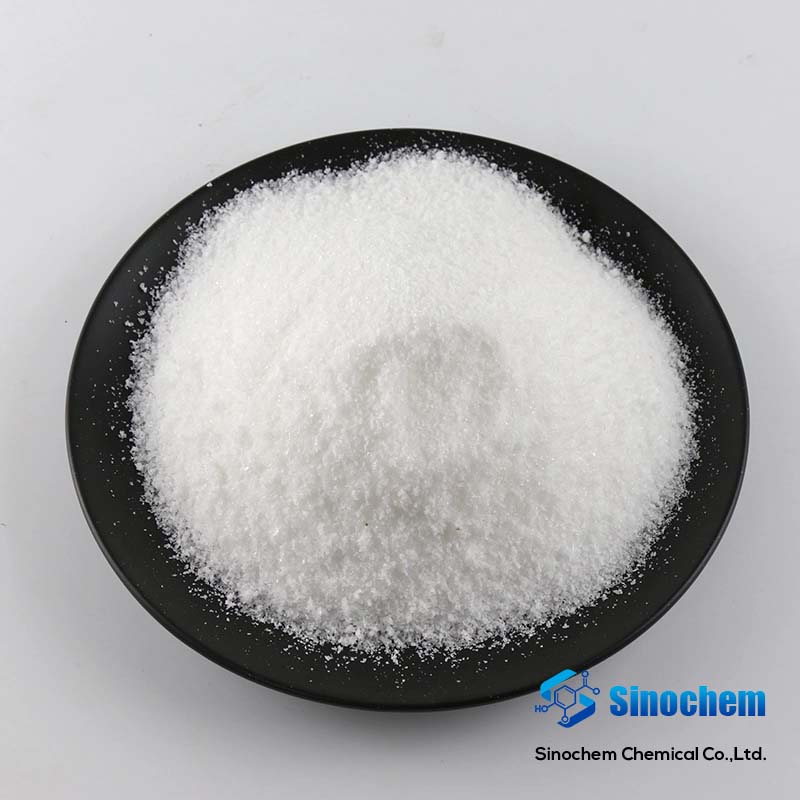
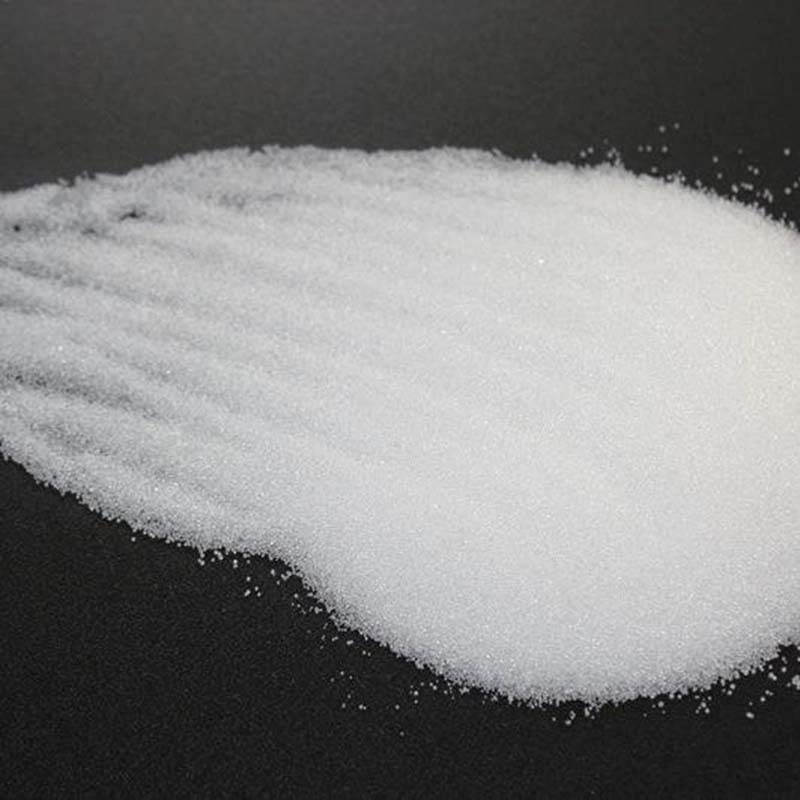
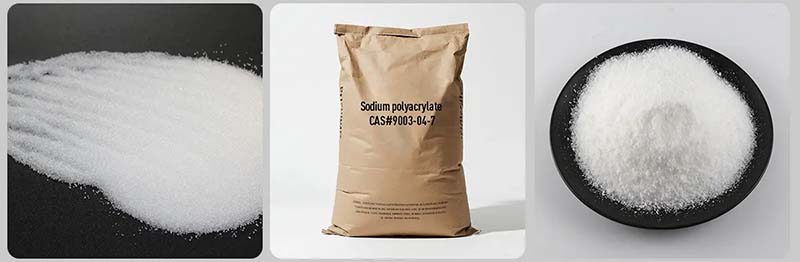
Sodium Polyacrylate is a white, granular or powdery superabsorbent polymer (SAP). It is the sodium salt of polyacrylic acid and has the remarkable ability to absorb 100 to 1000 times its weight in water, converting it into a gel . Unlike traditional absorbents, it retains absorbed fluids even under pressure. It is available in both cross-linked (insoluble gel form) and non-cross-linked (water-soluble) variants.
2. Key Features
Superabsorbent: Absorbs 100-800x its weight in deionized water .
Pressure Retention: Locks in fluid even under mechanical stress (gel blockage) .
Salt Sensitivity: Absorption decreases significantly in saline solutions (urine, seawater).
Thermal Stability: Functional in high-temperature environments (drilling fluids) .
Versatile Forms: Available as powder, granules, or aqueous solution.
Non-Toxic: Safe for use in agriculture and consumer goods (specific grades) .
3. Key Specifications with Explanation
| Parameter | Typical Value | Explanation |
|---|---|---|
| Appearance | White powder/granules | Free-flowing; discoloration indicates contamination. |
| Absorption Capacity | 300 – 800 g/g (DI water) | Measures fluid retention. Higher is better for diapers/agriculture . |
| Molecular Weight (Mw) | 1k – 78k+ (or cross-linked) | Low Mw acts as scale inhibitor; High Mw (cross-linked) is for absorption . |
| pH (1% solution) | 5.5 – 7.5 (or 6-9) | Neutral to slightly alkaline. Varies by grade . |
| Residual Monomer | ≤ 300-500 ppm | Unreacted acrylic acid; must be low for hygiene/agriculture. |
| Bulk Density | 0.4 – 0.7 g/mL | Affects packaging and handling . |
| Particle Size | 50 – 850 µm | Fine for fast absorption; coarse for air-laid nonwovens . |
4. Applications
| Application Area | Specific Uses |
|---|---|
| Hygiene Products | Core material in baby diapers, adult incontinence pads, and sanitary napkins (SAP technology). |
| Agriculture | Water retention in soil (crystal soil), anti-transpirants, and seedling coating to reduce irrigation frequency . |
| Water Treatment | Thickening agent, scale inhibitor (low Mw), and sludge dewatering aid . |
| Industrial | Cable water-blocking tape, spill containment (solidification of liquid waste), and oil drilling fluid additive . |
| Construction | Concrete curing (moisture retention) and waterproofing putty. |
| Food Packaging | Absorbent pads for meat and fish trays (Food Grade) . |
| Textiles | Thickener for printing pastes. |
5. Type/Model Comparison
| Parameter | Cross-linked SAP (Absorbent) | Low Molecular Weight (Scale Inhibitor) |
|---|---|---|
| Structure | 3D network (insoluble) | Linear chain (soluble) |
| Absorption | 300-800x (Superabsorbent) | < 10x (Thickening) |
| Primary Use | Diapers, agriculture, cable tape | Detergents, water treatment, dispersant |
| Salt Tolerance | Low (fails in salt water) | High (stable in brine) |
Commercial Grade Options :
| Grade | Purity | Absorption | Key Certification | Best For |
|---|---|---|---|---|
| Base Model | ≥95% | 200x | Standard | General industry, spill control |
| Advanced Model | ≥98% | 500x | REACH / EPA | Agriculture, diapers |
| Pro / Food Grade | ≥99.5% | 800x | FDA / ISO | Food packaging, medical devices |
6. Buying Guide
Identify the Application:
For Diapers & Agriculture: Select High Mw / Cross-linked SAP with absorption >400x.
For Detergents & Water Treatment: Select Low Mw (<10,000) soluble powder .
For Food Contact: Must specify Food Grade (FDA certification required) .
Check Particle Size:
Powder (<150µm): Fast absorption, high gel blocking risk.
Granules (150-850µm): Better air permeability, ideal for hygiene products.
Review Safety Data:
Ensure Residual Acrylamide/Monomer levels are low, especially for agricultural/personal use.
Look for REACH or EPA certifications for environmental compliance .
7. FAQ
Q: Is Sodium Polyacrylate toxic?
A: Generally No for the polymer itself. However, the monomer (acrylic acid) is an irritant. High-quality grades used in diapers are dermatologically tested and non-toxic .
Q: Can it absorb salt water?
A: Yes, but significantly less. Absorption capacity drops drastically in saline solutions (e.g., urine, seawater) due to the "common ion effect." It may absorb only 30-50x its weight in brine compared to 800x in distilled water .
Q: Is it biodegradable?
A: Standard Sodium Polyacrylate degrades very slowly in the environment. However, some agricultural grades are formulated with biodegradable additives or UV degradability .
Q: What is the difference between Sodium Polyacrylate and Polyacrylamide?
A: Sodium Polyacrylate is anionic (negatively charged) and a superabsorbent. Polyacrylamide (PAM) is usually non-ionic or cationic and is primarily used as a flocculant (clumping particles) in water treatment.
8. Delivery, Certification & Service
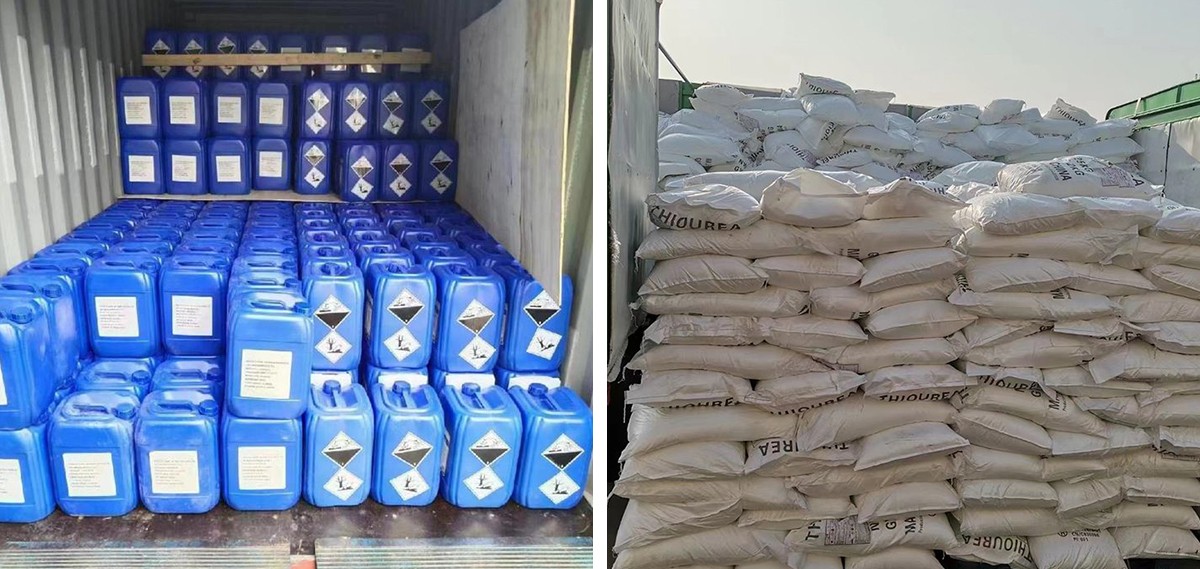
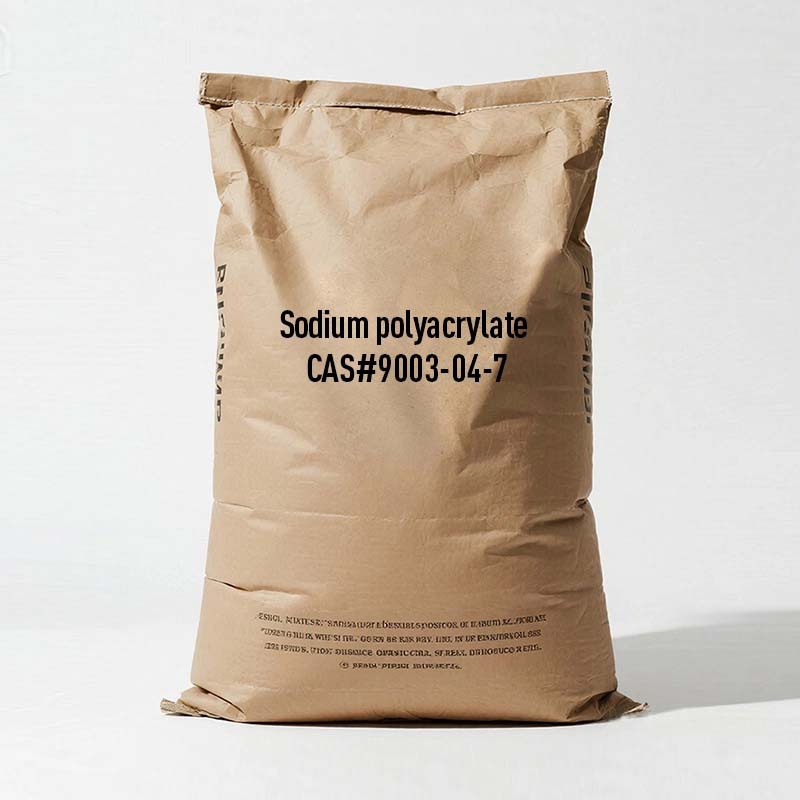
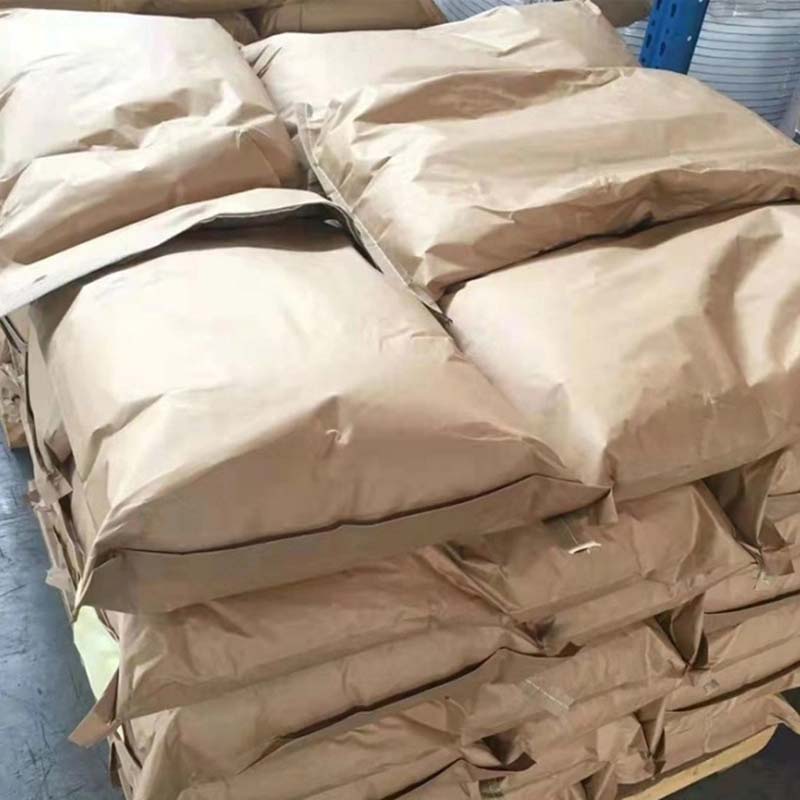
Packaging: 25kg multi-layer paper/plastic bags, 500kg bulk bags, or 200kg drums (liquid solution).
Storage: Store in a cool, dry place. Highly hygroscopic – keep sealed to prevent pre-absorption of atmospheric moisture.
Documentation: COA (Absorption capacity, Particle size, Residual monomer), MSDS.
Certifications: ISO 9001, REACH, FDA (Food Grade specific), EPA .