Sodium Tripolyphosphate (STPP) CAS No.: 7758-29-4 (anhydrous)
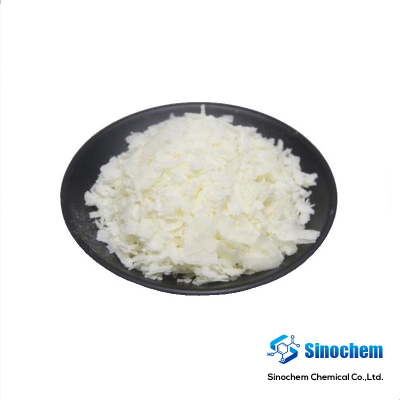
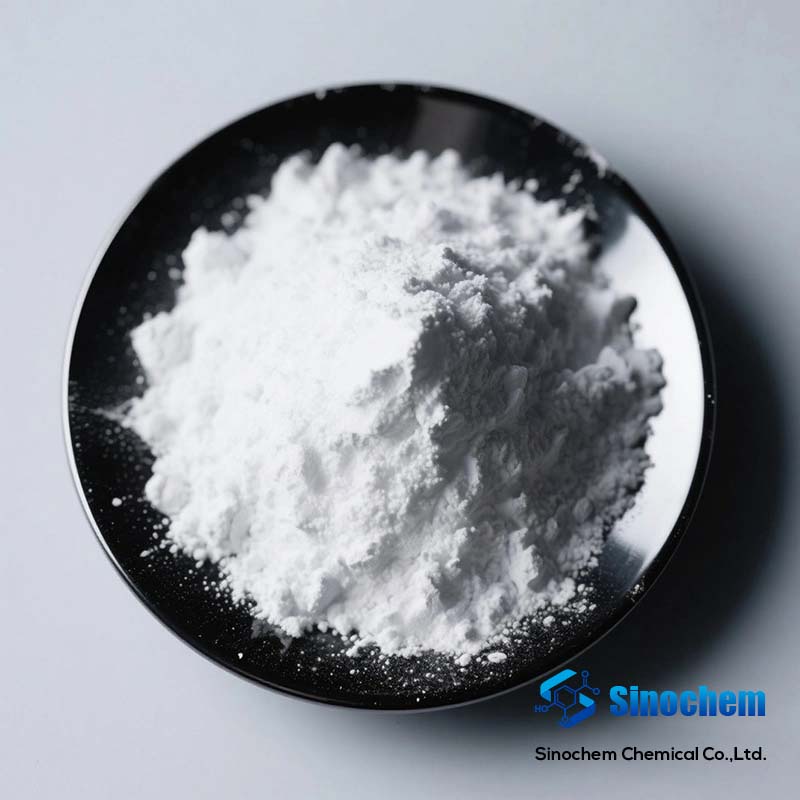
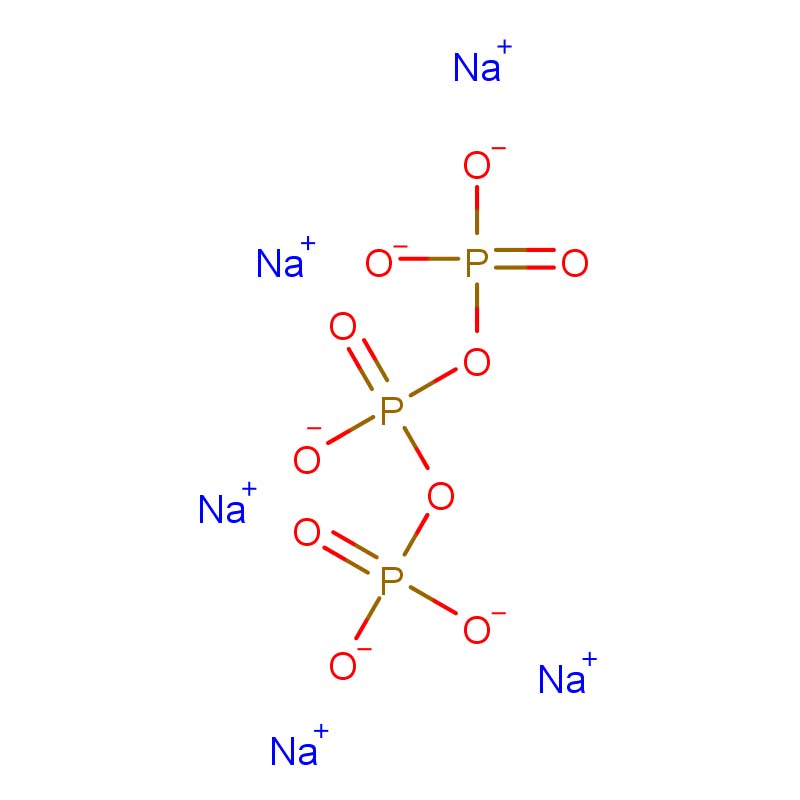
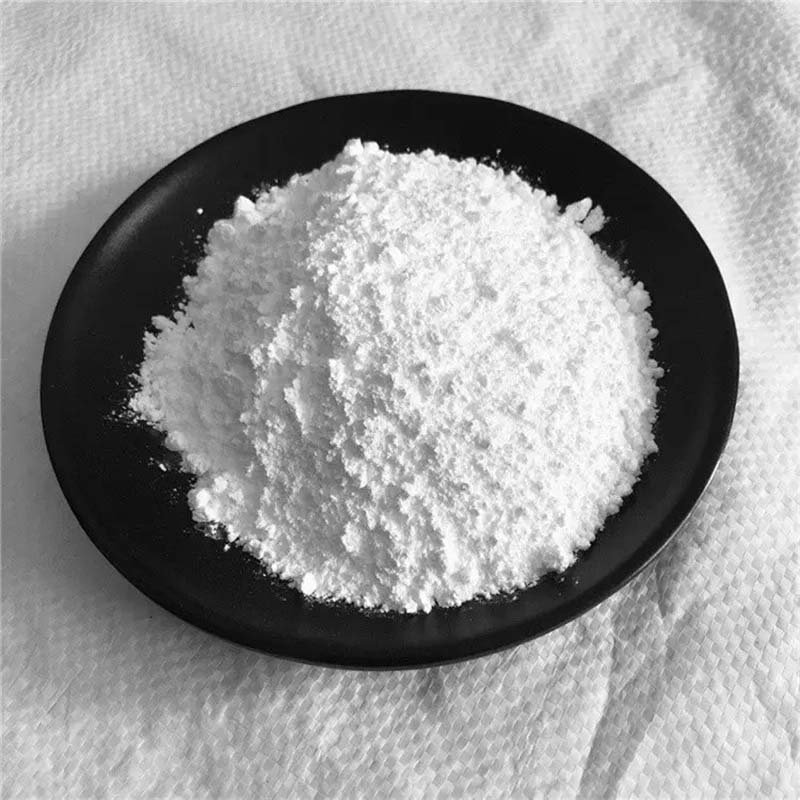
Sodium tripolyphosphate (STPP, CAS 7758-29-4) is an odorless, white crystalline powder with the formula Na₅P₃O₁₀, freely soluble in water and slightly hygroscopic . It functions primarily as a potent chelating agent and dispersant, making it a key "builder" in laundry and automatic dishwashing detergents for softening water and emulsifying soils . It also serves as a preservative and texturizer in processed foods (especially meats and seafood), a deflocculant in ceramic slip production, and a viscosity controller in oil well drilling muds .
1. Overview
Sodium Tripolyphosphate is a white, water-soluble inorganic salt and one of the most widely used builders in detergents and water softeners. It effectively sequesters calcium and magnesium ions, prevents soil redeposition, and provides buffering capacity. STPP is also extensively used in food processing as a moisture retainer and emulsifier, particularly in seafood and meat products.
2. Key Features
Strong Sequestrant – Binds Ca²⁺ and Mg²⁺, preventing scale and improving cleaning efficiency.
Deflocculating Agent – Disperses suspended particles, preventing soil redeposition on fabrics.
pH Buffer – Maintains alkaline conditions (1% solution pH ≈ 9.5).
Moisture Retention – Increases water-holding capacity in meat, poultry, and seafood.
Emulsion Stabilizer – Prevents fat separation in processed meats and dairy.
Food Grade Available – Approved as food additive E451(i).
3. Key Specifications with Explanation
| Parameter | Typical Value | Explanation |
|---|---|---|
| Appearance | White powder or granules | Discoloration indicates impurities or decomposition. |
| Assay (Purity) | ≥94% – ≥98% | Higher purity ensures consistent performance. |
| P₂O₅ Content | ≥56% – ≥57% | Measures active phosphate content. |
| pH (1% solution) | 9.2 – 10.0 | Alkaline; affects detergent and food application compatibility. |
| Loss on Ignition | ≤0.5% (anhydrous) | Low residue indicates high inorganic purity. |
| Water Insolubles | ≤0.1% | Low insolubles prevents clogging and residue. |
| Heavy Metals (as Pb) | ≤0.001% (food grade) | Critical for food safety compliance. |
| Fluoride (F⁻) | ≤0.005% (food grade) | Regulatory limit for food applications. |
| Bulk Density | 0.6 – 0.9 g/mL | Affects packing, transport, and dosing. |
| Particle Size | 60–200 mesh (varies) | Fine powder for fast dissolution; granules for controlled release. |
| Degree of Hydration | Anhydrous or Hydrated | Anhydrous = higher active content; hydrated = lower dusting. |
4. Applications
| Application Area | Specific Uses |
|---|---|
| Detergents & Cleaners | Builder in laundry powders, automatic dishwashing detergents, industrial cleaners, car wash soaps. Sequesters hardness ions and prevents soil redeposition. |
| Food Processing | Moisture retainer in seafood (shrimp, scallops, fish fillets), meat (poultry, pork, beef), processed cheese, canned vegetables. Prevents drip loss and improves texture. |
| Water Treatment | Scale inhibitor in cooling towers and boilers; dispersant. |
| Ceramics | Deflocculant for clay slurries, reducing viscosity and water content. |
| Textile Processing | Water softener and dispersant in dyeing and bleaching. |
| Paper Industry | Filler dispersant and pitch control agent. |
| Paint & Coatings | Dispersant for pigments and fillers. |
| Mining | Flotation aid and dispersant in mineral processing. |
5. Grade Comparison
| Grade | Purity | Heavy Metals | Fluoride | Typical Use |
|---|---|---|---|---|
| Food Grade | ≥94% | ≤0.001% | ≤0.005% | Seafood, meat, poultry, dairy (E451(i)) |
| Industrial Grade (Detergent) | ≥94% | Not specified | Not specified | Laundry detergents, dishwashing, industrial cleaners |
| High Purity | ≥98% | ≤0.0005% | ≤0.001% | Pharmaceuticals, sensitive formulations |
| Hydrated Grade | ~85% (active) | Varies | Varies | Lower dust, controlled release applications |
Form Comparison:
| Form | Bulk Density | Dissolution Rate | Best For |
|---|---|---|---|
| Powder (fine) | 0.6 – 0.7 g/mL | Very fast | Detergent powders, rapid dissolution needs |
| Granular (medium) | 0.7 – 0.8 g/mL | Medium | General purpose, low dust |
| Granular (coarse) | 0.8 – 0.9 g/mL | Slow | Dishwashing tablets, controlled release |
6. Buying Guide
Select Grade by Application:
Food processing (seafood, meat) → Food grade (≥94%) with heavy metal and fluoride compliance (E451(i)).
Laundry detergents → Industrial grade (≥94%), granular form for low dust.
Automatic dishwashing → Industrial grade, coarse granular for controlled dissolution.
Ceramics / water treatment → Industrial grade, any form.
Select Form by Process:
Fast dissolution → Fine powder.
Low dust / good flow → Granular (medium or coarse).
Tableting / briquetting → Coarse granular.
Storage Conditions:
Store in a cool, dry, well-ventilated area.
Keep tightly sealed – hygroscopic (absorbs moisture and may cake).
Avoid contact with acids (releases toxic phosphine gas).
Shelf life: 12–24 months when stored properly.
Quality Verification:
Request CoA confirming assay, P₂O₅ content, pH, water insolubles.
For food grade: request heavy metal and fluoride analysis.
For detergents: check bulk density and particle size distribution.
7. FAQ
Q: Is STPP the same as TSPP (Tetrasodium Pyrophosphate)?
A: No. STPP (Na₅P₃O₁₀) is a longer-chain polyphosphate. TSPP (Na₄P₂O₇) is a pyrophosphate. STPP is the preferred builder in detergents due to superior sequestering power. TSPP is stronger as an emulsifier in food.
Q: Is STPP banned in detergents?
A: In some regions. Phosphate bans exist in many US states (e.g., 0.5% limit in dishwasher detergents) and EU countries due to eutrophication concerns. STPP is still widely used in industrial detergents and regions without phosphate restrictions.
Q: Is STPP safe in food?
A: Yes – approved as E451(i) by EFSA and FDA (GRAS) at regulated levels (typically <0.5% in finished product). High intake may affect calcium absorption.
8. Delivery, Certification & Service
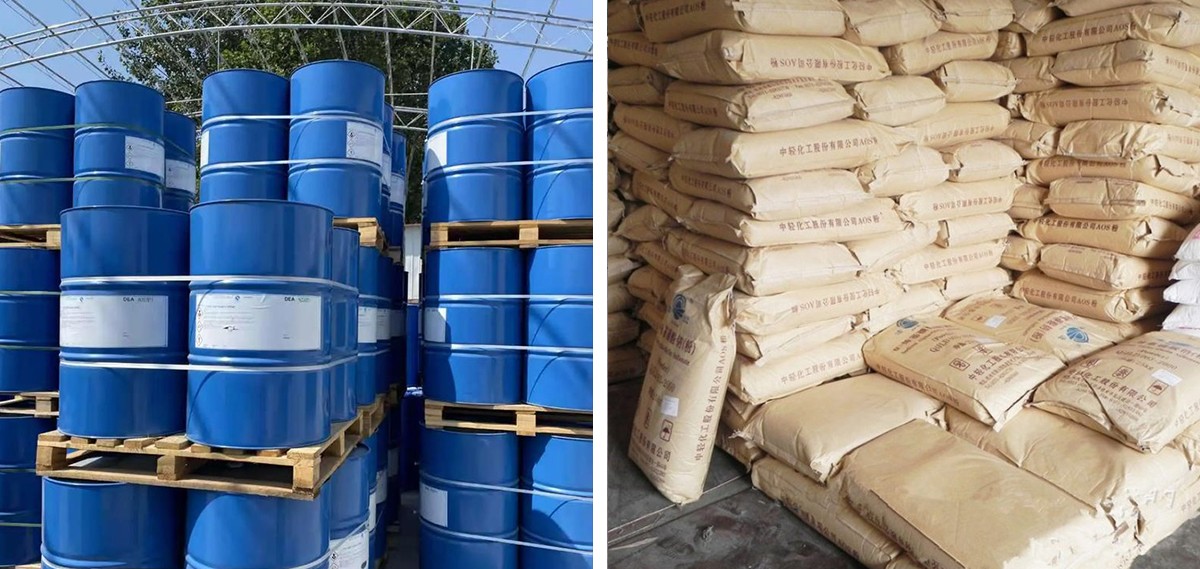
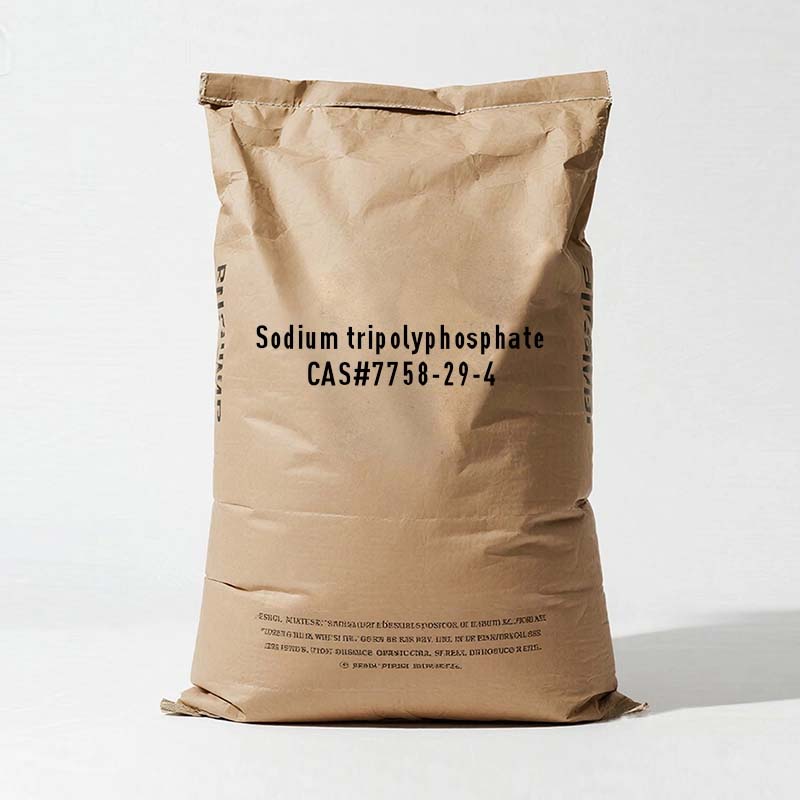
Packaging: 25kg bag (multi-wall paper with PE liner), 500kg/1000kg bulk bag, 50kg drum.
Lead Time: Stock items: 3–7 business days; production orders: 2–3 weeks.
Documentation: CoA (assay, P₂O₅, pH, water insolubles, heavy metals), MSDS, TDS.
Certifications: ISO 9001; Food Grade: FSSC 22000, HALAL, KOSHER (varies by supplier).
Shipping: Not classified as dangerous goods for most transport. Avoid acids.