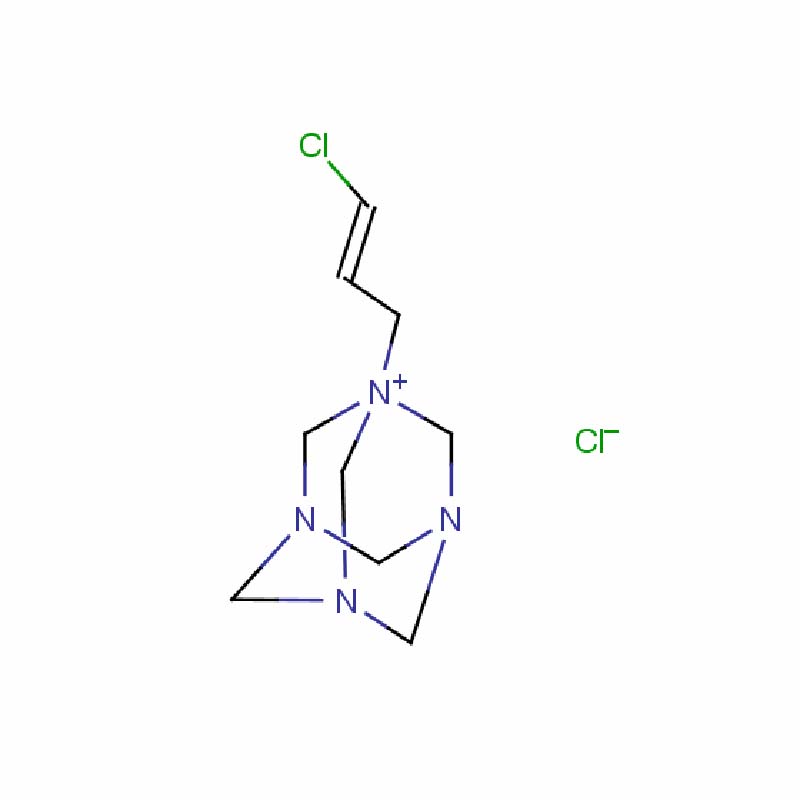
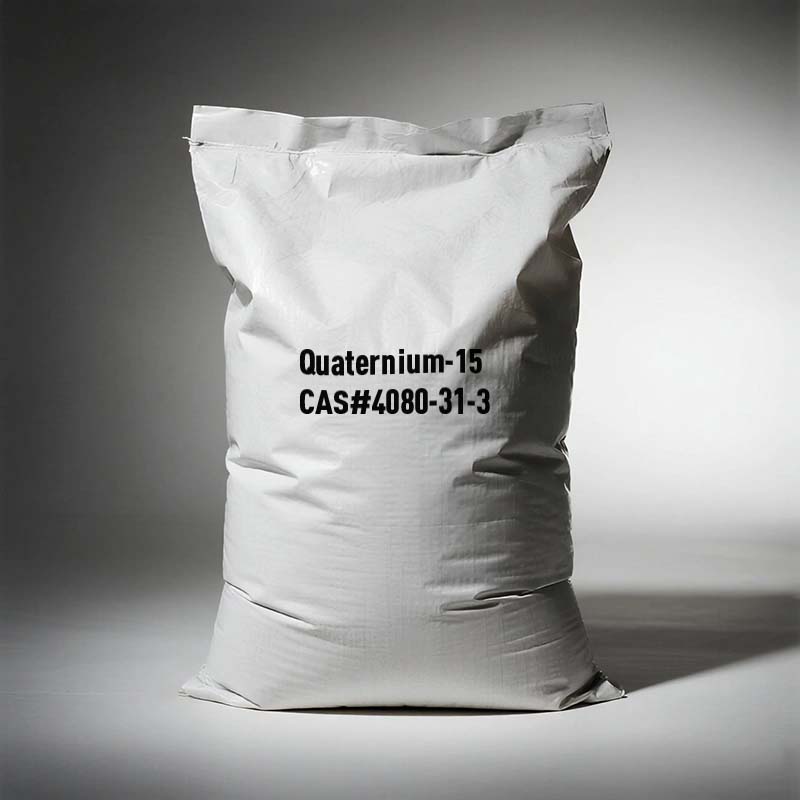
Quaternium-15 CAS No.: 4080-31-3 (mixed isomers)
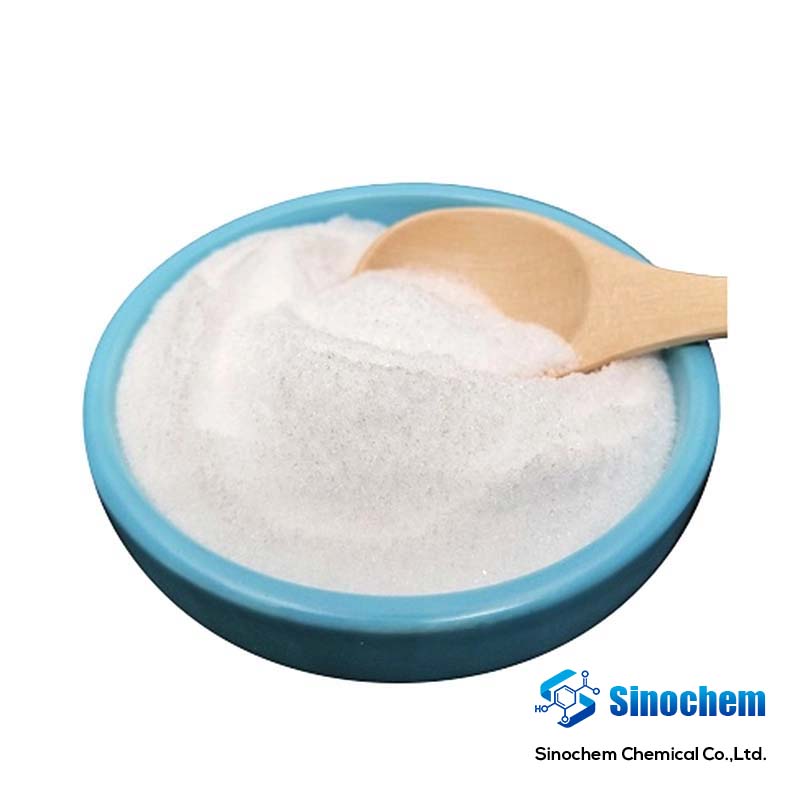
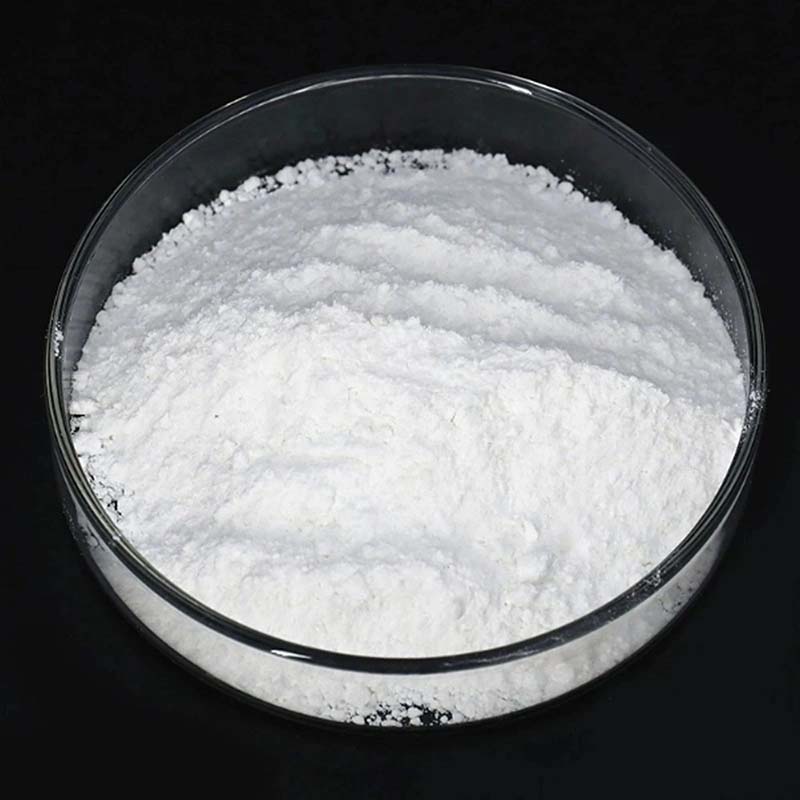
Quaternium-15 (CAS 4080-31-3) is a quaternary ammonium salt derived from hexamethylenetetramine, appearing as an off-white powder with a slight pungent odor and high water solubility . It functions primarily as a broad-spectrum preservative and antimicrobial agent in cosmetics and personal care products (shampoos, lotions, creams), as well as in industrial applications like metalworking fluids, adhesives, paints, and paper products . Notably, it is a potent formaldehyde-releasing agent, which underpins its preservative efficacy but also makes it a common contact allergen frequently associated with hand dermatitis
1. Overview
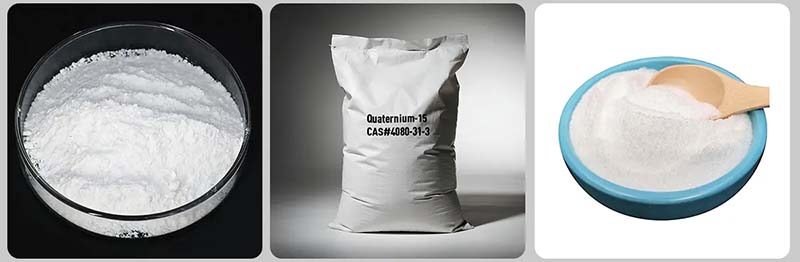
Quaternium-15 is a quaternary ammonium salt derived from hexamethylenetetramine (methenamine) . It functions as a formaldehyde-releasing preservative, slowly decomposing to release formaldehyde which provides antimicrobial activity . It appears as an off-white to cream-colored powder with a pungent or slight amine odor . Due to its strong allergenic potential and regulatory restrictions, it is being phased out globally.
2. Key Features
Formaldehyde Releaser – Slowly releases formaldehyde to inhibit bacterial and fungal growth .
Broad Antimicrobial Spectrum – Effective against bacteria, yeast, and mold .
Water Soluble – High solubility in water (127 g/100 g at 25°C) enables easy formulation .
Dual Isomer Forms – cis-isomer (CAS 51229-78-8) preferred for cosmetics; mixed-isomer product (CAS 4080-31-3) for industrial use .
3. Key Specifications with Explanation
| Parameter | Typical Value | Explanation |
|---|---|---|
| Appearance | Off-white to cream powder | Discoloration may indicate degradation . |
| Assay (Purity) | ≥95% (industrial) – ≥98% (cosmetic) | Higher purity ensures consistent antimicrobial performance. |
| Melting Point | 178–210°C (decomposes) | Decomposes before melting; indicates thermal stability . |
| Solubility in Water | 127 g/100 g (25°C) | Excellent water solubility for aqueous formulations . |
| Solubility in Methanol | 20.8 g/100 g (25°C) | Soluble in polar organic solvents . |
| Bulk Density | ~0.44 g/cc | Affects handling and blending characteristics . |
| Decomposition Temperature | >60°C | Avoid high temperatures during processing . |
4. Applications
| Application Area | Specific Uses | Regulatory Status |
|---|---|---|
| Cosmetics (Historical) | Shampoos, conditioners, skin creams, liquid soaps, makeup | Banned in EU (2017); Restricted/Removed from China (2015) |
| Industrial Preservation | Adhesives, latex paints, metalworking fluids, polymer emulsions | Still permitted in some industrial sectors |
| Household Products | Liquid detergents, cleaning agents | Declining use due to safety concerns |
| Disinfectants | Non-living surface disinfection | Limited industrial use |
Isomer-Specific Applications:
| Isomer Type | CAS Number | Application Preference |
|---|---|---|
| cis-Isomer | 51229-78-8 | Cosmetics (Dowicil 200) – higher antimicrobial efficacy |
| Mixed Isomers | 4080-31-3 | Industrial applications (Dowicil 75) – cost-effective |
5. Grade Comparison
| Grade | CAS | Purity | cis-Isomer Content | Typical Use |
|---|---|---|---|---|
| Cosmetic Grade (cis) | 51229-78-8 | ≥98% | >99% | Historical cosmetic preservation (now largely banned) |
| Industrial Grade (Mixed) | 4080-31-3 | ≥95% | 30–60% | Adhesives, paints, metalworking fluids |
| Analytical Standard | 51229-78-8 | ≥99% | >99% | Reference material for residue analysis |
6. Buying Guide
Check Regulatory Status Before Purchase:
EU Market – Banned in cosmetics since 2017; industrial use may still be permitted .
China – Removed from permitted cosmetic preservatives list (2015) .
US – FDA allows up to 0.2% in cosmetics (but declining use; major manufacturers phasing out) .
Cosmetics – Not recommended for any new product formulation.
Select Isomer Type:
Industrial preservation → Mixed isomers (CAS 4080-31-3) – lower cost.
High-performance applications → cis-isomer (CAS 51229-78-8) – better efficacy .
Storage Conditions:
Store in a cool, dry, well-ventilated area.
Keep containers tightly closed – hygroscopic.
Protect from heat, sparks, and open flames (flammable solid, Class 4.1) .
Shelf life: 12–24 months when stored properly.
Safety Verification:
Require SDS and CoA from supplier.
Verify residual formaldehyde and nitrosamine levels (controversial safety concerns) .
7. FAQ
Q: Is Quaternium-15 still allowed in cosmetics?
A: Mostly no. Banned in the EU since 2017. Removed from China's permitted list in 2015. In the US, it is still technically allowed at ≤0.2%, but major manufacturers (e.g., Johnson & Johnson) have phased it out voluntarily . Not recommended for new cosmetic formulations.
Q: Why is Quaternium-15 controversial?
A: It is a formaldehyde releaser – linked to allergic contact dermatitis. Formaldehyde is classified as a carcinogen. It can also form nitrosamines, which are potential carcinogens . It was named among the top 15 allergens by the North American Contact Dermatitis Group (2005) .
Q: What are safer alternatives?
A: Phenoxyethanol, benzoates (sodium benzoate), sorbates (potassium sorbate), ethylhexylglycerin, and organic acids (dehydroacetic acid) are common alternatives with better safety profiles.
8. Delivery, Certification & Service
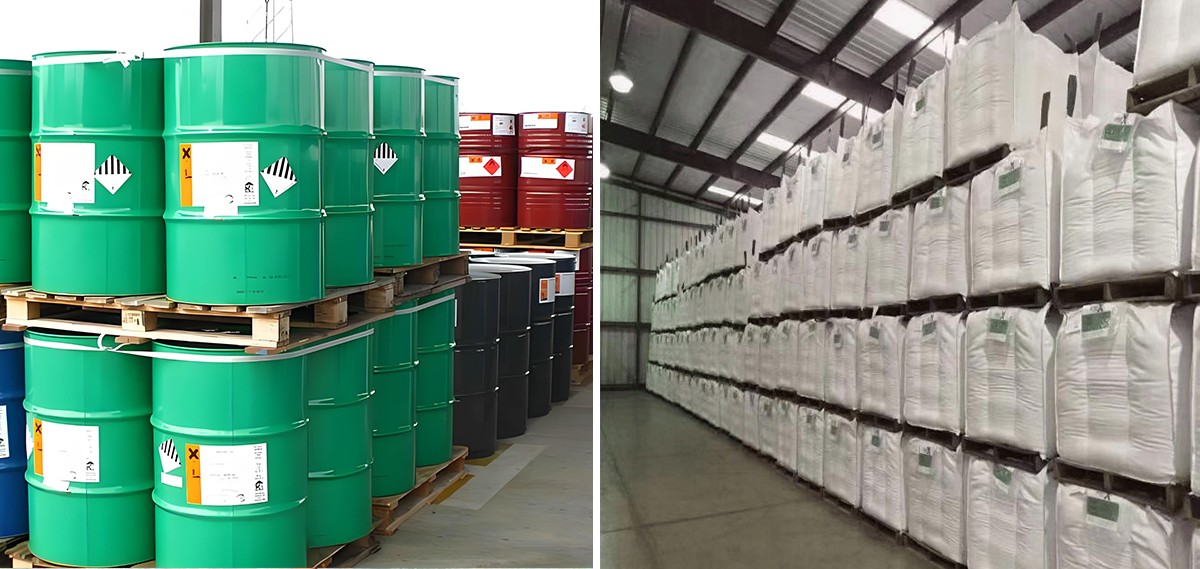
Packaging: 25 kg fiber drums, 50 kg bags (industrial grade); smaller containers for R&D (100 mg – 1 kg) .
UN Number: UN1325, Class 4.1 (Flammable solid), Packing Group II .
Lead Time: Stock items: 3–7 business days.
Documentation: CoA (purity, melting point), MSDS (SDS), TDS.
Certifications: ISO 9001 (varies by supplier). Analytical standards available as Certified Reference Material .
Regulatory Note: Not for cosmetic use in EU/China. Industrial use only. Buyer responsible for compliance with local regulations.