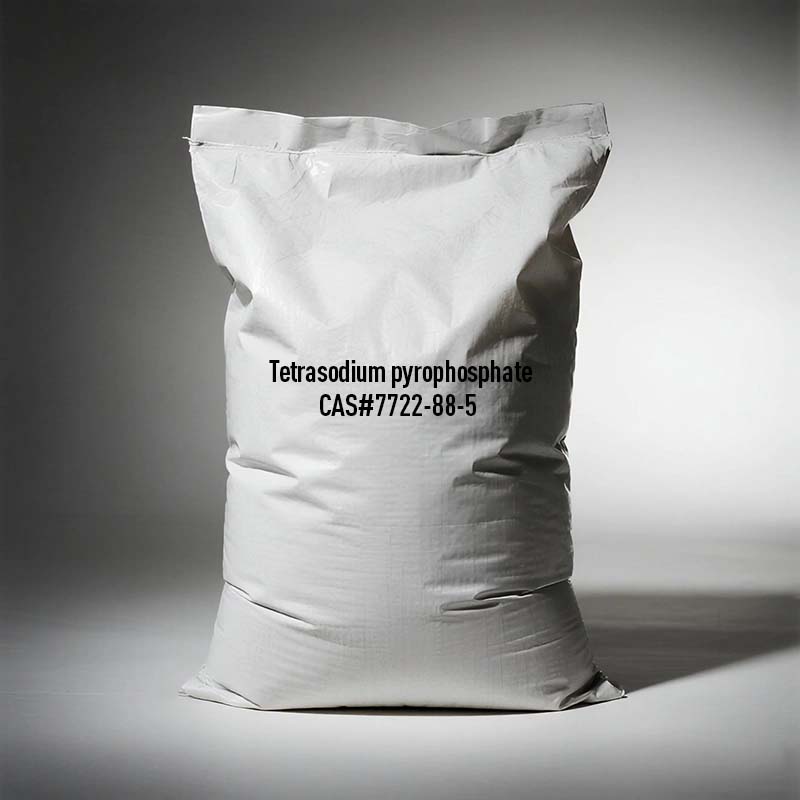
Tetrasodium Pyrophosphate (TSPP) CAS No.: 7722-88-5
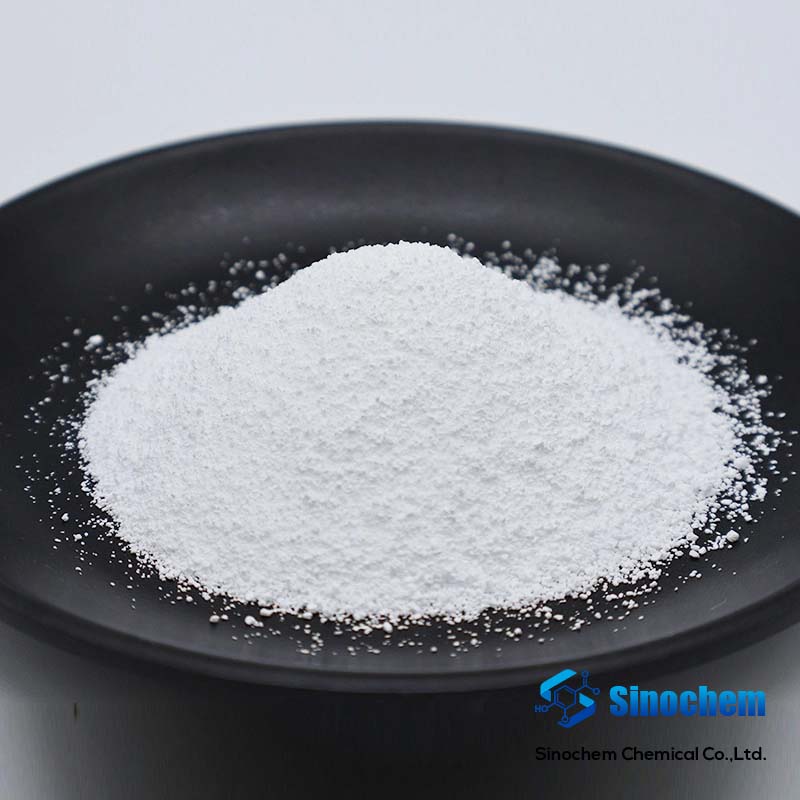
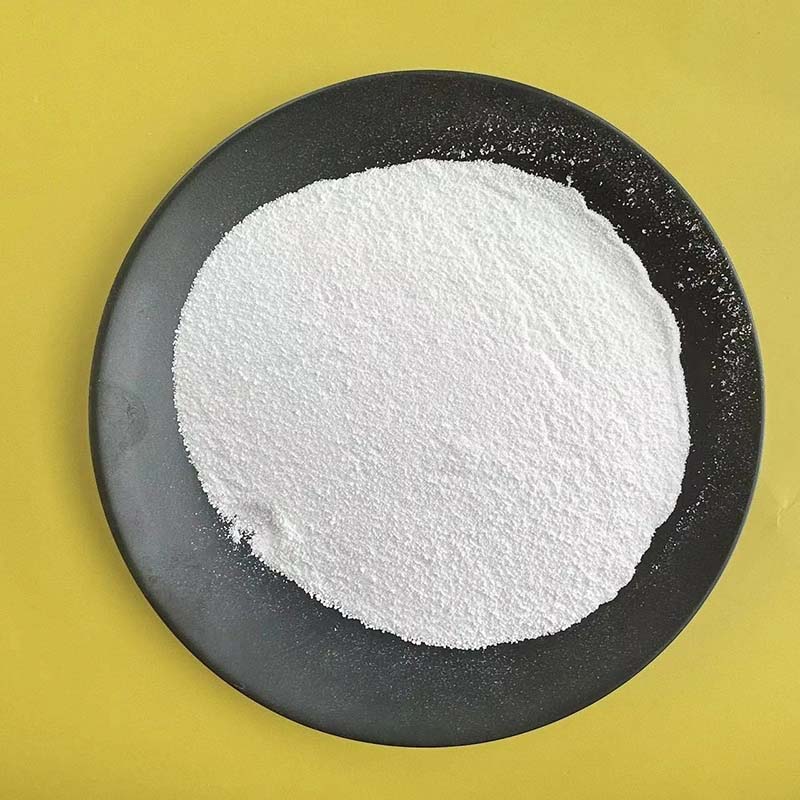
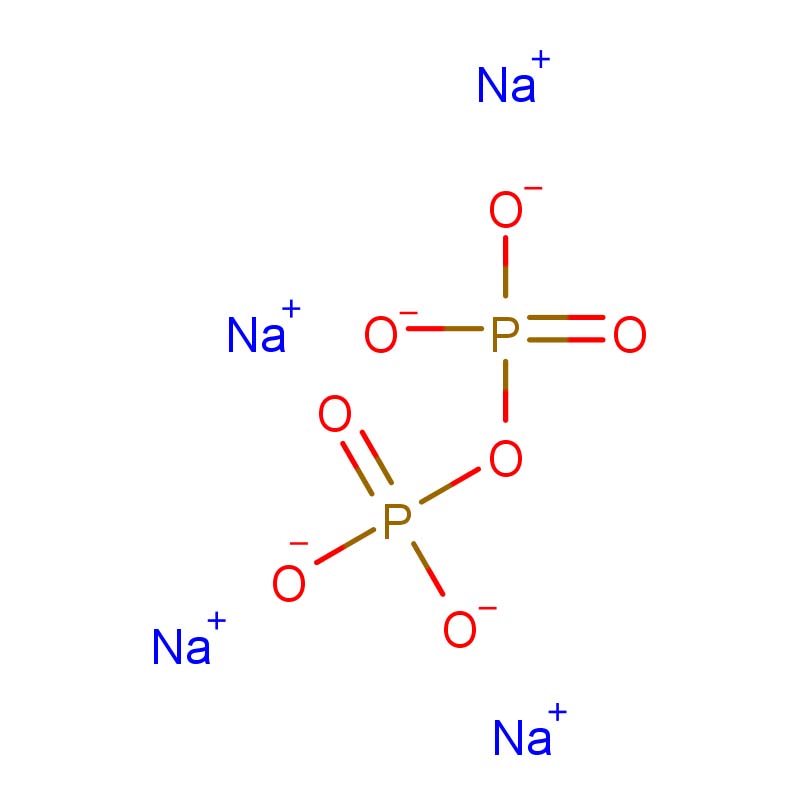
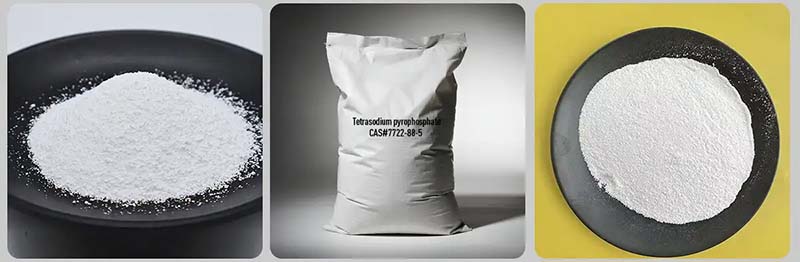
Tetrasodium pyrophosphate (TSPP, CAS 7722-88-5) is an odorless, white powder or granular inorganic sodium salt with the formula Na₄P₂O₇ . It is soluble in water, forming an alkaline solution, and decomposes rather than boiling upon heating . Functioning primarily as a strong chelating agent and emulsifier, it is widely used across industries: in food processing as an emulsifier and thickening agent; in detergents and metal finishing as a water softener and sequestrant; in oil drilling as a dispersant; and in dental hygiene products to control tartar . As a basic chemical, it reacts exothermically with acids and is incompatible with strong oxidizing agents .
1. Overview
Tetrasodium Pyrophosphate is a white, water-soluble inorganic salt that functions as a chelating agent, emulsifier, and buffering agent. It is widely used in food processing, water treatment, industrial cleaning, and oil drilling. TSPP is valued for its ability to sequester metal ions (Ca²⁺, Mg²⁺) and disperse suspended particles.
2. Key Features
Strong Chelator – Binds calcium and magnesium ions, preventing scale formation.
Emulsifying Agent – Stabilizes emulsions in processed foods (meat, dairy).
pH Buffer – Maintains alkaline conditions (1% solution pH ≈ 10.2).
Dispersant – Prevents particle agglomeration in drilling fluids and detergents.
Food Grade Available – Approved as food additive E450(iii) .
3. Key Specifications with Explanation
| Parameter | Typical Value | Explanation |
|---|---|---|
| Appearance | White powder or granules | Discoloration indicates impurities or decomposition. |
| Assay (Purity) | ≥95% – ≥98% | Higher purity ensures consistent performance. |
| P₂O₇ Content | ≥63% | Measures active pyrophosphate content. |
| pH (1% solution) | 10.0 – 10.8 | Strongly alkaline; affects application compatibility. |
| Loss on Ignition | ≤0.5% | Low residue indicates high inorganic purity. |
| Water Insolubles | ≤0.1% – ≤0.2% | Low insolubles prevents clogging and residue. |
| Heavy Metals (as Pb) | ≤0.001% (food grade) | Critical for food/feed safety compliance. |
| Fluoride (F⁻) | ≤0.005% (food grade) | Regulatory limit for food applications. |
| Bulk Density | 0.6 – 0.9 g/mL | Affects packing, transport, and dosing. |
| Particle Size | 60–200 mesh (varies) | Fine powder for fast dissolution; granules for slow release. |
4. Applications
| Application Area | Specific Uses |
|---|---|
| Food Processing | Emulsifier in processed cheese, canned meat (prevents struvite formation), seafood preservative (shrimp/prawn dip), binder in surimi, pH adjuster in dairy. |
| Water Treatment | Scale inhibitor in cooling towers and boilers; sequesters Ca²⁺/Mg²⁺. |
| Industrial Cleaning | Builder in heavy-duty detergents, bottle washing, metal degreasing, floor cleaners. |
| Oil & Gas Drilling | Dispersant and viscosity control in drilling fluids. |
| Textile Processing | Water softener and pH buffer in dyeing and bleaching. |
| Ceramics | Deflocculant for clay slurries, improving flow and reducing water content. |
| Pulp & Paper | Bleaching stabilizer and chelating agent. |
| Personal Care | Buffer and sequestrant in toothpaste, mouthwash, and shampoo. |
5. Grade Comparison
| Grade | Purity | Heavy Metals | Fluoride | Typical Use |
|---|---|---|---|---|
| Food Grade | ≥96.5% | ≤0.001% | ≤0.005% | Processed cheese, meat, seafood, dairy |
| Industrial Grade | ≥95% | Not specified | Not specified | Detergents, water treatment, ceramics |
| High Purity | ≥98% | ≤0.0005% | ≤0.001% | Pharmaceuticals, sensitive formulations |
6. Buying Guide
Select Grade by Application:
Food processing → Food grade (≥96.5%) with heavy metal and fluoride compliance (E450(iii)).
Detergents / cleaning → Industrial grade (≥95%) is cost-effective.
Pharmaceuticals → High purity (≥98%) with low heavy metals.
Storage Conditions:
Store in a cool, dry, well-ventilated area.
Keep tightly sealed – hygroscopic (absorbs moisture).
Avoid contact with acids (releases toxic phosphine gas) .
Shelf life: 24 months when stored properly.
Quality Verification:
Request CoA confirming assay, pH, water insolubles.
For food grade: request heavy metal and fluoride analysis.
7. FAQ
Q: Is TSPP the same as Sodium Tripolyphosphate (STPP)?
A: No. TSPP (Na₄P₂O₇) has a pyrophosphate structure. STPP (Na₅P₃O₁₀) is a longer-chain polyphosphate. STPP is more common in detergents; TSPP has stronger buffering and emulsifying properties.
Q: Is TSPP safe for food consumption?
A: Yes – approved as E450(iii) by EFSA and FDA (GRAS) at regulated levels (typically <2-3% in food). High intake may cause gastrointestinal irritation.
Q: How does TSPP prevent struvite in canned seafood?
A: TSPP chelates magnesium ions (Mg²⁺), preventing formation of magnesium ammonium phosphate hexahydrate (struvite crystals) in canned shrimp, crab, and salmon.
Q: Is TSPP hazardous?
A: Moderately. GHS: H315 (Skin irritation), H319 (Eye irritation), H335 (Respiratory irritation). Use PPE (gloves, goggles, dust mask). Avoid inhalation of dust.
Q: Can TSPP be mixed with acids?
A: No. Reaction with acids releases toxic phosphine gas (PH₃). Always add TSPP to alkaline or neutral solutions.
Q: How does TSPP compare to EDTA as a chelator?
A: TSPP is less expensive but less effective at low concentrations. TSPP works best at alkaline pH (>9). EDTA is more versatile across pH ranges but higher cost.
Q: What is the difference between TSPP and DSP (Disodium Pyrophosphate)?
A: TSPP (Na₄P₂O₇) has 4 sodium atoms – highly alkaline (pH ~10). DSP (Na₂H₂P₂O₇) has 2 sodium atoms – acidic (pH ~4). Used for different applications.
8. Delivery, Certification & Service
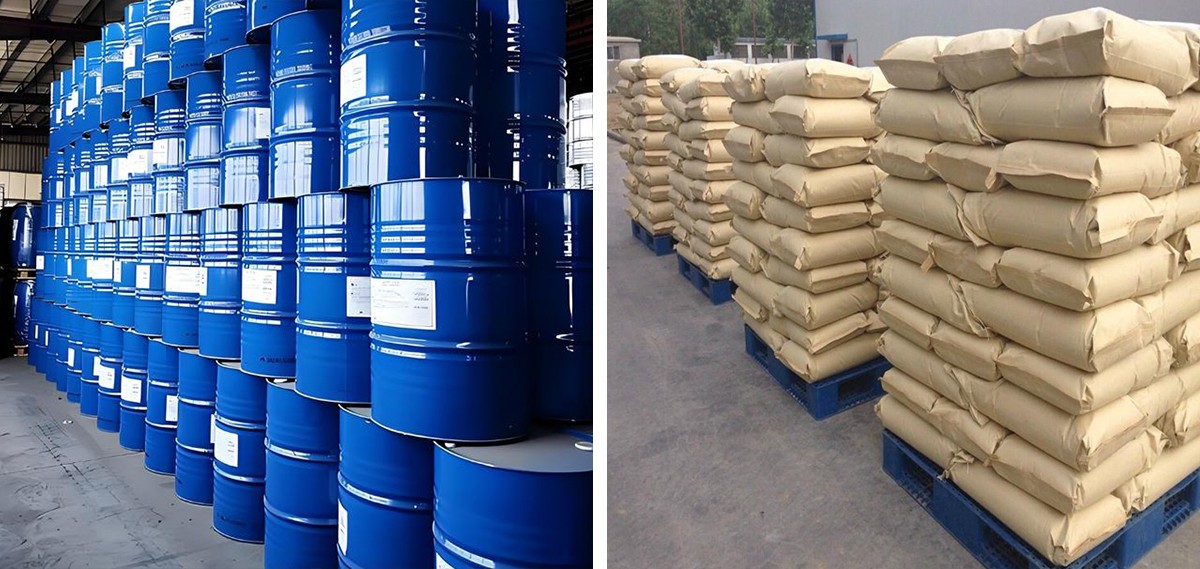
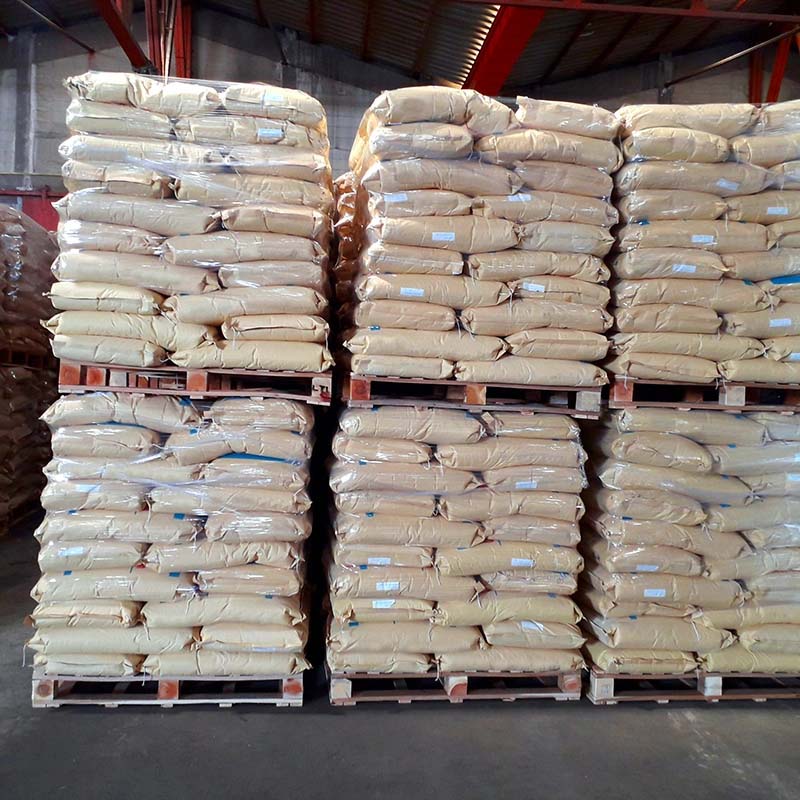
Packaging: 25kg bag (multi-wall paper with PE liner), 500kg/1000kg bulk bag, 50kg drum.
Lead Time: Stock items: 3–7 business days; production orders: 2–3 weeks.
Documentation: CoA (assay, pH, water insolubles, heavy metals), MSDS, TDS.
Certifications: ISO 9001; Food Grade: FSSC 22000, HALAL, KOSHER (varies by supplier).
Shipping: Not classified as dangerous goods for most transport. Avoid acids.