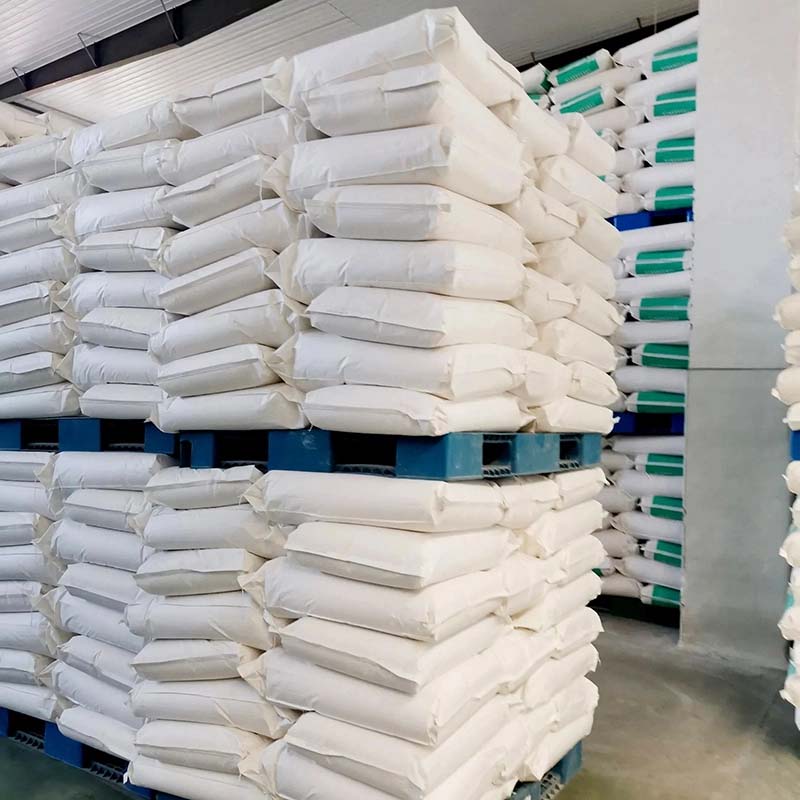
Sodium alginate CAS:9005-38-3
Sodium Alginate – Key Product Advantages
Natural Origin & Eco-Friendly: A natural linear polysaccharide extracted from the cell walls of brown algae. It is inherently non-toxic and biodegradable[2], making it an environmentally sustainable polymer.
Excellent Biocompatibility: With properties similar to the extracellular matrix, it demonstrates high biological safety、is stable in vivo, and degrades into non-toxic products. This qualifies it for advanced biomedical applications, including drug delivery systems, wound dressings, and tissue engineering scaffolds.
Unique Gelation Properties: Dissolves in water to form highly viscous colloidal solutions. Characteristically, it forms thermally irreversible gels upon crosslinking with divalent cations (e.g., Ca²⁺), a property extensively utilized in molecular gastronomy (e.g., artificial caviar, gel beads) and cell microencapsulation.
Wide Range of Applications: Leveraging its versatile properties, it is extensively used as a thickener, stabilizer, emulsifier, binder, and sizing agent across the food industry (ice cream, dairy, sauces), medical and pharmaceutical fields, textile printing & dyeing, as well as in cosmetics and personal care products.
Sodium Alginate – Product Details
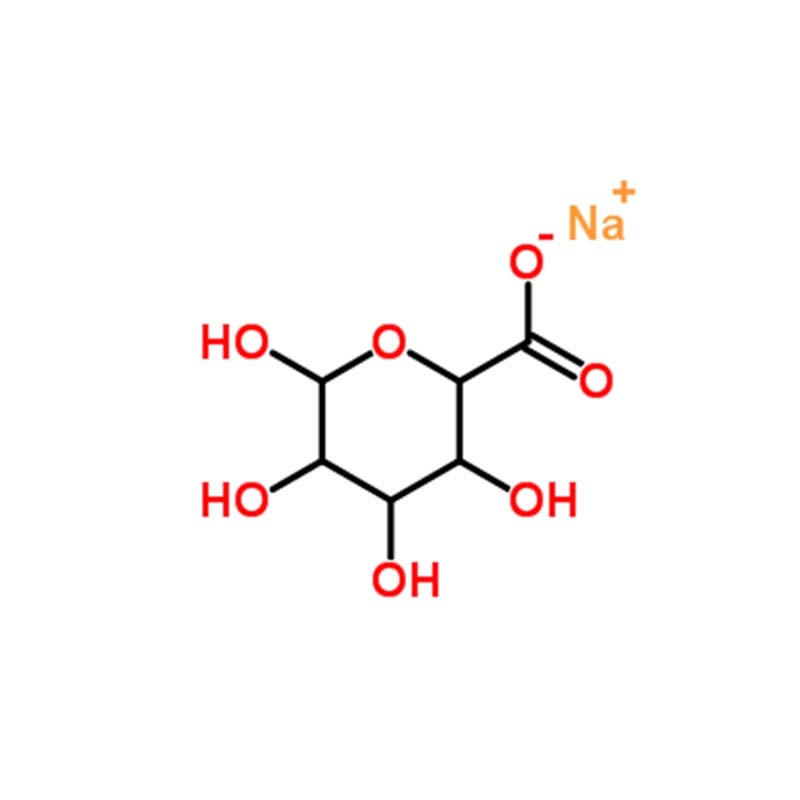
Sodium alginate ((C₆H₇NaO₆)ₙ) is a natural linear polysaccharide biopolymer extracted from brown algae (e.g., kelp) with a molecular weight of 216.12 g/mol. It exhibits water-soluble, non-toxic, biodegradable, and non-immunogenic properties, making it a versatile building block in material science and industrial applications. In biomedical engineering, it is highly valued for its excellent biocompatibility and widely used in wound dressings, drug delivery systems, and tissue engineering scaffolds. As a hydrophilic colloid, it possesses unique gelling, thickening, and stabilizing capabilities, serving as a thickener and stabilizer (EU code E401) in the food industry (e.g., ice cream, yogurt, molecular gastronomy), as well as in textile printing and dyeing.
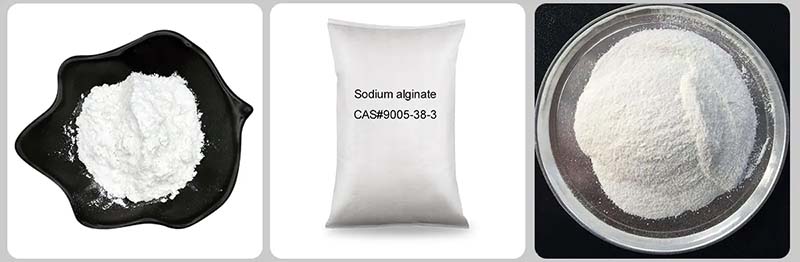
Physical & Chemical Properties
| Property | Value / Description |
|---|---|
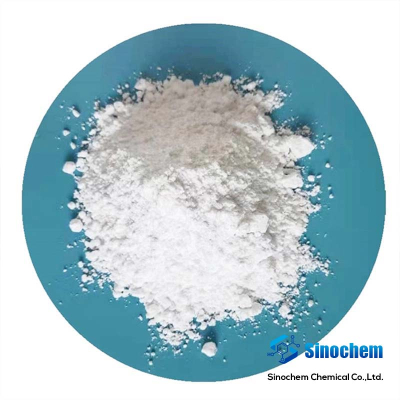
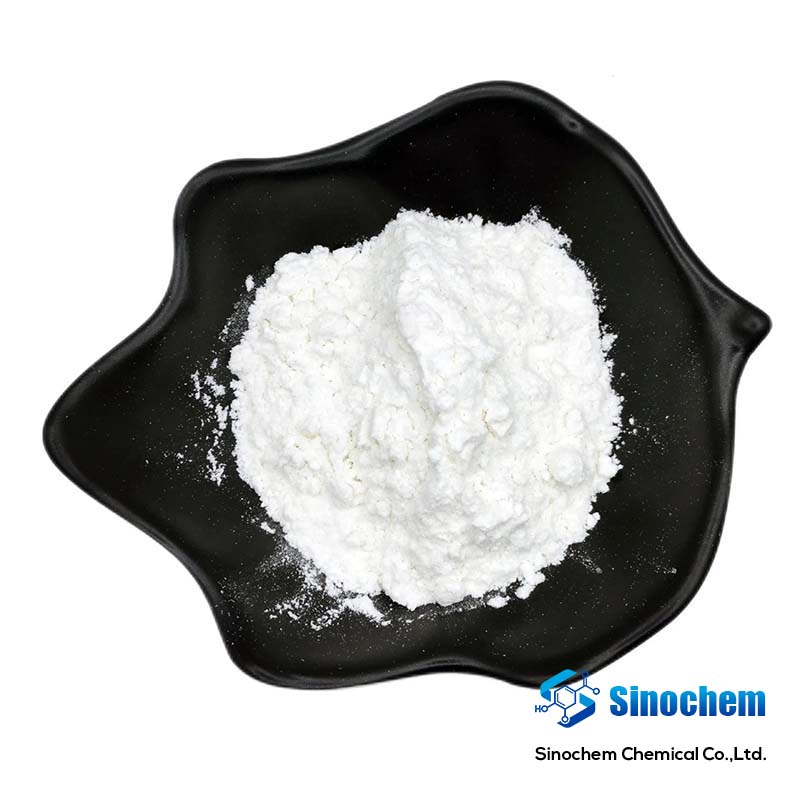
| Appearance | White to off-white powder, odorless |
| Melting Point | 99 °C |
| Density | 1.0 g/cm³ at 25 °C |
| pH (10 mg/mL in H₂O) | 6.0–8.0 |
| FEMA Number | 2014 (ALGIN, from Laminaria spp. and other kelps) |
| Solubility | Slowly soluble in water, forming a viscous colloidal solution; practically insoluble in ethanol (96%) |
| Water Solubility | Soluble in water; insoluble in ethanol, chloroform, and ether |
| Source | Synthetic / Natural |
| Sensitivity | Hygroscopic |
| Storage Temperature | 2–8 °C, tightly sealed in a dry place |
| Stability | Stable. Incompatible with strong acids, strong bases, and strong oxidizing agents |
| LogP | -2.88 |
| Merck Index | 14,241 |
| CAS Database Reference | 9005-38-3 |
| EPA Substance Registry | Sodium alginate (9005-38-3) |
Safety & Regulatory Information
| Parameter | Value / Description |
|---|---|
| Hazard Codes | Xi (Irritant) |
| Risk Phrases (R-Phrases) | R36/37/38: Irritating to eyes, respiratory system and skin |
| Safety Phrases (S-Phrases) | S24/25: Avoid contact with skin and eyes; S36: Wear suitable protective clothing; S26: In case of contact with eyes, rinse immediately with plenty of water and seek medical advice |
| WGK (Germany) | 1 |
| RTECS | AZ5820000 |
| F Code | 3 |
| TSCA Listed | Yes |
| HS Code | 39131000 |
| Hazardous Substances Data | 9005-38-3 |
| Acute Toxicity (oral, rat) | LD₅₀ > 5 g/kg |

Sodium Alginate – Applications
Food Industry — Thickening, Stabilizing & Gelling:Sodium alginate is widely used as a thickener, emulsion stabilizer, and gelling agent. In ice cream, it improves shape retention and texture; in sauces, jams, ketchup, and canned products, it enhances stability and reduces liquid separation. Its ability to form thermally irreversible gels upon crosslinking with calcium ions also enables innovative applications such as artificial caviar in molecular gastronomy.
Biomedicine — Wound Care, Drug Delivery & Tissue Engineering:Capitalizing on its excellent biocompatibility and moisture-absorbing properties, sodium alginate is developed into medical dressings with hemostatic, antibacterial, and wound-healing functions. As a drug carrier, it enables controlled-release, targeted delivery, and biomacromolecule delivery;in tissue engineering, it serves as a cell microencapsulation carrier and scaffold material widely used in cartilage, bone, and skin tissue repair.
Textile Printing & Dyeing — Sizing & Printing Paste:Sodium alginate serves as a key sizing agent and printing paste thickener in the textile industry, suitable for cotton, wool, silk, nylon, and other fabrics. It performs particularly well in reactive dye printing, helping achieve uniform color and sharp pattern definition.
Personal Care & Cosmetics — Thickening, Stabilizing & Film-Forming:Thanks to its thickening, stabilizing, and film-forming properties, sodium alginate is used in toothpaste, shampoo, lotions, creams, and facial masks, improving paste fluidity and product texture.