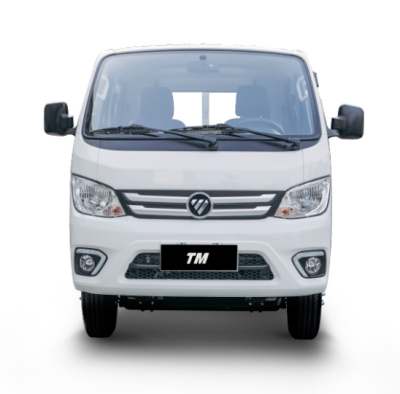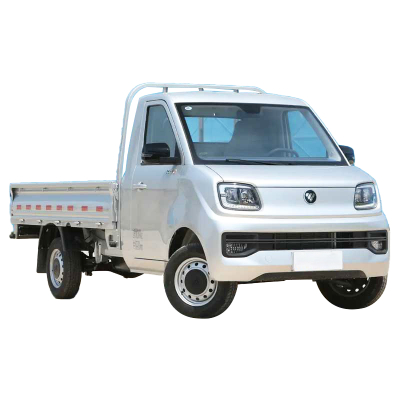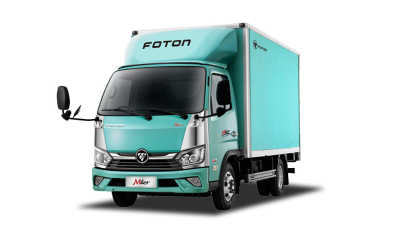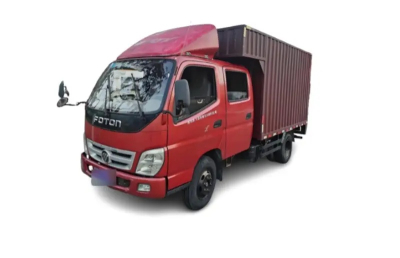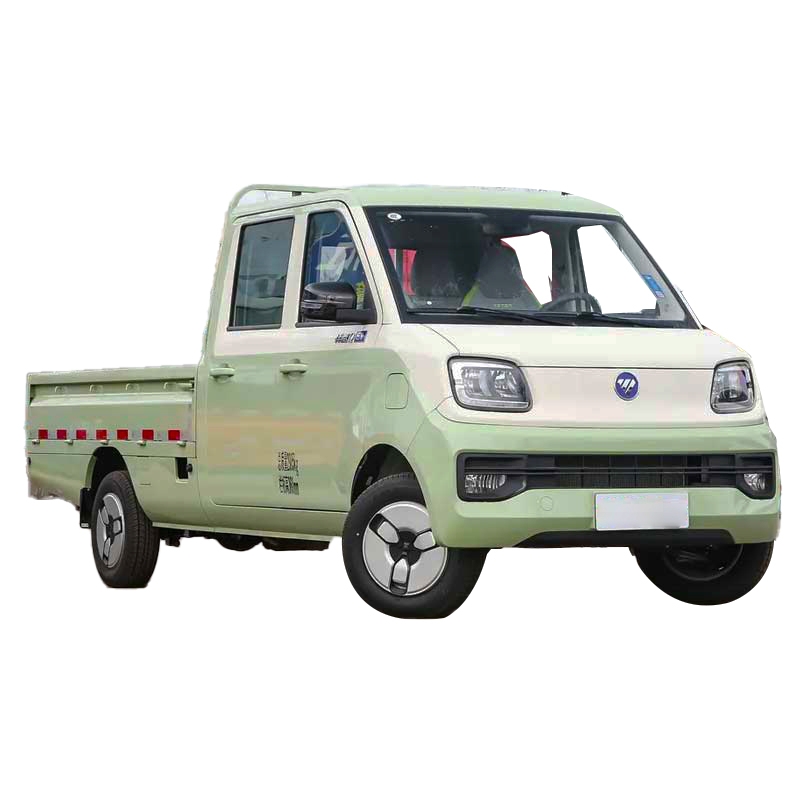
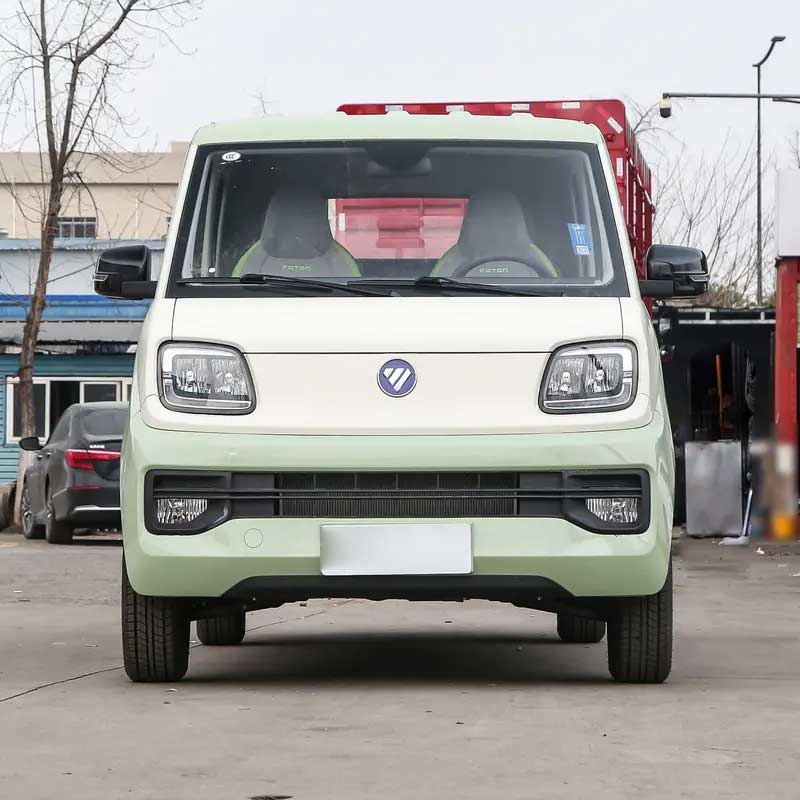
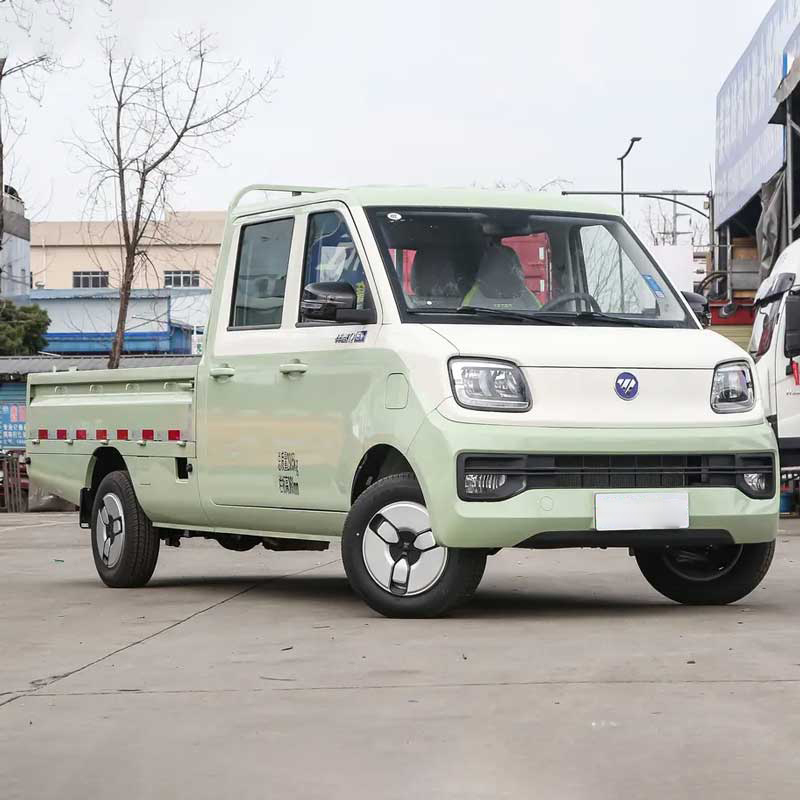
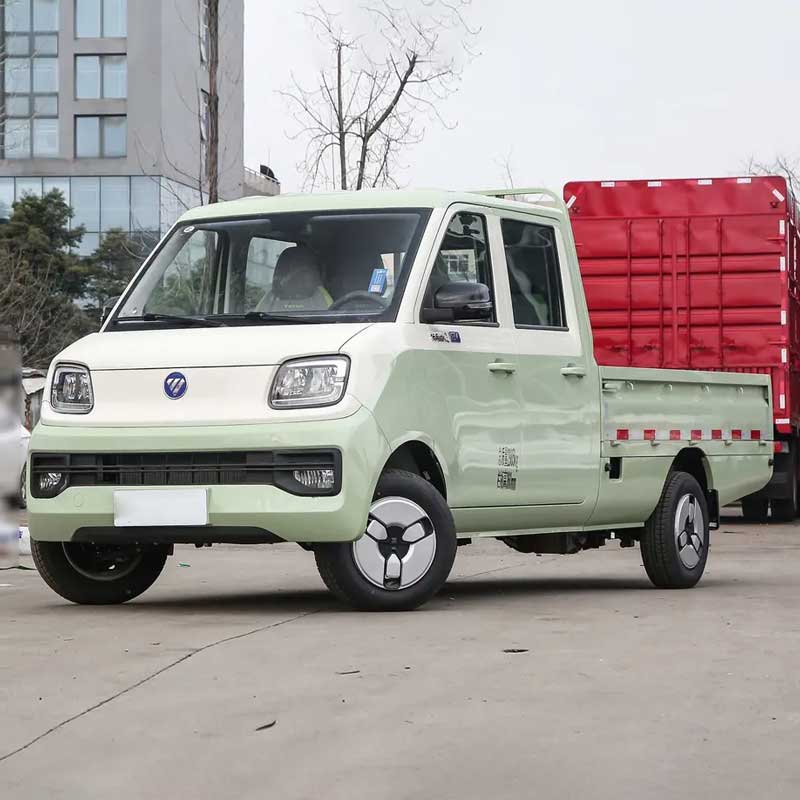
Ningde Time battery cell | Xiangling QEV pure electric microvan | 41.86 kWh lithium iron phosphate battery
Vehicle Type: Pure Electric Micro-truck
Drive Configuration: Rear-motor, Rear-wheel drive (typically integrated e-axle)
Key Features: Zero emissions, ultra-low operating costs, favorable urban traffic permissions for NEVs, quiet operation, simplified maintenance.
1. Core Electric Powertrain (The "Three Electric" Systems)
Battery Pack:
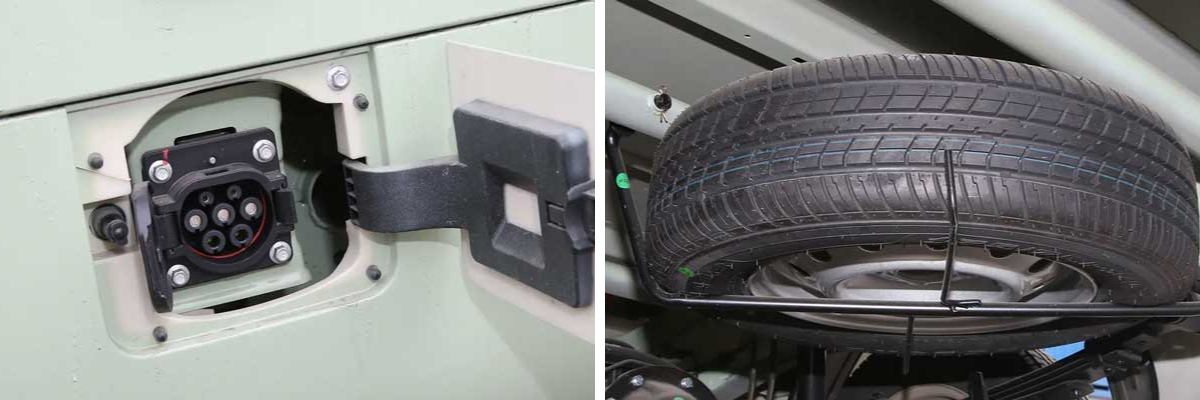
AC Slow Charge (0-100%): Approximately 8-10 hours.
DC Fast Charge (30-80%): Supported by most models, taking about 1-2 hours (dependent on charger power).
Warranty: Battery core components typically carry a warranty of 5 years or 200,000 km (confirm exact policy).
Type: Mainly uses Lithium Iron Phosphate (LFP) batteries, valued for high safety and long cycle life.
Capacity: Common configurations include ~41.86 kWh and ~49.92 kWh.
Supplier: May include major brands like CATL, Gotion High-tech, or EVE Energy.
Charging:
Electric Drive Motor:
Type: Permanent Magnet Synchronous Motor.
Peak Power: Commonly around 60 kW.
Peak Torque: Commonly around 220 N·m.
Characteristics: Instant torque delivery for brisk acceleration, smooth and quiet operation with no gear shifts.
Electronic Control Unit (ECU):
Manages vehicle energy distribution, motor control, and regenerative braking.
Regenerative Braking: Recovers kinetic energy during deceleration to extend driving range.
2. Performance & Range
CLTC Comprehensive Range: Typically between ~240 km to ~300 km, depending on battery capacity.
Top Speed: Approximately 90 km/h, sufficient for urban and suburban limits.
Payload Capacity: Comparable to its ICE counterparts, often around 1 metric ton (check official vehicle certification).
3. Chassis & Dimensions
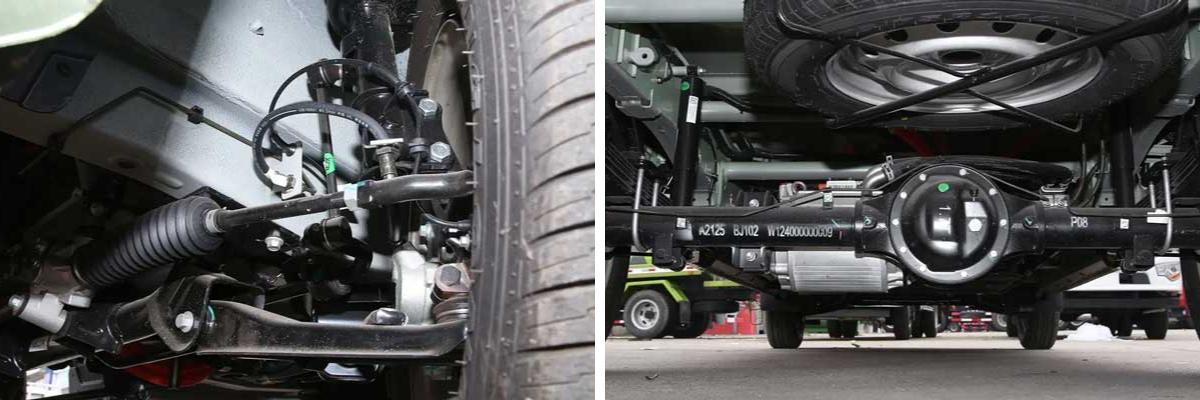
Frame: Adapted from proven ICE platform for reliable load-bearing.
Suspension: Independent MacPherson strut front; Leaf spring rear (number of leaves varies by load rating).
Tires: Usually 185R14LT load-rated tires (rear duals).
Body & Cargo Box:
Cab: Primarily Single Cab (2 seats).
Body Types: Flatbed truck and Enclosed van are the most common.
Example Cargo Box (Flatbed): Length ~3.1m to ~3.7m, Width ~1.6m to ~1.7m.
4. Interior & Features
Instrument Cluster: EV-specific digital display showing state of charge, remaining range, energy flow, voltage, etc.
Gear Selector: Rotary dial or lever-style electronic selector.
Other Features: Standard power windows, central locking, manual A/C, radio. Higher trims may offer a touchscreen and rearview camera.
5. Key Advantages & Use Cases
Exceptional Economy: Electricity cost is significantly lower than diesel/petrol. Reduced maintenance (no engine oil, filters, etc.).
Urban Access Advantages: Often exempt from traffic restrictions (like time-based bans) applied to conventional trucks in many cities.
Quiet & Clean Operation: Ideal for night deliveries, operations within residential complexes, warehouses, and eco-sensitive zones.
Fixed-Route Specialist: Perfect for predictable, intra-city delivery routes (e.g., courier/logistics, supermarket supply, appliance delivery).