Indonesia accelerates the development of electric vehicle industry
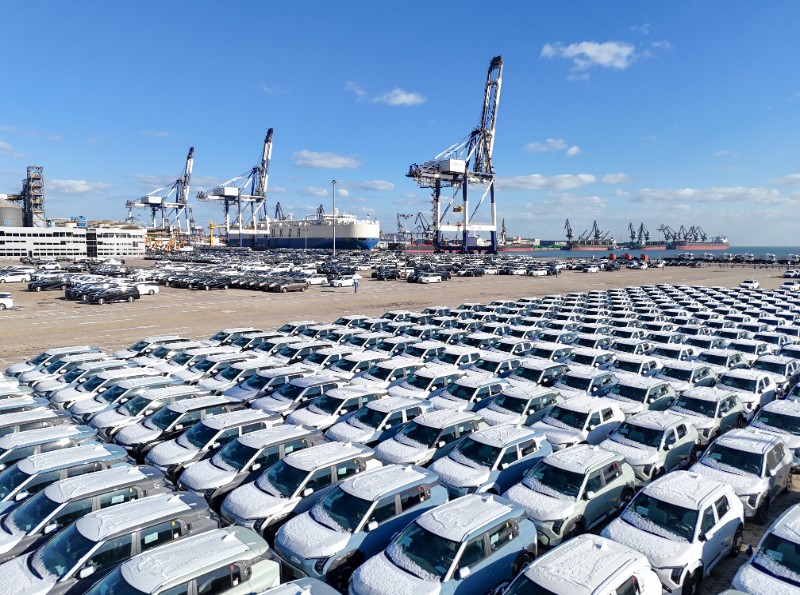
Indonesia's Ministry of Industry stated earlier this year that it will provide tax incentives to several automakers, including China's BYD, GAC Aion, and France's Citroën, to support their establishment of production bases in Indonesia and boost the country's electric vehicle (EV) industry. The Indonesian government aims to demonstrate its commitment to offering a favorable business environment for global investors and automakers through this initiative. Minister of Industry Agus Gumiwang Kartasasmita emphasized that the policy will help Indonesia become a key EV production hub in Southeast Asia.
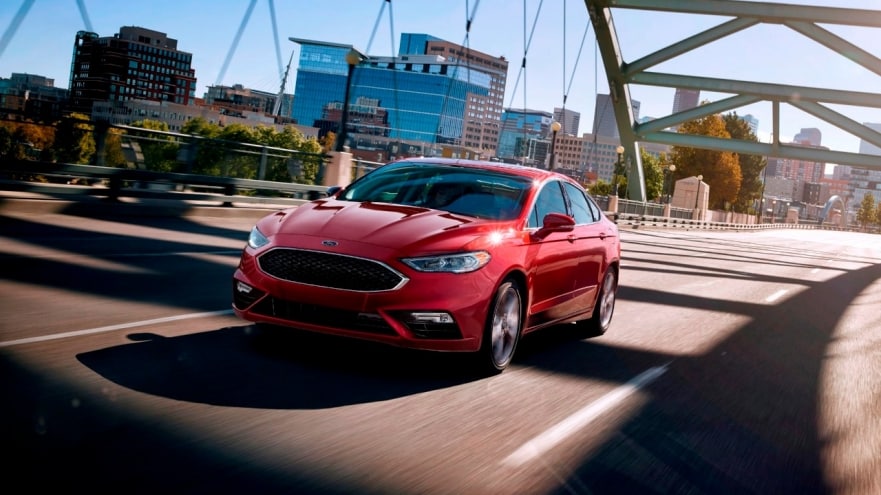
Indonesia is endowed with abundant mineral resources such as nickel, tin, cobalt, copper, and bauxite—with nickel and cobalt being essential raw materials for EV power batteries. The Indonesian government is leveraging its resource advantages to develop a complete EV industrial chain and establish itself as a regional hub for EV battery production. In recent years, companies like CATL and Foxconn have partnered with Indonesian enterprises to build integrated EV and battery supply chains, covering nickel mining and smelting, battery material production, and recycling.
Last July, Southeast Asia's first EV battery factory officially commenced operations in West Java, Indonesia. Former Minister of Investment Bahlil Lahadalia noted that the factory would help Indonesia become the first country in Southeast Asia with a comprehensive EV ecosystem. In August 2023, a lithium-ion battery anode material factory invested by China's BETTERURE New Materials Group began production in Kendal Industrial Park, Central Java. With an annual capacity of 80,000 tons, the factory can meet the demand for 1.5 million EVs, filling Indonesia's gap in lithium-ion battery anode material production. Former Indonesian President Joko Widodo stated that Indonesia is building an integrated EV ecosystem with the assistance of Chinese enterprises, integrating into the global EV supply chain.
The Indonesian government also attaches great importance to the construction of EV supporting infrastructure. As of December 2023, Indonesia had 2,667 EV charging stations. The government plans to increase this number to nearly 50,000 by 2030. Many Indonesian EV-related enterprises are strengthening international cooperation to develop charging facilities and services. Last July, six Indonesian charging operators partnered with Hyundai Motor to establish an EV charging alliance, allowing users to access charging services from different operators via a mobile app.