International Observation | Europe's Automotive Industry Grapples with Electrification Transition Dilemma
2025/12/03 09:07
Europe's Automotive Industry Grapples with Electrification Transition Dilemma
European automakers are increasingly openly divided over their electrification transition. The recently concluded 2025 International Motor Show Germany (IAA Mobility) served as a magnifying glass for the industry's conflicting realities: while automakers showcased their latest electric models to project a "green pioneer" image, they collectively called for a delay to the 2035 ban on new fossil fuel-powered vehicles. This highlights the predicament facing Europe's automotive sector in its new energy transition and reflects the EU's difficult balancing act between climate commitments and industrial realities.
Doubts Loom Over Fossil Fuel Vehicle Ban Target
The European Union approved regulations in March 2023, mandating a ban on new carbon-emitting fossil fuel-powered passenger cars and light commercial vehicles starting from 2035 to reduce carbon emissions from the transportation sector.
However, two major European automotive industry associations—the European Automobile Manufacturers' Association (ACEA) and the European Association of Automotive Suppliers (CLEPA)—jointly sent a letter to European Commission President Ursula von der Leyen in late August. They stated that the EU's ambitious carbon dioxide emission reduction targets are no longer feasible, and Europe's automotive transition must confront industrial and geopolitical realities.
This stance received echoes from German politicians during the IAA Mobility show. German Chancellor Friedrich Merz emphasized that the government firmly supports the automotive industry's electrification while calling for regulatory flexibility. He stressed that unilaterally dictating technical paths through political means is a mistake, and the industry should maintain technological openness, balancing industrial competitiveness with climate protection.
At the industry level, senior executives from major automakers such as Mercedes-Benz, BMW, and Stellantis unanimously stated during the Munich show that a complete ban on fossil fuel vehicles by 2035 is "unrealistic." They called for retaining room for the development of extended-range electric vehicles (EREVs), hybrid electric vehicles (HEVs), and small-displacement fossil fuel-powered vehicles.
These appeals directly address the practical dilemmas facing the electric vehicle (EV) market. In recent years, numerous EV models launched by leading automakers have failed to gain widespread consumer acceptance, forcing many companies to adjust their development strategies. Mercedes-Benz announced in early last year that it would delay its original target of electric vehicles accounting for 50% of sales by 2025, stating that it will continue to update its internal combustion engine (ICE) product lines over the next decade. Audi shelved its ambitious plan to achieve full electrification by 2032, announcing that it will continue selling fossil fuel-powered vehicles for the next 7 to 10 years. Oliver Blume, Chairman of the Board of Management of Volkswagen Group, openly stated that due to the slowdown in pure electric vehicle sales, the EU must revise its carbon dioxide emission reduction targets for new cars.
Sluggish Transformation in the Automotive Industry
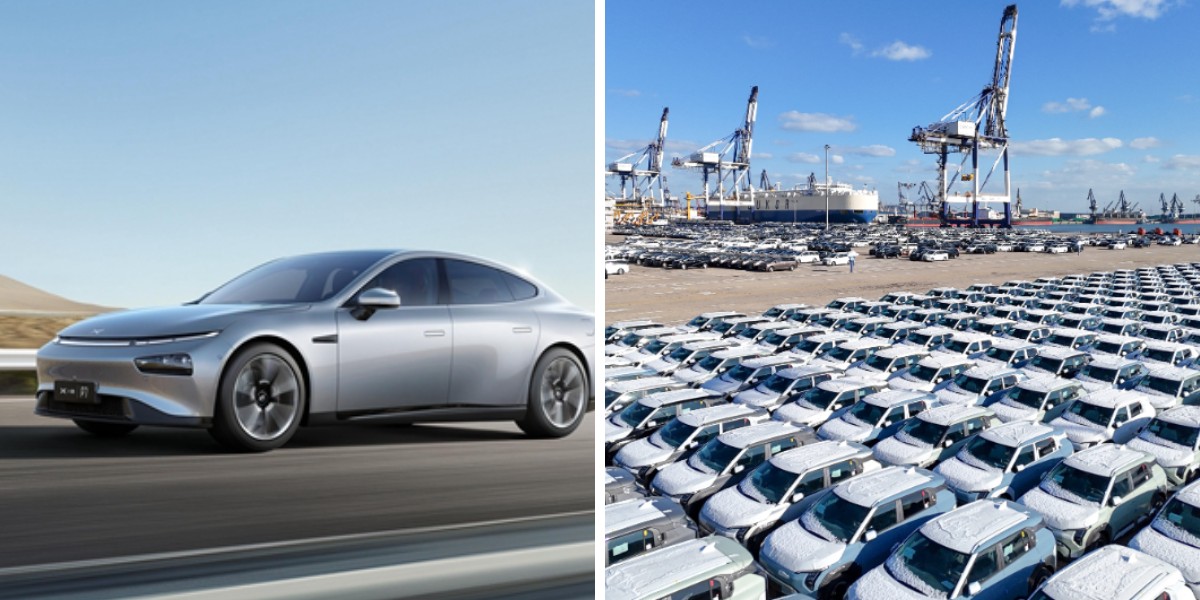
European automakers are confronting multiple practical dilemmas in their electrification transition. Over the past decade, Europe has underinvested in the new energy sector, with repeated setbacks in its battery industry layout. Northvolt, a Swedish power battery manufacturer founded in 2016, once garnered high expectations—backed by investments from Goldman Sachs, BMW, Volkswagen, and others—aiming to compete with CATL and LG Energy Solution. However, the company ultimately failed to meet projections and filed for bankruptcy protection at the end of 2024, highlighting Europe’s significant shortcomings in key components and core technologies.
Ola Källenius, President of the European Automobile Manufacturers' Association (ACEA) and Chairman of the Board of Management of Mercedes-Benz Group, noted that if the EU mandates 100% electrification of new cars by 2035, Europe will become highly dependent on the Asian market for the battery value chain. He emphasized that Europe has achieved near self-sufficiency in internal combustion engine (ICE) technology, stating, "Maintaining technological openness ensures strategic independence."
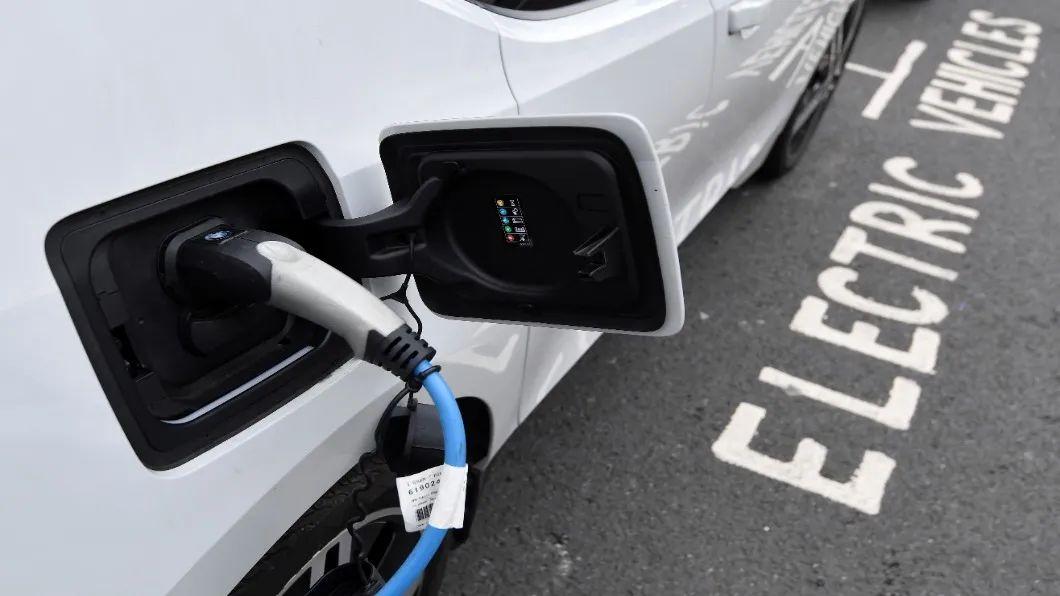
Meanwhile, European automakers face multiple structural challenges: slow and uneven development of charging infrastructure; soaring electricity prices driving up the cost of electric vehicle (EV) usage; rising production costs; and additional pressure from tariffs imposed by the United States. The confluence of these factors has further increased the difficulty for European enterprises to achieve full electrification in the short term.
Germany, a veteran automotive powerhouse, has also fallen into a transformation predicament. After ending EV purchase subsidies at the end of 2023, sales of electric vehicles in Europe’s largest single market slumped significantly, exacerbating industry pressures. Financial reports from automakers such as BMW, Mercedes-Benz, and Volkswagen show a sharp decline in profits since last year. Over the past year, Germany’s automotive industry has lost approximately 51,500 net jobs, making it the hardest-hit industrial sector.
Analysts point out that European automakers’ wavering stance on electrification stems not from ideological disputes but from overwhelming practical pressures: on one hand, they must compete with leading EV manufacturers globally; on the other, they must address immense challenges in technology, supply chains, and employment. Against this backdrop, the 2035 target is more than just a policy—it has become a watershed moment determining whether Europe’s automotive industry can maintain its competitive edge in the global marketplace.
Stance and Strategy: The Great Game of Automotive Transition
Mounting transition pressures have forced some European automakers to adopt a diversified technology roadmap. The European Automobile Manufacturers' Association (ACEA) recommends that, in addition to upholding this diversified approach, the EU should enhance purchase subsidies, tax breaks, and electricity price incentives to boost consumer acceptance. The industry generally agrees that battery electric vehicles (BEVs) will eventually become the mainstream, but other low-carbon technologies remain indispensable during the transition period.
Some automakers firmly support the 2035 fossil fuel vehicle ban, viewing it as a critical measure to safeguard Europe’s competitiveness. Mark Hauptner, CEO of Kia Europe, emphasized that the European market is experiencing a new wave of electrification, and any policy disruption would come at a huge cost. Kia has already launched mass production of its electric vehicle EV4 at its Slovakian plant and plans to achieve full compliance by 2035.
Ferdinand Dudenhöffer, a German automotive economics expert, pointed out that as electric vehicle prices gradually align with those of fossil fuel-powered vehicles and carbon emission taxes are implemented, the appeal of fossil fuel vehicles will continue to decline, and the market will complete the transition organically. He predicts that by around 2030, the prices of electric vehicles and fossil fuel-powered vehicles will be roughly equivalent, and the controversy over the fossil fuel vehicle ban is likely to fade accordingly.
The EU is seeking a balance amid the tug-of-war between the two factions. On September 12th, Ursula von der Leyen hosted the third Strategic Dialogue on the Future of Europe’s Automotive Industry. European automakers called for greater flexibility in implementing emission reduction targets, but the EU reaffirmed its unwavering commitment to the 2035 full ban on fossil fuel-powered vehicles. In March this year, von der Leyen announced the postponement of the new car carbon emission assessment—originally scheduled to start in 2025—to 2027, providing the industry with a transitional buffer. However, some automakers and environmental organizations criticized this move, arguing that slowing down the pace amounts to accommodating laggards and may ultimately undermine the overall competitiveness of Europe’s automotive industry.
Industry experts contend that the 2035 fossil fuel vehicle ban is not merely an industrial transition target but also a litmus test for the EU’s leadership in climate governance. Upholding the target will push enterprises to accelerate innovation and upgrading; compromising, on the other hand, may consign Europe to falling behind in the global new energy competition. Europe’s automotive industry is navigating an unprecedentedly complex game of strategy on its path toward new energy transition.