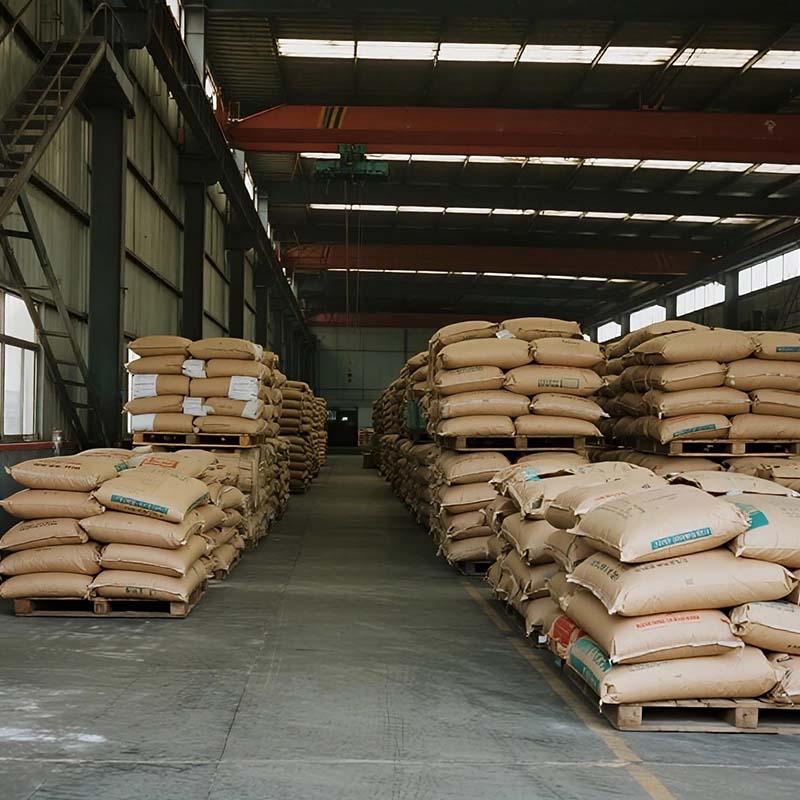
Tetrabutylammonium Iodide (TBAI) CAS : 311-28-4
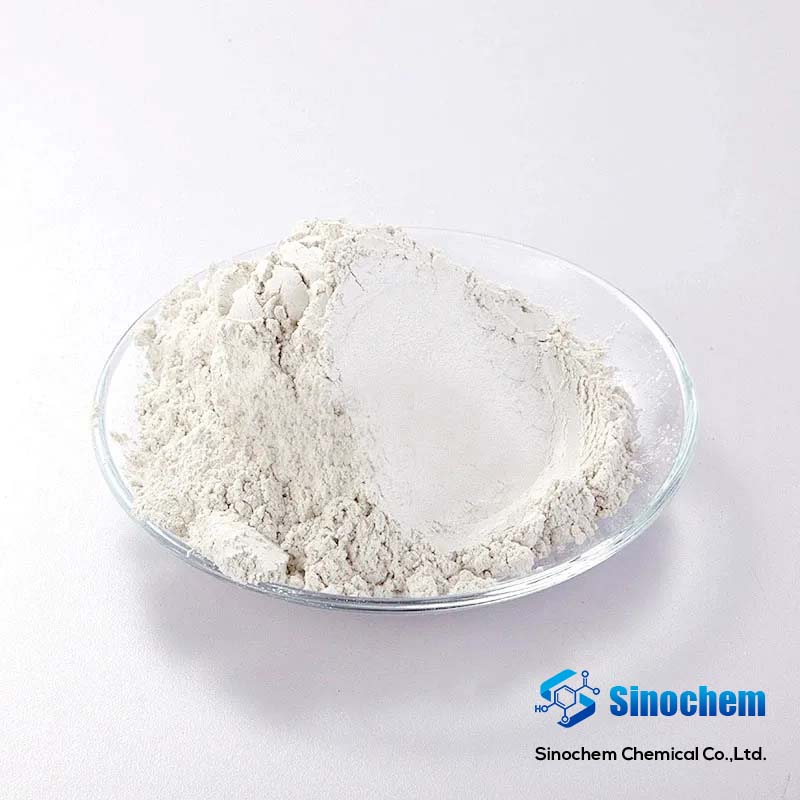
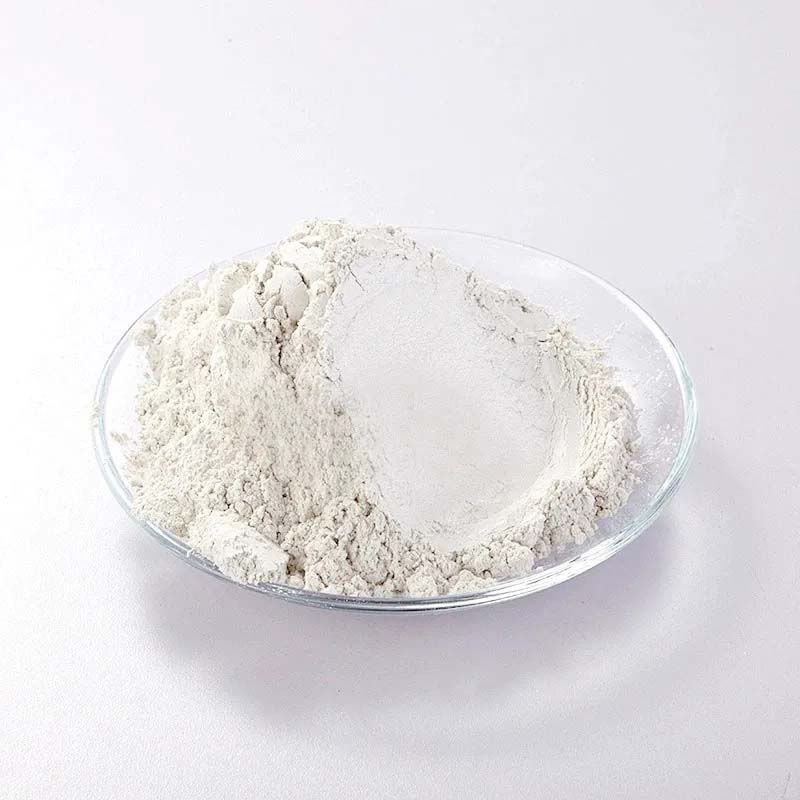
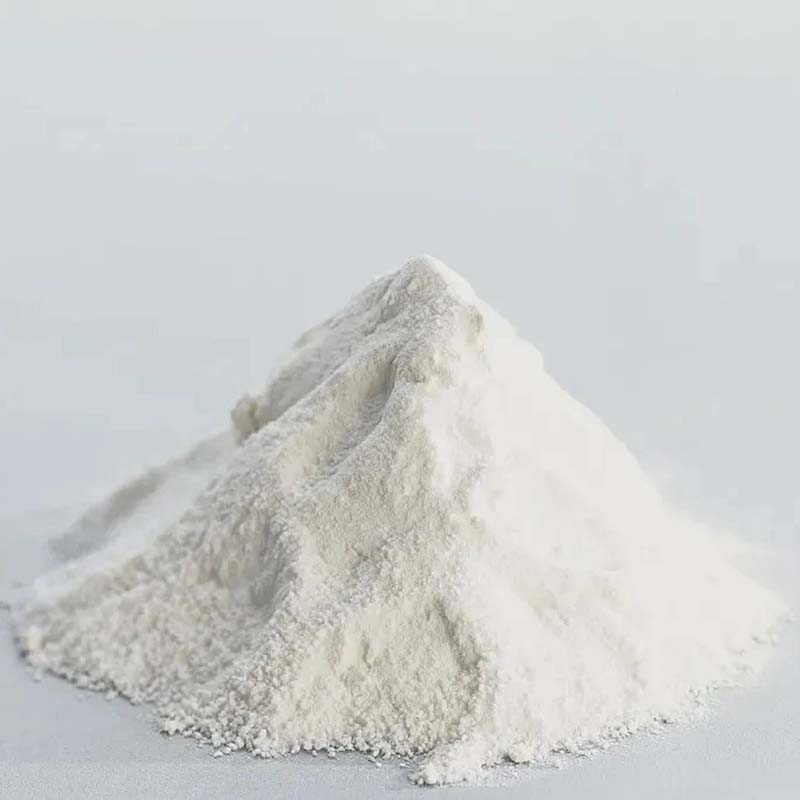
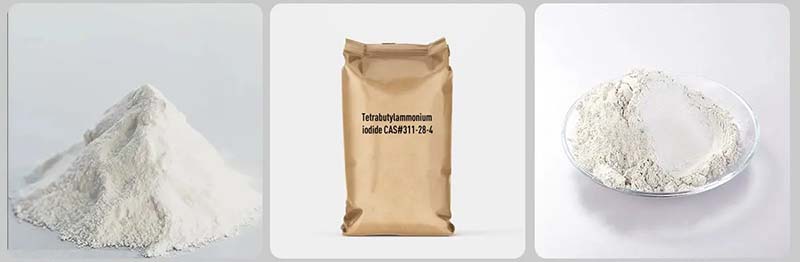
Tetrabutylammonium iodide (TBAI, CAS 311-28-4) is a white to cream-colored crystalline powder with the formula C₁₆H₃₆IN . It is a quaternary ammonium salt that is soluble in water and polar organic solvents, and it exhibits hygroscopic and light-sensitive properties . Its primary value in research and industry is as a highly efficient phase-transfer catalyst (PTC) in organic synthesis, where it facilitates reactions between aqueous and organic phases for the production of esters, ethers, and other compounds . Furthermore, it is utilized as a source of iodide ions in nucleophilic displacement reactions, as a supporting electrolyte in electrochemistry, and as an ion-pairing reagent in analytical chemistry
1. Overview
Tetrabutylammonium Iodide is a quaternary ammonium salt widely used as a phase-transfer catalyst and iodide ion source. It appears as a white to off-white crystalline powder, highly soluble in organic solvents. The iodide counterion provides unique reactivity, making TBAI particularly valuable in organic synthesis, particularly for iodination reactions and as a reducing agent activator.
2. Key Features
Phase Transfer Catalyst: Excellent for nucleophilic substitutions, alkylations, and other two-phase reactions.
Iodide Source: Provides nucleophilic I⁻ ions for SN2 reactions, halogen exchange (Finkelstein reaction), and iodination.
High Purity: Available in ≥98% to ≥99% grades for research and industrial applications.
Good Solubility: Soluble in polar organic solvents (acetone, acetonitrile, DCM, DMF) and moderately in water.
Thermal Stability: Stable up to ~200°C, suitable for high-temperature reactions.
3. Key Specifications with Explanation
| Parameter | Typical Value | Explanation |
|---|---|---|
| Appearance | White to off-white crystals/powder | Indicates purity; yellow/brown suggests iodine release or degradation. |
| Assay (Purity) | ≥98.0% – ≥99.0% | Higher purity ensures consistent catalytic activity and clean reaction profiles. |
| Molecular Weight | 369.37 g/mol | Essential for precise molar calculations. |
| Melting Point | 145–148°C | Narrow range indicates high crystallinity and purity. |
| Loss on Drying | ≤0.5% | Low moisture critical for moisture-sensitive reactions. |
| Residue on Ignition | ≤0.1% | Low inorganic impurities. |
| Solubility | Soluble in acetone, ACN, DCM, DMF | Allows use in various organic reaction media. |
4. Applications
| Application Area | Specific Uses |
|---|---|
| Organic Synthesis | Phase-transfer catalyst for alkylations, SN2 reactions, Finkelstein halogen exchange. |
| Cross-Coupling Reactions | Co-catalyst or additive in palladium-catalyzed couplings (Suzuki, Heck, Sonogashira). |
| Iodination | Iodide source for introducing iodine into organic molecules. |
| Polymer Chemistry | Catalyst in polymerization reactions and polymer modification. |
| Electrochemistry | Supporting electrolyte for electrochemical studies. |
| Dye-Sensitized Solar Cells (DSSCs) | Component in electrolyte formulations. |
5. Grade Comparison
| Grade | Purity | Typical Use |
|---|---|---|
| Research Grade | ≥97% | General organic synthesis, academic research. |
| High Purity | ≥98.0% | Phase-transfer catalysis, cross-coupling reactions. |
| ACS Grade | ≥99.0% | Analytical applications, pharmaceutical intermediates, sensitive synthesis. |
6. Buying Guide
Select Grade by Application:
Routine synthesis → ≥97% research grade is cost-effective.
Cross-coupling reactions → ≥98% ensures consistent results.
Pharmaceutical/analytical → ≥99% ACS grade required.
Storage Conditions:
Light sensitive – store in dark or amber bottles.
Hygroscopic – absorbs moisture; keep tightly sealed.
Store in cool, dry place (2–8°C recommended for long-term storage).
Quality Checks:
Check appearance – should be white to off-white. Yellow/brown color indicates I₂ release from degradation.
Request CoA to verify purity and melting point.
7. FAQ
Q: How is TBAI different from TBAB or TBAHS?
A: Different counterions. TBAI has I⁻ (iodide) – good nucleophile; TBAB has Br⁻ (bromide); TBAHS has HSO₄⁻ (acidic). TBAI is preferred for iodination and Finkelstein reactions.
Q: Why does my TBAI appear slightly yellow?
A: Iodide salts can release trace iodine (I₂) upon prolonged exposure to light, air, or heat. Slight yellowing is common but significant darkening indicates degradation. Store in dark at low temperature to prevent.
Q: Is TBAI hazardous?
A: Moderately. GHS: H315 (Skin irritation), H319 (Eye irritation), H335 (Respiratory irritation). Use PPE (gloves, goggles). Avoid strong oxidizing agents.
Q: How should I store TBAI?
A: In an amber glass bottle (light protection), tightly sealed, under inert gas (argon/nitrogen) if possible. Refrigeration (2–8°C) recommended. Avoid contact with strong oxidizers.
Q: Can TBAI be used in aqueous reactions?
A: Yes, but TBAI has limited water solubility (~soluble). It works best as a PTC in biphasic organic–aqueous systems.
8. Delivery, Certification & Service
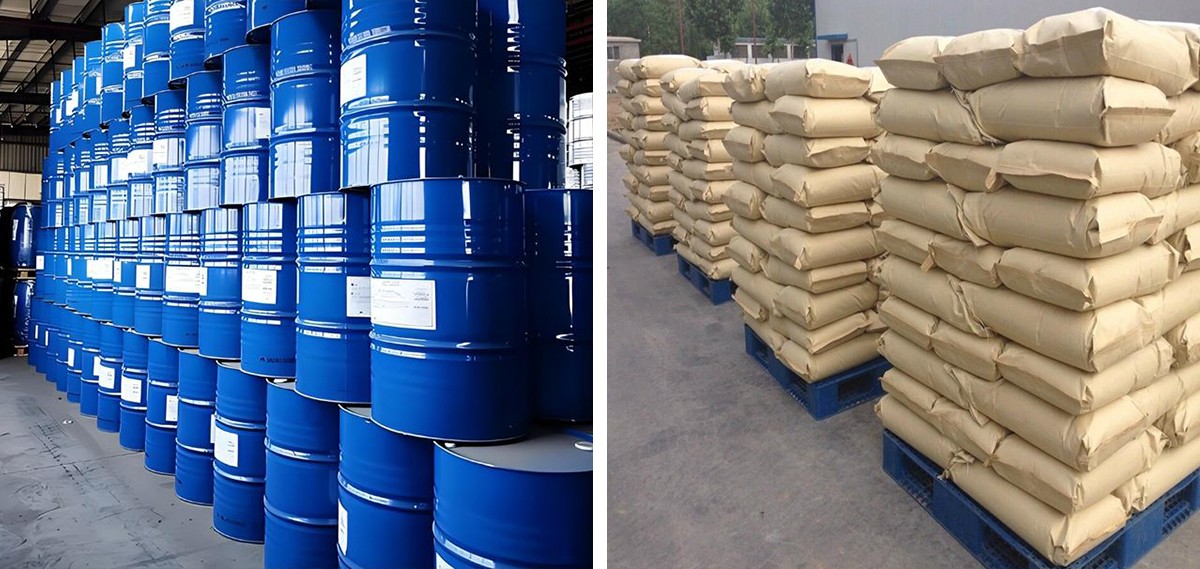
Packaging: 25g, 100g, 500g, 1kg bottles; 25kg drums.
Lead Time: Stock items ship within 3–5 business days.
Documentation: CoA, MSDS, TDS available.
Certifications: ISO 9001 certified. Products meet ≥98% purity specification.
Storage Recommendation: Upon receipt, store in amber glass, tightly sealed, 2–8°C, protected from light.