Tetrabutylammonium Hydrogen Sulfate (TBAHS) CAS .: 32503-27-8
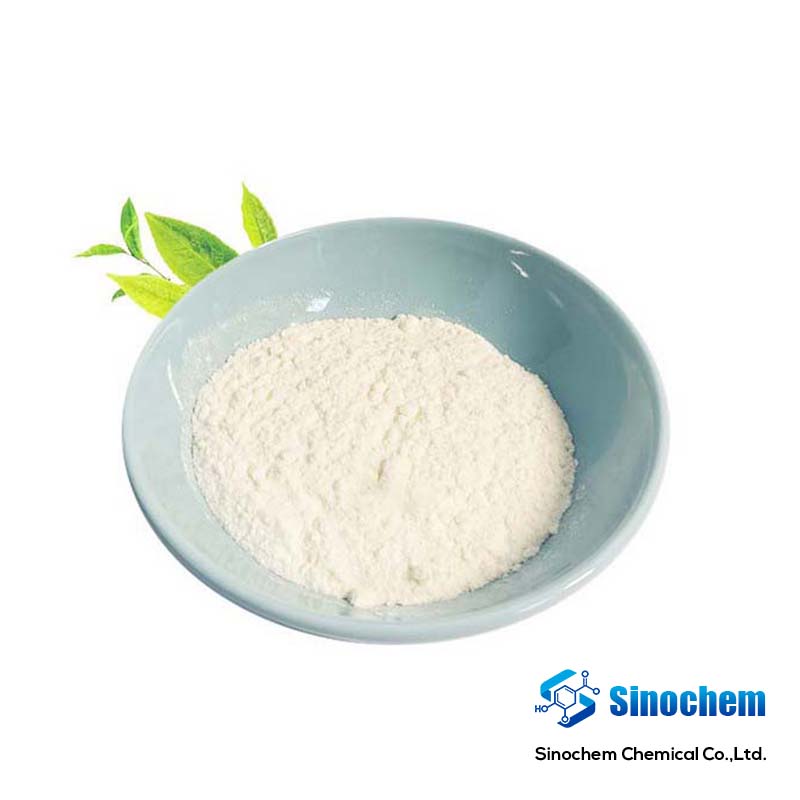
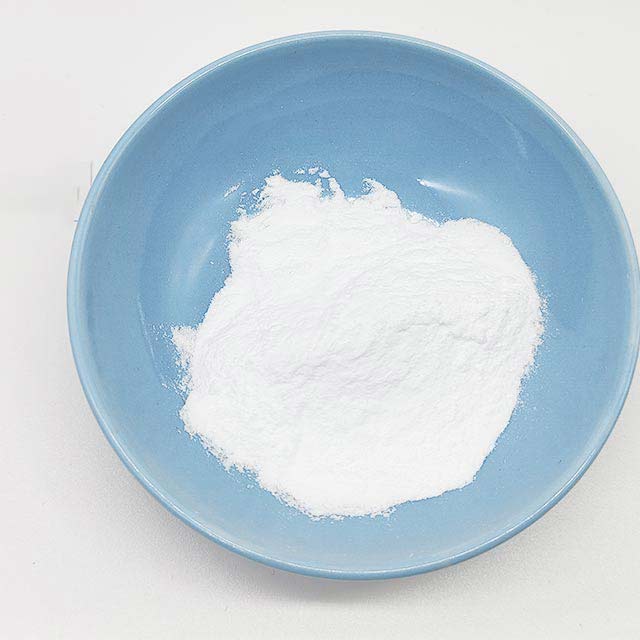
Tetrabutylammonium hydrogen sulfate (TBAHS, CAS 32503-27-8) is a white to off-white crystalline quaternary ammonium salt with the formula C₁₆H₃₇NO₄S . It is freely soluble in water and highly hygroscopic . This compound is primarily valued as an efficient phase-transfer catalyst in organic synthesis, facilitating reactions like alkylations and ether syntheses by shuttling reagents between aqueous and organic phases . It also serves as an ion-pairing reagent in chromatography and a surfactant
1. Overview
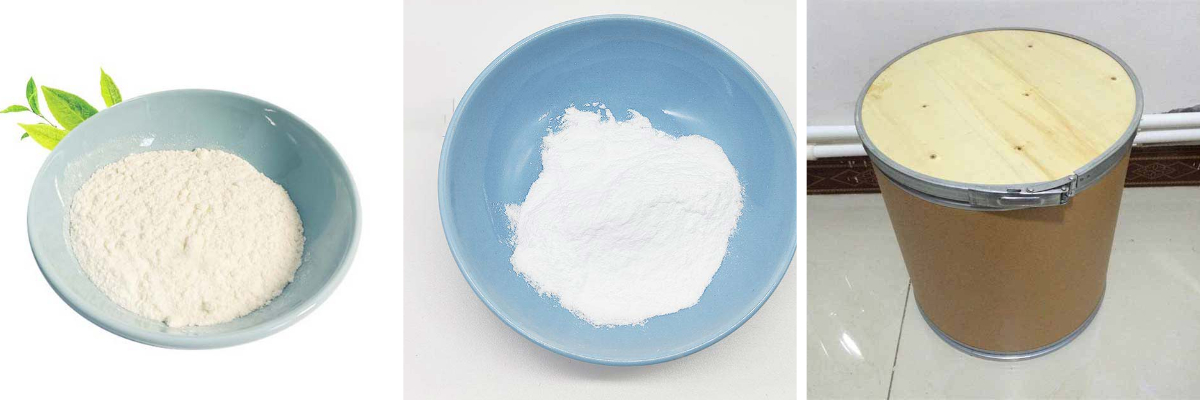
Tetrabutylammonium Hydrogen Sulfate is a quaternary ammonium salt widely recognized as a highly efficient phase-transfer catalyst (PTC) . It appears as a white to off-white crystalline solid and is highly soluble in water and polar organic solvents . Its unique ability to transfer ionic reactants between aqueous and organic phases makes it indispensable in organic synthesis, ion-pair chromatography, and analytical chemistry .
2. Key Features
Phase Transfer Catalysis: Dramatically accelerates reactions (alkylation, dichlorocyclopropanation, ether synthesis) by shuttling reactants across phases .
High Purity: Available in >98% purity, suitable for sensitive analytical applications .
Excellent Solubility: Soluble in water up to 100 mg/mL, forming clear, colorless solutions .
Ion-Pairing Reagent: Ideal for HPLC analysis of anionic compounds like alkylbenzenesulfonates and acidic herbicides .
Research Versatility: Functions as a co-catalyst in polyketone synthesis and green chemistry applications .
3. Key Specifications with Explanation
| Parameter | Typical Value | Explanation |
|---|---|---|
| Appearance | White to off-white powder/crystals | Indicates purity; discoloration suggests degradation . |
| Assay (Purity) | ≥98.0% (Titration) | Higher purity ensures consistent catalysis and clean analytical baselines . |
| Molecular Weight | 339.53 g/mol | Essential for precise molar concentration calculations. |
| Melting Point | 170-175°C | Narrow range indicates high crystallinity and purity . |
| pH (100 g/L, H₂O) | 1-2 | Acidic due to hydrogen sulfate anion; relevant for reaction compatibility . |
| Solubility | 100 mg/mL in water | Excellent water solubility facilitates easy solution preparation . |
| Drying Loss | ≤0.5% | Low moisture content critical for moisture-sensitive reactions . |
| Ignition Residue | ≤0.1% | Minimal inorganic impurities; important for high-purity applications . |
| Halide (as Br) | ≤0.2% | Low halide content prevents side reactions in catalysis . |
4. Applications
| Application Area | Specific Uses |
|---|---|
| Organic Synthesis | Phase-transfer catalyst for alkylations, esterifications, dichlorocyclopropanation, and glycosyl 1,4-dihydropyridine synthesis . |
| Analytical Chemistry | Ion-pairing reagent in HPLC for separating alkylbenzenesulfonates (LAS), acidic herbicides, and anionic surfactants . |
| Polymer Chemistry | Co-catalyst in the production of alternating polyketones and propionic acid . |
| Green Chemistry | Catalyst for environmentally friendly synthesis routes, reducing organic solvent waste . |
| Spectroscopy | Solvent for dissolving metal complexes (e.g., ruthenium complexes) for spectroscopic analysis . |
5. Grade Comparison
| Grade | Purity | Typical Use |
|---|---|---|
| Research Grade | ≥97% | General organic synthesis, academic research . |
| High Purity / ACS | ≥98.0% (T) | Phase-transfer catalysis, polymer synthesis, co-catalyst applications . |
| Ion-Pair Chromatography Grade | >98% with UV absorbance specs | HPLC analysis – low UV absorbance (210-400 nm) ensures clean baselines . |
6. Buying Guide
Select Grade by Application:
Routine organic synthesis → ≥97% research grade is cost-effective.
HPLC analysis → Ion-Pair Chromatography grade with UV absorbance specifications .
Moisture-sensitive reactions → Request lot-specific drying loss data (<0.5%) .
Storage Conditions:
Hygroscopic – absorbs moisture from air .
Store in a cool, dark place (<15°C recommended), under inert gas (argon/nitrogen) in tightly sealed containers .
Supplier Verification:
Request Certificate of Analysis (CoA) verifying purity, melting point, and drying loss.
Confirm halide content if used in halide-sensitive reactions.
7. FAQ
Q: Is TBAHS hazardous to handle?
A: Moderately. GHS classification: Warning. H302 (Harmful if swallowed), H315 (Causes skin irritation), H319 (Causes serious eye irritation) . Use PPE: gloves, goggles, lab coat.
Q: How should I store TBAHS?
A: In a tightly sealed container, in a cool, dark place (<15°C). Store under inert gas to prevent moisture absorption. Recommended: 4°C for long-term storage (2 years) .
Q: What is the difference between TBAHS and TBAB (Tetrabutylammonium Bromide)?
A: The counterion. TBAHS has HSO₄⁻ (hydrogen sulfate) – acidic; TBAB has Br⁻ (bromide) – neutral. TBAHS is preferred when acidity is required or bromide interference must be avoided.
Q: Is TBAHS stable in solution?
A: Aqueous solutions are stable short-term. For long-term storage, keep as a solid. Dissolved in solvent: -20°C for up to 1 month; -80°C for 6 months .
Q: Is this product regulated for shipping?
A: Generally not classified as hazardous material for transport by some suppliers, though it carries GHS warning labels. Check local regulations and SDS before shipping .
8. Delivery, Certification & Service
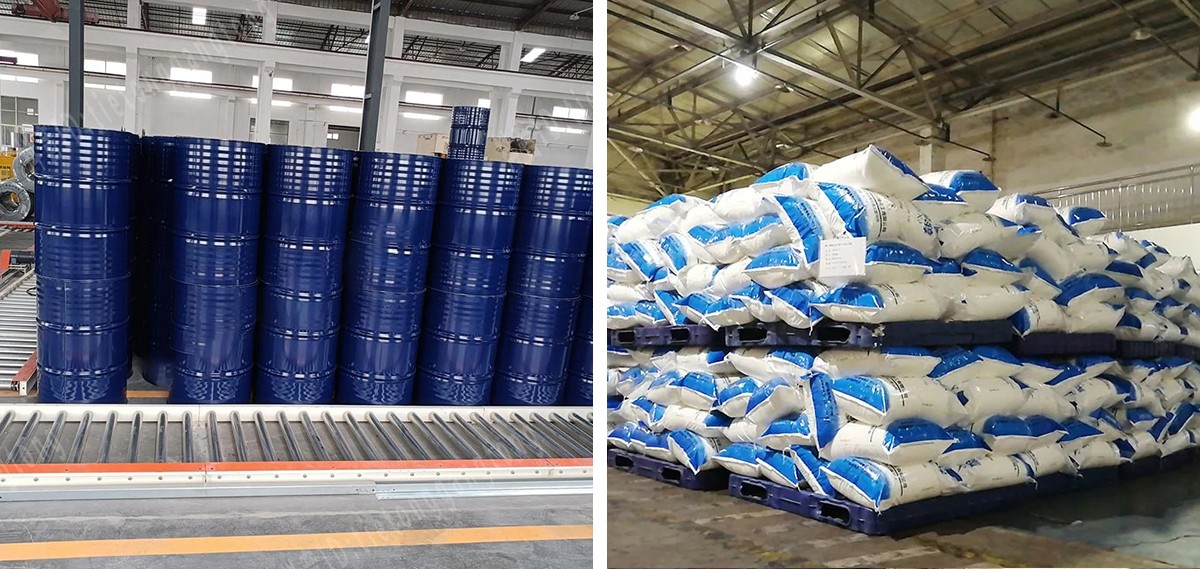
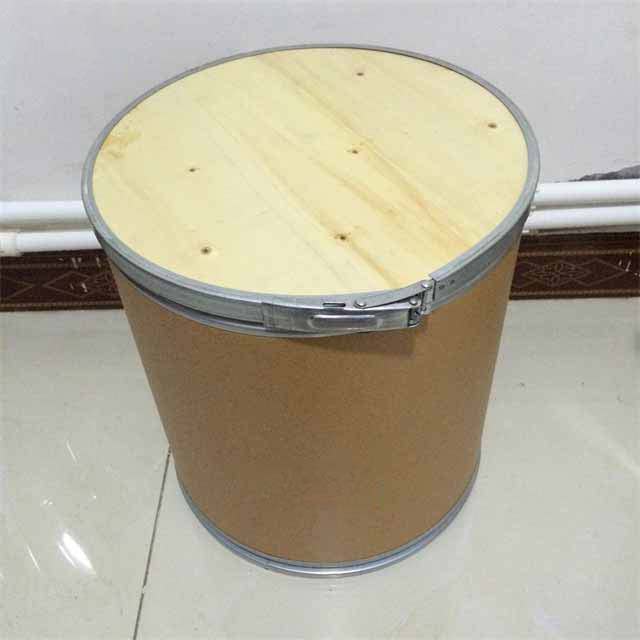
Packaging: Available in 25g, 100g, 500g laboratory bottles; 25kg industrial drums.
Lead Time: Stock items typically ship within 3-5 business days.
Documentation: CoA (Certificate of Analysis), MSDS (Safety Data Sheet), TDS (Technical Data Sheet) available for each batch .
Certifications: Manufacturers typically hold ISO 9001 certification; products meet ≥98.0% purity specification by neutralization titration .
Storage Recommendation: Upon receipt, store at ≤15°C in a dark, dry place under inert gas. Hygroscopic – keep container tightly sealed when not in use .