Tetradecyldimethylbenzylammonium Chloride CAS No.: 139-08-2
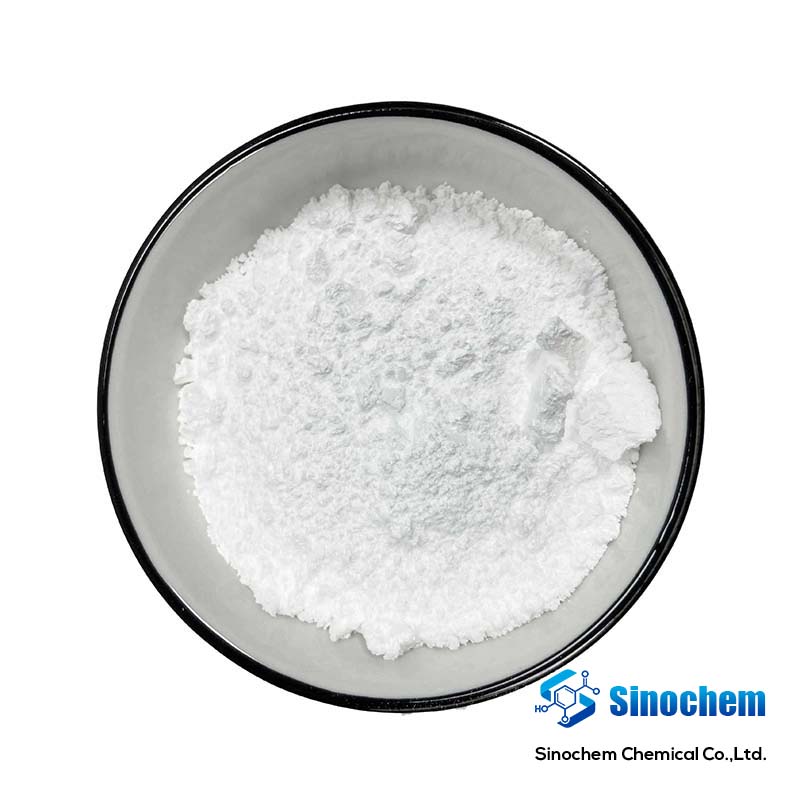
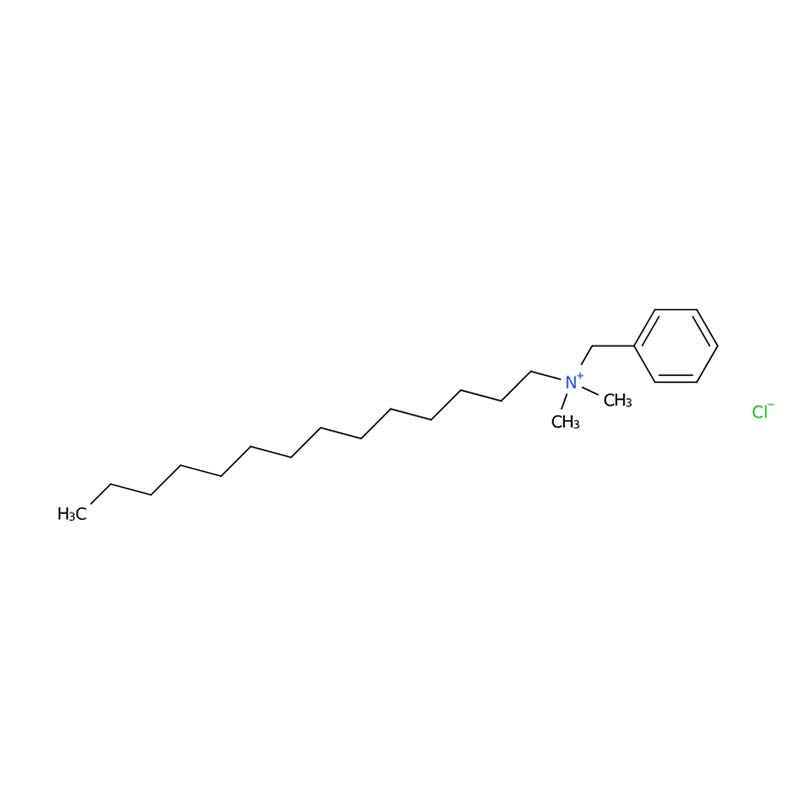
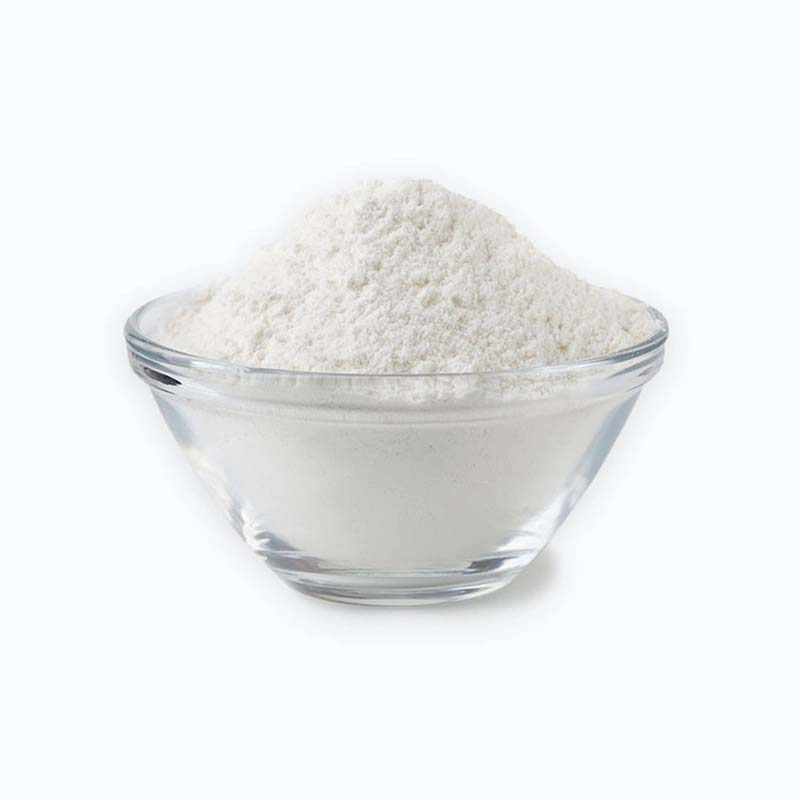
Tetradecyldimethylbenzylammonium chloride, also known as benzalkonium chloride or TDBAC (CAS 139-08-2), is a white crystalline powder belonging to the quaternary ammonium class of cationic surfactants . It is highly soluble in water and ethanol, dissociating to produce positively charged active groups that impart strong antimicrobial, bactericidal, and algicidal properties . Due to these characteristics, it is widely utilized as a broad-spectrum disinfectant and algicide in industrial recirculating cooling water systems for scale and slime control, while also serving as a phase-transfer catalyst and antistatic/softening agent in textile processing . As a cationic agent, it is incompatible with anionic surfactants and should not be exposed to temperatures above 100°C for extended periods .
1. Overview
This product is a white crystalline powder belonging to the quaternary ammonium compound family. It is a high-performance cationic surfactant widely used as a phase transfer catalyst, analytical reagent, and industrial biocide. It offers excellent water solubility and thermal stability, making it a versatile additive in chemical synthesis and water treatment applications .
2. Key Features
High Purity: Available in ≥98% to ≥99% purity for consistent research and industrial outcomes .
Strong Cationic Nature: Excellent affinity for negatively charged surfaces, ideal for sanitization and softening.
Catalytic Efficiency: Acts as a reliable phase transfer catalyst for organic synthesis.Analytical Sensitivity: Used as an ion association reagent to enhance spectrophotometric detection of metals like cobalt and aluminum .
Biocidal Activity: Effective as a germicide and algaecide in industrial systems .
3. Key Specifications with Explanation
| Parameter | Typical Value | Explanation |
|---|---|---|
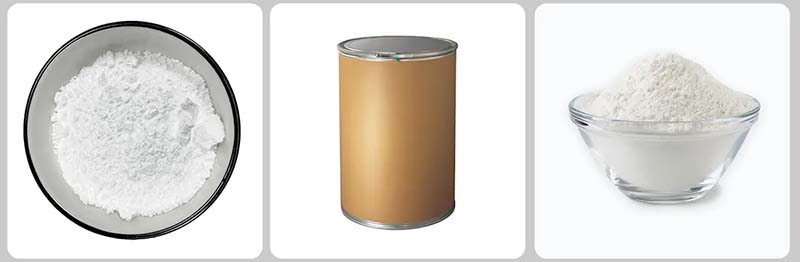
| Appearance | White powder or crystals | Indicates high purity; discoloration suggests degradation. |
| Assay (Purity) | ≥98.0% – ≥99.0% | Higher purity ensures precise results in synthesis and analysis . |
| Molecular Weight | 368.04 g/mol | Essential for accurate molar concentration calculations. |
| Melting Point | 56 – 65 °C | A narrow range indicates a pure, well-defined crystalline structure . |
| Solubility | Soluble in water (e.g., 1g/10mL) | Allows for easy preparation of aqueous solutions . |
| Water Content | ≤ 12.0% (for hydrates) | Critical for reactions sensitive to moisture; anhydrous grades available . |
4. Applications
Chemical Synthesis: Acts as a phase transfer catalyst for organic reactions, including the synthesis of epoxides and fluoropolymers .
Analytical Chemistry: Serves as an ion association reagent (Zephiramine) for the extraction and spectrophotometric determination of trace metals .
Industrial Water Treatment: Functions as a bactericide, algaecide, and slime remover in cooling towers and industrial circulating water systems .
Material Science: Used in the preparation of modified zeolites for heavy metal adsorption and mixed micelle systems .
5. Grade Comparison
| Grade | Purity | Water Content | Typical Application |
|---|---|---|---|
| Research Grade | ≥98.0% | ≤12.0% (Hydrate) | General R&D, teaching labs, initial screening . |
| High Purity / ACS | ≥99.0% | Anhydrous (<1%) | Quantitative analysis, pharmaceutical intermediate synthesis . |
| Industrial Grade | 95% – 98% | Variable | Biocide formulations, wastewater treatment, textile auxiliaries . |
6. Buying Guide
Purity Requirement:
For analytical spectroscopy or pharmaceutical synthesis, choose High Purity (≥99%) Anhydrous.
For industrial biocides or general catalysis, ≥95% grade is sufficient and more cost-effective.
Hydration State: Check if the product is anhydrous or hydrate form, as this significantly affects the actual active content in moisture-sensitive reactions.
Regulatory Status: For export, confirm the product’s classification (e.g., UN 3261, Class 8) and compliance with local chemical control laws .
7. FAQ
Q: Is this the same as Benzalkonium chloride (BAC)?
A: No, but they are similar. BAC is typically a mixture of alkyl chains (C12-C14), while this product is a pure single compound (C14) , offering more consistent physical properties and analytical results .
Q: Can I mix this with anionic surfactants (e.g., SDS)?
A: Generally no. As a cationic surfactant, it will react with anionic surfactants to form a water-insoluble precipitate, reducing efficacy .
Q: Is it dangerous goods for shipping?
A: Yes. It is classified as Corrosive solid, acidic, organic, n.o.s. (UN 3261) with Packing Group III. It requires corrosive labels for transport .
Q: How should I store it?
A: Store in a cool, dry, well-ventilated area. Keep containers tightly closed. For long-term lab storage, refrigeration (2-8°C) is recommended to prevent caking .
8. Delivery, Certification & Service
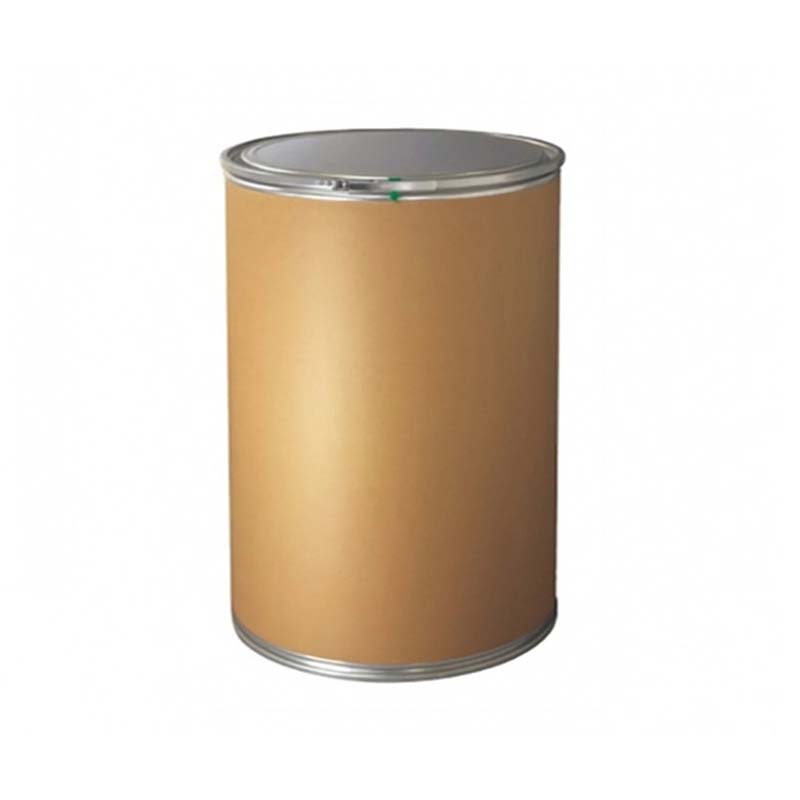
Packaging: Available in 25g, 100g, 500g laboratory bottles, and 25kg industrial fiber drums.
Documentation: Certificate of Analysis (COA), Material Safety Data Sheet (MSDS), and Technical Data Sheet (TDS) are available.
Lead Time: Stock items ship within 3-5 business days.
Certification: Manufacturers typically hold ISO 9001 certifications. Products meet HPLC/Titration purity specifications .