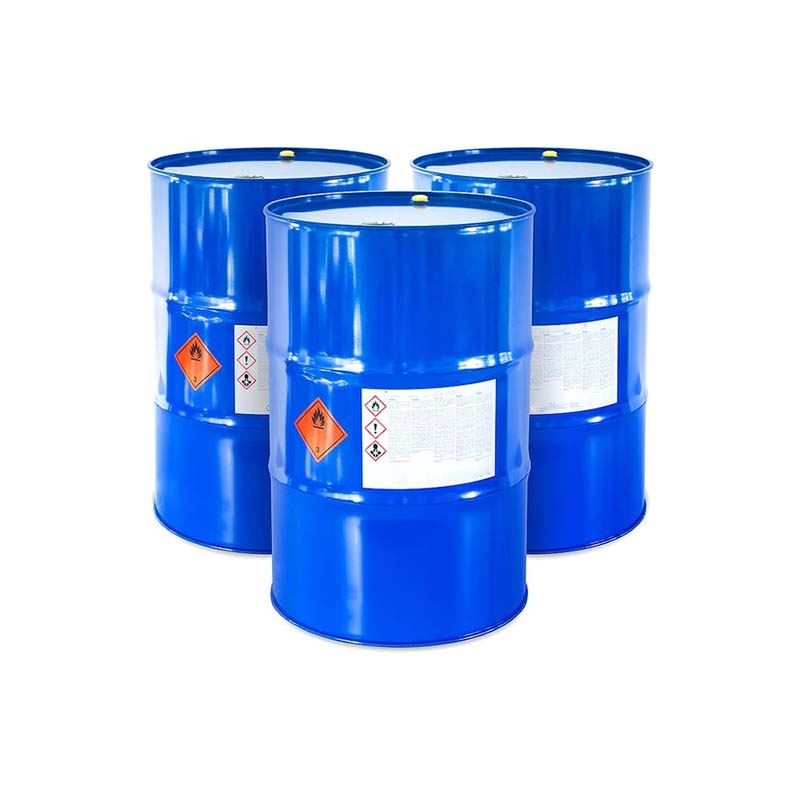
Triethanolamine
Hygroscopicity: Triethanolamine has strong moisture-absorbing capacity, which enables it to work well in scenarios that demand humidity control or moisture preservation. Versatile Solubility: It can be mixed evenly with water, methanol and acetone, and is also soluble in benzene and ether, providing great flexibility for various chemical and industrial formulation processes.
Alkaline Property: As a potent organic base, it can easily accept protons, allowing it to participate effectively in chemical reactions like condensation reactions.
High Thermal Stability: Boiling at 335.4°C, it shows remarkable stability under high temperatures, making it applicable for industrial processes that involve high-temperature conditions.
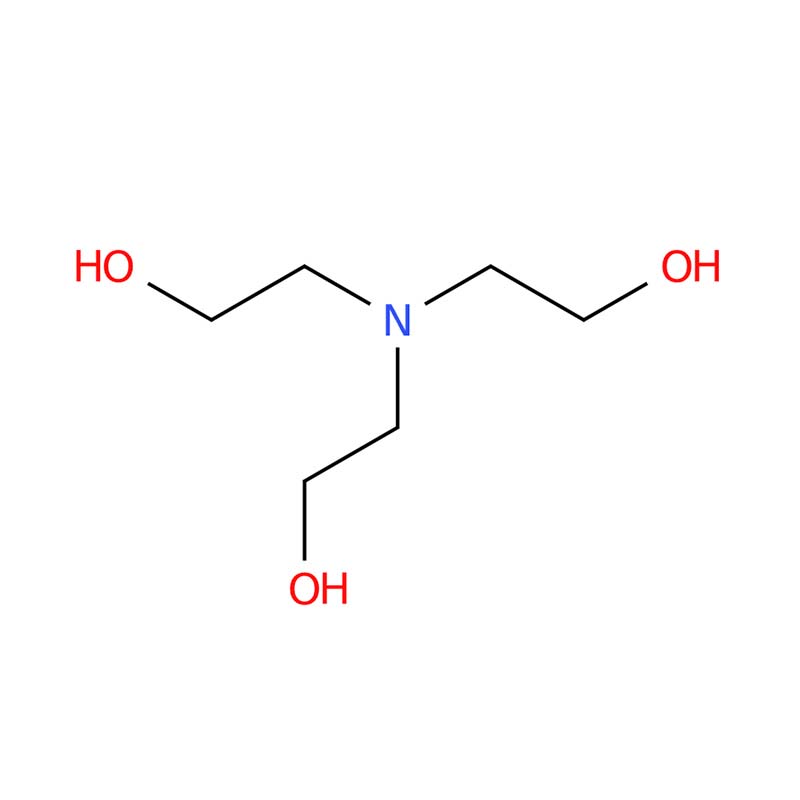
Triethanolamine, also known as trihydroxyethylamine or aminotriethanol, is a transparent, viscous liquid with a faint ammonia‑like odor. It possesses strong hygroscopicity and may turn light brown when exposed to air, light, or elevated temperatures. At lower temperatures, it crystallizes into cubic crystals that range from colorless to pale yellow. This substance has a melting point of 21.2°C and a boiling point of 335.4°C at standard atmospheric pressure; under a reduced pressure of 19.950 kPa, it boils at 277°C.
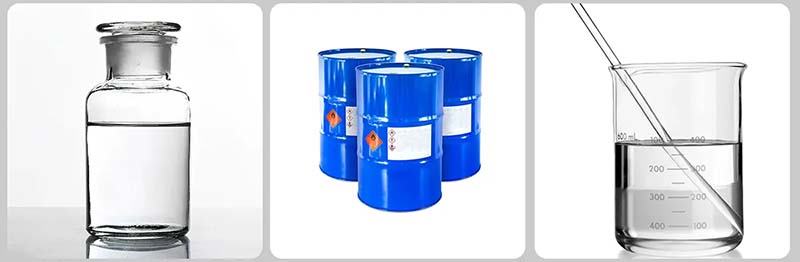
It has a relative density of 1.1242 and a refractive index of 1.4852. A 0.1 mol/L water solution of this substance shows a pH value of about 10.5. Triethanolamine can mix freely with water, methanol and acetone, dissolves in benzene and ether, and is slightly soluble in carbon tetrachloride and n-heptane.
As a strongly alkaline compound, it easily accepts protons and is often used in condensation reactions, which highlights its wide usability in various chemical fields.
Parameters
| Melting point | 17.9-21 °C (lit.) |
| Boiling point | 190-193 °C/5 mmHg (lit.) |
| density | 1.124 g/mL at 25 °C (lit.) |
| vapor density | 5.14 (vs air) |
| vapor pressure | 0.01 mm Hg ( 20 °C) |
| refractive index | n20/D 1.485(lit.) |
| Fp | 365 °F |
| storage temp. | Store at RT. |
| solubility | H2O: 1 M, clear, colorless |
| form | Oily Liquid |
| Specific Gravity | 1.125 (20/20℃) |
| color | Clear colorless to slightly yellow |
| PH Range | 7.3 - 8.3 |
| Odor | Mild ammoniacal. |
| PH | 10.5-11.5 (25℃, 1M in H2O) |
| pka | 7.8(at 25℃) |
| explosive limit | 3.6-7.2%(V) |
| Water Solubility | soluble |
| Sensitive | Air Sensitive & Hygroscopic |
| λmax | λ: 280 nm Amax: 0.1 |
| Merck | 149,665 |
| BRN | 1699263 |
| Exposure limits | ACGIH: TWA 5 mg/m3 |
| Dielectric constant | 6.9(40℃) |
| InChIKey | GSEJCLTVZPLZKY-UHFFFAOYSA-N |
| LogP | -2.3 at 25℃ |
| Surface tension | 46.4mN/m at 293.15K |
| CAS DataBase Reference | 102-71-6(CAS DataBase Reference) |
| NIST Chemistry Reference | Triethanolamine(102-71-6) |
| IARC | 3 (Vol. 77) 2000 |
| EPA Substance Registry System | Triethanolamine (102-71-6) |
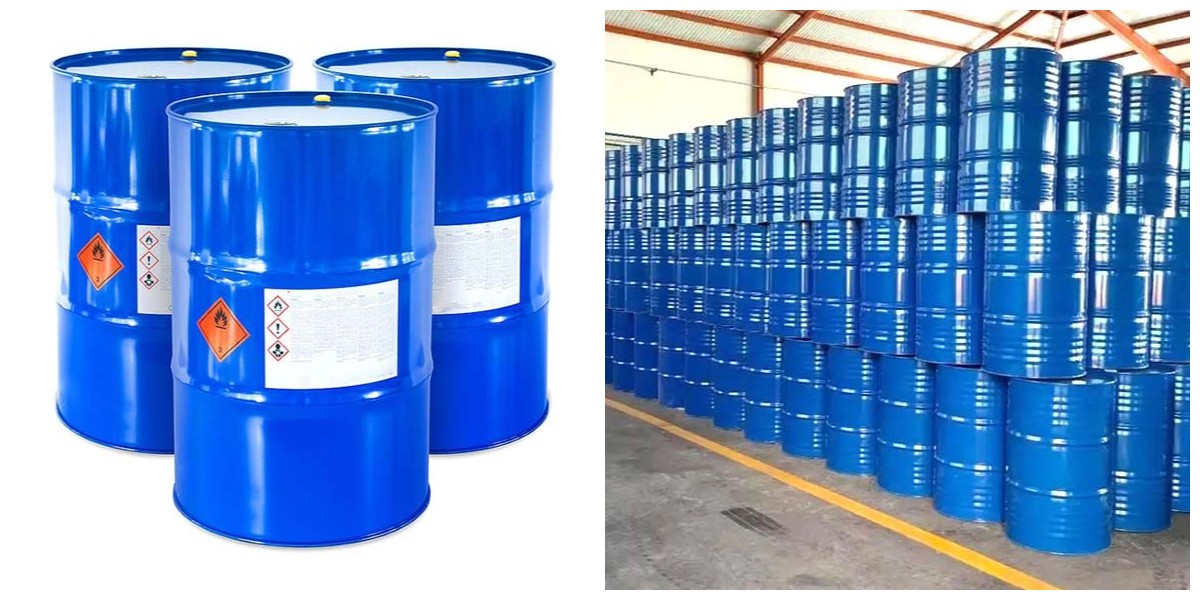
Safety Information
| Hazard Codes | Xi |
| Risk Statements | 36/37/38-36 |
| Safety Statements | 26-39-36 |
| WGK Germany | 1 |
| RTECS | KL9275000 |
| F | 2003/10/23 |
| Autoignition Temperature | 600 °F |
| TSCA | Yes |
| HS Code | 29221310 |
| HS Code | 29321900 |
| Hazardous Substances Data | 102-71-6(Hazardous Substances Data) |
| Toxicity | LD50 orally in Rabbit: > 5000 mg/kg LD50 dermal Rabbit > 2000 mg/kg |