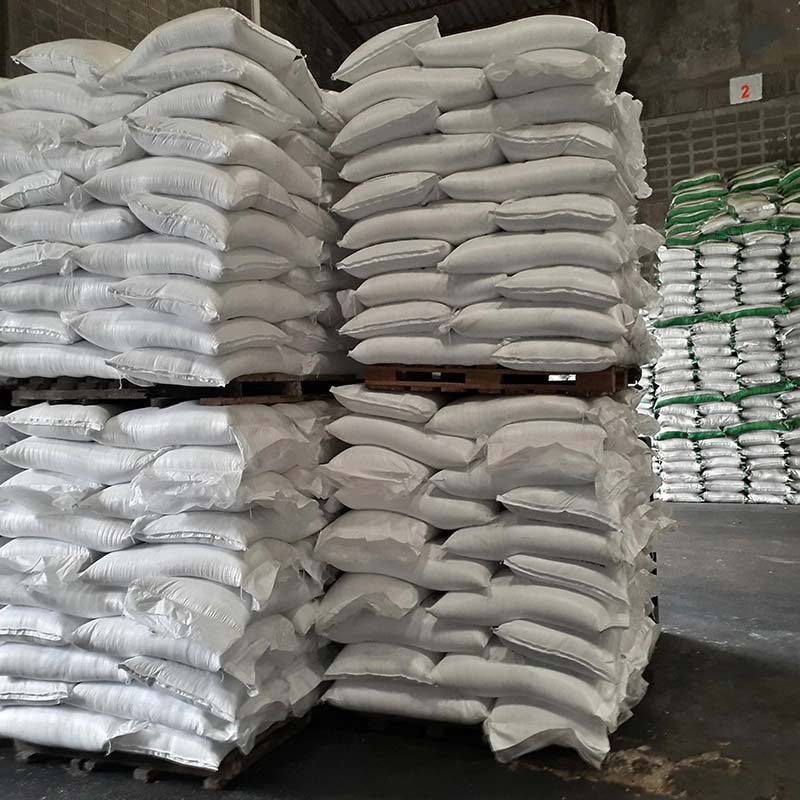
Glyceryl monostearate CAS:111-60-4
Emulsifying Property: Featuring an HLB value of 3.8, it shows reliable emulsifying performance, which makes it highly suitable for industrial scenarios requiring stable water‑in‑oil emulsions.
Flexible Solubility: It dissolves easily in hot organic solvents and oils while being insoluble in water, enabling its adaptable use in various formulation systems.
Food‑grade Safety: Approved as safe by FAO/WHO with no designated restriction on its Acceptable Daily Intake (ADI), so it can be safely applied in both food‑grade and industrial products.
Excellent Thermal Stability: It has a high boiling point of 410.96°C and a melting point ranging from 78 to 81°C, proving its stable performance under high‑temperature processing.
1. Product Overview
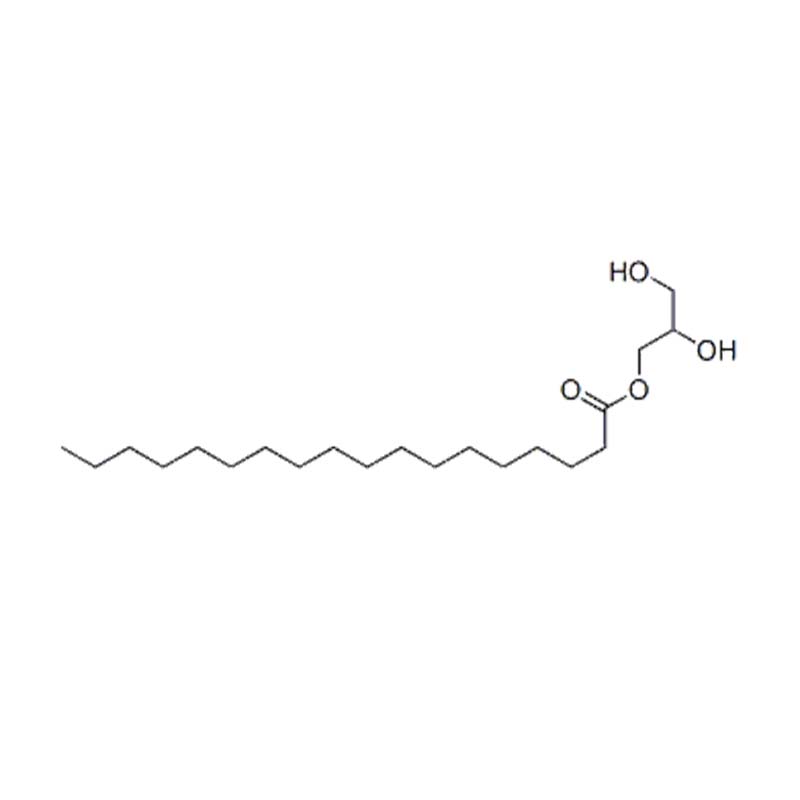
Glyceryl Monostearate, commonly referred to as GMS, is a lipophilic non-ionic surfactant that falls into the category of glycerol mono-fatty acid esters.
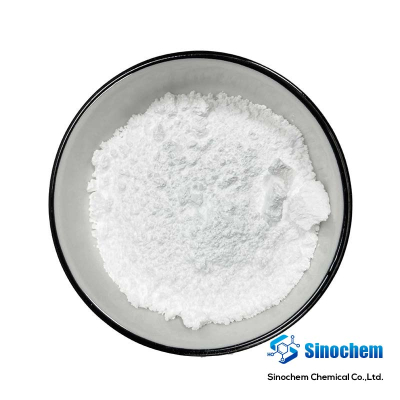
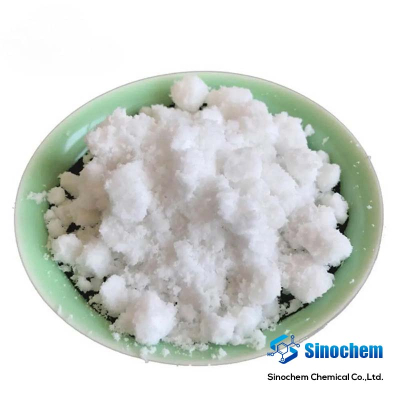
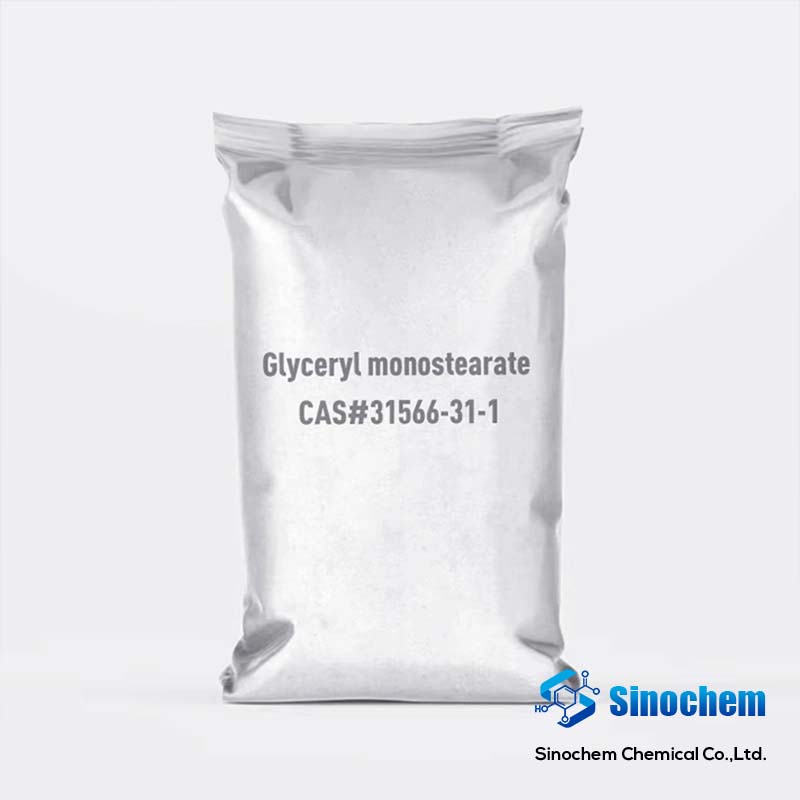
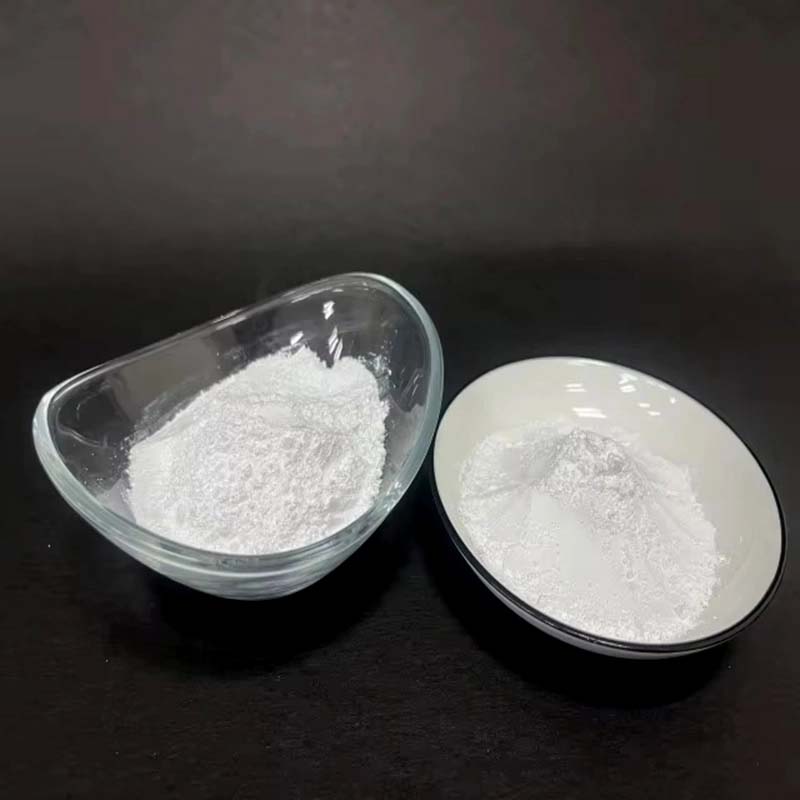
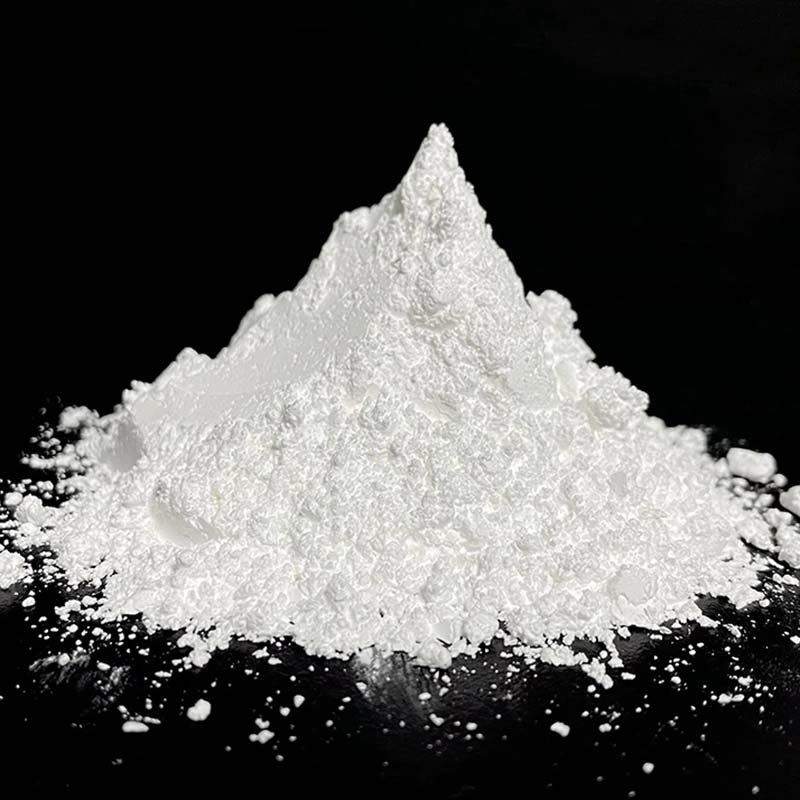
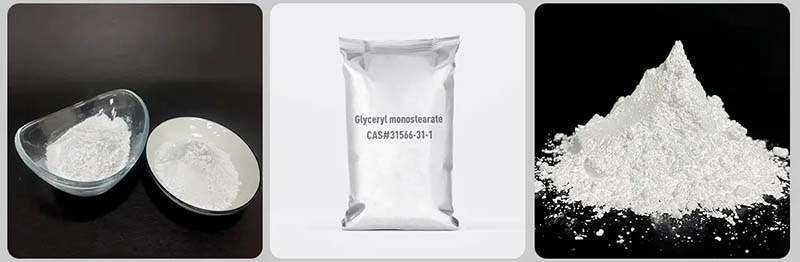
It is manufactured via the esterification reaction between glycerol and stearic acid sourced from plant or animal fats, or through the glycerolysis of oils and fats. The final product usually contains a blend of monoglycerides, diglycerides and triglycerides. It has a molecular formula of C₂₁H₄₂O₄, a molecular weight of about 358.6 g/mol, and the corresponding CAS number is 31566-31-1. Commercially produced GMS is usually white to creamy yellow, and comes in the forms of waxy flakes, pellets, powder or granular solids at ambient temperature.
As one of the earliest and most extensively applied emulsifiers worldwide, GMS possesses both hydrophilic hydroxyl groups (-OH) and a lipophilic long alkyl chain in its molecular structure. This structure allows it to effectively lower the interfacial tension between oil and water, thus forming stable emulsions. It has become an essential component widely used in food, pharmaceuticals, cosmetics and various industrial fields.
2. Key Features
Outstanding Emulsifying and Stabilizing Performance: As an efficient emulsifier suitable for both water-in-oil and oil-in-water systems, it helps form stable emulsions and avoids layering or separation. It also acts as a thickener and stabilizer, giving a delicate and smooth texture to products such as ice cream and skin creams.
Wide-Ranging Multifunctional Properties: Beyond emulsification, it plays multiple roles in different fields:
Pharmaceutical excipient: used as a sustained-release carrier and tablet lubricating agent
Cosmetic component: functions as an emollient, plasticizer and pigment dispersant - Food additive: acts as a starch complexing agent and texture improver High Safety Level: It is certified as GRAS by the FDA for food-related applications. In cosmetics and pharmaceutical preparations, it is generally considered non-toxic and non-irritating to skin and mucous membranes. Strong Compatibility: It mixes well with other emulsifiers, oils and active substances. When used together with PEG-75 stearate, it can effectively stabilize API systems that are difficult to formulate.
Flexible Quality and Raw Material Options: It is supplied in different purity levels from standard 40–55% monoester content to high-purity grades over 90%, and can be derived from vegetable oils or synthetic routes to satisfy diverse application demands.
Favorable Thermal Stability: With a melting point of no less than 55°C, it remains stable during heating, emulsification and cooling. Oleogels prepared with GMS show excellent storage stability and heat resistance, making them ideal for sustained-release drug delivery systems.
3. Technical Specifications with Explanations
Based on USP/NF, Ph. Eur., JP, and food additive standards:
| Parameter | Typical Value/Specification | Description & Significance |
| CAS Number | 31566-31-1 (primary) | Universal chemical identifiers; different CAS numbers may correspond to different grades or sources . |
| 11099-07-3 | ||
| Molecular Formula | C₂₁H₄₂O₄ | Idealized formula for glyceryl monostearate . |
| Molecular Weight | 358.6 g/mol | Used for stoichiometric calculations and formulation . |
| HLB Value | 3.0 – 4.0 (pure monoester) | Core functional parameter. HLB 3-4 indicates strong lipophilic character for W/O emulsions; blends provide higher HLB for O/W systems . |
| 8 ± 1 (blends with PEG stearate) | ||
| Appearance | White to cream-colored waxy flakes, beads, powder, or pellets | Visual quality indicator; different physical forms suit different processing needs . |
| Melting Point | ≥55°C | Core physical parameter. Solid below this temperature, liquid above; critical for structuring and thermal processing . |
| 55.5 – 62.5°C | ||
| Monoester Content | 40-55% (standard grade) | Key purity indicator. Higher monoester content indicates higher purity and emulsifying efficiency. Commercial GMS contains varying proportions of di- and triesters . |
| ≥90% (high purity grade) | ||
| Acid Value | Increases with storage time | Measures free fatty acid content. Low acid value indicates freshness and stability; improper storage (heat exposure) increases acid value . |
| Iodine Value | Depends on raw material source | Measures unsaturation. GMS produced from hydrogenated stearic acid has very low iodine value, indicating excellent oxidative stability . |
| Density | 1.0 ± 0.1 g/cm³ | Slightly denser than water; used for volume-to-weight conversions . |
| Solubility | Insoluble in water, dispersible in hot water; soluble in hot organic solvents (ethanol, oils) | Determines processing requirements—must be heated to dissolve in oil phase and disperse in water . |
| Log P (Partition Coefficient) | 7.23 | Extremely high lipophilicity; strongly partitions into oil phase . |
| Storage Conditions | Store in sealed containers in cool, dry place; protect from light | Prevents moisture absorption, oxidation, and acid value increase . |
4. Applications
Food Industry Baked Products: Used as a dough improver and freshness-retaining agent in bread and pastries. It enhances texture and slows starch aging to keep products soft and fresh for longer. Dairy and Frozen Treats: Applied as an emulsifier and stabilizer in ice cream to regulate fat aggregation, delivering a fine, creamy mouthfeel and better melt resistance. It also stabilizes emulsions in whipped cream and margarine.
Confectionery Items: Helps lower viscosity and suppress fat blooming in chocolate. In toffees and caramels, it acts as an emulsifier to prevent oil separation.
Other Food Uses: Serves as a stabilizer in protein drinks, and functions as a thickener and color stabilizer in flavor and essence products.
Pharmaceutical Industry Pharmaceutical Excipients: Used as a tablet lubricant and coating material to improve the tableting process and ensure smooth compression. Sustained-Release Preparations: Acts as a matrix material for oral sustained-release tablets, pellets and veterinary boluses, effectively regulating the rate of drug release.
Long-Acting Injection Systems: Studies show that oleogels made with GMS can be used as long-acting local anesthetic delivery systems. They release drugs slowly and provide longer anesthesia than liposomal bupivacaine.
Emulsifier: Used in the preparation of oil-in-water or water-in-oil bases for creams, ointments and suppositories.
Cosmetics & Personal Care Skin Care and Makeup: Widely used in creams, lotions, foundations and sunscreens as an emulsifier, emollient and thickener to ensure stable formulations and a smooth skin feel. Hair Care: Applied in conditioners and hair masks as an emulsifier and conditioning agent to improve hair smoothness and manageability.
Other Personal Care Uses: Included in antiperspirants, baby care products and other personal care formulas.
Industrial Applications Plastics Sector: Used as a lubricant and antistatic agent in resin processing. Textile Industry: Added to fiber finishing oils and processing auxiliaries as a functional component.

5. Product Grade Comparison
| Parameter/Grade | Standard Grade (40-55%) | High Purity Grade (≥90%) | Self-Emulsifying Grade | Pharmaceutical Grade (USP/NF) |
| Core Standard | Meets food additive standards (FCC, E471) | High monoester content for specific applications | Contains added emulsifiers (e.g., soaps, PEG esters) for self-emulsification | Meets USP/NF or Ph.Eur. pharmacopoeia standards |
| Monoester Content | 40-55% (with di- and triesters) | ≥90% | Variable (typically 30-50% with co-emulsifiers) | Meets monograph requirements |
| HLB Value | 3-4 | 3-4 | 8 ± 1 (higher due to co-emulsifiers) | 3-4 (pure) or blended |
| Physical Form | Flakes, beads, powder | Flakes, powder, pellets | Flakes, beads | Flakes, powder |
| Critical Parameters | Acid value, melting point, monoester content | Monoester content, acid value, heavy metals | Self-emulsifying properties, HLB | Heavy metals, microbial limits, purity, GMP compliance |
| Primary Applications | Bakery, dairy, confectionery, general food applications | High-quality cosmetics, pharmaceutical excipients, sustained-release formulations | Cosmetics requiring simple O/W emulsification (creams, lotions) | Oral tablets, topical creams/ointments, sustained-release systems |
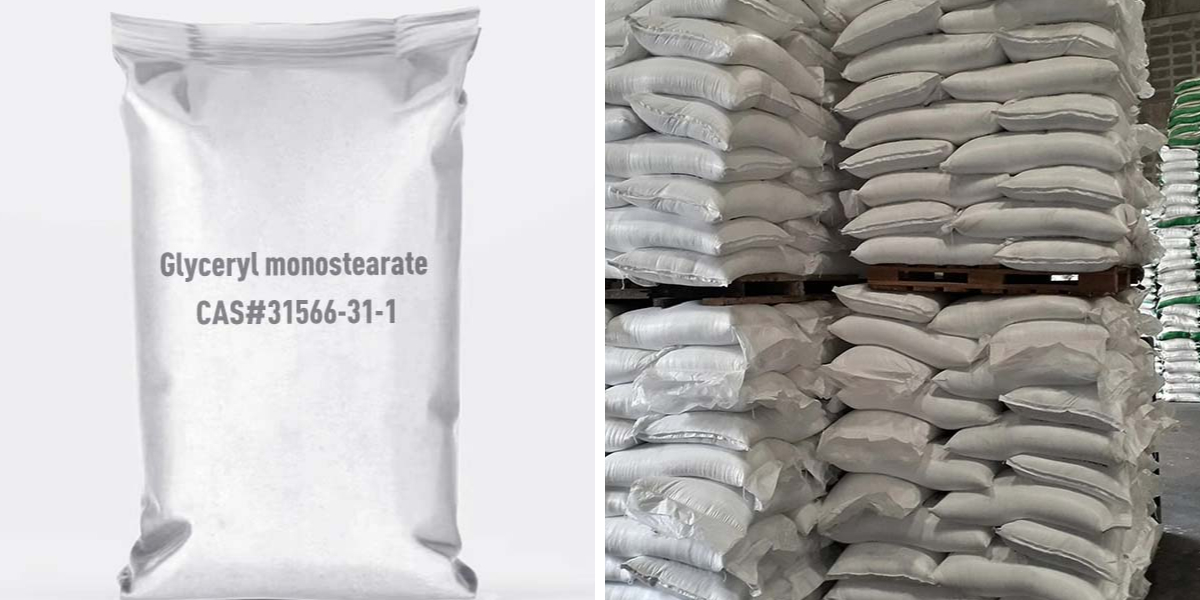
| Typical Packaging | 25 kg bags/drums | 20 kg, 25 kg bags/drums | 25 kg drums | 1 kg, 5 kg, 25 kg with documentation |
6. Purchasing & Selection Guide -Select by Application Area
Food Manufacturers - Standard grade with 40–55% monoester content is suitable for mainstream food uses including baking, dairy products and confectionery. - Confirm that the product meets regional regulatory standards such as FDA 21 CFR and EU E471. - Ask for a COA to verify compliance of acid value, melting point and heavy metal limits.
Pharmaceutical Manufacturers - Provide COA with detailed batch-specific test data. - Support access to related Drug Master Files (DMF). - Require production certification in line with cGMP standards. - Must choose pharmaceutical-grade products conforming to USP/NF or Ph.Eur. criteria. - Complete supporting documentation is necessary. - For sustained-release preparations, check monoester proportion and overall purity. - For external skin preparations, select the appropriate grade accordingly.
Cosmetic Formulators - High-purity grade with no less than 90% monoester is recommended for high-end formulas requiring superior purity and performance. - Self-emulsifying grade helps simplify the preparation of oil-in-water emulsions. - Check cosmetic-grade indicators such as color, odor and heavy metal content.
Research Applications - High-purity grade is suitable for studies on sustained-release systems and oleogels. - Request COA with full performance and composition characterization.
Critical Selection Considerations - Monoester content: higher levels correspond to better purity and stronger emulsifying effectiveness. - Physical form: flakes for general use, powder for faster dissolving, pellets for easier handling. - Raw material source: confirm vegetable or animal origin to meet vegan, kosher or halal requirements. - Self-emulsifying types: blended with extra emulsifiers; check HLB value to match your formula needs. - Regulatory compliance: ensure the grade satisfies relevant market regulations for its intended use.