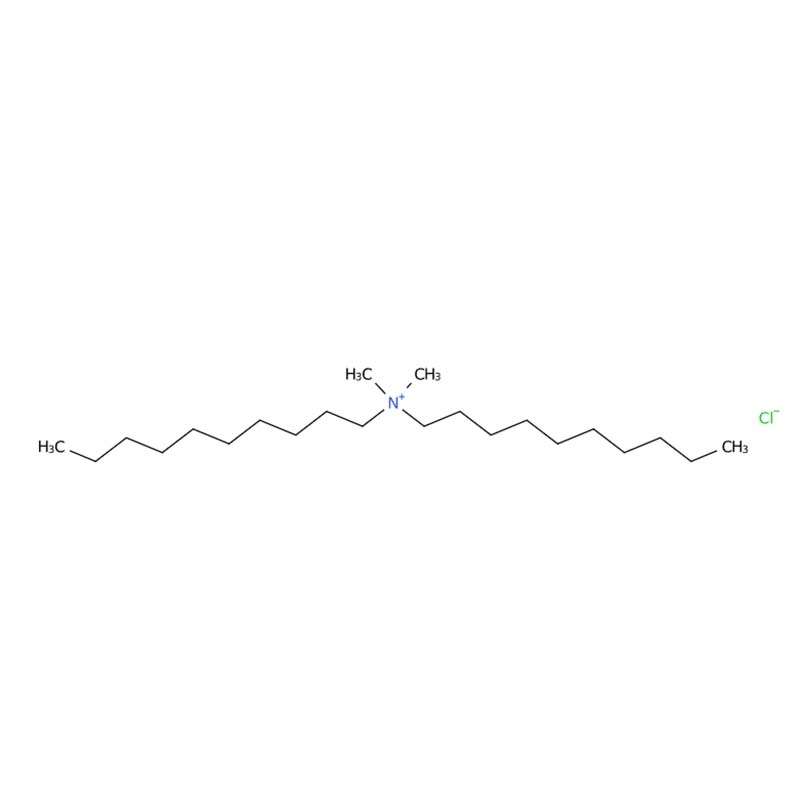
Didecyl Dimethyl Ammonium ChlorideCAS:7173-51-5
Broad-Spectrum Effectiveness
Safety Performance
Solubility & Residue-Free Property
Storage Stability
1. Product Overview
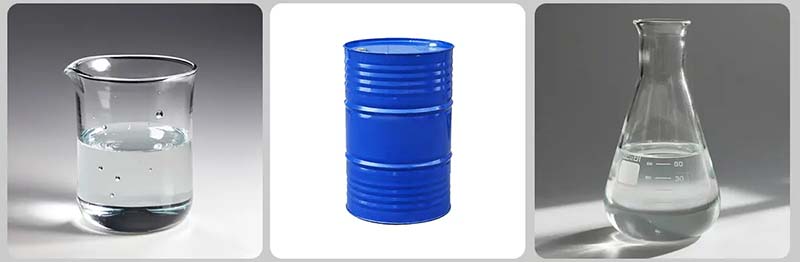
Didecyl dimethyl ammonium chloride (CAS Registry Number: 7173-51-5) belongs to the dialkyl quaternary ammonium compound family, distinguished by its outstanding antimicrobial activity. Categorized as a medium-level, broad-spectrum disinfectant, it merges extensive usability with a favorable safety profile—factors that have solidified its global reputation as a secure and high-performance sanitizing agent.
2. Broad-Spectrum Antimicrobial Capabilities
Bacterial strains: Staphylococcus aureus, Escherichia coli, Pseudomonas aeruginosa, Legionella pneumophila
Fungal organisms: Stachybotrys chartarum, fungal contaminants, and fungal spores
Viral pathogens: Enveloped and non-enveloped viruses, along with lipid-enveloped viral strains
3. Safety Characteristics & Application Suitability
Hazard Codes: C
Risk Statements: 22-34
Safety Statements: 26-36/37/39-45
Toxicological data: Oral LD50 in rats: 84mg/kg
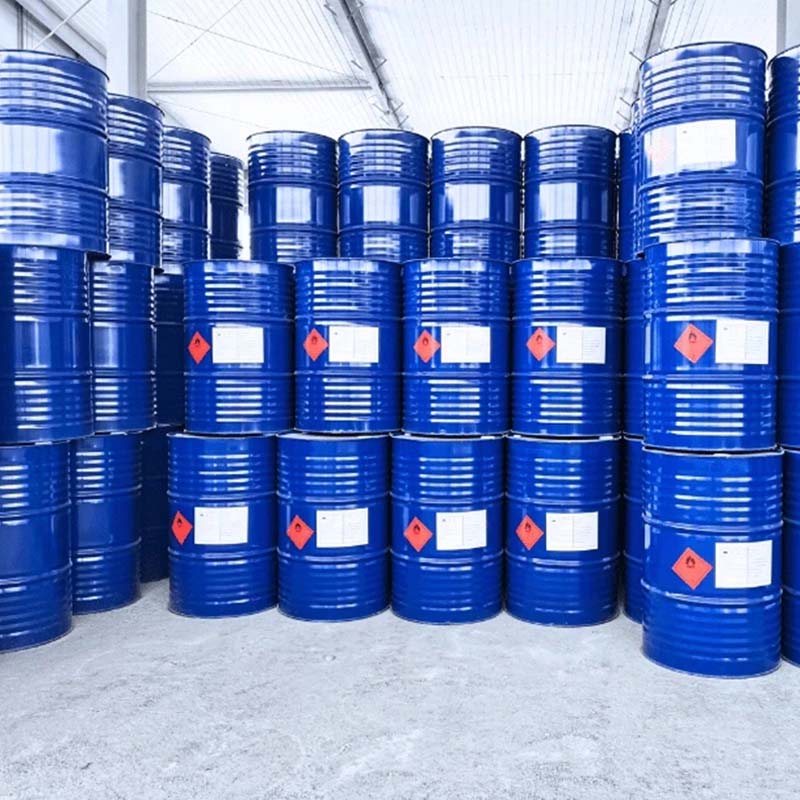
Transport & Hazard Classification: RIDADR 2811; HazardClass 6.1(b); PackingGroup III
4. Physical & Chemical Properties
Property | Technical Specification |
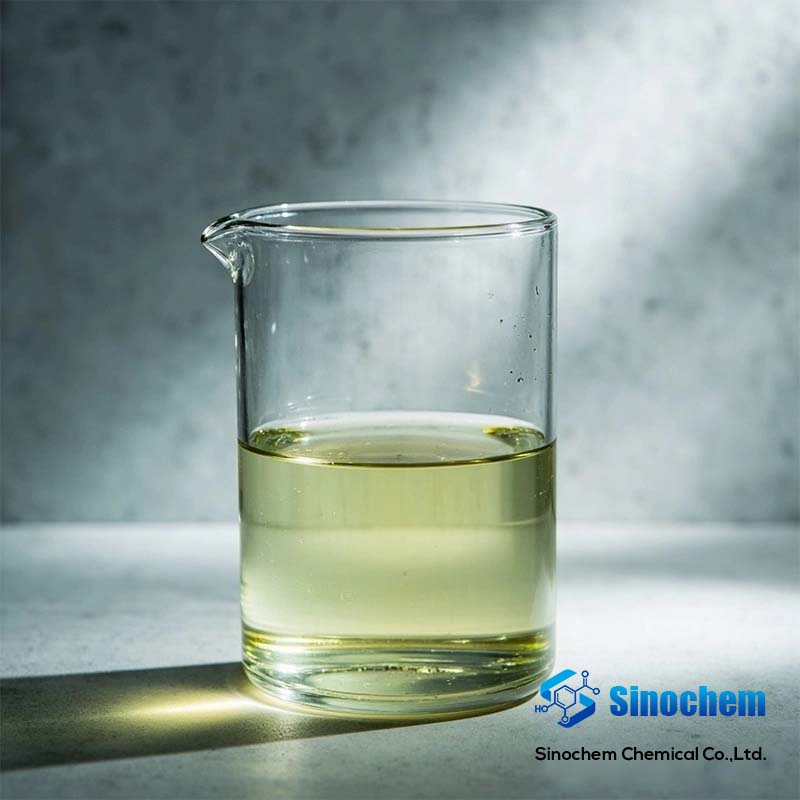
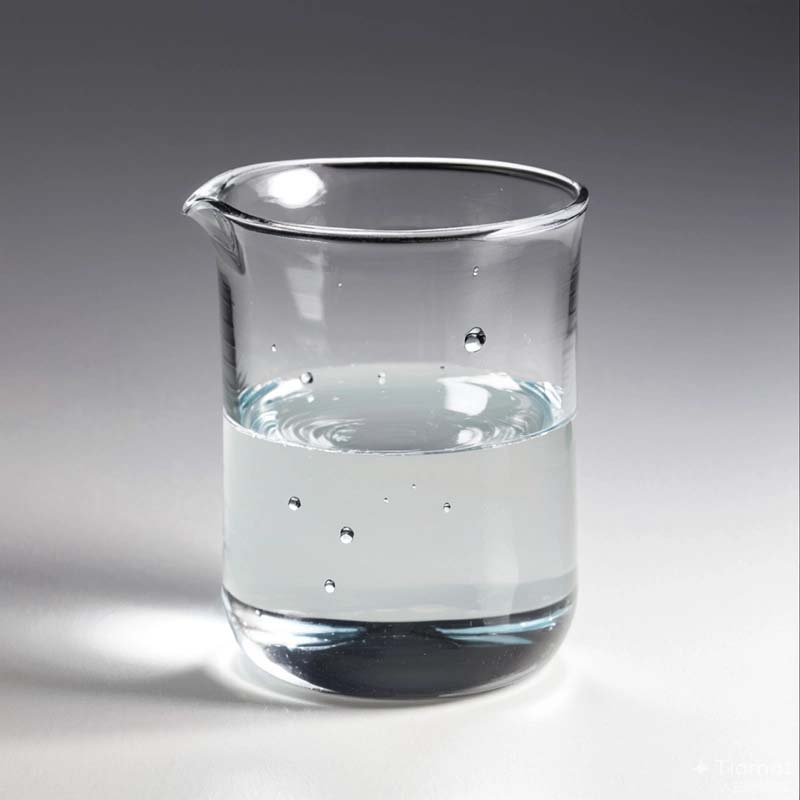
Physical Form | Gel |
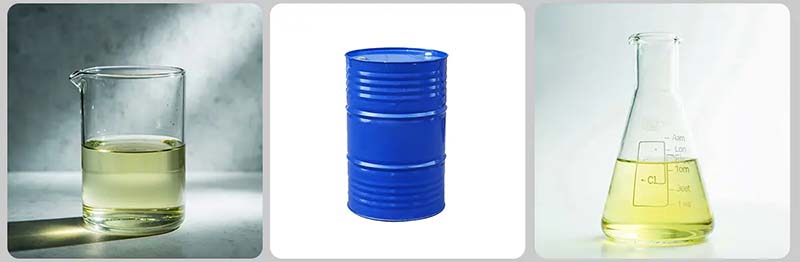
Color | Light Beige to Brown |
Melting Point | 88 °C |
Vapor Pressure | 0.006Pa (at 25℃) |
Water Solubility | 650mg/L (at 25℃) |
Organic Solvent Solubility | 248g/L (at 20℃) |
LogP Value | 2.8 (at 20℃) |
Recommended Storage Temp | Below +30°C |
Stability Trait | Hygroscopic; chemically stable with reliable long-term storage performance |
Key Functional Feature | High water solubility and surface tension-lowering capacity for convenient application |
5. Storage Stability & Residue-Free Performance
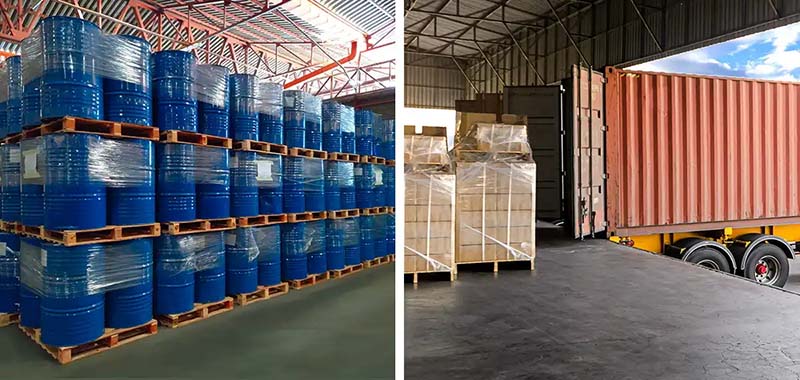
Solubility & Cleanliness: Its strong water solubility facilitates easy use without leaving behind residual deposits, and complete evaporation ensures a thorough, residue-free disinfection outcome.
Long-Term Stability: Intrinsic chemical stability preserves the compound’s full disinfectant effectiveness over prolonged storage, guaranteeing consistent and dependable performance throughout its shelf life.
Comparative Edge: Surpasses single-chain quaternary ammonium compounds in environmental stability, maintaining its potency even under fluctuating conditions.
6. Chemical Reactivity & Derivative Formation
This quaternary ammonium compound is capable of reacting with specific anionic substances (e.g., hydroxide ions) to produce other quaternary ammonium derivatives, thereby broadening its potential applications in specialized formulation development.