Hyaluronic acidCAS:9004-61-9
Moisturizing Properties: Hyaluronic acid exhibits exceptional ability to bind and retain water molecules, positioning itself as nature’s most effective hydrating agent for cutaneous and connective tissues.
Joint Lubrication: As a critical constituent of synovial fluid, this biopolymer reduces mechanical friction between articular surfaces and enhances joint functional performance.
Wound Healing: Within medical settings, hyaluronic acid expedites tissue repair by constructing ideal hydrating microenvironments that promote cellular migration and regulate inflammatory reactions.
Vessel Permeability Regulation: The compound contributes to vascular homeostasis by dynamically adjusting endothelial permeability, thereby optimizing the exchange of plasma proteins and nutrients in biological systems.
Basic Properties & Biological Functions
This biomolecule showcases unmatched hygroscopic ability, cementing its status as the most potent natural humectant identified in biological organisms. These inherent traits underscore its recognition as an optimal natural moisturizing ingredient, providing hydrating effects to both cutaneous tissues and internal organ systems.
Key Parameters
Parameter | Details |
Storage Temperature | −20°C |
Solubility | H₂O: 5 mg/mL, clear, colorless |
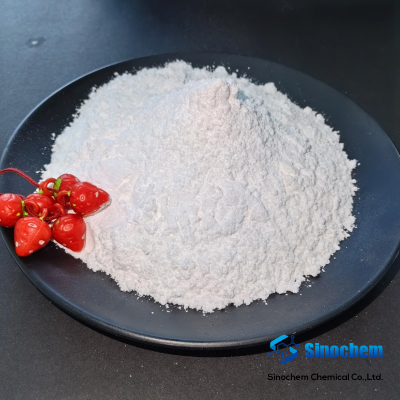
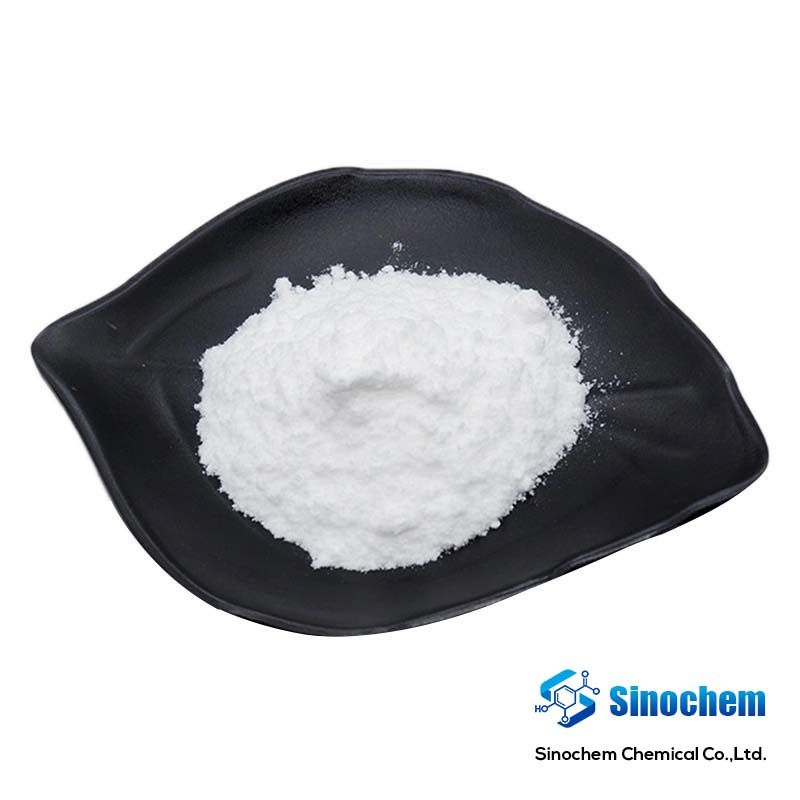
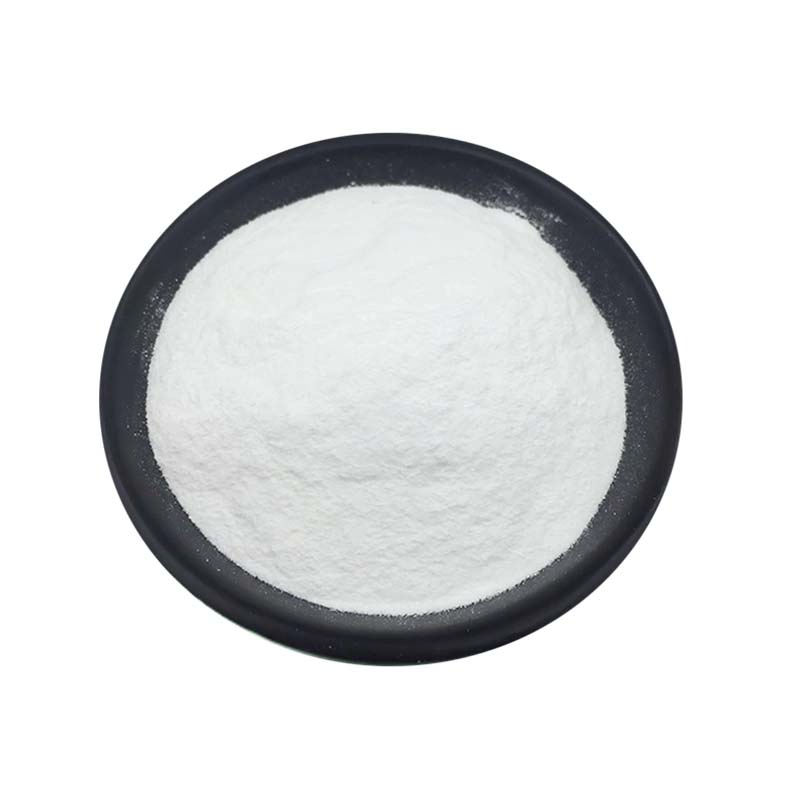
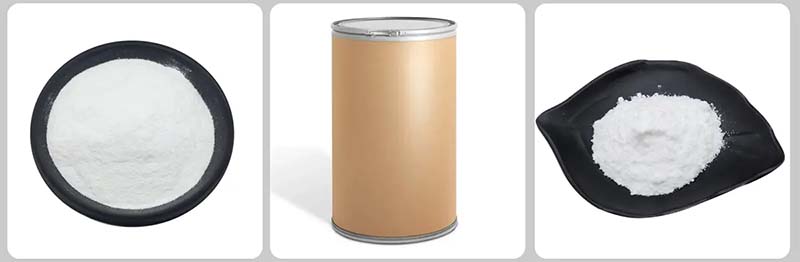
Form | Lyophilized Powder |
Color | White |
Odor | Odorless |
Optical Activity | -70~-80 |
Water Solubility | Soluble in water |
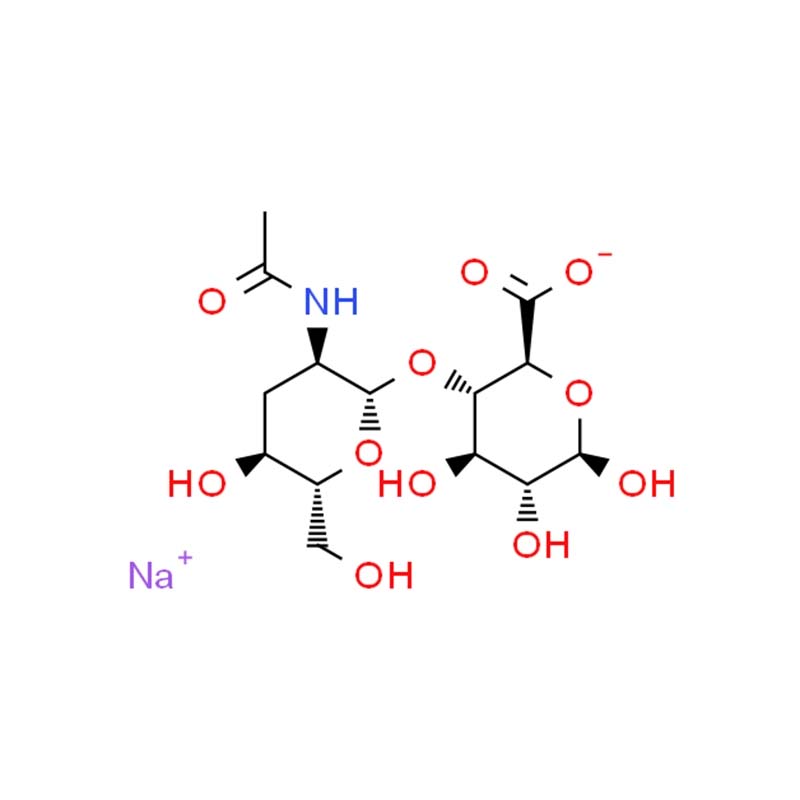
InChIKey | MAKUBRYLFHZREJ-IUPJJCKZNA-M |
SMILES | |
LogP | -6.623 (estimated) |
CAS Database Reference | 9004-61-9 |
EPA Substance Registry | Hyaluronic acid (9004-61-9) |

Safety Information
Hazard Codes: B
Safety Statements: 22-24/25
WGK Germany: 3
RTECS: MT7250000
F: 45726
TSCA: Yes
Hazardous Substances Data: 9004-61-9 (Hazardous Substances Data)