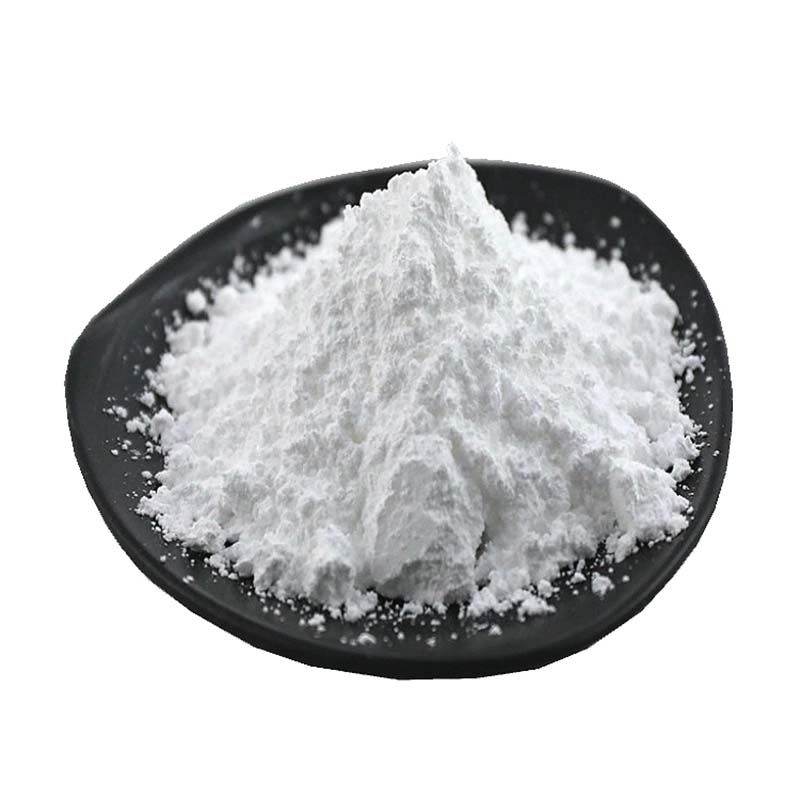
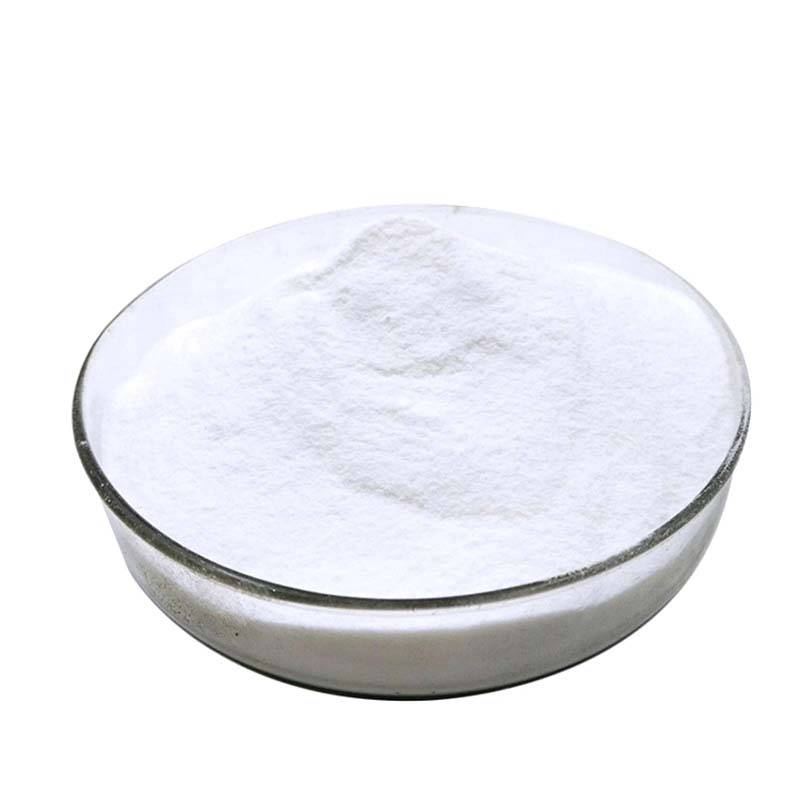
IbuprofenCAS:15687-27-1
Therapeutic Effects on Pain and Inflammation
As one of the most commonly used non-steroidal anti-inflammatory medications, ibuprofen possesses excellent pharmacological activities to relieve fever, alleviate pain and suppress inflammatory responses, which enables it to exert definite curative effects in the treatment and control of pain and inflammatory symptoms.
Optimized Safety and Tolerability
Compared with other types of non-steroidal anti-inflammatory drugs in clinical use, ibuprofen not only achieves satisfactory pain relief outcomes, but also features better patient tolerance and fewer adverse reactions. Its superior safety profile makes it a preferred option in routine clinical medication schemes.
Comprehensive Clinical Application Value
Widely approved and applied worldwide, ibuprofen is a mainstream over-the-counter pharmaceutical preparation. It is clinically applicable to the improvement and treatment of multiple common ailments, such as various arthritis diseases, musculoskeletal soreness and discomfort, as well as different types of headaches.
Storage Stability and Drug Validity
When kept in a cool and dry environment in line with official storage specifications, ibuprofen can maintain stable chemical properties without structural deterioration. This stable storage feature ensures that the drug can sustain stable and effective therapeutic effects during its service period.
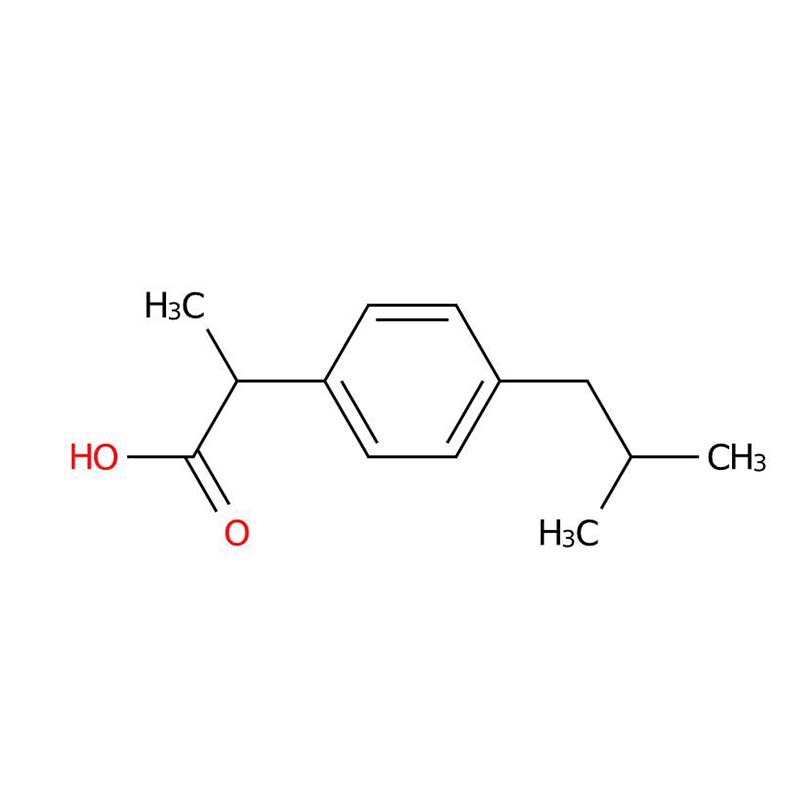
Ibuprofen, whose chemical name is isobutylphenyl propionic acid, belongs to the class of non-steroidal anti-inflammatory drugs. It is well validated in clinical studies to exert anti-inflammatory, pain-relieving and fever-reducing pharmacological effects, accompanied by a low incidence of side effects and a reliable safety performance. Owing to its outstanding therapeutic advantages, the drug has gained widespread popularity across the globe and become one of the best-selling over-the-counter medicines in international pharmaceutical markets. Alongside aspirin and paracetamol, ibuprofen is regarded as one of the three core classic drugs for the clinical relief of fever and pain symptoms.
Melting point | 77-78 °C |
Boiling point | 157 °C (4 mmHg) |
alpha | [α]D20 -1~+1°(c=1,C2H5OH) |
density | 1.0364 (rough estimate) |
refractive index | 1.5500 (estimate) |
Fp | 9℃ |
storage temp. | 2-8°C |
solubility | Practically insoluble in water, freely soluble in acetone, in methanol and in methylene chloride. It dissolves in dilute solutions of alkali hydroxides and carbonates. |
pka | pKa 4.45± 0.04(H2O,t = 25±0.5,I=0.15(KCl))(Approximate) |
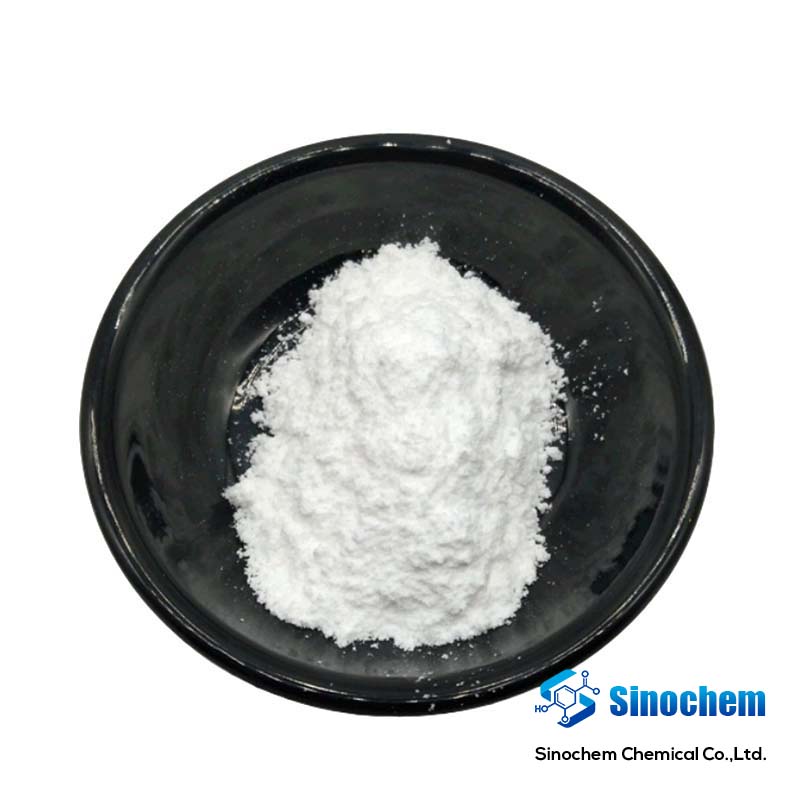
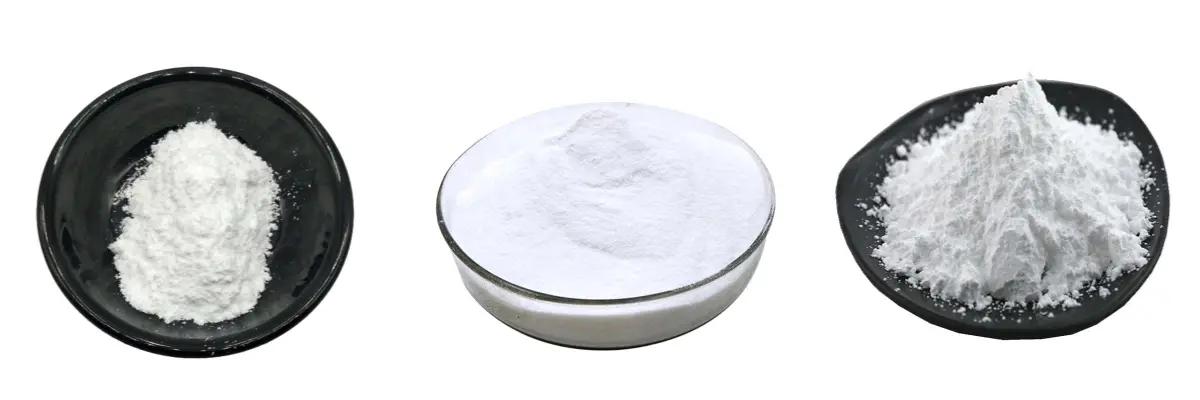
form | Crystalline Powder |
color | white to off-white |
biological source | synthetic (organic) |
Water Solubility | insoluble |
Merck | 144881 |
BCS Class | 2 |
Stability: | Stable. Combustible. Incompatible with strong oxidizing agents. |
InChIKey | HEFNNWSXXWATRW-UHFFFAOYSA-N |
LogP | 3.97 |
CAS DataBase Reference | 15687-27-1(CAS DataBase Reference) |
NIST Chemistry Reference | Ibuprofen(15687-27-1) |
EPA Substance Registry System | Benzeneacetic acid, .alpha.-methyl-4-(2-methylpropyl)- (15687-27-1) |
Safety Information | |
Hazard Codes | Xn |
Risk Statements | 22-63-51/53-39/23/24/25-23/24/25-11 |
Safety Statements | 36-61-36/37-45-16-7 |
HS Code | 29163920 |
Hazardous Substances Data | 15687-27-1(Hazardous Substances Data) |
Toxicity | LD50 in male mice, rats (mg/kg): 495, 626 i.p.; 1255, 1050 orally (Orzalesi) |

In China’s pharmaceutical market, this medication is primarily prescribed to alleviate pain symptoms and treat rheumatic diseases, with relatively scarce clinical application in alleviating cold symptoms and reducing fever. Such distinct usage characteristics differ greatly from paracetamol and aspirin, which are widely applied for fever relief and common cold-related treatment scenarios in clinical practice