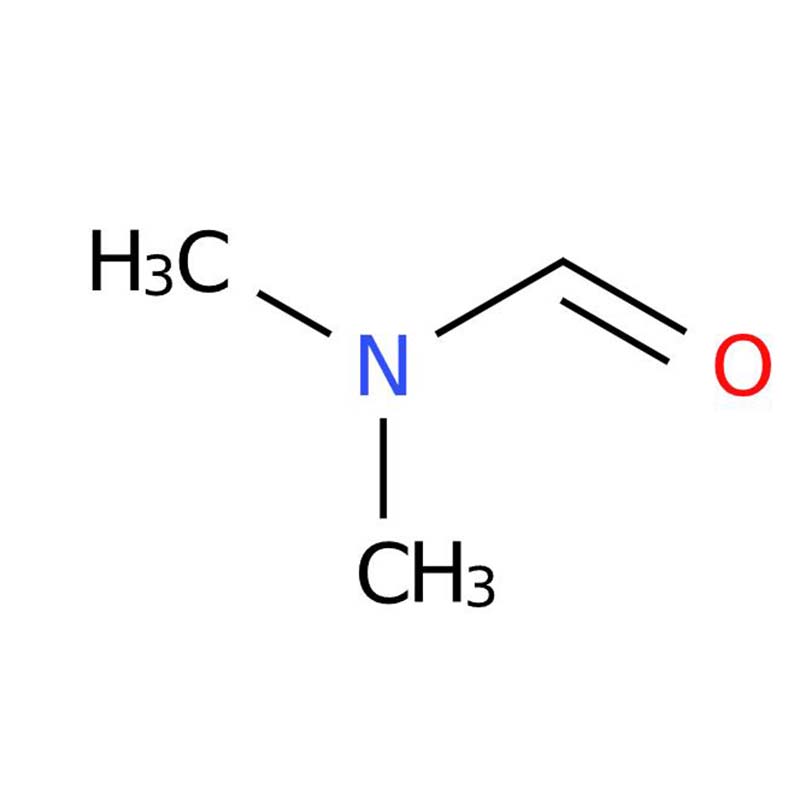
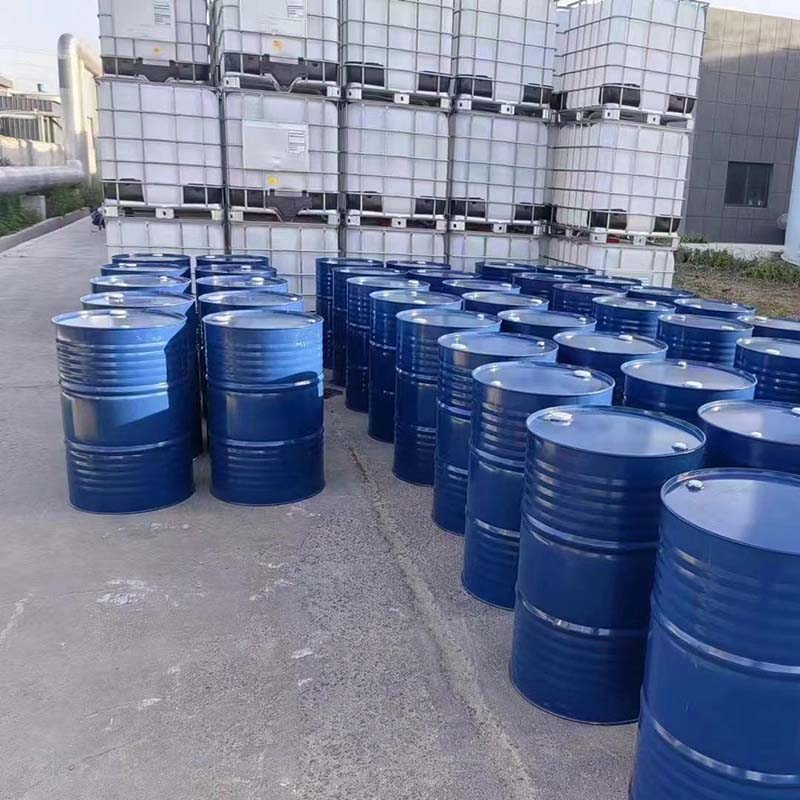
N,N-Dimethylformamide CAS:68-12-2
Hydroquinone – Key Product Advantages
High Reactivity: Demonstrates robust chemical versatility, readily undergoing oxidation, esterification, and substitution reactions for diverse industrial synthetic routes.
Broad Solubility: Freely soluble in hot water, ethanol, and diethyl ether, ensuring formulation flexibility and easy adaptation across solvent systems.
Controlled Stability: Although sensitive to air and light, it maintains long-term chemical integrity when stored in airtight, light-protected conditions.
Multi-Sector Utility: Serves as a vital stabilizer and antioxidant in pharmaceutical manufacturing, cosmetic formulations, and photographic development processes.
Hydroquinone – Physical-Chemical Profile
Hydroquinone, systematically referred to as 1,4-benzenediol (C₆H₆O₂, MW 110.11), ordinarily occurs as white, needle-like crystals. It is sensitive to atmospheric oxygen, undergoing progressive darkening upon air exposure as a result of oxidation. Its aqueous solutions spontaneously oxidize in air, developing a brown hue—a process that is markedly accelerated under alkaline conditions.
Hydroquinone – Technical Specifications
| Parameter | Specification / Description |
|---|---|
| Chemical Formula / Molecular Weight | C₆H₆O₂ / 110.11 |
| CAS Number | 123-31-9 |
| Appearance | Needle-like crystals or crystalline powder |
| Color | White to off-white |
| Odor | Odorless |
| Melting Point | 172–175 °C |
| Boiling Point | 285 °C |
| Density | 1.32 g/cm³ |
| Flash Point (closed cup) | 165 °C |
| Vapor Density (air = 1) | 3.81 |
| Vapor Pressure | 1 mmHg (at 132 °C) |
| Refractive Index | 1.6320 |
| Water Solubility (20 °C) | 70 g/L |
| pKa (20 °C) | 10.35 |
| LogP (20 °C) | 0.59 |
| Storage Condition | Below 30 °C, protected from light, airtight |
| Stability & Sensitivity | Stable yet combustible; sensitive to air and light, gradually darkening upon exposure; incompatible with strong oxidizers, strong bases, oxygen, and ferric salts |
| Occupational Exposure Limits | TWA 2 mg/m³ (OSHA PEL, ACGIH TLV); NIOSH REL: 15-min ceiling 2 mg/m³, IDLH 50 mg/m³ |
| IARC Carcinogenicity Classification | Group 3 (not classifiable as to its carcinogenicity to humans) |
Hydroquinone – Safety Information
| Safety Parameter | Specification / Description |
|---|---|
| Hazard Codes | Xn (Harmful), N (Dangerous for the environment) |
| Risk Phrases (R-Phrases) | R22: Harmful if swallowed; R40: Possible risk of irreversible effects; R41: Risk of serious damage to eyes; R43: May cause sensitization by skin contact; R50: Very toxic to aquatic organisms; R68: Possible risk of irreversible effects |
| Safety Phrases (S-Phrases) | S26: In case of contact with eyes, rinse immediately with plenty of water and seek medical advice; S36/37/39: Wear suitable protective clothing, gloves and eye/face protection; S61: Avoid release to the environment |
| UN Number | 2662 |
| Hazard Class | 9 (Miscellaneous dangerous goods) |
| Packing Group | III |
| WGK (Germany) | 3 (Severe hazard to water) |
| Autoignition Temperature | 930 °F (approx. 499 °C) |
| Acute Toxicity (oral, rat LD₅₀) | 320 mg/kg |
| IDLH | 50 mg/m³ |
| TSCA Inventory | Listed |
| RTECS Number | MX3500000 |
Hydroquinone exhibits characteristic physical constants: melting point 170–171 °C, boiling point 285–287 °C, and density 1.332 g/cm³. Spectral analysis in aqueous solution reveals a UV absorption maximum at 288 nm.
Regarding solubility, it is freely soluble in hot water, ethanol, and diethyl ether, but shows limited solubility in benzene. Chemically, it is highly reactive, undergoing facile oxidation and characteristic reactions such as esterification and electrophilic substitution.