Propylparaben
Effective Preservation: Nonylphenol propionate functions as a highly effective preservative through suppressing the proliferation of detrimental microorganisms, thus prolonging the storage duration of products across multiple industrial fields.
Wide Application Scope: It is extensively applied as a preservative in foods, cosmetics, medicines and animal feeds, contributing to sustaining the safety and quality of products in various usage scenarios.
Excellent Chemical Stability: This chemical substance maintains stable properties under different environmental conditions, guaranteeing stable and dependable performance when used as a preservative.
Remarkable Antibacterial Function: Featuring obvious antibacterial effects, it acts as an essential ingredient in preventing commercial and industrial products from being contaminated by microorganisms.
1. Product Overview
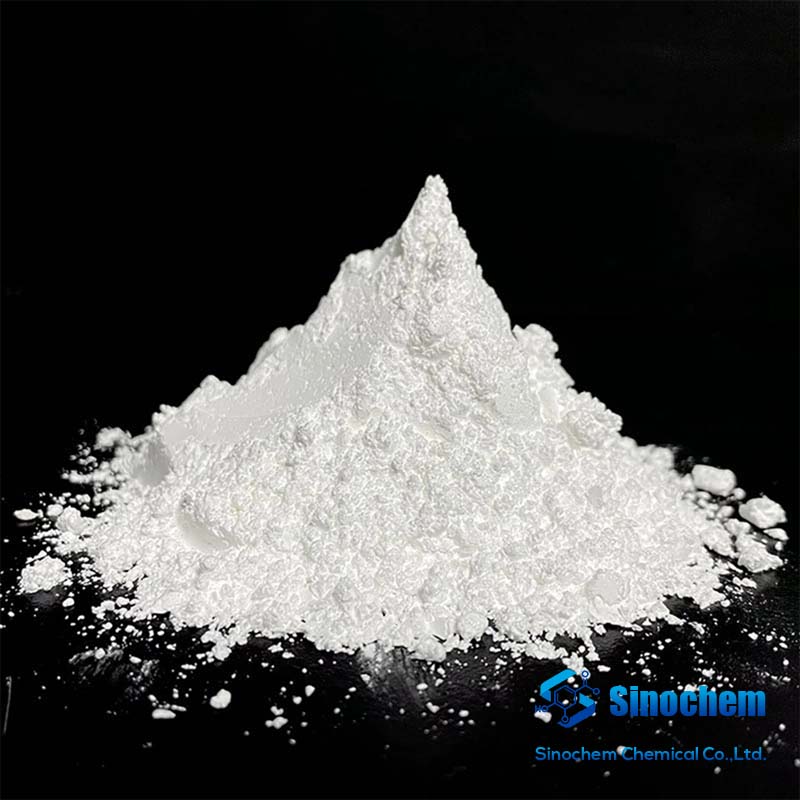
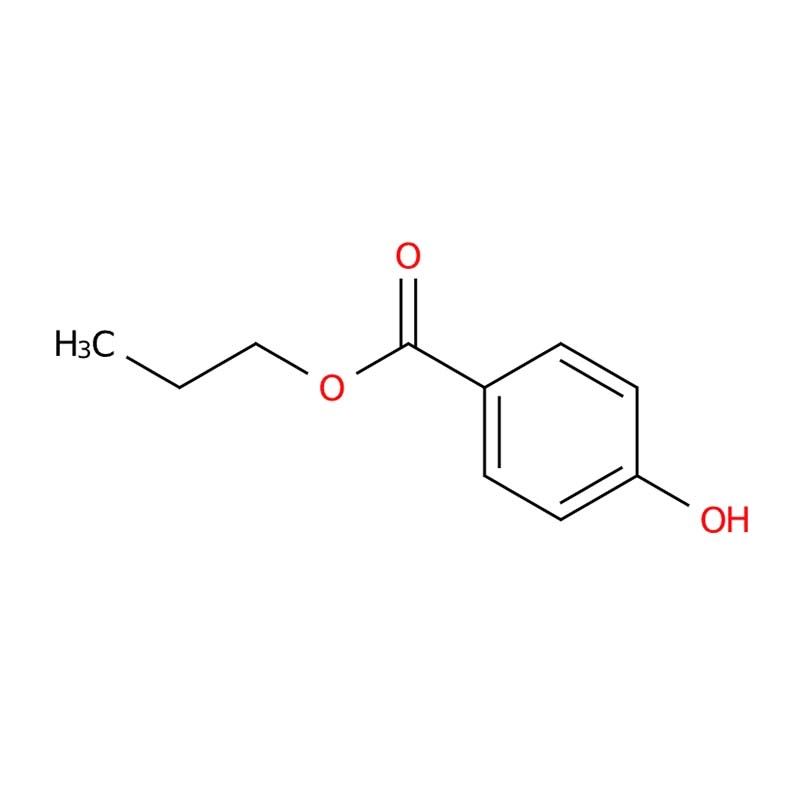
Propylparaben (also referred to as propyl 4-hydroxybenzoate or E216) is a popular broad-spectrum preservative derived from the paraben group, which consists of p-hydroxybenzoic acid esters.
Thanks to its strong antimicrobial properties and good safety performance, it has become an indispensable ingredient in food, medicine, cosmetics and daily care products.
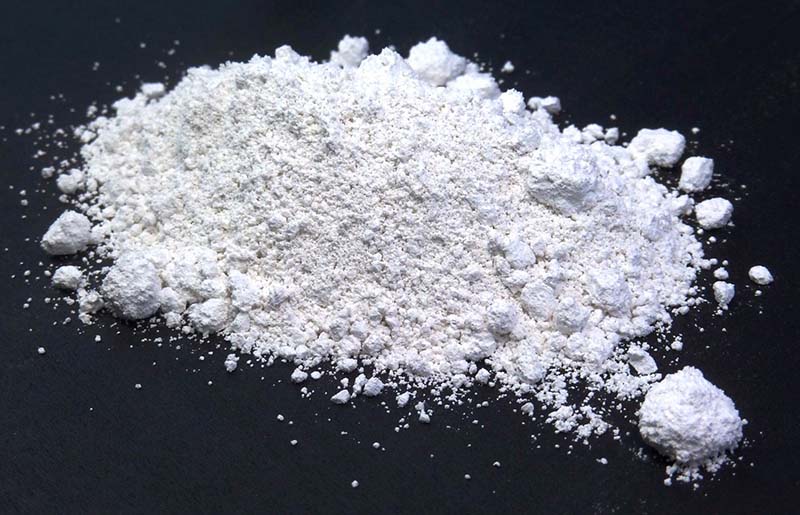
With a molecular formula of C₁₀H₁₂O₃, CAS number 94-13-3 and a molecular weight of around 180.20 g/mol, it presents as a white crystalline powder that is almost odorless with a mild burning aftertaste. It shows stronger antimicrobial effects than methylparaben and ethylparaben, especially in inhibiting molds and yeasts.
It works mainly by damaging the cell membranes of microorganisms and suppressing their respiratory enzyme systems. Thanks to its phenolic hydroxyl group, it stays stable and functional within a wide pH range from 4 to 8.
2. Key Features
Broad-Spectrum Antibacterial Effect — It shows strong inhibition against most Gram-positive and Gram-negative bacteria, molds and yeasts. Since its antimicrobial ability rises with the length of the alkyl chain, propylparaben offers better performance than methylparaben and ethylparaben.
Outstanding Stability — It stays stable under acidic and weakly alkaline conditions (pH 4–8). With high heat tolerance, it does not break down during 100°C sterilization, adapting well to diverse production processes.
Low Toxicity and High Safety — It is widely acknowledged as safe worldwide, featuring low acute toxicity (LD50 oral mouse: 3.7 g/kg), mild skin irritation and low allergy risk.
Synergistic Compounding — It is often mixed with methylparaben, ethylparaben or butylparaben. Such combinations greatly improve the total preservative effect and lower the dosage of each single ingredient.
Compliant with International Industry Standards — It conforms to many global specifications such as FCC, USP/NF, BP and PhEur.
Possible Natural Sources — In addition to chemical synthesis, propylparaben can also be found naturally in some plants and microorganisms, satisfying market demand for natural-derived ingredients.
3. Technical Specifications with Explanations
| Parameter | Typical Value/Specification | Description & Significance |
| Molecular Formula | C₁₀H₁₂O₃ | Core identifier for chemical structure. |
| Molecular Weight | Approximately 180.20 g/mol | Used for quantitative analysis and formulation calculations. |
| CAS Number | 94-13-3 | Universal chemical substance identifier. |
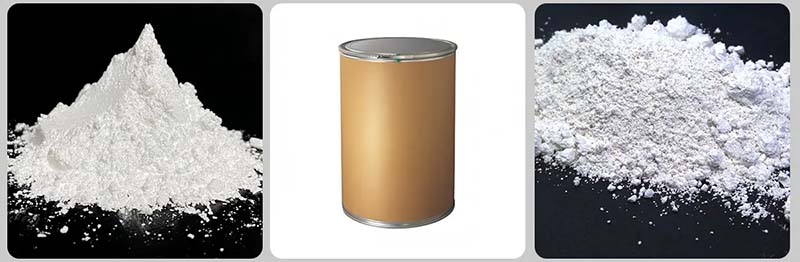
| Appearance | White crystalline powder | Visual quality indicator. Should be uniform white, free from lumps or visible impurities. |
| Assay (Purity) | 99.0% - 100.5% (FCC/USP grade) | Core specification. High content ensures reliable and accurate preservative efficacy. |
| Melting Range | 95.0°C - 98.0°C | Characteristic physical constant for preliminary purity verification. Narrow range indicates high purity. |
| Loss on Drying | ≤ 0.5% | Measures total moisture and volatile content. Low moisture critical for stability and accurate weighing. |
| Residue on Ignition (Sulfated Ash) | ≤ 0.05% | Represents inorganic impurity content (metal salts). Low value indicates high purity. |
| Heavy Metals | ≤ 10 ppm | Critical safety parameter ensuring compliance with food and cosmetic regulations. |
| Acidity | ≤ 0.1 ml NaOH 0.1N | Controls free acid content, ensuring product stability. |
| Related Substances | Individual impurities ≤ 0.5% | Characterizes byproducts from synthesis; important purity indicator. |
| Solubility | Practically insoluble in cold water, slightly soluble in hot water, freely soluble in ethanol, ether, acetone, and other organic solvents | Critical for formulation design. Typically requires pre-dissolution in organic solvents (ethanol, propylene glycol) before incorporation into aqueous systems. |
4. Applications
(1)Pharmaceutical Industry
1.1 Pharmaceutical Excipient — It is extensively utilized as a preservative in oral liquid products such as syrups and suspensions, external preparations including ointments and creams, ophthalmic solutions, and capsule shells, effectively avoiding microbial contamination.
1.2 Vaccines & Biologics — It acts as a key preservative ingredient in multi-dose vaccine formulations and other biological products.
(2). Cosmetics & Personal Care
2.1 Primary Preservative — Propylparaben is among the most commonly applied preservatives in cosmetics, with a recommended dosage range of 0.1% to 1.0%. Its main application areas are: - Skin Care: Facial creams, lotions, cleansers, toners, and facial masks - Hair Care: Shampoos, conditioners, and hair styling products - Color Cosmetics: Liquid foundations, concealers, lipsticks, eyeshadows, mascaras, and eyeliners - Oral Care: Toothpastes and mouthwashes
2.2 Combination Advantage — It is often used together with methylparaben, ethylparaben, or phenoxyethanol to boost the antibacterial effect against Gram-negative bacteria such as Pseudomonas aeruginosa.
(3). Food Industry
3.1 Food Preservative — In the past, it was widely added to soy sauce, pickles, jams, beverages, and baked products to suppress the growth of molds and yeasts.
3.2 Important Note — Relevant regulations differ across regions. In some areas such as China (GB 2760), propylparaben is no longer allowed for use in food. It is necessary to check the latest local regulatory requirements before application.
(4). Industrial Applications
4.1 Coatings & Adhesives — It serves as an in-can preservative for water-based paints, adhesives, and emulsion polymers to prevent spoilage during storage.
4.2 Textiles & Leather — It is used as an antimicrobial finishing agent to protect textiles and leather products from mold.
4.3 Animal Feed — It functions as a preservative in animal feed to inhibit mold growth and prolong the shelf life of feed.
5. Product Grade Comparison
| Parameter/Grade | FCC Grade (Food Grade) | USP/NF Grade (Pharmaceutical Grade) | Cosmetic Grade | High Purity/Analytical Standard |
| Core Standard | Meets Food Chemical Codex | Meets USP/NF requirements | Meets cosmetic ingredient standards (INCI) | Purity ≥99.5% (HPLC) |
| Assay (Content) | 99.0% - 100.5% | 98.0% - 102.0% | ≥99.0% | ≥99.5% |
| Melting Range | 95-98°C | 96-99°C | 95-98°C | 96-98°C |
| Critical Parameters | Heavy metals (Pb, As, Hg) | Related substances, residue on ignition, loss on drying | Color, odor, microbial limits | Exact content for HPLC quantification |
| Primary Applications | Food additives, beverages, nutritional supplements | Pharmaceutical preparations, pharmaceutical excipients | Skin care, color cosmetics, hair care, oral care | Analytical testing, standard curves, quality control |
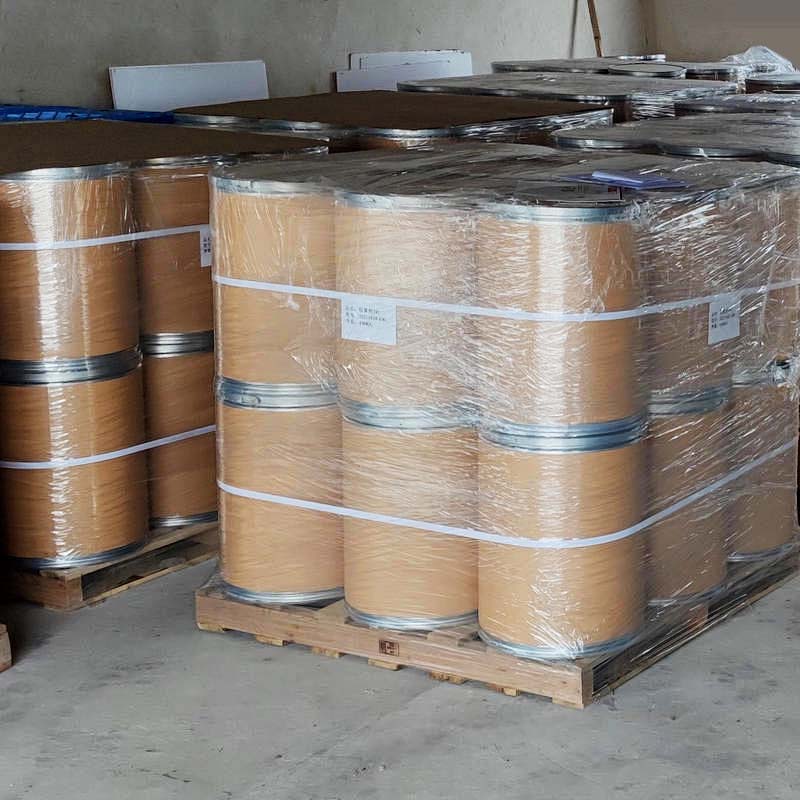
| Packaging | 5 kg, 25 kg food-grade packaging | 1 kg, 5 kg, 25 kg, 50 kg drums | 1 kg, 5 kg, 20 kg, 25 kg drums | 100 mg, 1 g vials |