Vitamin B12 CAS:68-19-9
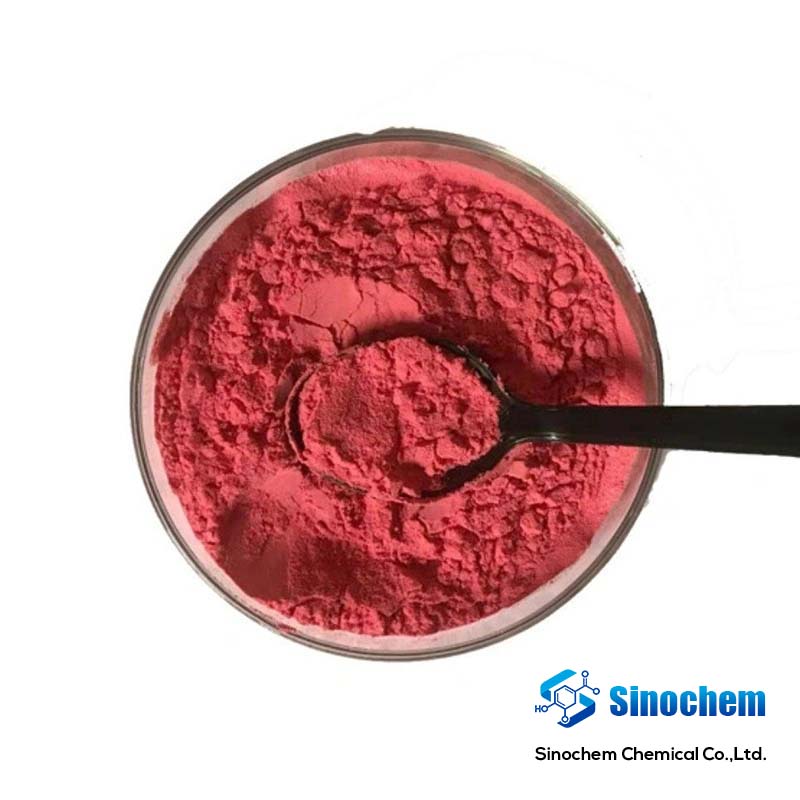
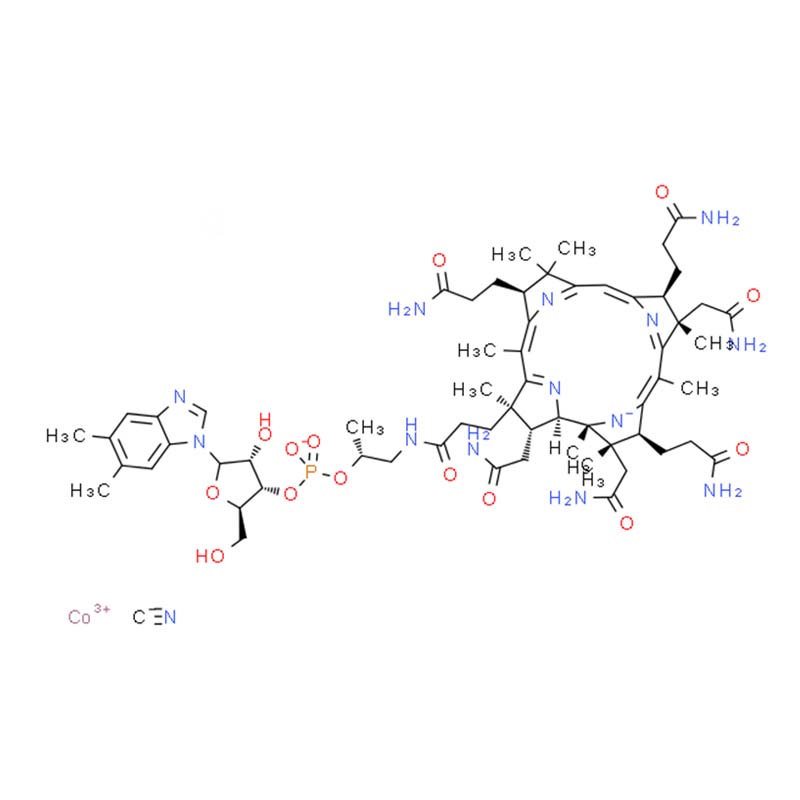
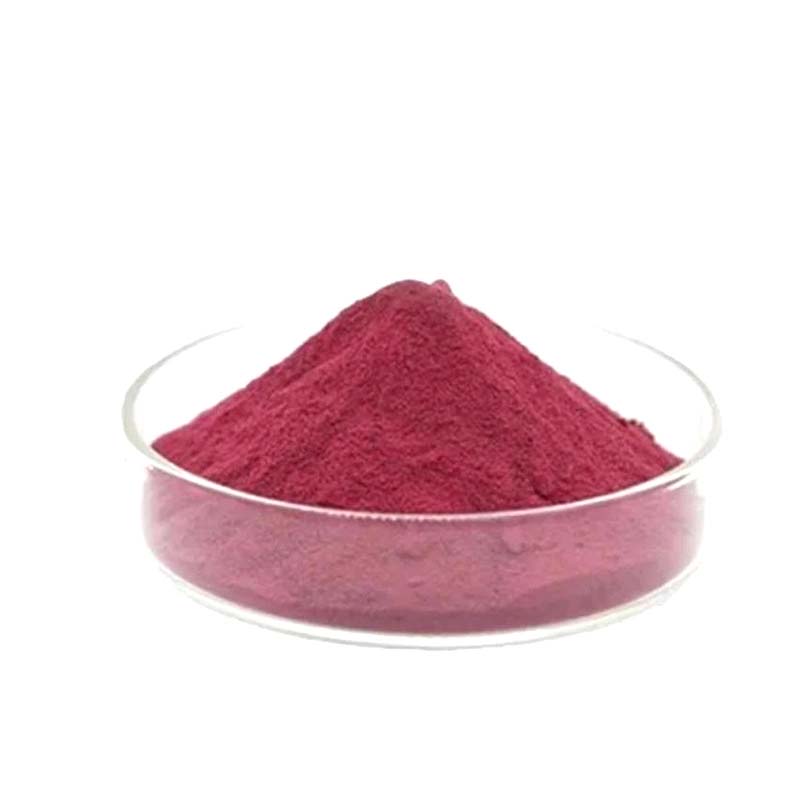
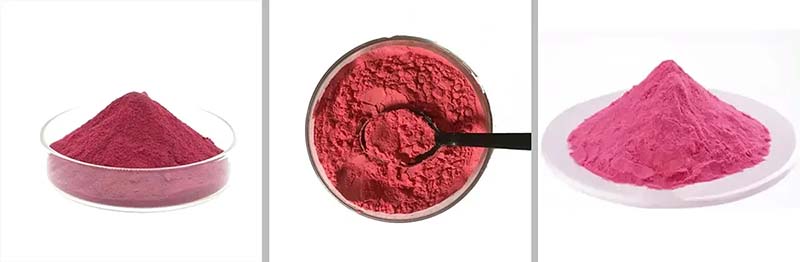
Vitamin B12 (VB12), frequently referred to as cobalamin, represents a distinct category within the B-complex vitamins. Structurally, it is the most intricate vitamin molecule identified to date, characterized as a complex organic compound featuring a central trivalent cobalt ion situated within a guanidine ring analogous to porphyrin. Uniquely among vitamins, it incorporates a metal ion, and its physical manifestation as red crystals has led to the moniker "red vitamin." Since plants are incapable of synthesizing or containing VB12, primary dietary sources include liver, milk, meat, eggs, and fish. Biologically, VB12 functions as an indispensable coenzyme for the biosynthesis of ribonucleic acid and deoxyribonucleic acid. Insufficient levels of this vitamin can precipitate severe neurological disorders, including peripheral neuropathy and central encephalopathy.
Name:Vitamin B12 | |
CAS:68-19-9 | Storage conditions: Store at 2-8°C, with argon gas filling. |
Purity specification: ≥ 98% | Product category: Chemical and biochemical reagents, catalysts |
Molecular formula:C63H88CoN14O14P | Molecular weight:1355.37 |
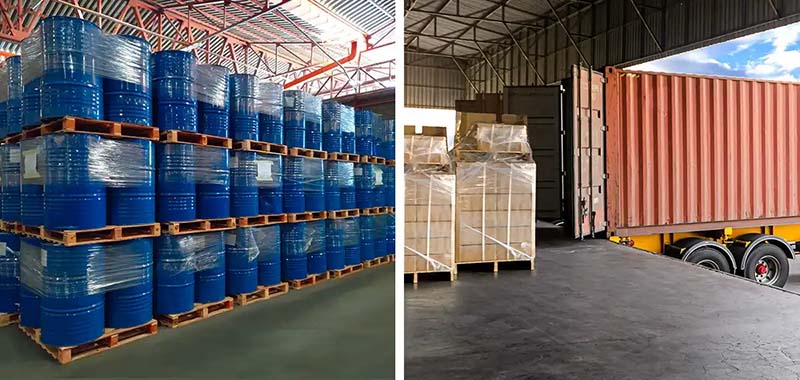
MDL:MFCD00151092 | Transportation conditions: Refrigerated transportation |
Application:A coenzyme for synthesis of nucleic acids and metabolism carbohydrates. | Product specification:1g、25g、5g and more you need |
HS Code :2936260000
Hazardous Substances Data:68-19-9(Hazardous Substances Data)
Toxicity:LD50 intravenous in mouse: 2gm/kg
Product Introduction:
As a component of the vitamin mixture solution in the in vitro intestinal simulation test;
As a standard for size exclusion inductive coupled plasma mass spectrometry (SEC-ICP-MS);
As a component of the simulated plasma protein mixture for Raman spectroscopy analysis;
In surface plasmon resonance (SPR) analysis;
As a supplement to the culture medium for neonatal rat ventricular myocytes (NRVM)