Polyacrylonitrile (PAN) CAS No.: 25014-41-9
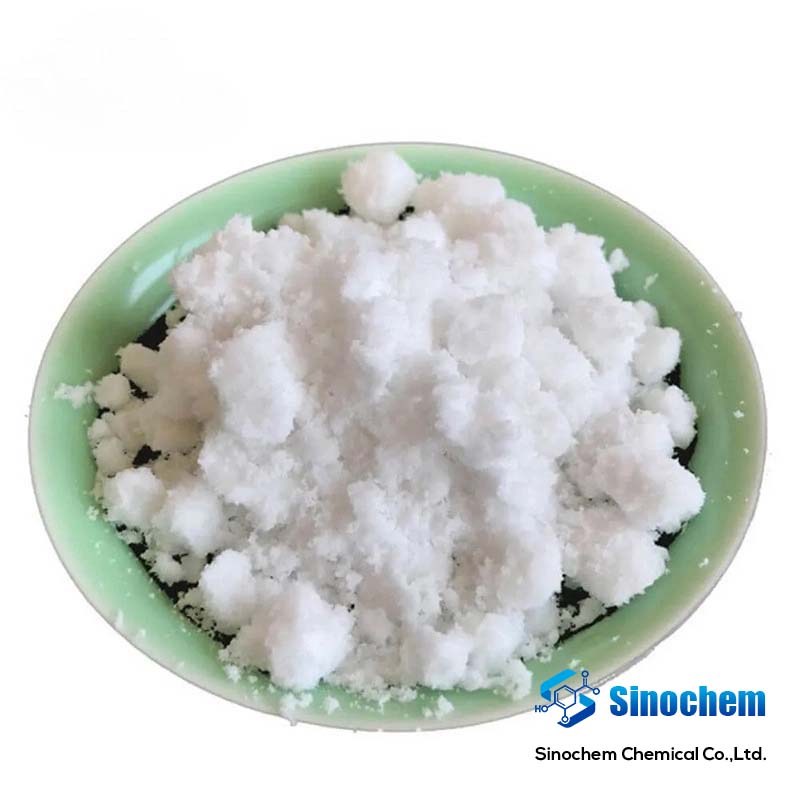
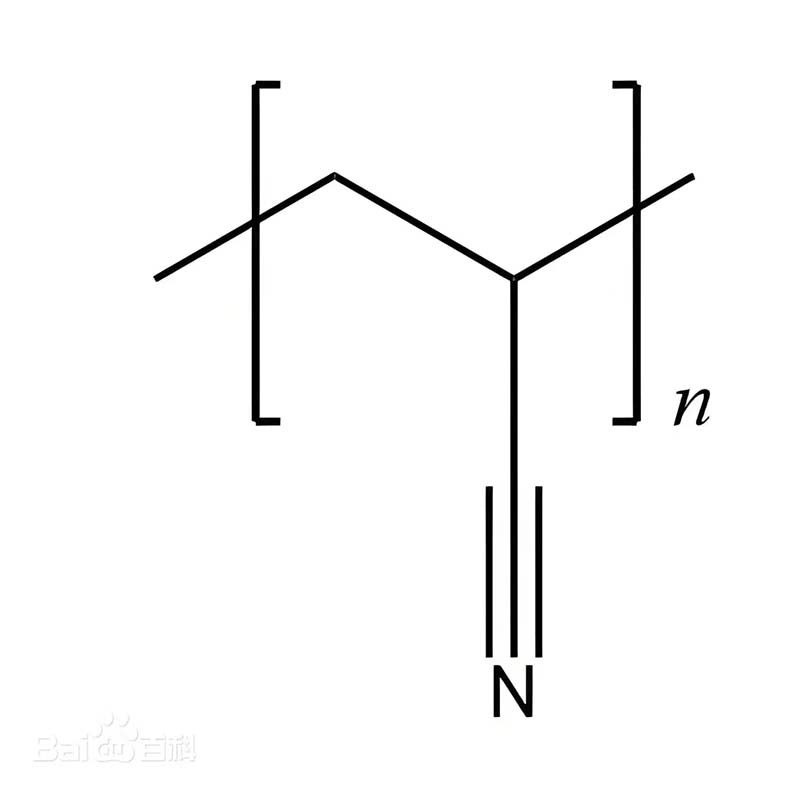
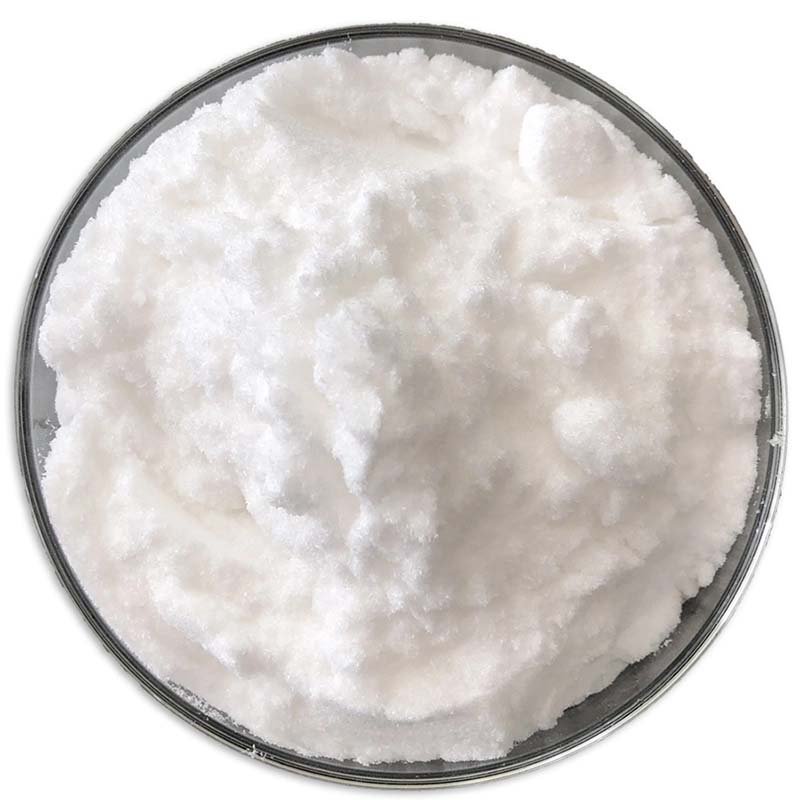
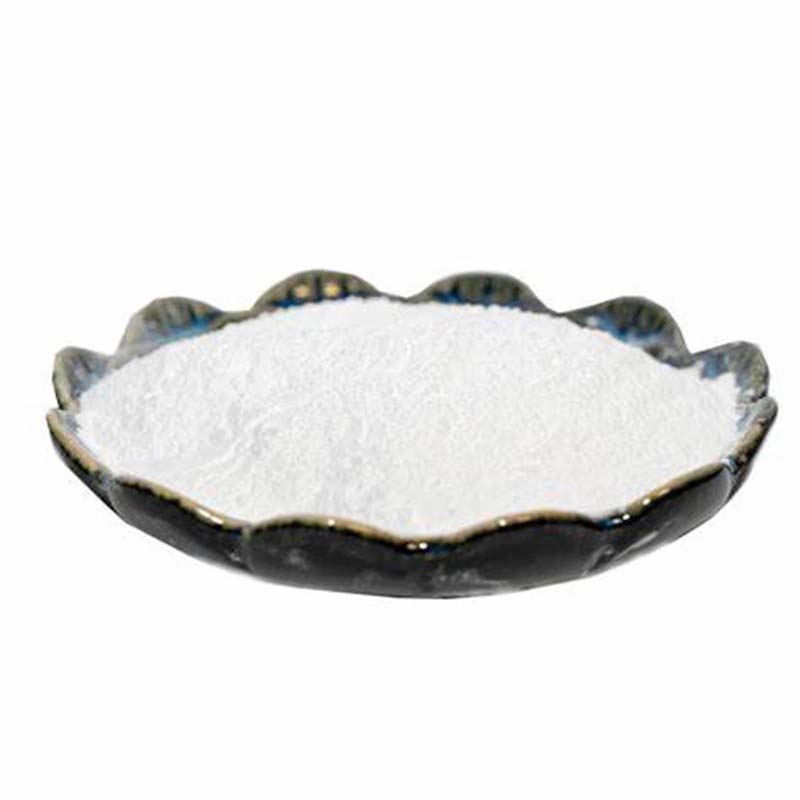
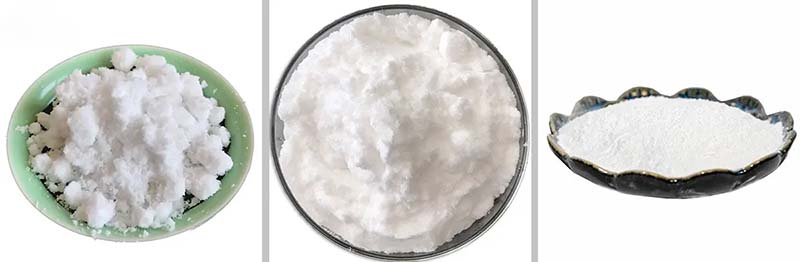
Polyacrylonitrile (PAN, CAS 25014-41-9) is a white to off-white semicrystalline powder with the formula (C₃H₃N)ₙ, notable for being insoluble in water and most organic solvents except highly polar aprotic ones like DMF and DMSO. Its high melting point (≈317°C) and decomposition temperature are so close that it degrades before melting under normal conditions. PAN's primary commercial importance is as the precursor for over 90% of global carbon fiber production via controlled pyrolysis and carbonization; in fiber form (acrylic), it serves as a wool substitute in textiles due to its soft feel and excellent sunlight resistance, and it is also used in ultrafiltration membranes and as a copolymer component in ABS plastics.
1. Overview
Polyacrylonitrile is a semicrystalline polymer made by free-radical polymerization of acrylonitrile monomers. It is a white to off-white powder or fiber with excellent mechanical properties, thermal stability, and chemical resistance. PAN is best known as the primary precursor for carbon fiber production (>90% of carbon fiber is made from PAN). It is also widely used in textiles, membranes, and engineering plastics .
2. Key Features
Carbon Fiber Precursor – Yields high-strength, high-modulus carbon fibers after heat treatment .
High Thermal Stability – Stable up to ~300°C before cyclization and carbonization .
Excellent Chemical Resistance – Resists organic solvents, oils, and dilute acids/alkalis .
Good Mechanical Strength – High tensile strength and modulus in fiber form .
UV Resistance – Resists degradation from sunlight exposure .
Flame Retardancy – Self-extinguishing due to high nitrogen content (~26%) .
3. Key Specifications with Explanation
| Parameter | Typical Value | Explanation |
|---|---|---|
| Appearance | White powder or staple fiber | Discoloration indicates degradation or impurities. |
| Molecular Weight (Mw) | 50,000 – 150,000 g/mol | Higher Mw yields stronger fibers but harder to spin. |
| Intrinsic Viscosity (IV) | 1.0 – 2.5 dL/g | Measures polymer chain length; affects spinnability. |
| Tacticity | Atactic (predominantly) | Affects crystallinity and mechanical properties. |
| Glass Transition Temp (Tg) | ~85 – 105°C | Temperature where polymer becomes rubbery . |
| Melting Point | 317°C (decomposes) | Degrades before melting – no true melting point . |
| Density | 1.18 – 1.20 g/cm³ | Affects processing and final product weight. |
| Residual Monomer | ≤ 100 – 500 ppm | Unreacted acrylonitrile (toxic) – critical for safety. |
| Moisture Content | ≤ 0.5% | Low moisture prevents bubble formation during processing. |
| Ash Content | ≤ 0.1 – 0.5% | Low ash critical for carbon fiber precursor quality. |
4. Applications
| Application Area | Specific Uses |
|---|---|
| Carbon Fiber Production (>90% of PAN use) | Aerospace, automotive, sporting goods, wind turbine blades, pressure vessels. PAN is carbonized to produce high-strength carbon fibers . |
| Textile Fibers (Acrylic Fibers) | Sweaters, blankets, carpets, outdoor fabrics, faux fur (sold as "acrylic" or "Orlon") . |
| Membranes & Filtration | Ultrafiltration and nanofiltration membranes for water treatment, dialysis . |
| Engineering Plastics | High-heat ABS (acrylonitrile-butadiene-styrene) and SAN (styrene-acrylonitrile) copolymers . |
| Precursors for Other Materials | Carbon-carbon composites, activated carbon fibers, graphite . |
| Binders & Coatings | Binder for batteries (anode coatings), protective coatings . |
PAN vs Acrylic vs Modacrylic:
| Material | Composition | Primary Use |
|---|---|---|
| PAN Homopolymer | 100% acrylonitrile | Carbon fiber precursor, high-performance fibers |
| Acrylic Fiber | ≥85% acrylonitrile + comonomer | Textiles (sweaters, blankets) – improved dyeability |
| Modacrylic | 35–85% acrylonitrile + vinylidene chloride | Flame-resistant fabrics (wigs, children's sleepwear) |
5. Grade Comparison
| Grade | Molecular Weight | Form | Typical Use |
|---|---|---|---|
| Carbon Fiber Precursor Grade | High (Mw >100,000) | Tow (continuous filament) | Aerospace/automotive carbon fiber |
| Textile Grade (Acrylic) | Medium (Mw 60,000–90,000) | Staple fiber | Sweaters, blankets, carpets |
| Membrane Grade | Medium (Mw 50,000–80,000) | Powder | Water filtration membranes |
| Engineering Plastic Grade (SAN/ABS) | Low-Medium (Mw 40,000–70,000) | Pellet/granule | Blending with styrene and butadiene |
| Research Grade | Variable | Powder | R&D, polymer modification studies |
6. Buying Guide
Select Grade by Application:
Carbon fiber production → High Mw, low ash (<0.1%), consistent IV, continuous tow form .
Textile fibers → Medium Mw, comonomer-modified for dyeability, staple fiber form .
Membrane production → Medium Mw, powder form, low residual monomer .
ABS/SAN blending → Low Mw, pellet form, consistent melt flow .
Key Quality Parameters for Carbon Fiber Precursor:
Ash content – <0.1% (impurities cause defects in final carbon fiber) .
Residual monomer – <100 ppm (acrylonitrile is toxic and causes voids) .
Molecular weight distribution – Narrow distribution preferred for uniform fiber properties .
Storage & Handling:
Store in a cool, dry, well-ventilated area away from heat sources.
Avoid prolonged exposure to sunlight (UV degradation) .
Toxic monomer hazard – residual acrylonitrile is a carcinogen; ensure adequate ventilation .
Shelf life: 12–24 months when stored properly.
Safety Verification:
Request CoA confirming residual monomer content and ash content.
Ensure supplier provides SDS with handling instructions for acrylonitrile residue.
7. FAQ
Q: Why is PAN used for carbon fiber?
A: PAN has a high carbon yield (~50–55% after carbonization) and forms a perfect graphitic structure during heat treatment. The nitrile groups (-C≡N) cyclize and form ladder polymers, which become the backbone for high-strength carbon fibers . No other polymer matches PAN's combination of cost and carbon fiber performance.
Q: Is PAN the same as acrylic fabric?
A: Not exactly. "Acrylic" fabric contains ≥85% PAN plus comonomers for dyeability and flexibility. Pure PAN homopolymer is difficult to dye and less flexible. Most consumer textiles labeled "acrylic" are PAN copolymers .
Q: Is PAN toxic?
A: The polymer itself is inert and non-toxic. However, residual acrylonitrile monomer is a suspected carcinogen and neurotoxin. High-quality PAN for textiles/carbon fiber has residual monomer <100–500 ppm . Use PPE when handling powder (dust inhalation risk).
Q: Does PAN melt?
A: No. PAN decomposes at ~317°C before reaching a melting point. This is why PAN fibers cannot be melt-spun; they must be solution-spun using solvents like DMF or DMSO .
8. Delivery, Certification & Service
Packaging:
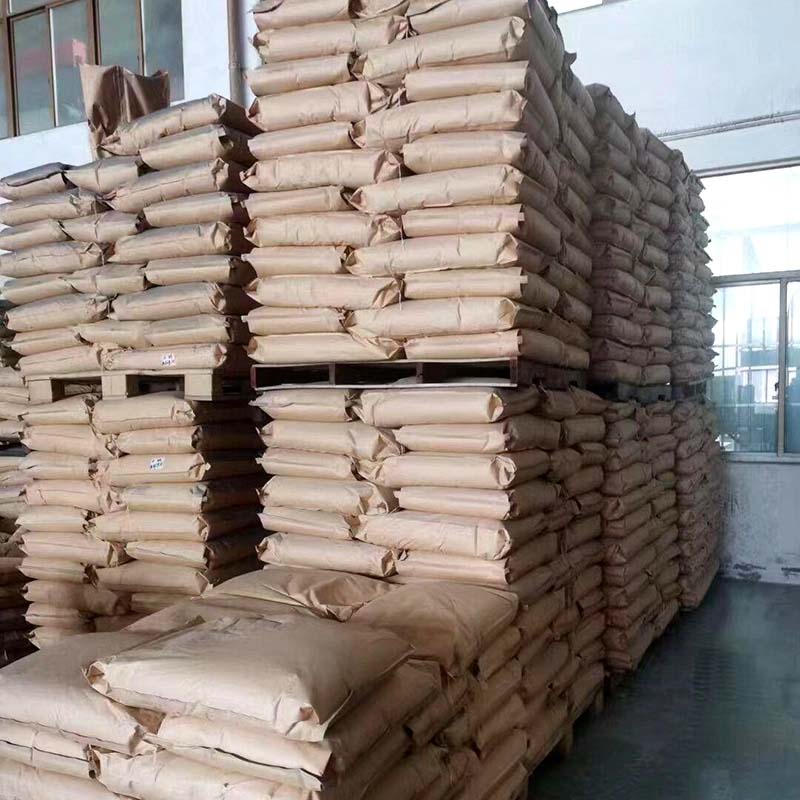
Powder: 25kg bag (multi-wall paper with PE liner), 500kg bulk bag.
Fiber/Tow: Cardboard boxes or spools (typical 5–50 kg per unit).
Pellet: 25kg bag or 500kg bulk bag.
Lead Time: Stock items: 3–7 business days; custom grades: 3–6 weeks.
Documentation: CoA (Mw, IV, residual monomer, ash, moisture), MSDS, TDS.
Certifications: ISO 9001; carbon fiber grades may have aerospace quality certifications (AS9100) .
Shipping: Not classified as dangerous goods for transport (residual monomer levels below hazardous thresholds). Avoid static discharge when handling powder.