Tetrabutyl Titanate (TBOT) CAS No.: 5593-70-4
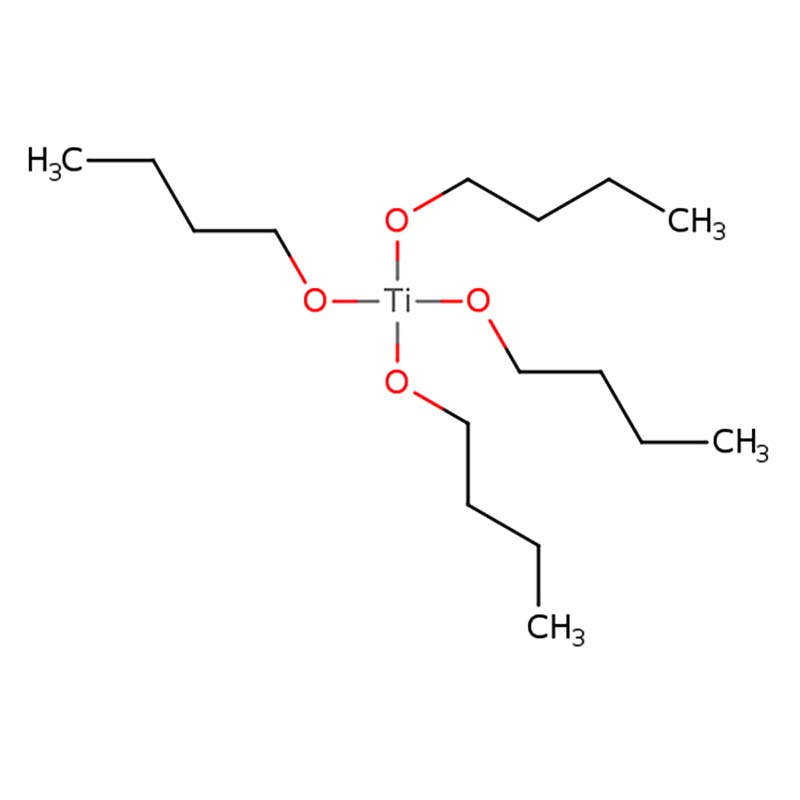
Tetrabutyl titanate (TBT, CAS 5593-70-4) is a colorless to pale-yellow liquid organometallic compound with the formula C₁₆H₃₆O₄Ti, highly sensitive to moisture and readily hydrolyzed by water . It is valued primarily as a versatile catalyst and cross-linking agent, with key applications including: catalyzing esterification and transesterification reactions in polyester and plasticizer production; serving as a curing agent in heat-resistant paints (up to 500°C) and coatings; and acting as an adhesion promoter for paints, rubbers, and plastics on metal surfaces . It also finds use in medical adhesives and sol-gel processes .
1. Overview
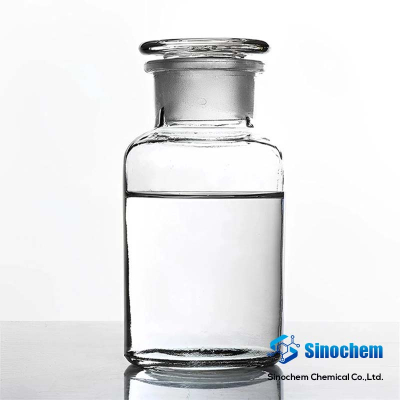
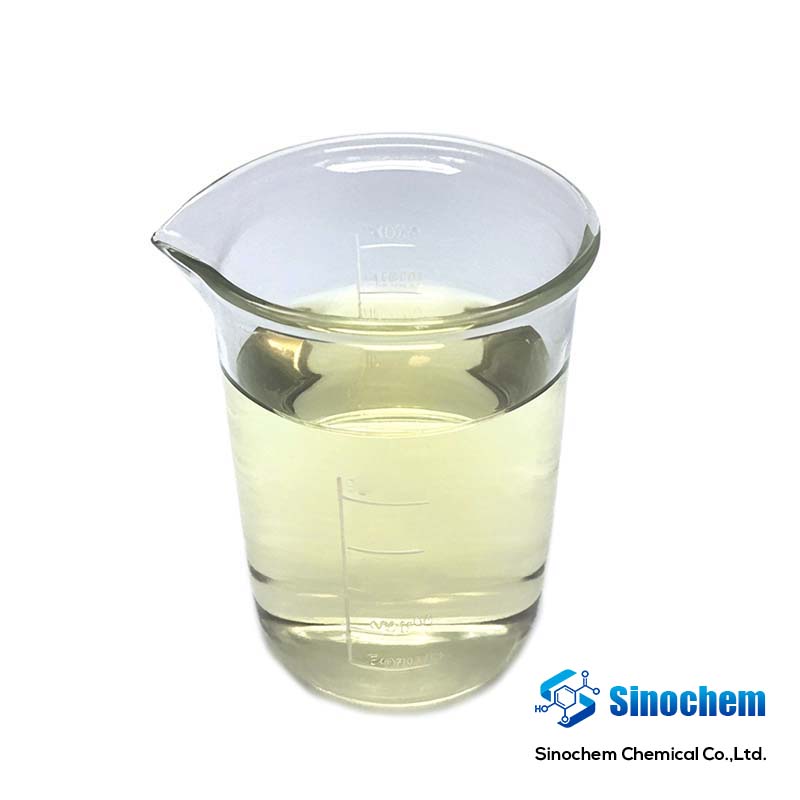
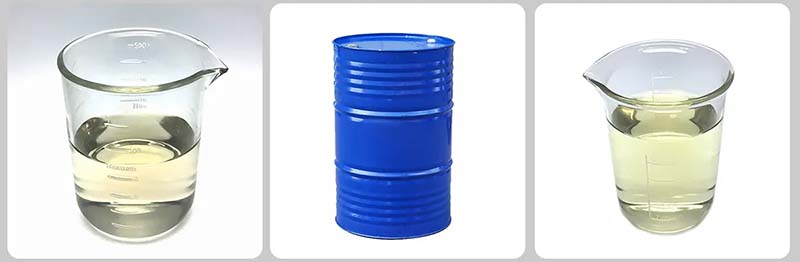
TBOT is a colorless to pale yellow liquid that is highly sensitive to moisture. It is the most widely used titanium alkoxide, serving as a catalyst, crosslinking agent, and precursor for TiO₂ materials. Its ability to undergo transesterification and hydrolysis makes it valuable in coatings, ester synthesis, and sol-gel processes.
2. Key Features
Strong transesterification catalyst – for polyester and polyol production
Excellent adhesion promoter – between organic coatings and inorganic substrates
TiO₂ precursor – for sol-gel synthesis of titanium dioxide (nanoparticles, films)
Crosslinking agent – for silicone rubber and other polymers
Low toxicity – compared to many metal catalysts
3. Key Specifications
| Parameter | Typical Value | Explanation |
|---|---|---|
| Appearance | Colorless to pale yellow liquid | Darkening = hydrolysis/degradation |
| Assay (Purity) | ≥98% – ≥99% | Higher purity for sensitive applications |
| TiO₂ Content | ≥27.5 – 28.5% | Measures active titanium content |
| Density (25°C) | 0.99 – 1.01 g/mL | Slightly lighter than water |
| Viscosity (25°C) | 3 – 8 cP | Very low, easy to pump |
| Boiling Point | 310°C (decomposes) | Decomposes before boiling |
| Flash Point | 77°C (closed cup) | Flammable |
| Water Content | ≤0.1 – 0.3% | Critical – hydrolyzes rapidly |
| Titanium (Ti) | ≥13.5 – 14.2% | Direct measure of active metal |
| Solubility | Miscible with organic solvents | Insoluble in water |
4. Applications
| Area | Specific Uses |
|---|---|
| Esterification / Transesterification | Catalyst for PET, PBT, polyesters, and biodiesel |
| Coatings & Paints | Adhesion promoter; crosslinking agent for silicone and alkyd resins |
| Sol-Gel Processing | Precursor for TiO₂ nanoparticles, thin films, and photocatalysts |
| Silicone Rubber | Crosslinking catalyst (room temperature vulcanization) |
| Electronics | Dielectric films; sol-gel ferroelectric materials (e.g., PZT) |
| Plastics & Rubber | Coupling agent for fillers (CaCO₃, silica, talc) |
5. Grade Comparison
| Grade | Purity | TiO₂ Content | Typical Use |
|---|---|---|---|
| Industrial Grade | ≥98% | ≥27.5% | Polyester catalyst, general coatings |
| High Purity | ≥99% | ≥28.0% | Electronics, sol-gel, sensitive syntheses |
| Low Chloride | ≥98% | ≥27.5% | Corrosion-sensitive applications |
6. Buying Guide
Select by application:
Polyester/PBT catalyst → Industrial grade (≥98%) sufficient
Sol-gel / electronics → High purity (≥99%) required
Moisture-sensitive reactions → Request low water content (<0.1%)
Storage & handling:
Store under dry inert gas (N₂/Ar) – extremely moisture sensitive
Use in a dry environment (glovebox or with drying tubes)
Keep container tightly sealed – hydrolyzes in air within minutes
Shelf life: 6–12 months (shorter if opened)
Flammable – keep away from ignition sources
Handling precautions:
TBOT hydrolyzes vigorously with water → forms TiO₂ gel and butanol
Use anhydrous solvents for dilution (toluene, xylene, butanol)
Work in fume hood – butanol released upon hydrolysis
GHS: H226 (Flammable), H315 (Skin irritation), H319 (Eye irritation), H335 (Respiratory irritation)
Quality verification:
Request CoA for assay, TiO₂ content, and water content
Check appearance – should be clear. Hazy or precipitated = hydrolyzed (discard)
7. FAQ
Q: What happens when TBOT is exposed to water?
A: Rapid hydrolysis – forms titanium dioxide (TiO₂) gel and releases butanol. The reaction is exothermic. Always protect from moisture.
Q: Is TBOT the same as titanium isopropoxide (TTIP)?
A: No. TBOT (butoxide) has slower hydrolysis rate and better solubility in non-polar solvents. TTIP (isopropoxide) hydrolyzes faster and is more reactive.
8. Delivery & Service
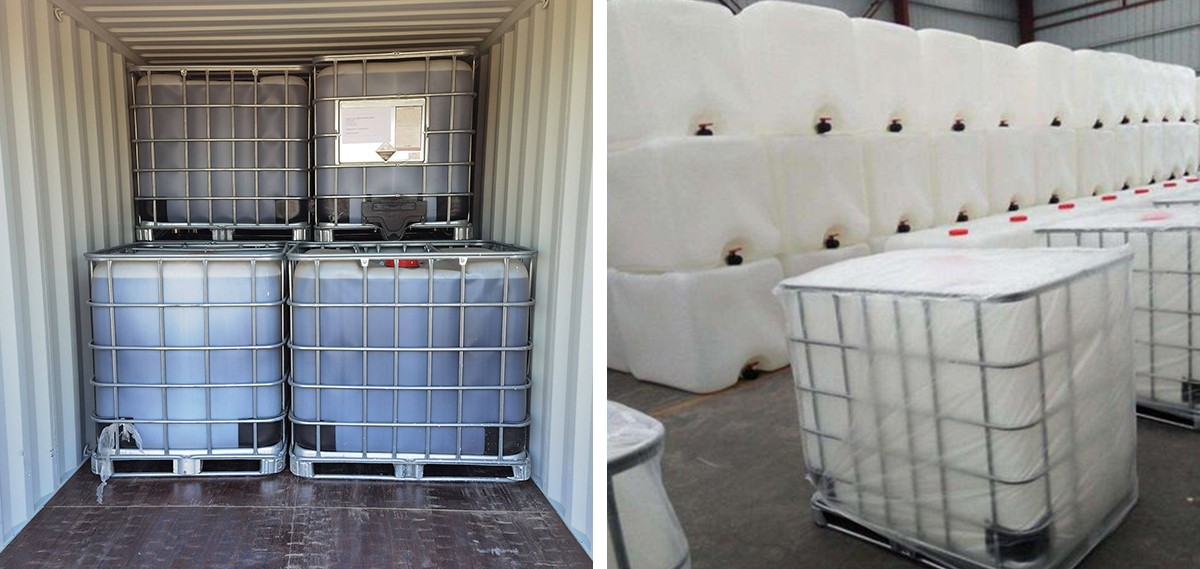
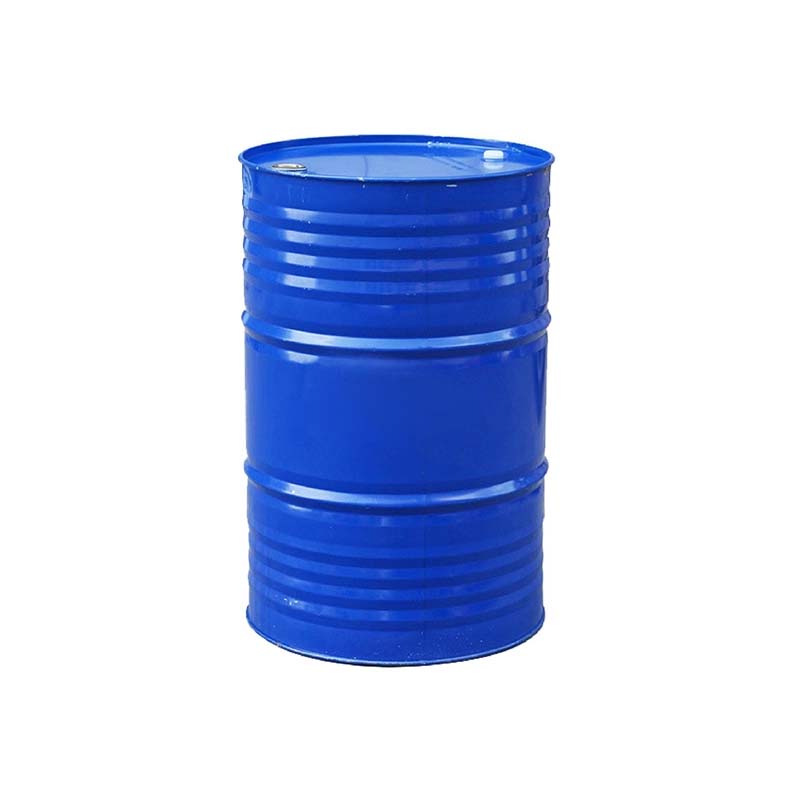
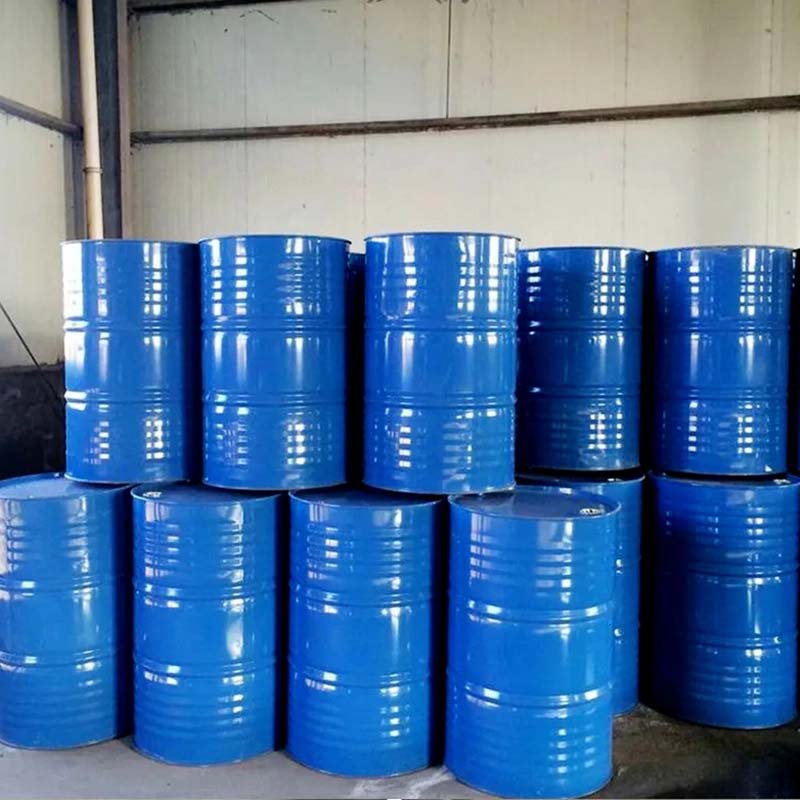
Packaging: 20kg, 25kg, 200kg HDPE or stainless steel drums; 1000kg IBC; bulk isotanks
Lead time: Stock: 3–7 days; bulk: 2–4 weeks
Documentation: CoA (assay, TiO₂ content, water, density), MSDS, TDS
Certifications: ISO 9001 (varies by supplier)
Shipping: Flammable liquid, Class 3 (UN 1993) or Class 8 corrosive (UN 2924) depending on concentration – requires hazardous documentation