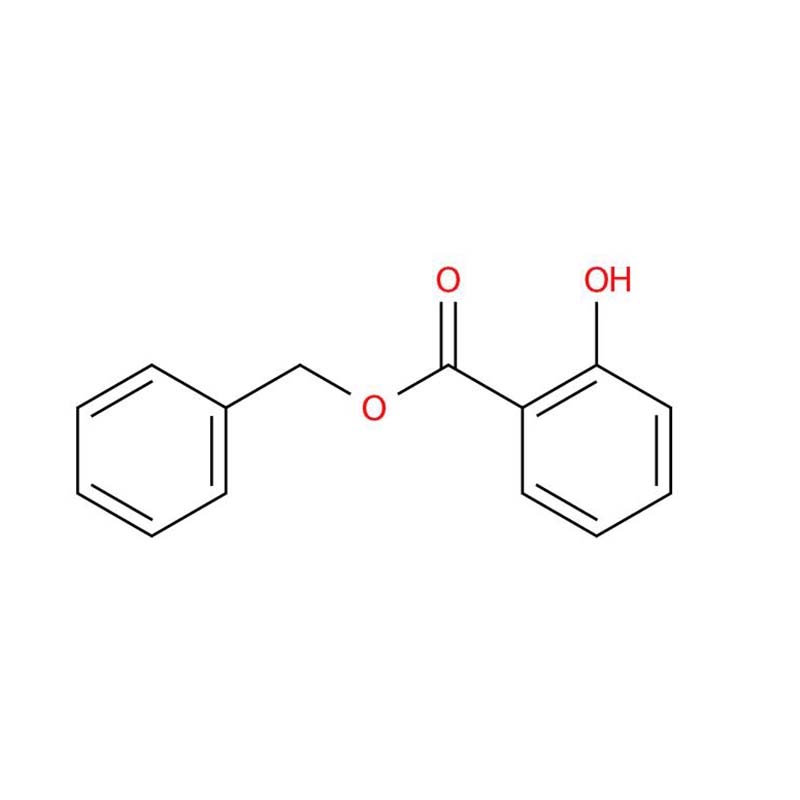
Benzyl salicylate CAS:118-58-1
Sweet Floral Fragrance: Benzyl salicylate features a soft, sweet floral aroma, which makes it widely used in the preparation of various fragrances. It adds a mild and attractive scent to cosmetics and personal care items.
Natural Source: This ingredient exists naturally in many plants and plant extracts, acting as a natural component that improves the quality of perfumes and personal care formulas.
Good Solubility Adaptability: It is sparingly soluble in chloroform and methanol, enabling it to be easily blended into diverse product systems and boosting its compatibility in different applications.
Reliable Physical Stability: Boasting a melting point of 18–20°C and a boiling point of 168–170°C, benzyl salicylate stays stable under different temperature environments, guaranteeing steady performance in finished products.
1. Product Overview
Benzyl salicylate is a kind of organic ester synthesized from salicylic acid and benzyl alcohol. As a member of the salicylate compounds, it is extensively applied in the fields of perfumery, cosmetics and flavoring. Its chemical nomenclature is benzyl 2-hydroxybenzoate, which indicates its structure features a benzoate ester combined with a phenolic hydroxyl group. With the molecular formula C₁₄H₁₂O₃, CAS number 118-58-1 and a molecular weight of around 228.24 g/mol, this product is normally a colorless to light yellow liquid or crystal substance. Its melting point ranges from 18 to 24°C, close to room temperature, so it may turn solid in low-temperature surroundings. Benzyl salicylate can be found naturally in a variety of plants, such as carnation oil (Dianthus caryophyllus), primrose (Primula auricula), ylang-ylang, jasmine and tuberose. It also exists in American cranberry, clove bud, peppermint oil and buckwheat. At present, most commercial benzyl salicylate is produced by chemical synthesis, while natural extracted products are also available on the market. As a multi-purpose fragrance component, benzyl salicylate has multiple functions: it offers a sweet floral and balsamic aroma, acts as an outstanding fixative, works as a UV absorber and serves as a solvent for crystalline musk compounds. It is widely used in high-end perfumes, personal care commodities, household cleaning products and food flavorings.
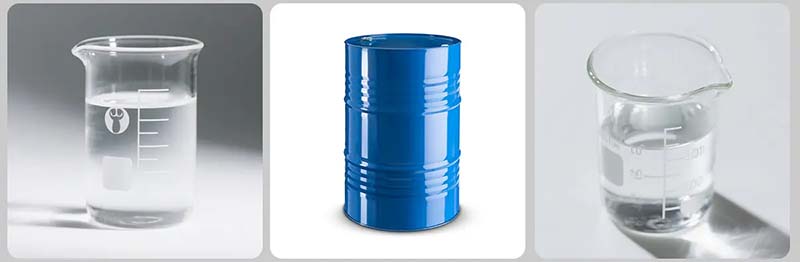
2. Key Features Soft Floral & Balsamic Scent:
It presents a sweet floral fragrance accompanied by mild balsamic notes, generally regarded as light, sweet and subtly balsamic. A small number of people may sense a faint musk character, and tiny trace impurities can greatly alter its overall odor. Great Fixing Effect: It works as a premium fixative in perfume making, slowing down the volatilization of easily evaporated fragrance ingredients and prolonging the lasting time of the whole fragrance. It is widely used in floral fragrances like carnation, jasmine, lilac and wallflower. Strong Solvent Performance: It can efficiently dissolve crystalline synthetic musks and other aromatic substances that are hard to dissolve, making it easier to add these materials into various perfume recipes. UV Absorption Function: It has the ability to absorb ultraviolet rays, bringing extra UV-protective performance to sunscreens and cosmetic products that require sun protection. Natural Plant Source: It exists naturally in many plants and essential oils, meeting the needs of formulators who prefer natural raw materials. Both synthetic and natural extracted types are available on the market. Wide Adaptability in Formulations: It remains stable within a broad pH range from 2 to 10, and is compatible with many product bases such as shampoos, fabric softeners, soaps, antiperspirants and household cleaning products. Multiple Regulatory Certifications: It holds authoritative registration codes including FEMA 215 (food application), CAS 118-58-1 and EINECS 204-262-9, which support its safe application in perfumes, flavorings and cosmetics.

3. Technical Specifications with Explanations
| Parameter | Typical Value/Specification | Description & Significance |
| Molecular Formula | C₁₄H₁₂O₃ | Core identifier for chemical structure; a benzoate ester with a phenolic hydroxyl group . |
| Molecular Weight | 228.24 g/mol | Used for quantitative analysis and formulation calculations . |
| CAS Number | 118-58-1 | Universal chemical substance identifier . |
| FEMA Number | 2151 | Flavor and Extract Manufacturers Association number for food flavor applications . |
| EINECS Number | 204-262-9 | European inventory identifier . |
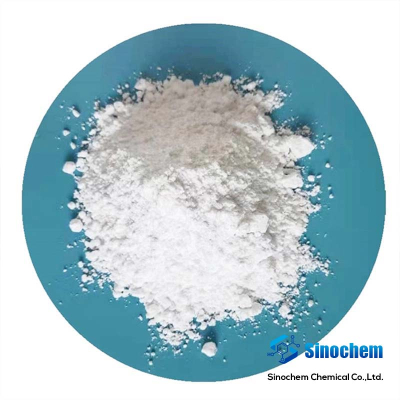
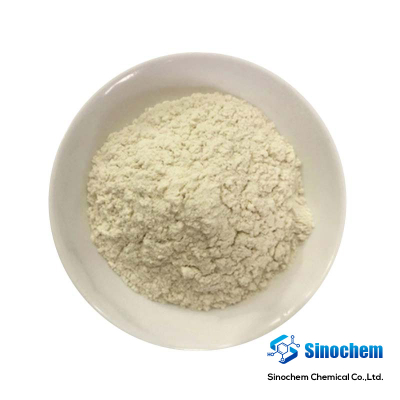
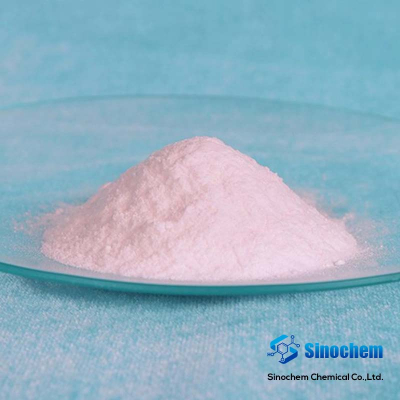
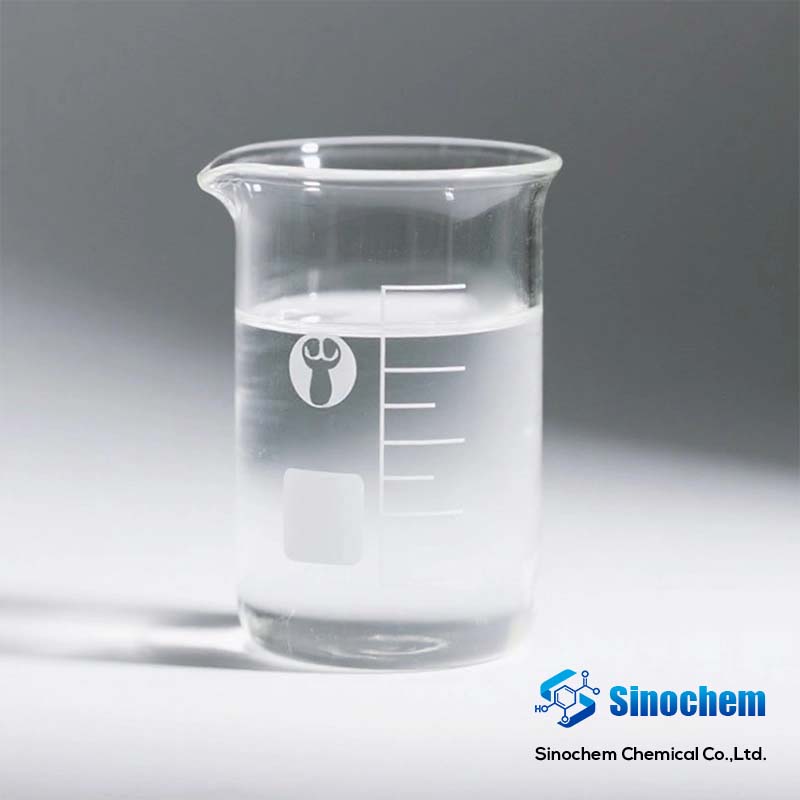
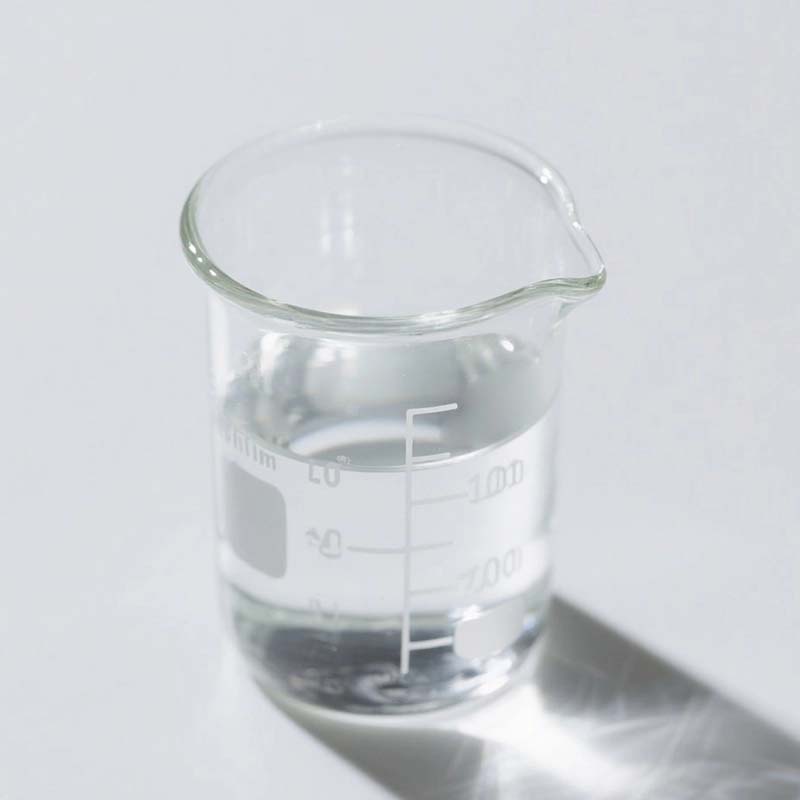
| Appearance | Colorless to pale yellow liquid or white crystalline mass | Visual quality indicator. May solidify below 18-24°C; warm gently to liquefy . |
| Odor Description | Sweet, floral, balsamic, faintly sweet with musky undertones | Sensory characteristic critical for fragrance applications. Some individuals perceive as musky . |
| Purity (Assay) | ≥98% – ≥99.5% (grade dependent) | Core specification. Higher purity minimizes off-notes and ensures consistent performance. Food grade typically meets FG specifications . |
| Melting Point | 18°C – 24°C | Characteristic physical constant. Product may solidify at cooler temperatures; normal physical variation . |
| Boiling Point | 299°C – 320°C (at atmospheric pressure) | High boiling point suitable for high-temperature processes; also reported as 190°C at 14 mmHg . |
| Flash Point | >137°C – >212°F (>100°C) | High flash point indicates relatively low fire risk, but remains combustible . |
| Density | 1.176 – 1.180 g/mL at 25°C | Slightly heavier than water; used for volume-to-weight conversions . |
| Refractive Index | 1.579 – 1.582 (20/D) | Optical property used for purity verification and quality control . |
| Solubility | Water: ~8.8 mg/L at 20°C (practically insoluble) | Determines application systems. Requires organic solvents or emulsification for aqueous formulations . |
| Organic solvents: Soluble in ethanol, oils, and typical fragrance materials | ||
| Log P (Partition Coefficient) | 3.2 – 4.01 | High lipophilicity indicates good oil solubility and potential for skin substantivity . |
| Acid Value | ≤ 0.5 mg KOH/g | Controls free acid content, ensuring product quality and stability . |
| Vapor Pressure | < 0.0013 hPa | Very low volatility, contributing to its effectiveness as a fixative . |
| Tenacity on Blotter | Several weeks | Indicates longevity of scent on fragrance testing strips; excellent staying power . |
4. Applications
Fragrance & Perfumery High-Grade Perfumes: As a key raw material, it delivers soft floral and balsamic notes in unisex perfumes. It is widely favored in floral fragrance formulas including jasmine, lilac, gardenia, tuberose and wallflower.
Fixation Agent: It delays the volatilization of light top notes, effectively prolonging the lasting time of the overall fragrance, while enriching the layering and harmony of the scent.
Musk Solvent: It can dissolve crystalline synthetic musks and other hard-to-dissolve aroma compounds, making them easier to add into concentrated fragrance solutions.
Blending Component: It helps balance and unify different fragrance notes, reduces sharp or pungent odors, and improves overall olfactory coherence.
Cosmetics & Personal Care
Skin Care Items: Added to lotions, moisturizing creams and body washes for its mild fragrance and skin-soothing properties, with dosage adjusted according to different product types. Hair Care Products: Applied in shampoos, conditioners and styling products, showing high stability in shampoo systems at pH 6. Color Cosmetics: Used in foundations, lipsticks and other makeup products to cover unpleasant odors and enhance product experience. Sunscreen Products: With UV-absorbing characteristics, it provides extra light protection in sunscreen formulations. Antiperspirants & Deodorants: It performs well and remains stable in antiperspirant systems at pH 3.5.
Household & Fabric Care
Laundry Supplies: It maintains stable properties in laundry detergents (pH 9) and fabric softeners (pH 3), and offers good fragrance diffusion in soap products.
Household Cleaning Agents: Used in all-purpose cleaners, surface sprays and air fresheners, with good stability in acidic cleaners (pH 2) and bleaching agents (pH 11).
Fabric Fresheners: It adheres well to fabrics, delivering long-lasting freshness with high damp substantivity.
Flavor Industry Food
Flavoring: Approved as a flavor ingredient (FEMA 2151), it is used to enhance fruit flavors such as apricot, peach, banana, raspberry and cherry, as well as certain berry-style flavors.
Beverage Flavors: Added to soft drinks and alcoholic beverages at a recommended dosage of 0.01–5 mg/kg in final products.
Confectionery & Bakery: Used in candies, desserts and baked goods to provide fruity and mild balsamic notes.
Pharmaceutical Applications
Pharmaceutical Excipients: Used as a solvent and stabilizer in drug preparations to enhance efficacy and extend the shelf life of medicines.
Topical Medications: Added to ointments and creams for its gentle antimicrobial effect and agreeable fragrance.
Research Applications
Fragrance Research: Applied in studies on fragrance chemistry, skin absorption and skin sensitization.
Antimicrobial Research: It features antioxidant and antimicrobial effects and is under investigation for potential use in product preservation.

5. Product Grade Comparison
| Parameter/Grade | Industrial/Fragrance Grade | Food Grade (FG) | High Purity/Refined Grade | Natural/COSMOS Grade |
| Core Standard | Meets general industrial specs | Meets FG specifications, FEMA 2151 | ≥99.5% purity for premium applications | Naturally derived, meets natural standards |
| Purity (Assay) | ≥98% - 99% | 98% - 100% (GC) | ≥99.5% | ≥98% |
| Appearance | Colorless to pale yellow liquid | Almost colorless liquid | Colorless liquid | Colorless to pale yellow liquid |
| Odor Profile | Sweet, floral, balsamic | Clean floral-balsamic | Exceptionally clean, minimal off-notes | Natural floral-balsamic profile |
| Critical Parameters | Acid value, refractive index, density | FEMA compliance, purity, odor profile, KOSHER certification | Ultra-low acid value, consistent refractive index, heavy metals control | Natural origin content (>50% renewable carbon), sustainable sourcing |
| Key Applications | General fragrance compounding, household products, industrial applications | Food flavors, beverages, confections, pharmaceutical flavors | Premium perfumery, luxury cosmetics, sensitive applications | Natural cosmetics, organic formulations, "clean label" products |
| Certifications | Manufacturer COA | FEMA 2151, KOSHER, Certificate of Analysis | Enhanced COA with full impurity profile | Renewable carbon certification, COSMOS/Ecocert |
| Packaging | 225 kg drums, 25 kg drums, 5 kg containers | 25 kg drums, 5 kg containers, sample sizes | 25 kg drums, 5 kg, 1 kg for development | Various, with sustainability focus |
| Typical Price Position | Reference | 9.8 | 19.65 | 29.5 |