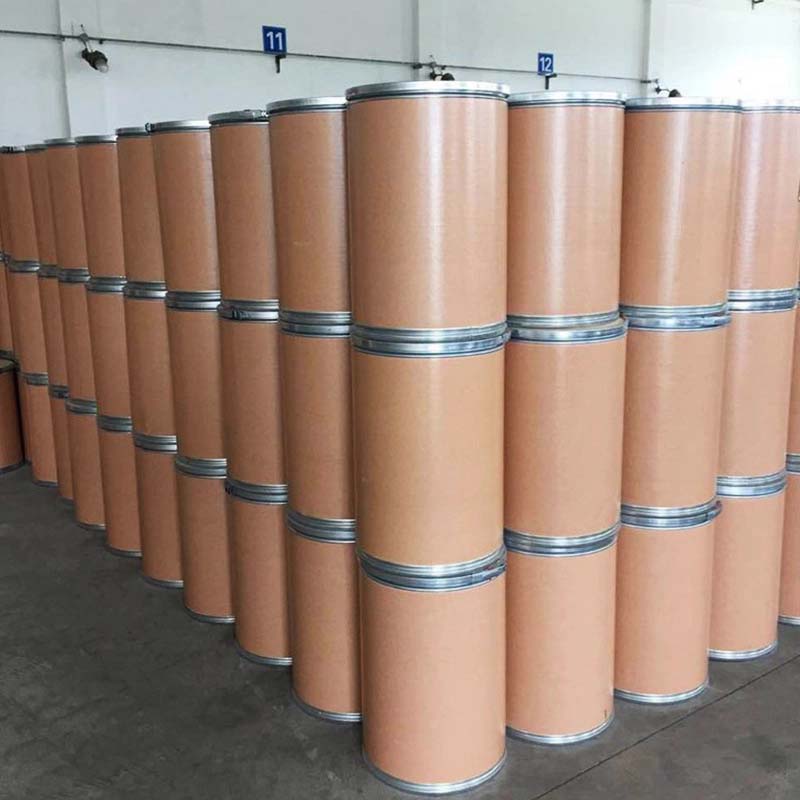
Xanthan gum CAS:11138-66-2
High thickening & suspending ability: Only 0.1%–0.5% dosage increases viscosity and prevents particle settling.
Excellent pseudoplastic rheology: Viscosity drops under shear and recovers quickly for good stability.
Great thermal stability: Resists pasteurization and short-time high-temperature sterilization.
Good compatibility: Synergizes with acids, salts, emulsifiers and thickeners.
Fast water solubility: Dissolves quickly in cold and hot water.
High safety: Fermented from natural sugars, approved by FDA and NHCC; used in food, cosmetics and pharma.
Xanthan gum is a commonly applied microbial exopolysaccharide. It is fermented by wild-type *Xanthomonas campestris*, with carbohydrate materials like corn starch as its primary substrate.
It shows distinctive rheological behavior, favorable water solubility, strong resistance to heat, acids and alkalis, as well as outstanding compatibility with multiple salts. Acting as a thickener, suspending agent, emulsifier and stabilizer, it can be extensively used in more than 20 industries including food, petroleum and pharmaceuticals.
At present, it represents the most massively produced and most broadly applied microbial polysaccharide worldwide.
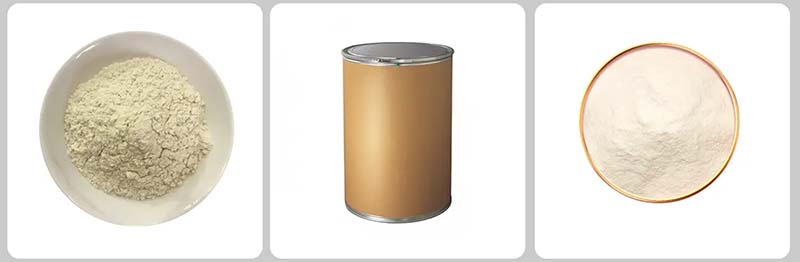
Physical Properties:
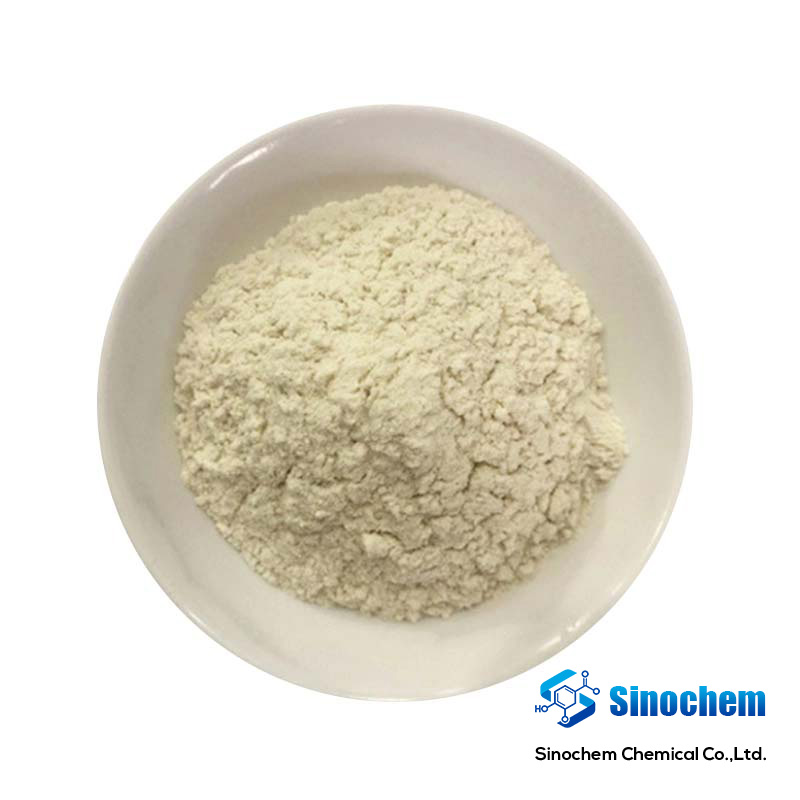
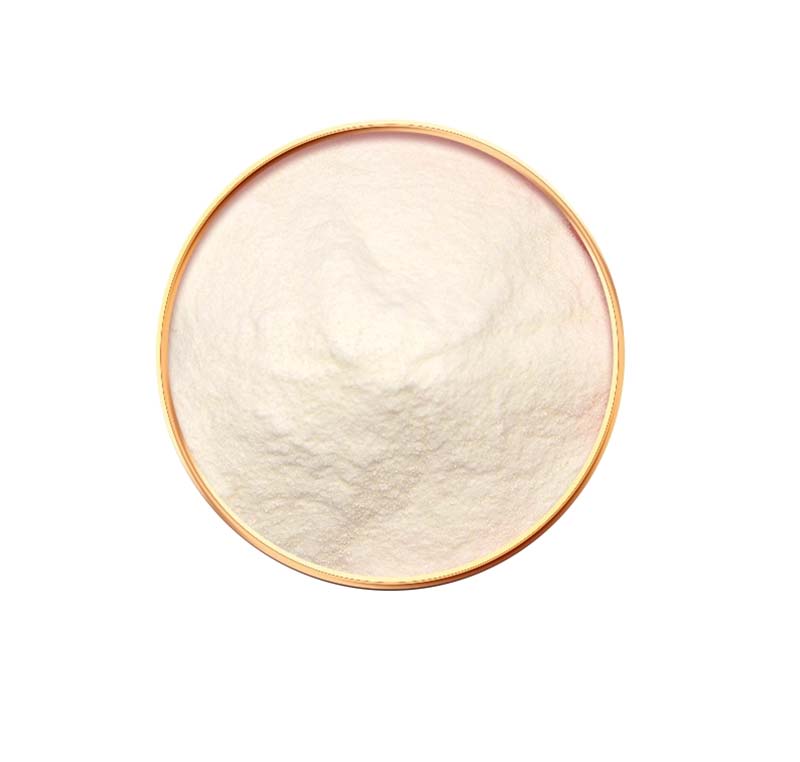
It appears as a powder ranging from milky white to light brown. Soluble in room-temperature water to form a translucent viscous solution, it is insoluble in organic solvents including ethanol, isopropanol and acetone. Its aqueous solution delivers excellent thickening performance and remains stable across a temperature range of -4°C to 80°C. Precipitation occurs when the concentration of ethanol, isopropanol or acetone in aqueous solution exceeds 50%–60%. It shows strong tolerance to acid, alkali and enzymatic decomposition, and is classified as a natural macromolecular compound. In rat oral acute toxicity tests, the LD50 value is greater than 10 g/kg, and no specific ADI value is specified by FAO/WHO (1994).
Stability:Xanthan gum is a biopolymer synthesized via biotechnological fermentation from corn starch, using *Xanthomonas campestris* as the production strain. Structurally, it is a polysaccharide composed of glucose, mannose, glucuronic acid, acetic acid and pyruvic acid.
Its unique molecular structure endows xanthan gum with exceptional polymer properties: 1. High viscosity even at very low usage levels;
2. Remarkable thixotropic and pseudoplastic flow behavior;
3. Strong stability against acids, alkalis, salts, oxidation and enzymatic hydrolysis;
4. Excellent thermal stability, maintaining performance under high temperatures and repeated freeze-thaw cycles;
5. Favorable compatibility with acids, alkalis, salts, reducing agents, surfactants, preservatives and most natural or synthetic thickeners;
6. Superior dispersibility, emulsion stability and suspending capacity for solid particles and oil droplets.
Applications:It is extensively applied across numerous fields, including food production, petroleum drilling and recovery, agricultural chemicals, seed treatment, coatings, animal feed, daily chemicals, textiles, printing and dyeing, papermaking, tobacco, foundry industry, fire protection and other industrial sectors.
| Name: | Xanthan gum | ||
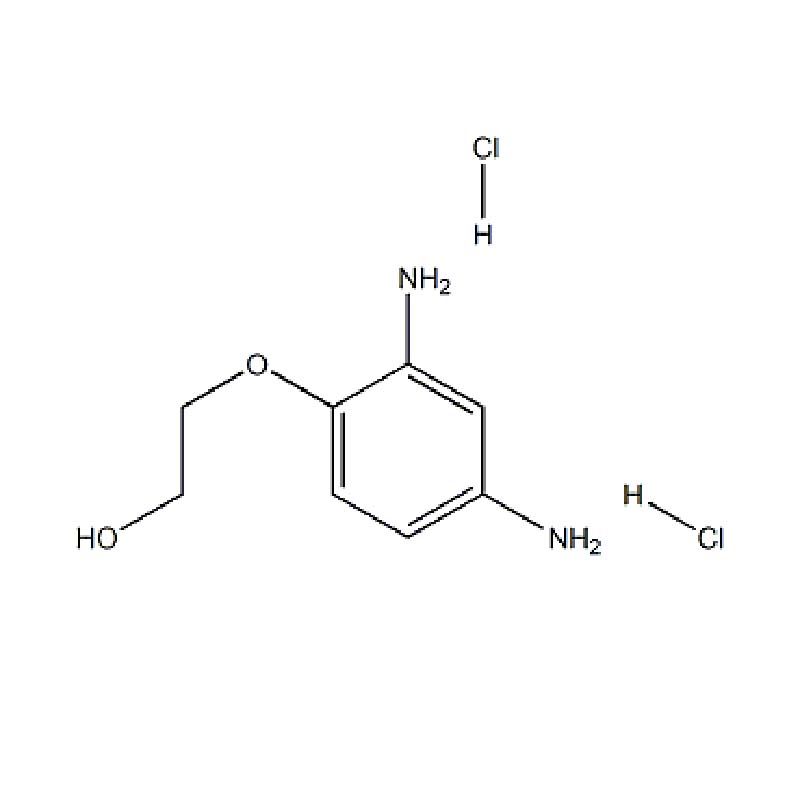
| Molecular formula: | C8H14Cl2N2O2 | EINECS No: | 234-394-2 |
| CAS No.: | 11138-66-2 | Molecular weight: | 182.2179 |
| Density: | 1.5 (20 C) |
| Melting point: | 64.43 °C |
| Boiling point: | 477.8±55.0 C at 760 mmHg (Predicted) |
| Refractive index: | 1.688 (Predicted) |
| Flashing point: | 242.8±31.5 C (Predicted) |
| PSA: | 81.5 |
| logP: | 2.33 (Predicted) |
| Storage: | Sealed packaging. Store in a cool, dry place. |
| Chemical properties: | viscosity of 1% solution 1,200-1,600 mPas |
| Color: | It is a light brownish-yellow powder. |
| Solubility: | It is soluble in water and can be miscible with methanol, ethanol, isopropanol and acetone. Xanthan gum does not dissolve in most organic solvents. |
| Storage temperature: | Keep it tightly closed in a cool place or in a tightly sealed container. |