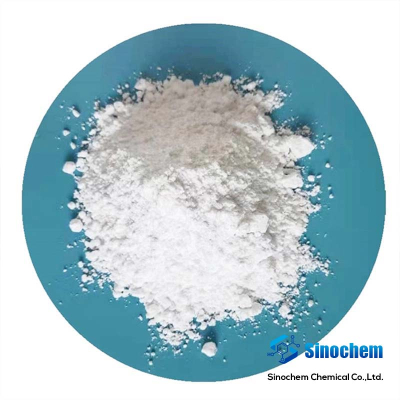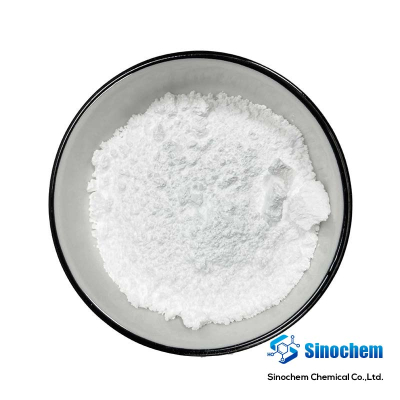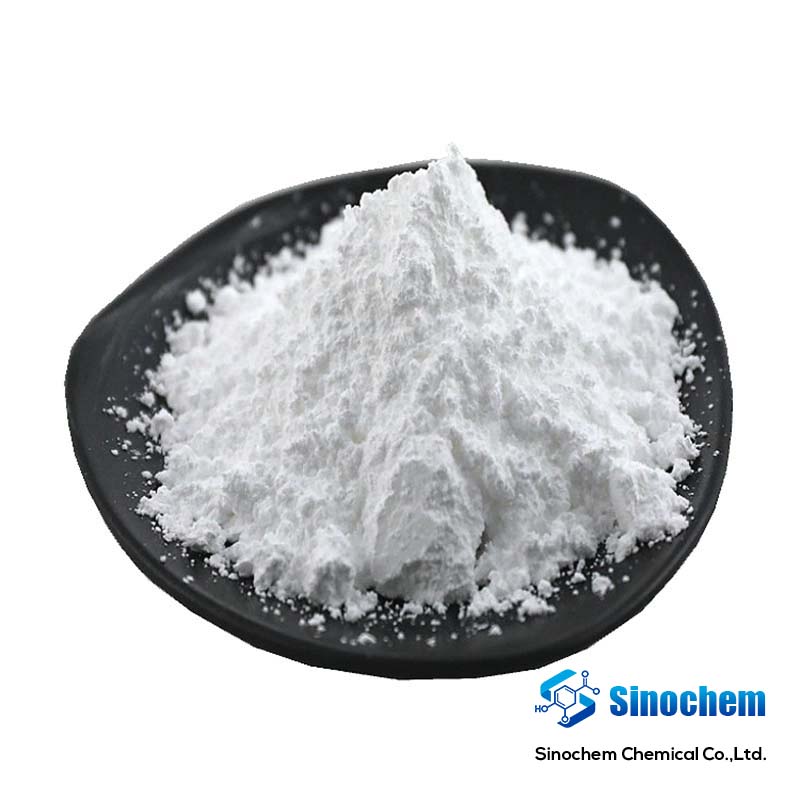
Gellan gum is a high molecular weight polysaccharide produced through pure-culture fermentation of a carbohydrate by Sphingomonas elodea (formerly known as Pseudomonas elodea) . It has a linear tetrasaccharide repeating unit composed of glucose, glucuronic acid, and rhamnose in a 2:1:1 molar ratio . This off-white powder is soluble in water, forming viscous solutions, and exhibits strong gelling, thickening, and stabilizing properties even at very low concentrations (as low as 0.05%-0.1%) . The resulting gels are notable for their high clarity and heat resistance, remaining stable under high-temperature processing conditions like UHT and HTST . It shows good compatibility when blended with other hydrocolloids (such as xanthan gum, pectin, and carrageenan), making it a versatile ingredient suitable for food and beverage, pharmaceutical, and industrial applications.
Technical Parameters
| Parameter | Value |
|---|---|
| CAS Number | 71010-52-1 |
| EINECS Number | 275-117-5 |
| Density | 0.32 - 0.45 g/cm³ |
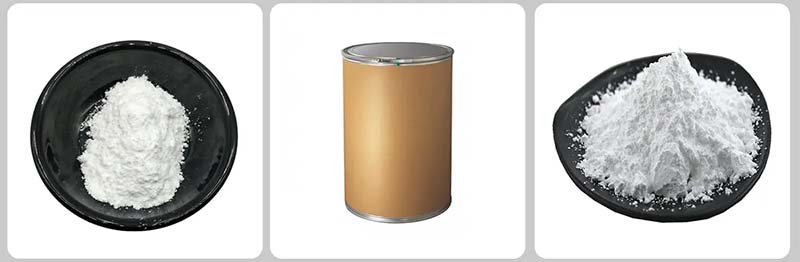
| Appearance | White to off-white powder |
| Odor | Odorless, tasteless |
| Purity | ≥99% |
| Decomposition Temperature | ~150°C (no melting) |
| Water Solubility | Dispersible in cold water, soluble in hot water |
| Solubility in Organic Solvents | Insoluble in ethanol and non-polar solvents |
| pH Stability Range | 3.5 - 8.0 |
| Minimum Gelling Concentration | 0.05% |
Safety & Regulatory Information
| Item | Status / Value |
|---|---|
| WGK Germany (Water Hazard Class) | 2 |
| TSCA Status | Listed |
| HS Code | 3913900099 |
| Storage Class | 11 - Combustible Solid |
| Acute Oral Toxicity (LD₅₀, Rat) | >5000 mg/kg |
| ADI (Acceptable Daily Intake) | Not specified (FAO/WHO) |
| FDA Status | GRAS (Generally Recognized As Safe) |
| Storage Conditions | Store in a cool, dry place in tightly sealed containers |

Food & Beverage Industry
Beverages: Fruit juices, dairy-based drinks, sports drinks, ready-to-drink teas, jelly drinks, and plant-based beverages (provides suspension, clarity, and texture)
Confectionery: Gummies, jellies, marshmallows, fondants, fillings, and sugar coatings (creates elastic, heat-stable gels)
Dairy & Frozen Desserts: Yogurt, ice cream, pudding, custard, cream cheese, and whipped toppings (improves texture, prevents syneresis, and enhances stability)
Bakery & Cereals: Breads, cakes, pastries, fillings, cereal bars, and instant noodles (extends shelf life, improves moisture retention, and enhances dough handling)
Sauces, Dressings & Condiments: Salad dressings, ketchup, mayonnaise, soups, gravies, and sauces (provides viscosity, suspension, and heat stability)
Meat & Seafood Products: Processed meats, sausages, seafood surimi, and canned goods (acts as a binder, water retainer, and texture improver)
Pharmaceutical & Healthcare Industry
Oral suspensions and syrups as a suspending agent and viscosity modifier
Tablets and capsules as a binder and disintegrant
Wound dressings and hydrogels as a gelling agent
Ophthalmic preparations (eye drops, contact lens solutions) as a lubricant and thickener
Tissue engineering scaffolds and drug delivery systems
Industrial Applications
Oil and gas drilling fluids as a viscosifier and suspension agent
Paints, coatings, and inks as a stabilizer and rheology modifier
Paper manufacturing as a retention aid and strength enhancer
Biological culture media as a gelling agent (alternative to agar)
Textile printing as a thickener for dyes and pigments