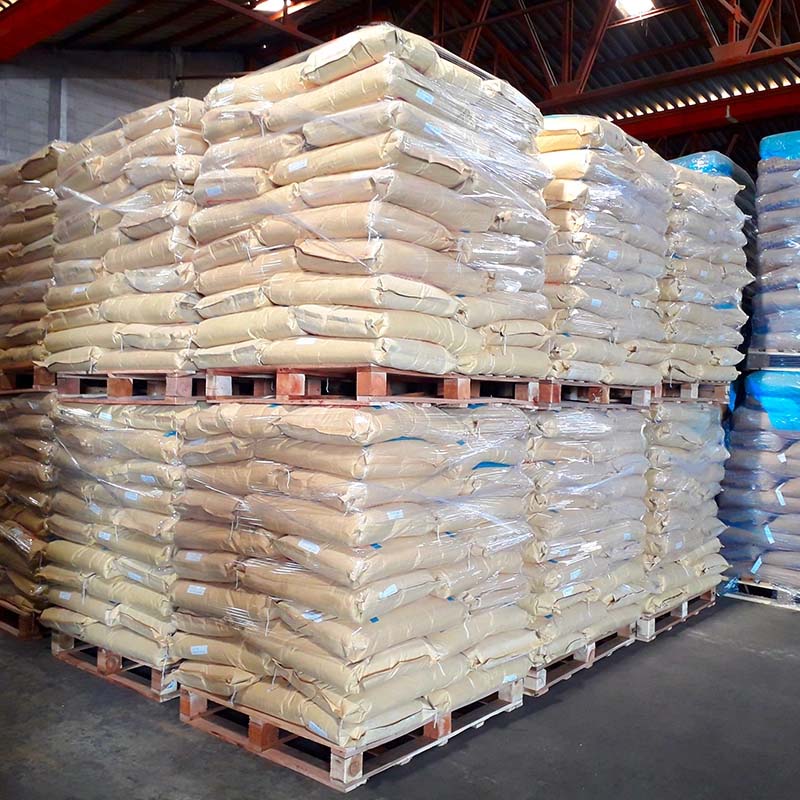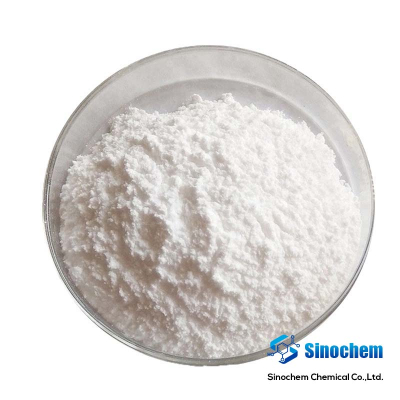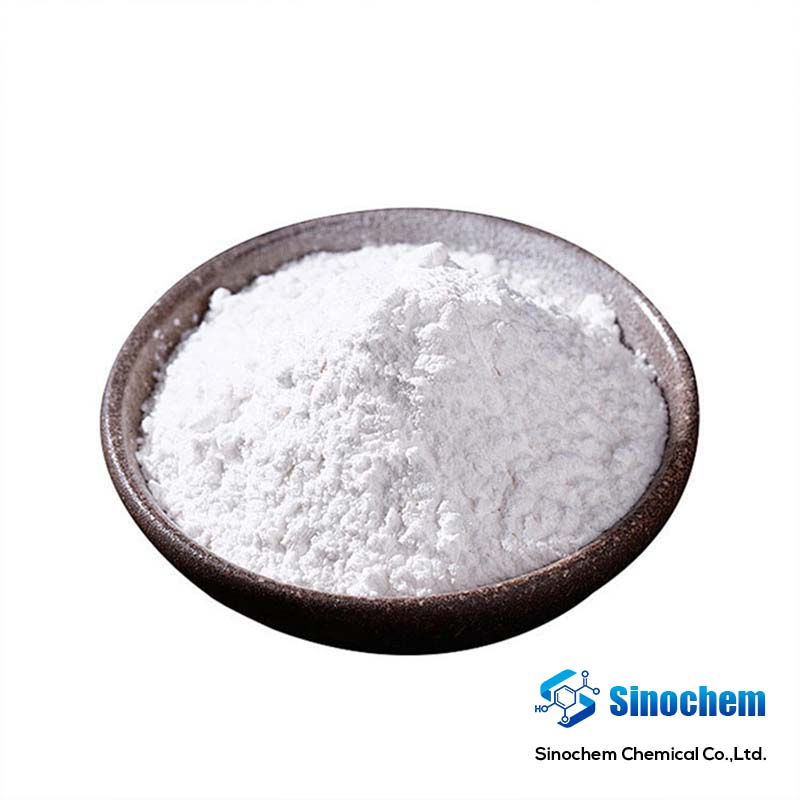
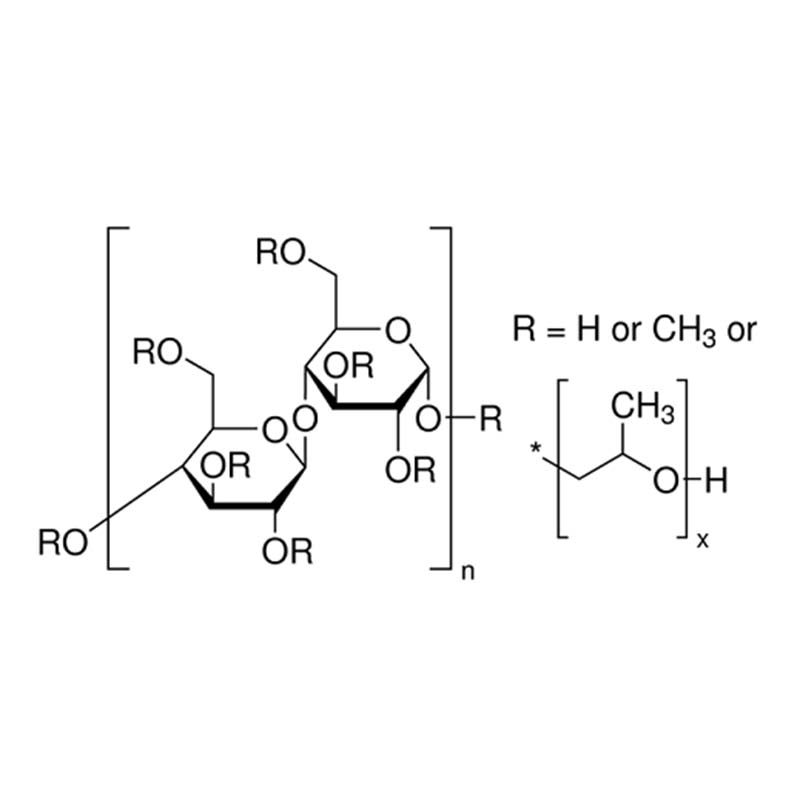
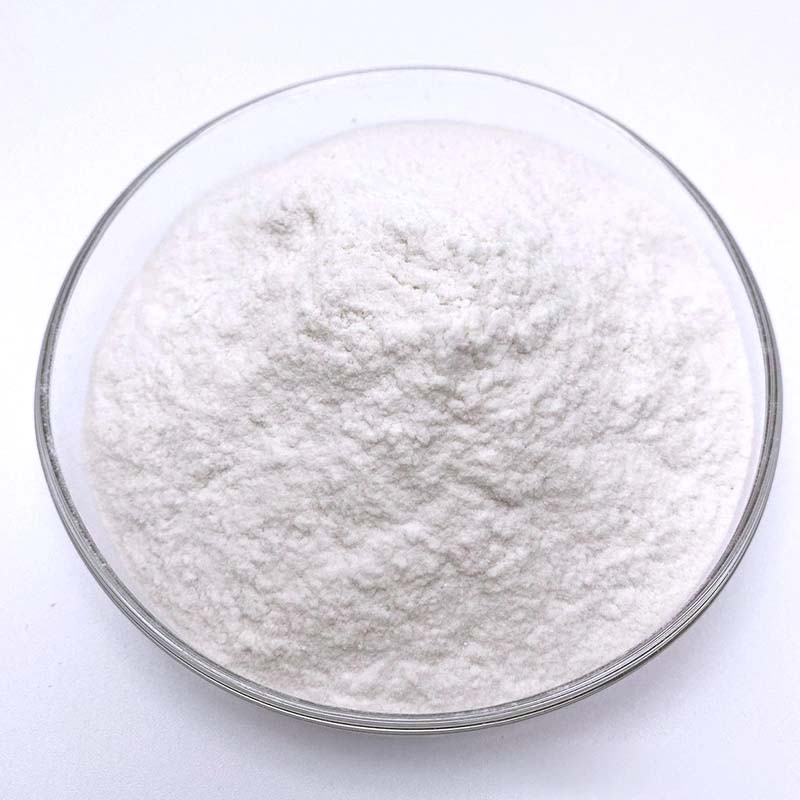
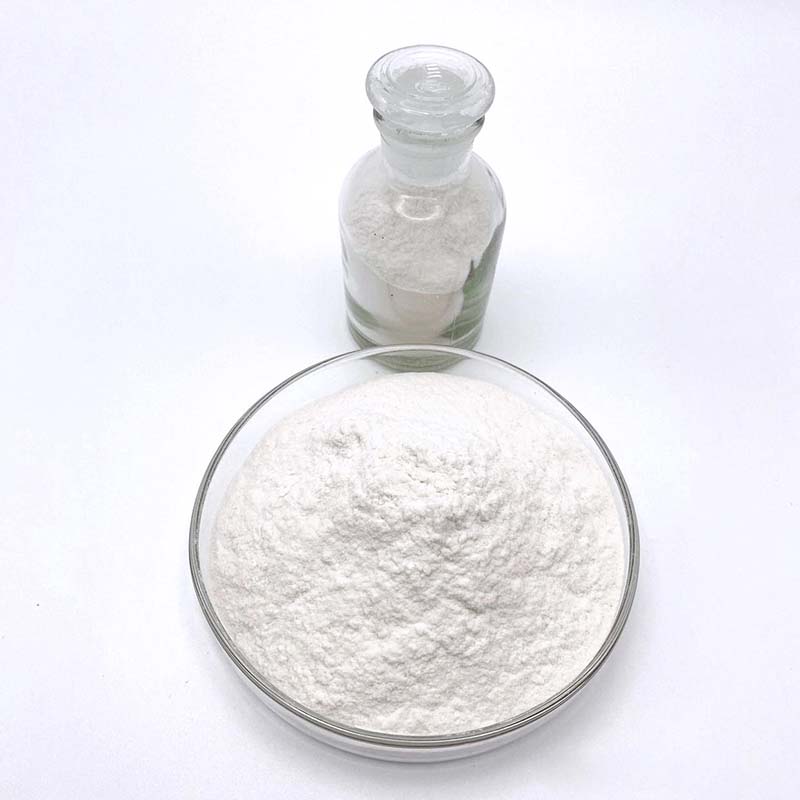
Hydroxypropyl Methyl Cellulose CAS:9004-65-3
Excellent thickening performance: Even at low addition levels, it can effectively boost the viscosity of the system.
Outstanding water retention: It minimizes moisture loss in applications like construction materials.
Film-forming ability: Forms clear, flexible films with good integrity. Chemical stability: Inert toward most chemicals and stable over a wide pH range (3–11).
Thermoreversible gelation: The solution gels when heated to its gelling point and reverts to liquid upon cooling, making it ideal for sustained-release pharmaceutical formulations.
Eco-friendly & safe: Non-toxic, non-irritating, and biodegradable. Selected grades are approved for food and pharmaceutical use.
Enhanced stability: More resistant to degradation than natural cellulose, with more stable solutions.
Good compatibility: Compatible with a wide range of solvents, resins, and electrolytes.
Hydroxypropyl methylcellulose is a glycerol ether of methylcellulose. The hydroxypropyl and methyl groups in it are combined with the anhydrous glucose ring of cellulose through ether bonds, resulting in a white to off-white cellulose powder or particle. It has similar properties to methylcellulose in terms of cold water solubility and hot water insolubility. Its solubility in organic solvents is better than that in water, and it can dissolve in anhydrous methanol and ethanol solutions, as well as in chlorinated hydrocarbons and ketones and other organic solvents. When dissolved in water, its aqueous solution has surface activity, and after drying, it forms a film. Upon heating and cooling, it undergoes a reversible conversion from a sol to a gel. It can be used alone in cold drinks, or in combination with other emulsifiers, stabilizers, etc. The maximum usage in cold drinks is 1%. In recent years, it has been widely applied in industries such as petrochemicals, papermaking, leather, textile printing and dyeing, medicine, food, cosmetics, etc., as a dispersant, thickener, adhesive, excipient, capsule, oil-resistant coating, and filler.
| Parameter Name | Typical range/description |
| Appearance | White or off-white powder, odorless and tasteless |
| Granularity | 80-100 mesh (can be adjusted according to requirements) |
| Methoxy content | 19.0-30.0% |
| Hydroxypropyl content | 4.0-12.0% |
| Viscosity (2% aqueous solution, 20℃) | 5 mPa·s - 200,000 mPa·s (Common specifications: 50, 400, 4000, 15000 mPa·s, etc.) |
| Gel temperature | 50 - 90℃ (Varies depending on the model) |
| pH value (1% aqueous solution) | 5.0-8.0 |
| Dry weight loss | ≤5.0% |
| Ash content | ≤1.0% |
| Transmittance (2% aqueous solution) | ≥90% |
Application: Thickener, emulsifier, stabilizer.
Precautions for Use:
- Hydroxypropyl methylcellulose boasts a host of exceptional properties, making it suitable for baked goods, pasty foods, nutritional products, milk-based beverages, pies, fillings, salad dressings, and fast food. Leveraging its thermogel characteristics, it can be used in fried food production—this not only cuts down on frying oil consumption significantly but also creates a distinct texture of crispy exteriors and tender interiors. Thanks to its acid/alkali resistance, anti-enzyme activity, non-metabolic nature, and ability to promote intestinal peristalsis, it also serves as a key ingredient in various health food formulations.
- Scope of Use and Dosage(1) In compliance with China's Hygienic Standard for Use of Food Additives (GB 2760—1996), it can be added to a wide range of foods in appropriate quantities based on production requirements.(2) Practical Reference: Utilizing its film-forming capability and high light transmittance, this product can be used to make protein sausage casings at a dosage of 5%. As a thickener for egg yolk sauce (e.g., HPMC-60RT400), the recommended dosage ranges from 0.5% to 2%.
Purpose
Acts as a thickener, stabilizer, emulsifier, gelling agent, and suspending agent.
Serves as a dispersant for synthetic resins and a molding agent for coatings, while also functioning as a thickener.
In the textile industry, it is employed as a thickener, dispersant, adhesive, emulsifier, and stabilizer. It also finds widespread application across synthetic resins, petrochemicals, ceramics, papermaking, leather, pharmaceuticals, food, cosmetics, and other sectors.
It is utilized in synthetic resins, petrochemicals, ceramics, papermaking, textile printing and dyeing, pharmaceuticals, food, cosmetics, and other daily chemical industries, acting as a dispersant, thickener, adhesive, excipient, capsule material, oil-resistant coating component, and filler, among other roles.