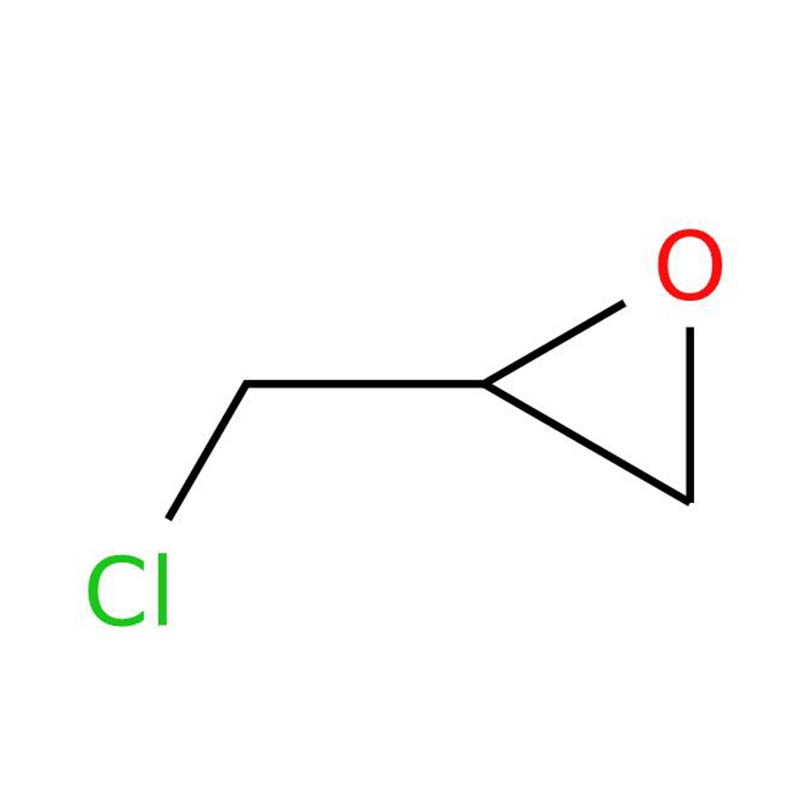
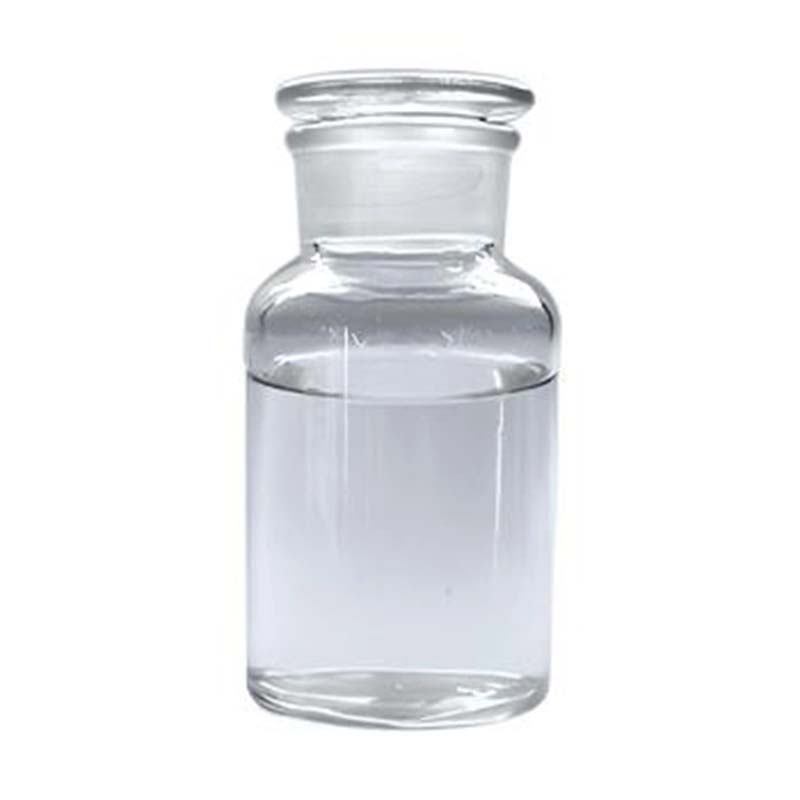
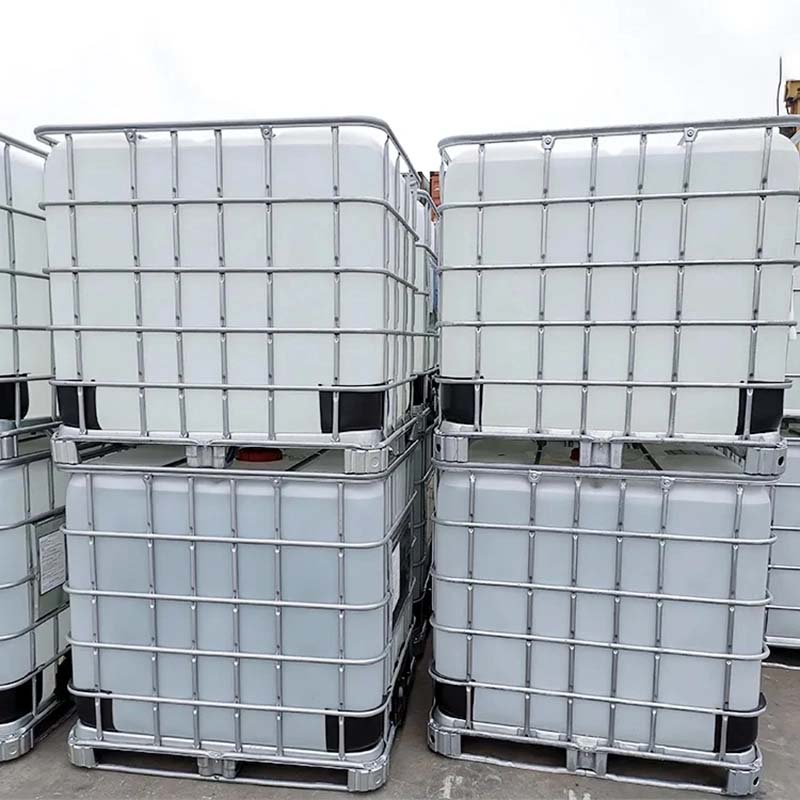
Epichlorohydrin CAS:106-89-8
Wide-Ranging Industrial Uses:This chemical plays vital roles in the production of epoxy polymers, nitroglycerin products, fiberglass reinforcements, and various high-value industrial chemical intermediates. Performance Advantages of Epoxy Resins:Epoxy materials produced from this compound feature strong adhesion, excellent chemical corrosion resistance, and low curing shrinkage, making them ideal for protective coatings and structural bonding applications.
Properties of Elastomer Materials:It supports the manufacturing of chlorohydrin rubber with enhanced low-temperature flexibility, as well as strong resistance to hydrocarbon oils and organic solvents.
Key Industrial Intermediate Role:It acts as a critical raw material for glycerol synthesis and a processing solvent for cellulose polymers, delivering broad application value across numerous industrial fields.
Epichlorohydrin is a key industrial intermediate widely used in glycerol synthesis, and serves as the primary raw material for manufacturing epoxy resins, nitroglycerin explosives, fiberglass composites, and electrical insulation products. It also acts as an effective solvent for cellulose ester mixtures, polymer resins, and cellulose ether products. With excellent chemical versatility, it is extensively applied in surfactant manufacturing, pharmaceutical intermediates, pesticide formulations, coating production, adhesives, ion exchange resins, plasticizers, glycerol derivatives, glycidyl modification reactions, and the production of chlorohydrin rubber materials.
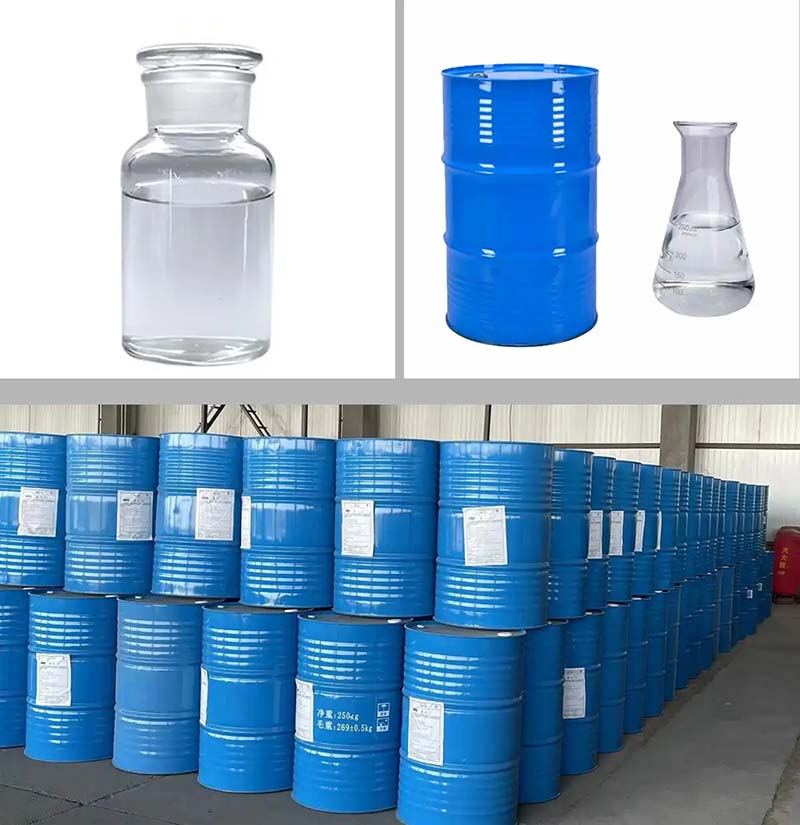
Parameters
| Melting point | -57 °C |
| Boiling point | 115-117 °C(lit.) |
| alpha | -1~+1°(D/20℃)(c=1,CH3OH) |
| density | 1.183 g/mL at 25 °C(lit.) |
| vapor density | 3.2 (vs air) |
| vapor pressure | 13.8 mm Hg ( 21.1 °C) |
| refractive index | n20/D 1.438(lit.) |
| Fp | 93 °F |
| storage temp. | Store below +30°C. |
| solubility | 65.9g/l |
| form | Liquid |
| color | APHA: ≤20 |
| Specific Gravity | 1.183 (20/4℃) |
| Odor | Pungent, garlic; sweet, pungent; like chloroform. |
| explosive limit | 3.8-21%(V) |
| Water Solubility | 6 g/100 mL (10 ºC) |
| FreezingPoint | -57.2℃ |
| Merck | 143,611 |
| BRN | 79785 |
| Henry's Law Constant | 3.42(x 10-5 atm?m3/mol) at 25 °C (static headspace-GC, Welke et al., 1998) |
| Exposure limits | TLV-TWA(skin) 8 mg/m3 (2 ppm) (ACGIH); STEL (15 min) 19 mg/m3 (5 ppm) (NIOSH). |
| Dielectric constant | 22.9(20℃) |
| Stability: | Unstable. Flammable - note wide explosion limits and low flash point. |
| LogP | 0.45 at 20℃ |
| CAS DataBase Reference | 106-89-8(CAS DataBase Reference) |
| NIST Chemistry Reference | Oxirane, (chloromethyl)-(106-89-8) |
| IARC | 2A (Vol. 11, Sup 7, 71) 1999 |
| EPA Substance Registry System | Epichlorohydrin (106-89-8) |
Safety Information
| Hazard Codes | T |
| Risk Statements | 45-10-23/24/25-34-43 |
| Safety Statements | 53-45 |
| RIDADR | UN 2023 6.1/PG 2 |
| WGK Germany | 3 |
| RTECS | TX4900000 |
| Autoignition Temperature | 779 °F |
| TSCA | Yes |
| HS Code | 2910 30 00 |
| HazardClass | 6.1 |
| PackingGroup | II |
| Hazardous Substances Data | 106-89-8(Hazardous Substances Data) |
| Toxicity | LD50 orally in rats: 0.09 g/kg (Smyth, Carpenter) |
| IDLA | 75 ppm |