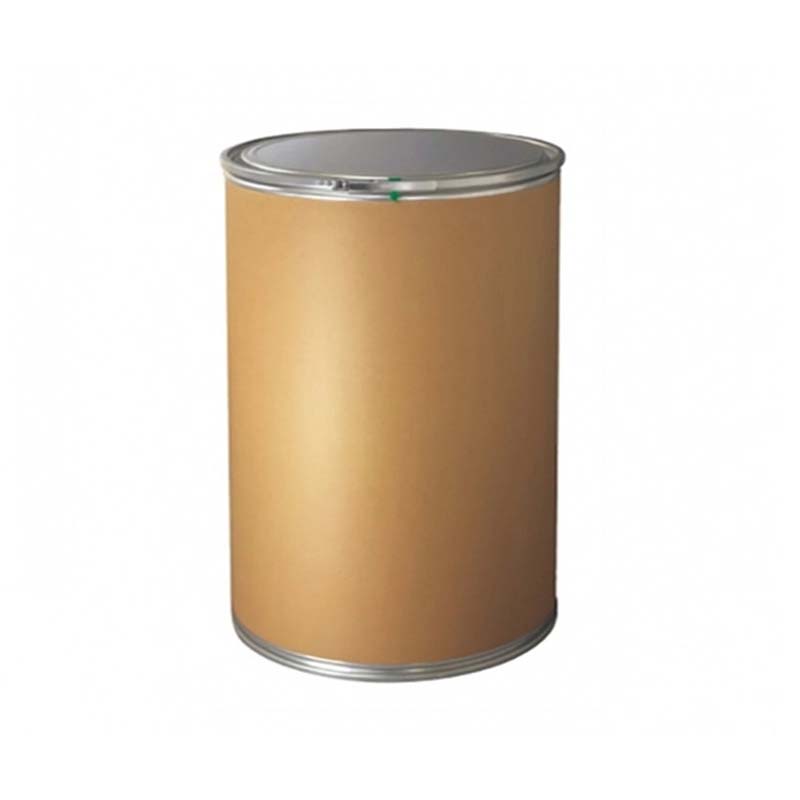
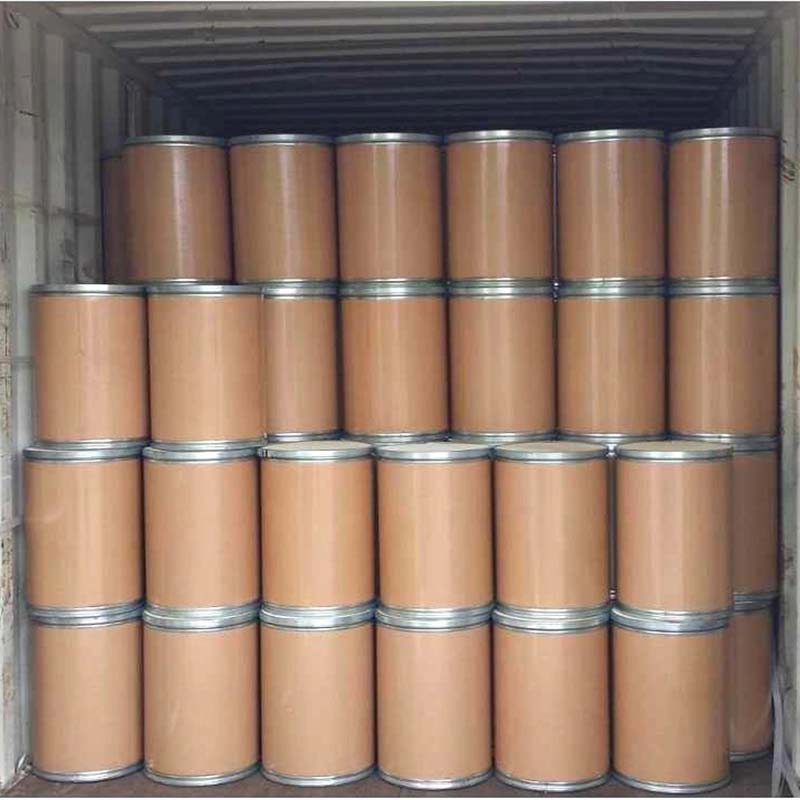
Kojic acid CAS:501-30-4
Kojic acid enjoys wide application across many industries owing to its several key benefits:
High selectivity: It can specifically combine with copper ions in tyrosinase, effectively interrupting the melanin production process and delivering significant skin lightening results.
Favorable safety profile: As a substance derived from natural fermentation, it has a long-standing record of safe use within recommended concentrations and causes only mild skin irritation.
Versatile functionality: It exhibits a range of useful properties, including antioxidant activity, antibacterial effects, and strong metal chelating ability.
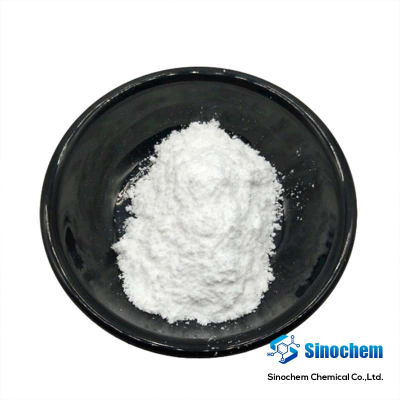
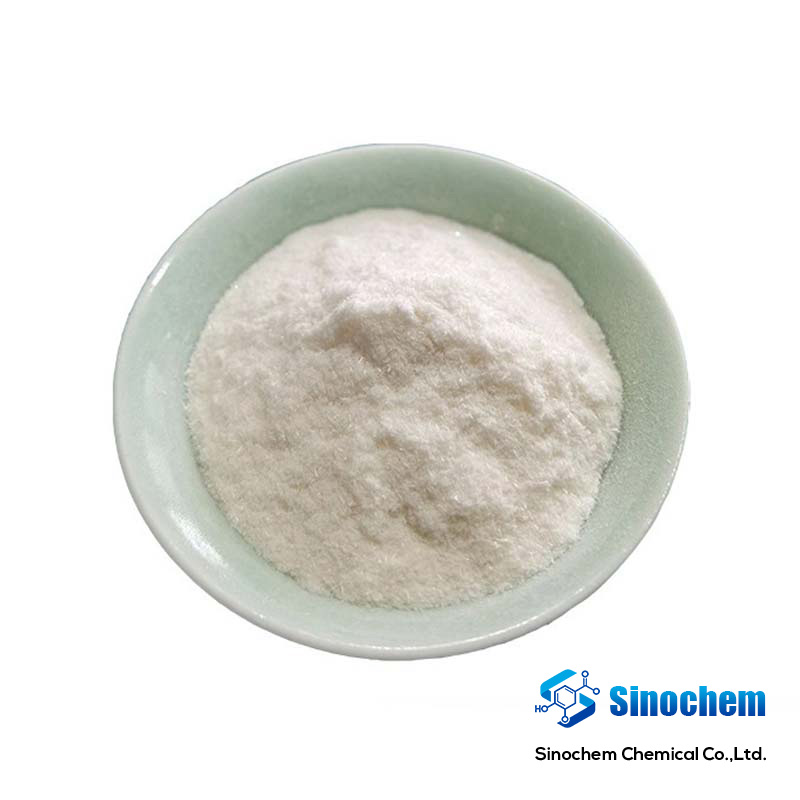
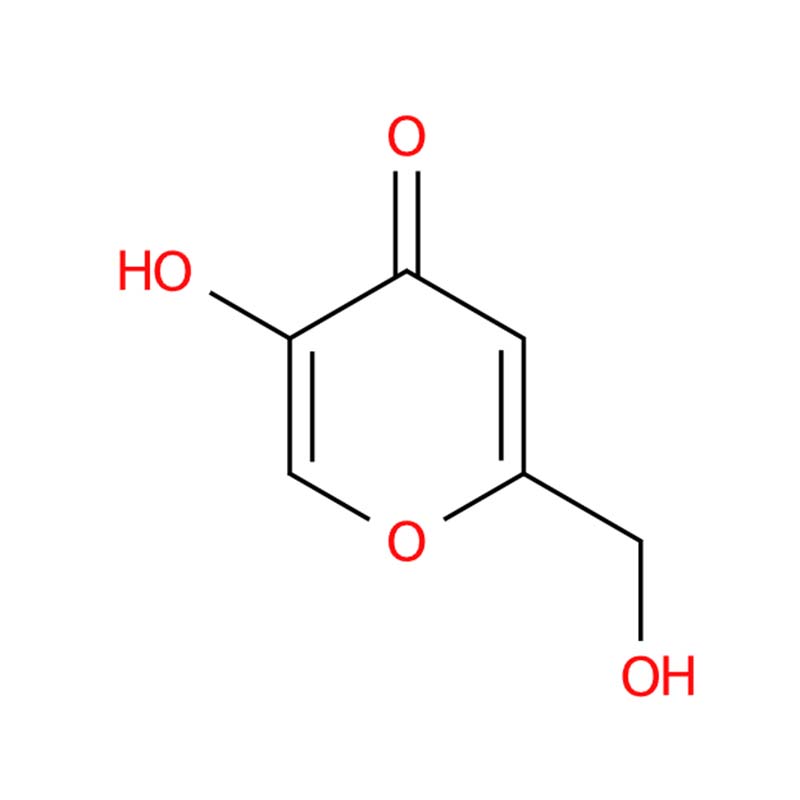
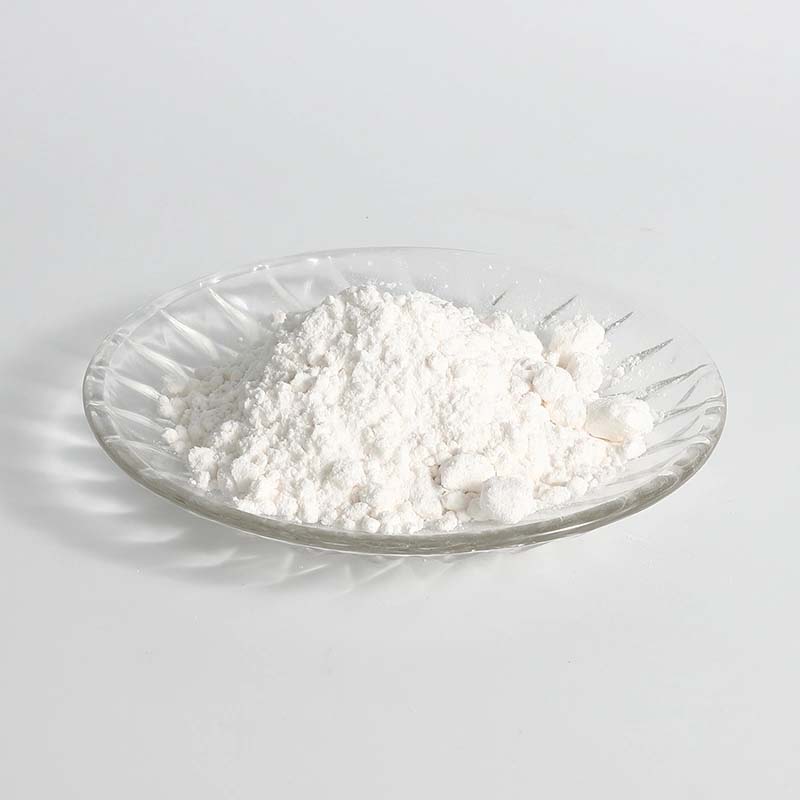
Kojic acid appears as colorless, prismatic or needle-shaped crystals. It is readily soluble in water, ethanol and acetone, slightly soluble in diethyl ether, ethyl acetate, chloroform and pyridine, and insoluble in most other organic solvents. It can be crystallized using acetone or ethyl acetate, and can also be purified by vacuum sublimation at 150–200°C. Its melting point is recorded in literature as 151–154°C. 5,7-diethyl kojic acid and its derivatives show characteristic absorption maxima at 315 nm and 255 nm respectively. Kojic acid is sensitive to light and heat. When a 0.5% aqueous solution is heated at 100°C for 3 hours or exposed to sunlight for 5 hours under different pH conditions, it turns yellow to brown at pH 5–7, while remaining relatively stable at pH 4. It reacts with ferric chloride to produce a distinct red color, which can be used for quantitative analysis. In addition, kojic acid can reduce Fehling’s reagent and ammoniacal silver nitrate solution. Its molecular structure contains a hydroxyl group adjacent to the carbonyl group, allowing it to form salts with various metals. The other hydroxyl groups can further react to form ether and ester derivatives.
| Project | Specific Information |
| Chemical name | Uric acid, also known as curvonic acid or curvic acid |
| CAS number | 501-30-4 |
| Molecular formula and molecular weight | C₆H₆O₄, 142.11 g/mol |
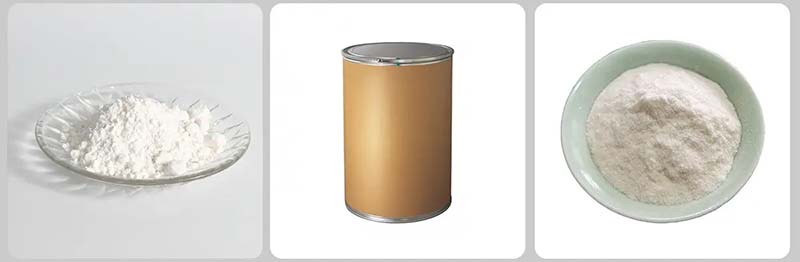
| Appearance and Properties | White to light yellow needle-like crystals or powder |
| Key properties | Melting point: 152 - 158°C |
| Solubility: Easily soluble in water, ethanol, and acetone | |
| Main advantages and features Main | Highly inhibits tyrosinase, relatively safe from a natural source |
| purpose | Cosmetics whitening agent, food preservation and color protection, pharmaceutical intermediate, agricultural biological pesticide |
| Safety and regulatory information | 3 types of carcinogens (the carcinogenicity to humans has not yet been classified) |