Dodecyltrimethylammonium chloride CAS:112-00-5
Diverse Active Concentration Options: Benzalkonium Chloride is available in two specifications: 32–35% active content as a pale yellow liquid, and 49–52% active content as a viscous liquid, to meet different industrial application demands.
This multi-functional cationic surfactant integrates outstanding surface activity with antimicrobial effects, making it an essential material across a wide range of sectors—including household and industrial cleaning, textile manufacturing, cosmetic formulations, and advanced analytical chemistry.
2. Core Characteristics
Flexible Commercial Availability: Offered in a wide range of active concentrations, from 24% up to ≥98%, with both liquid and powder formats to accommodate different manufacturing and processing needs.
Analytical Chemistry: Used as a reagent for ion-pair chromatography.
Biotechnology: Applied in the extraction and purification of nucleic acids.
Industrial Cleaning: Utilized in detergents, disinfectants, and oilfield chemicals.
Textile Processing: Serves as an antistatic and softening agent.
Cosmetics: Functions as an emulsifier and stabilizer in creams and lotions.
3. Technical Specifications with Explanations
| Parameter | Typical Value/Specification | Description & Significance |
| CAS Number | 112-00-5 | Universal chemical identifier . |
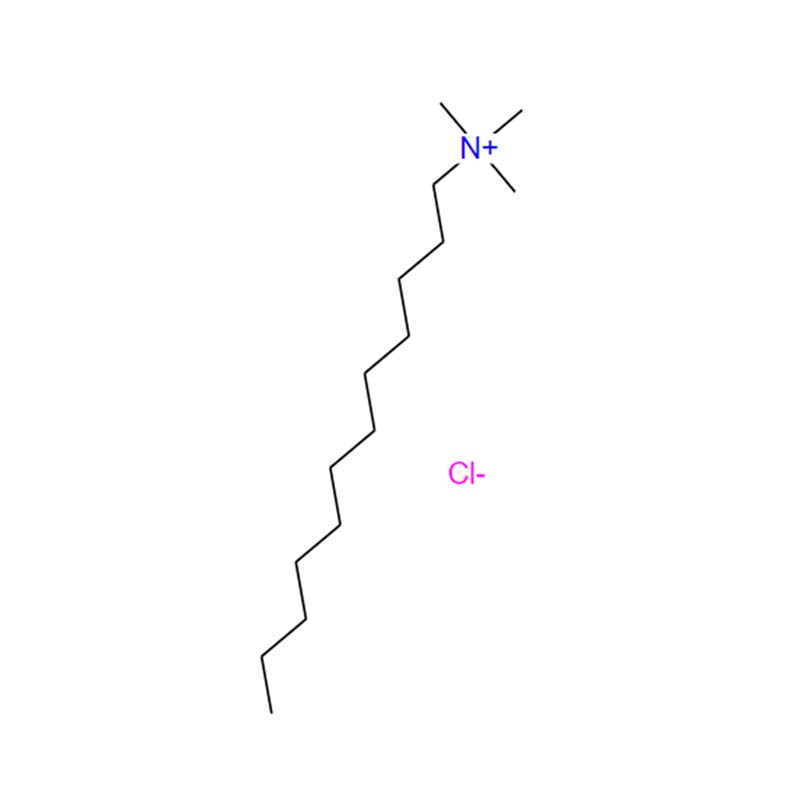
| Molecular Formula | C₁₅H₃₄ClN | Quaternary ammonium structure: C₁₂H₂₅-N⁺(CH₃)₃ Cl⁻ . |
| Molecular Weight | 263.89 g/mol | Used for stoichiometric calculations and solution preparation . |
| EINECS Number | 203-927-0 | European inventory identifier . |
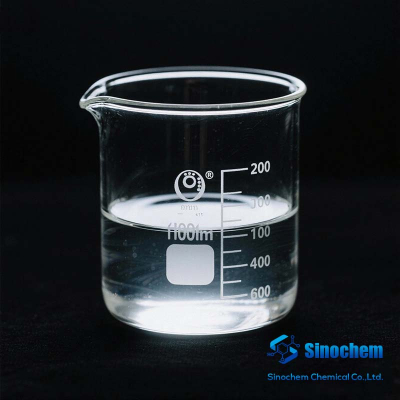
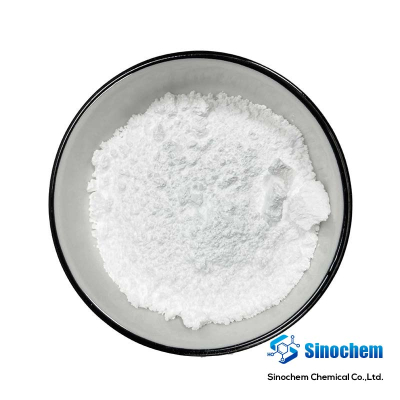
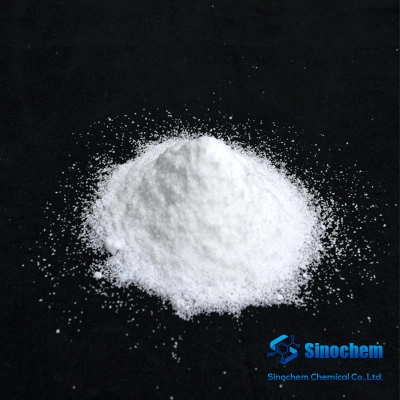
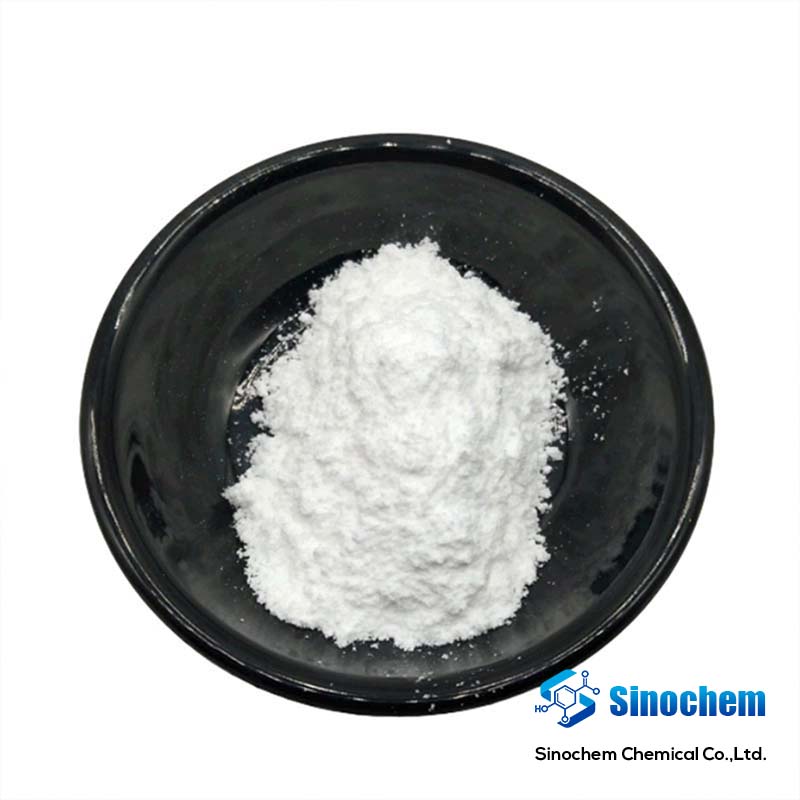
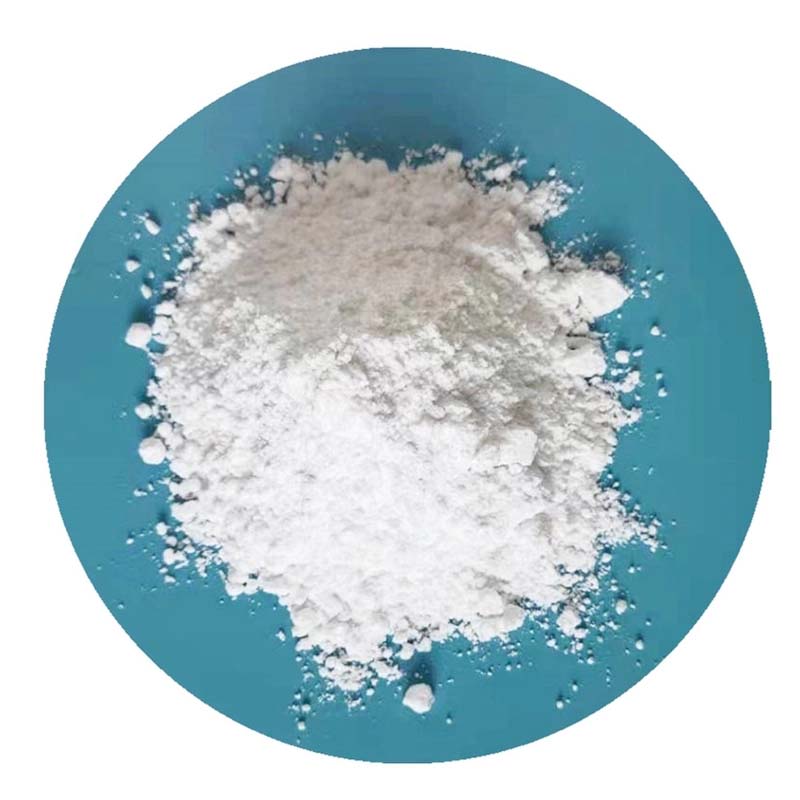
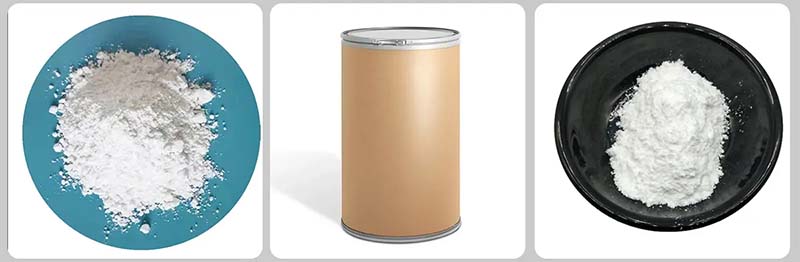
| Appearance | White amorphous powder (solid) or colorless to pale yellow liquid (solutions) | Visual quality indicator varies by concentration . |
| Purity/Active Assay | ≥99% (high purity solid) | Core specification. Higher purity essential for analytical and sensitive applications. |
| ≥98% (ion-pair grade) | ||
| 95% (reagent grade) | ||
| 24-72% (solution forms) | ||
| Melting Point | 37°C (crystalline solid) | Variations reflect different polymorphic forms or measurement methods; decomposition occurs upon heating. |
| 246°C (dec.) (reported for some grades) | ||
| Flash Point | 19°C | Highly flammable; store away from ignition sources . |
| Water Solubility | 50 mg/mL, clear colorless | Excellent water solubility for aqueous formulations. |
| Relative Density | ca. 1.00 g/cm³ at 20°C | Similar density to water; used for volume-to-weight conversions. |
| Partition Coefficient (log Pow) | ca. 1.22 at 25°C | Bioaccumulation not expected . |
| pH (1% solution) | 5 – 9 (grade dependent) | Near-neutral to slightly alkaline; suitable for most formulations . |
| Free Amine & Salt | ≤ 1.5% | Controls impurity levels; lower values indicate higher purity . |
| Water Content | ≤1% (solid) to 74-76% (solutions) | Varies significantly by product form . |
| Storage Temperature | 0-8°C (recommended for high purity) | Cool storage recommended to maintain stability. |
| Cool, dry place (general) |
Available Commercial Forms
| Form | Active Assay | Water Content | Typical Applications |
| High Purity Solid | ≥98-99% | ≤1% | Ion-pair chromatography, analytical standards, research reagents |
| Reagent Grade Solid | ≥95% | ≤1% | General laboratory use, synthesis |
| 24-26% Solution | 24-26% | 74-76% | Industrial cleaning, textile processing |
| 28-32% Solution | 28-32% | 68-72% | Detergents, disinfectants |
| 48-52% Paste/Solution | 48-52% | 16-24% | Concentrated formulations |
| 68-72% Paste/Solution | 68-72% | 4-6% | High-concentration industrial applications |
4. Applications
Analytical Chemistry & Scientific Research
Ion-Pair Chromatography Reagent: DTAC acts as a critical reagent in ion-pair chromatography, greatly improving the separation efficiency of ionic and polar compounds. This use is highly valuable for analytical chemists working in pharmaceutical R&D and environmental testing labs.
Biochemical Assays: It is utilized as a research reagent in investigations of membrane proteins and cellular mechanisms, utilizing its surfactant characteristics to solubilize and stabilize biological membranes.
Biotechnology & Molecular Biology: The compound is applied in the extraction and purification of nucleic acids, supporting researchers in genetic research and diagnostic development.
Cleaning & Disinfection Solutions
Household Detergents: It is integrated into cleaning formulas to lower surface tension, boosting the removal of grease and grime from a wide range of surfaces.
Industrial Cleaners: It is a key component in heavy-duty industrial cleaning products for manufacturing plants, delivering efficient elimination of oils and lubricants.
Antibacterial Disinfectants: Thanks to its quaternary ammonium molecular structure, DTAC displays powerful antimicrobial activity, making it ideal for use in healthcare facilities, hospitals, and hygiene-focused applications.
Sanitizers: It is formulated into surface sanitizers and hygiene products for reliable control of microorganisms.
Personal Care & Cosmetics
Hair Care Products: It works as a conditioning agent in shampoos and hair sprays, enhancing hair manageability and texture.
Skin Care Formulations: It is used in creams and lotions as an emulsifier and stabilizer, ensuring even distribution of active ingredients and improving product stability and performance.
Cosmetic Emulsions: It refines the texture and consistency of personal care items, delivering tangible benefits in the cosmetics sector.
Textile Manufacturing Antistatic Agent: It is applied to textiles to minimize static charge buildup, improving fabric handling and wear comfort.
Fabric Softener: It boosts the softness and tactile quality of textiles during processing and finishing.
Dyeing Auxiliary: It enhances dye absorption and color fastness by modifying the surface properties of fibers.
Industrial & Specialty Uses
Oilfield Chemicals: It functions as an oil-displacing agent and surfactant in petroleum production, helping to boost crude oil recovery rates and optimize extraction efficiency.
Paints & Inks: It serves as a dispersant in paint and ink manufacturing, improving the dispersion of pigments and fillers to enhance product quality and shelf stability.
Agricultural Chemicals: It acts as an adjuvant for pesticides and fertilizers, improving their dispersion and adhesion on plant surfaces to increase overall application efficiency.
Phase Transfer Catalysis: It is utilized as a phase transfer catalyst in organic synthesis, enabling efficient reactions between immiscible phases.
Virucidal Applications
pH-Dependent Antiviral Activity: Studies confirm that DTAC exerts strong virucidal effects that are highly pH-dependent.
Research on reovirus shows DTAC is extremely effective at inactivating viruses at high pH levels, while showing minimal impact on viral stability at low pH.
This pH-responsive activity is attributed to pH-induced changes in the ionic state of viral capsid proteins.