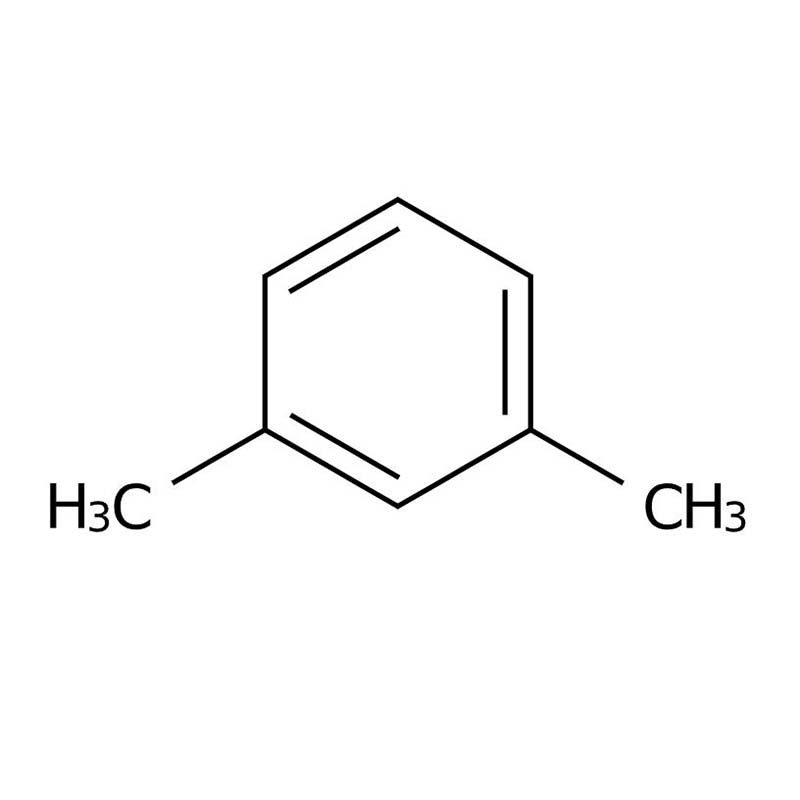
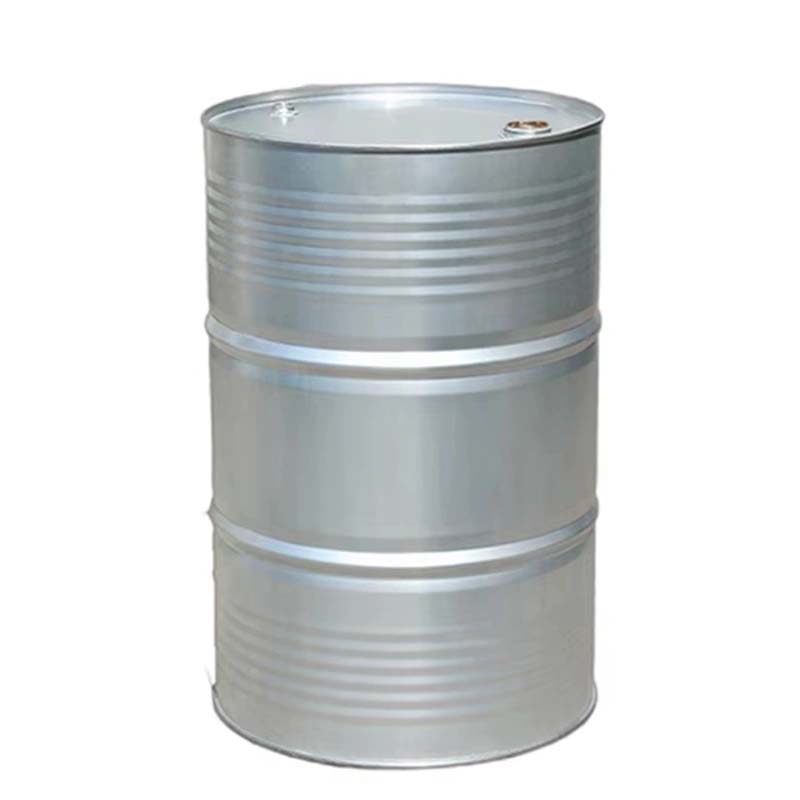
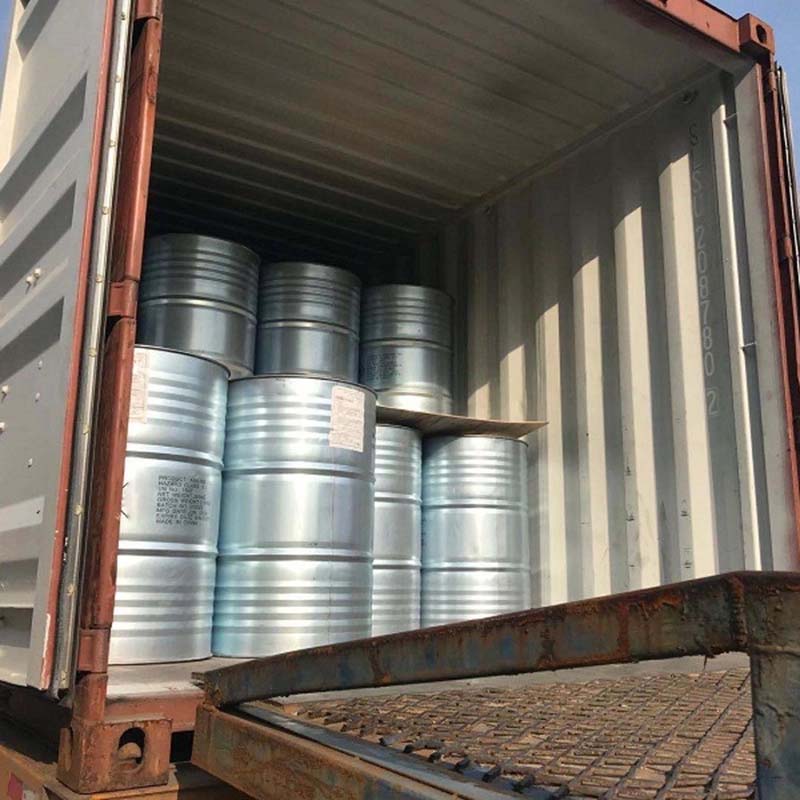
m-Xylene CAS:108-38-3
Wide Solvent Compatibility:This chemical mixes fully with a great variety of organic solvents, allowing it to be used in many different industrial production and processing procedures.
Role as an Industrial Intermediate:It acts as an important raw material for synthesizing several key industrial chemicals, such as phthalic anhydride, isophthalic acid, and terephthalic acid.
Thermal and Flammable Traits:Having a melting point as low as −48°C and a flash point of 25°C, this material performs well in low-temperature environments but needs strict safety measures against fire risks.
Stability and Safety Standards:With an autoignition temperature of 528°C and clear occupational exposure limits, it can be handled safely in industrial environments when proper operating procedures are followed.
Xylene is a colorless and flammable liquid that exists in three isomeric forms: o‑xylene, m‑xylene and p‑xylene. Each isomer has its own fixed physical index: melting points are −25.2°C, −47.9°C and 13.3°C in sequence, boiling points are 144.4°C, 139.1°C and 138.3°C, and densities are 0.8802, 0.8642 and 0.8611 accordingly. It is almost insoluble in water but can be fully dissolved in various organic solvents. Under continuous catalytic oxidation, xylene can be converted into phthalic anhydride, isophthalic acid and terephthalic acid.
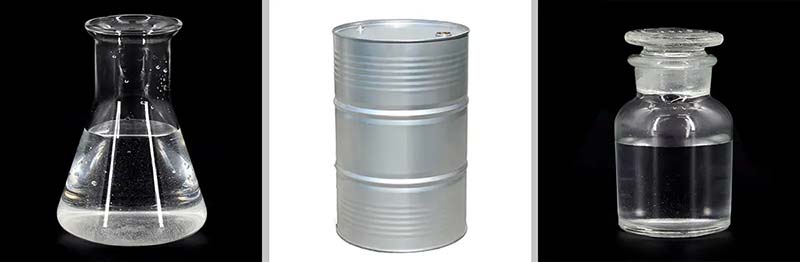
Product Parameters
| Melting point | -48 °C (lit.) |
| Boiling point | 138-139 °C (lit.) |
| density | 0.868 g/mL at 25 °C (lit.) |
| vapor density | 3.7 (vs air) |
| vapor pressure | 16 mm Hg ( 37.7 °C) |
| refractive index | n20/D 1.497(lit.) |
| Fp | 77 °F |
| storage temp. | 2-8°C |
| solubility | Miscible with many organic solvents, including alcohol and ether |
| form | Liquid |
| pka | >15 (Christensen et al., 1975) |
| color | Colorless |
| Odor | Like benzene; characteristic aromatic. |
| Odor Threshold | 0.041ppm |
| explosive limit | 1.1-7%(V) |
| Water Solubility | Miscible with organic solvents. Immiscible with water. |
| Merck | 1,410,081 |
| BRN | 605441 |
| Henry's Law Constant | 14.80 at 45.00 °C, 17.26.4 at 50.00 °C, 19.90 at 55.00 °C, 23.01.3 at 60.00 °C, 27.46.3 at 70.00 °C (static headspace-GC, Park et al., 2004) |
| Dielectric constant | 2.4 |
| Exposure limits | NIOSH REL: 100 ppm (435 mg/m3), STEL 150 ppm (655 mg/m3), IDLH 900 ppm; OSHA PEL: TWA 100 ppm; ACGIH TLV: TWA 100 ppm, STEL 150 ppm (adopted). |
| InChIKey | IVSZLXZYQVIEFR-UHFFFAOYSA-N |
| LogP | 3.16 at 20℃ |
| Surface tension | 28.47mN/m at 298.15K |
| CAS DataBase Reference | 108-38-3(CAS DataBase Reference) |
| NIST Chemistry Reference | Benzene, 1,3-dimethyl-(108-38-3) |
| EPA Substance Registry System | m-Xylene (108-38-3) |
Safety Information
| Hazard Codes | Xn,T,F |
| Risk Statements | 10-20/21-38-39/23/24/25-23/24/25-11-36/38 |
| Safety Statements | 25-45-36/37-16-7 |
| RIDADR | UN 1307 3/PG 3 |
| OEB | A |
| OEL | TWA: 100 ppm (435 mg/m3), STEL: 150 ppm (655 mg/m3) |
| WGK Germany | 2 |
| RTECS | ZE2275000 |
| Autoignition Temperature | 982 °F |
| TSCA | Yes |
| HazardClass | 3 |
| PackingGroup | II |
| HS Code | 29024200 |
| Hazardous Substances Data | 108-38-3(Hazardous Substances Data) |
| Toxicity | LD50 orally in rats: 7.71 ml/kg (Smyth) |