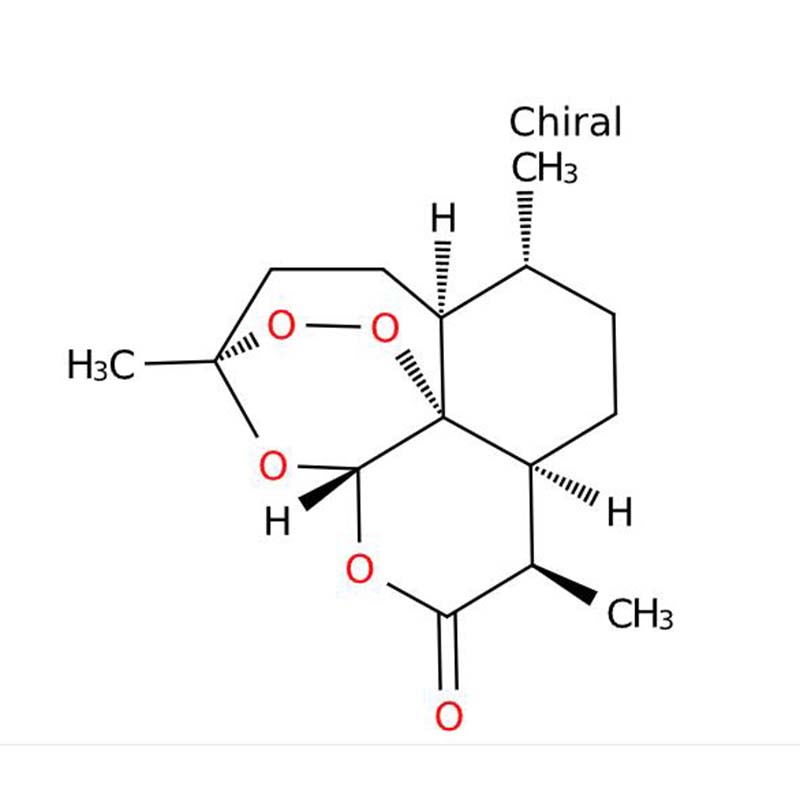
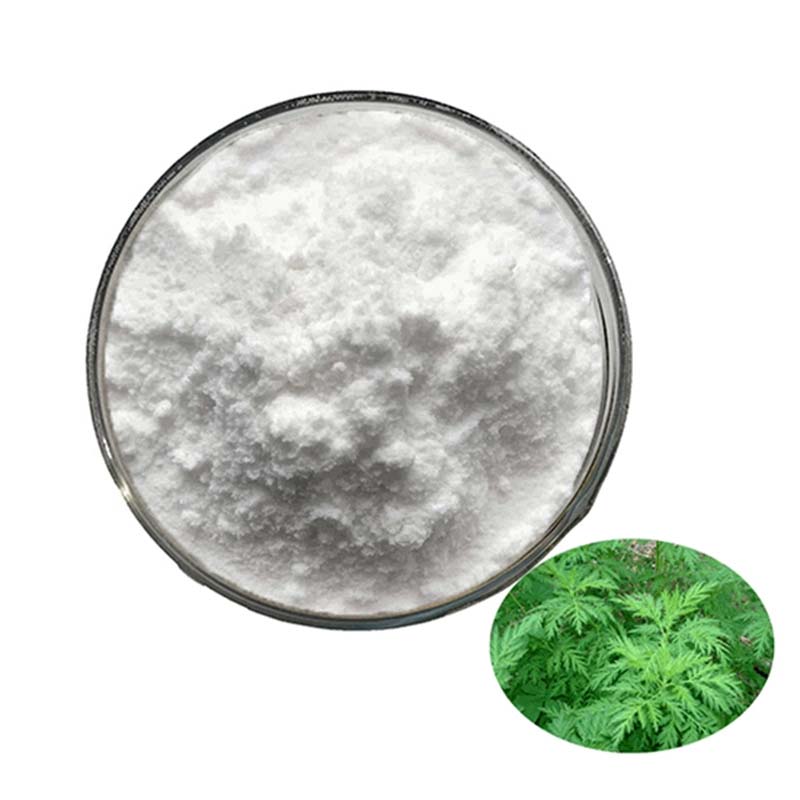
Artemisinin CAS:63968-64-9
Highly Effective for Malaria: Artemisinin is the most potent drug against malaria, with over 90% effectiveness globally, particularly in artemisinin-based combination therapy (ACT).
Rapid Action: It acts quickly to eradicate the erythrocytic phase of Plasmodium, offering prompt relief from malaria symptoms.
Minimal Toxicity: Known for its low toxicity, it provides a safe treatment option for malaria and other parasitic infections.
Broad Spectrum of Use: Artemisinin is effective not only against malaria but also against diseases like chicken coccidiosis, toxoplasmosis, and chloroquine-resistant malaria.
Artemisinin is recognized as one of the most powerful therapeutic substances for malaria therapy.
As a sesquiterpene lactone containing an endoperoxide structure, it is extracted from Artemisia annua, a classic traditional Chinese medicinal herb.
This natural compound possesses multiple favorable properties, including outstanding curative efficacy, fast pharmacological response, heat-clearing and antipyretic functions, antiprotozoal activity, as well as relatively low toxicity.
Parameters
Melting point | 156-157 °C (lit.) |
alpha | 76 º (c=0.5,MeOH) |
Boiling point | 344.94°C (rough estimate) |
density | 1.0984 (rough estimate) |
refractive index | 75 ° (C=0.5, MeOH) |
storage temp. | -20°C |
solubility | Soluble to 100mM in DMSO and to 75mM in ethanol |
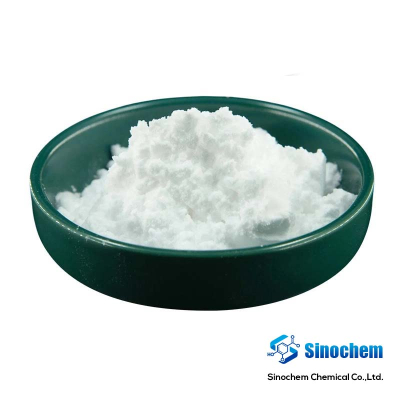
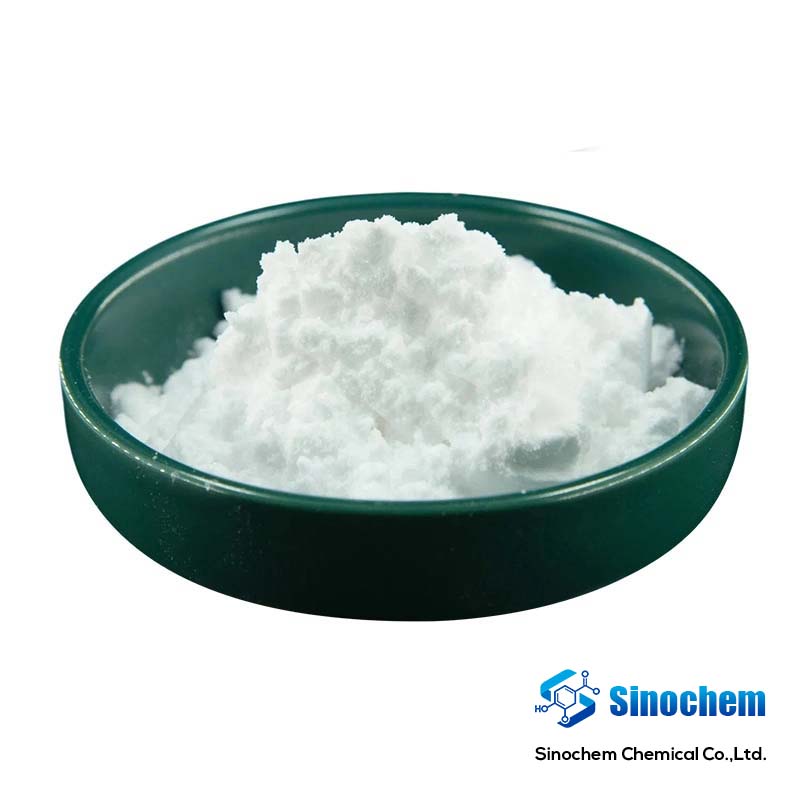
form | White to off-white crystalline solid. |
color | Needles |
optical activity | [α]20/D +76°, c = 0.5 in methanol |
Merck | 14817 |
Stability: | Stable. Combustible. Incompatible with strong oxidizing agents, acids, acid chlorides, acid anhydrides. May absorb, and react with, carbon dioxide from the air. |
InChI | InChI=1S/C15H22O5/c1-8-4-5-11-9(2)12(16)17-13-15(11)10(8)6-7-14(3,18-13)19-20-15/h8-11,13H,4-7H2,1-3H3/t8-,9-,10+,11+,13-,14-,15-/m1/s1 |
InChIKey | BLUAFEHZUWYNDE-NNWCWBAJSA-N |
SMILES | O1[C@]23[C@@]4([H])O[C@@](C)(CC[C@@]2([H])[C@H](C)CC[C@@]3([H])[C@@H](C)C(=O)O4)O1 |
LogP | 2.9 |
Safety Information | |
Safety Statements | 22-24/25 |
WGK Germany | 2 |
RTECS | KD4170000 |
HS Code | 29322985 |
Toxicity | LD50 in mice (mg/kg): 5105 orally; 2800 i.m.; 1558 i.p. (Koch); LD50 in mice, rats (mg/kg): 4228, 5576 orally; 3840, 2571 i.m. (China Cooperative Research Group on Qinghaosu) |
Modern clinical practice has confirmed that artemisinin-based combination therapy (ACT) delivers a global effectiveness rate exceeding 90% in the management of malaria, and this therapeutic strategy has been widely adopted as a standard approach for malaria control across the globe.
ACT exerts a strong and rapid parasiticidal effect on Plasmodium during the erythrocytic phase of their life cycle, which facilitates the quick alleviation of clinical symptoms associated with malaria.
In addition to its primary anti-malarial role, the therapy also demonstrates notable therapeutic benefits for a range of other conditions. These include avian coccidiosis, porcine eperythrozoonosis, toxoplasmosis, fever caused by yin deficiency, jaundice induced by damp-heat pathogen, vivax malaria, severe malaria, cerebral malaria, as well as malaria strains that have developed resistance to chloroquine.