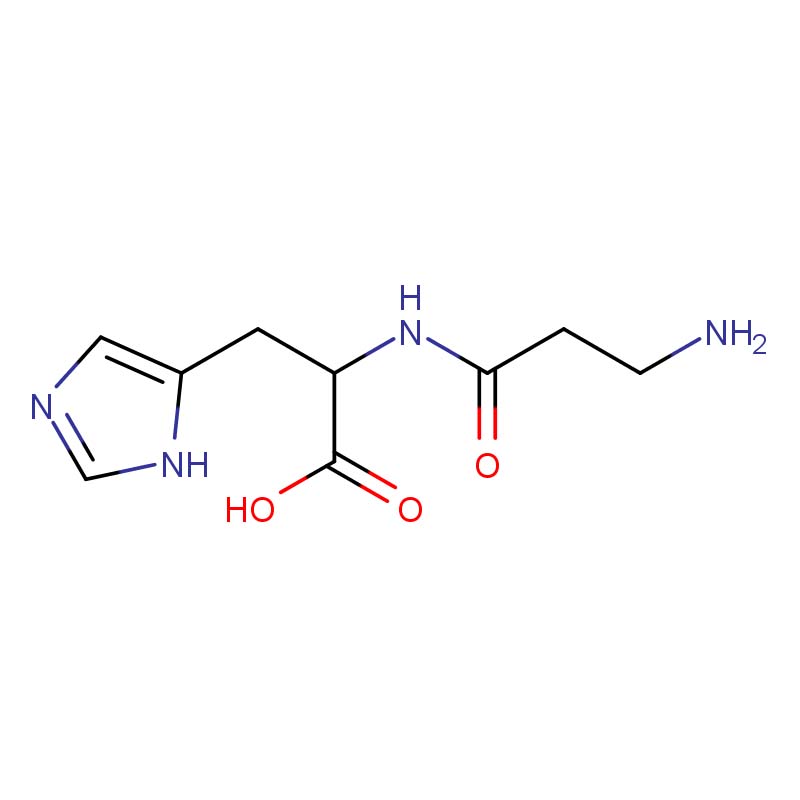

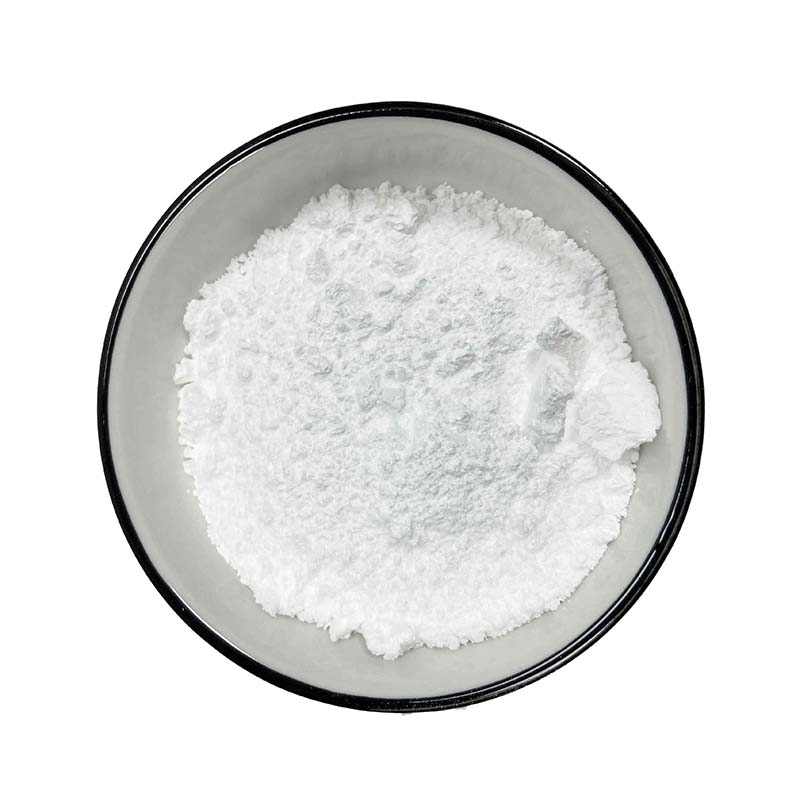
L-CarnosineCAS:305-84-0
Versatile Biological Activity and Tissue Distribution
L-Carnosine (β-alanyl-L-histidine), a naturally occurring dipeptide, is endogenously present in numerous mammalian tissues—with notable concentrations in the brain, skeletal muscle, and kidneys . Beyond its widespread tissue localization, this bioactive compound executes a spectrum of essential physiological functions, ranging from cellular homeostasis regulation to tissue protection, underscoring its versatility in supporting biological systems .
Metal Chelation Capacity
Functioning as a potent endogenous chelating agent, L-Carnosine exhibits high affinity for transition metal ions including copper (Cu²⁺), zinc (Zn²⁺), and nickel (Ni²⁺) . By forming stable coordination complexes with these metal ions, it effectively modulates their bioavailability, prevents aberrant accumulation, and helps maintain systemic metal ion homeostasis—thus mitigating the risk of metal-induced oxidative damage or metabolic dysregulation .
Health-Promoting Effects
This bioactive dipeptide contributes comprehensively to human health, with pronounced benefits for muscular and neurological function . In skeletal muscle, it supports contractile performance, delays fatigue during exertion, and aids in post-exercise recovery by regulating intracellular pH and buffering lactic acid accumulation . For neurological health, it promotes neuronal integrity, supports synaptic function, and may play a protective role against age-related cognitive decline, leveraging its multi-targeted biological actions .
Antioxidant Properties and Cellular Protection
Basic Information and Endogenous Distribution
L-Carnosine, chemically designated as β-alanyl-L-histidine (CAS Registry Number: 305-84-0), is an endogenously synthesized dipeptide formed by the condensation of β-alanine and L-histidine . This bioactive molecule is naturally present in the tissues of both rodents and humans: in rats, it accumulates in the olfactory bulb, skeletal muscle, brain parenchyma, kidneys, and spleen; in humans, it is most prominently concentrated in skeletal muscle fibers, where it fulfills key physiological roles .
Expanded Metal Chelation Spectrum
Versatile Cross-Sector Applications
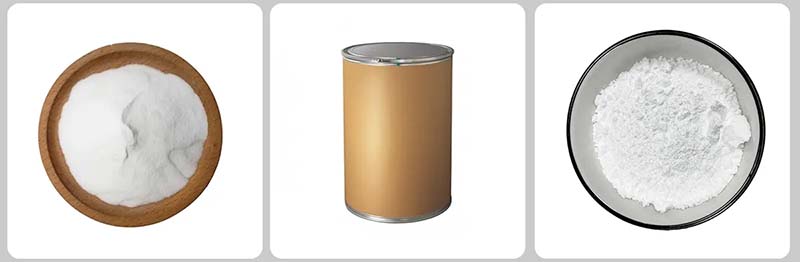
L-Carnosine’s multifaceted biological properties have driven its adoption across diverse industries, with key applications including:
Pharmaceutical Research: Serving as a lead compound in neuroprotective studies (targeting age-related cognitive decline and neurodegenerative diseases) and cardiovascular research (exploring its role in mitigating oxidative damage to cardiac tissues) .
Dietary Supplements: Formulated as a functional ingredient for antioxidant support and anti-aging interventions, leveraging its ability to scavenge free radicals and protect cellular macromolecules .
Food Technology: Utilized as a natural functional additive to enhance product stability, inhibit lipid peroxidation, and extend the shelf life of processed foods .
Cosmetic Formulations: Incorporated into anti-aging skincare products to combat oxidative stress in dermal tissues, reduce the appearance of fine lines, and support skin barrier function .
Scientific Investigations: Serving as a model compound for studying dipeptide metabolism, metal ion homeostasis, and the molecular mechanisms underlying oxidative stress resistance in biological systems .
Core Biological Activities (Summary)
Complementing its applications, L-Carnosine retains its well-documented core functions: regulating cellular homeostasis across multiple tissues, supporting muscular contractile performance and post-exercise recovery, promoting neuronal integrity, and reinforcing endogenous antioxidant defenses through ROS/RNS scavenging and lipid peroxidation inhibition .
Melting point | 253 °C (dec.) (lit.) |
alpha | 20.9 º (c=1.5, H2O) |
Boiling point | 367.84°C (rough estimate) |
density | 1.2673 (rough estimate) |
vapor pressure | 0Pa at 25℃ |
refractive index | 21 ° (C=2, H2O) |
storage temp. | -20°C |
solubility | DMSO (Very Slightly), Water (Slightly) |
pka | 2.62(at 25℃) |
form | crystalline |
color | White |
Odor | at 100.00?%. odorless |
Optical Rotation | +24.120 |
Water Solubility | almost transparency |
Merck | 14,1850 |
BRN | 87671 |
Stability: | Stable, but may be heat sensitive - store cold. Incompatible with strong oxidizing agents. |
InChIKey | CQOVPNPJLQNMDC-ZETCQYMHSA-N |
LogP | -3.8 at 22℃ |
CAS DataBase Reference | 305-84-0(CAS DataBase Reference) |
EPA Substance Registry System | L-Histidine, .beta.-alanyl- (305-84-0) |
Safety Information
Hazard Codes | Xn |
Risk Statements | 20/21/22-36/37/38 |
Safety Statements | 24/25-36-26 |
WGK Germany | 2 |
RTECS | MS3080000 |
F | 3-10 |
TSCA | Yes |
HS Code | 29332900 |
Toxicity | LD50 oral in mouse: > 14930mg/kg |