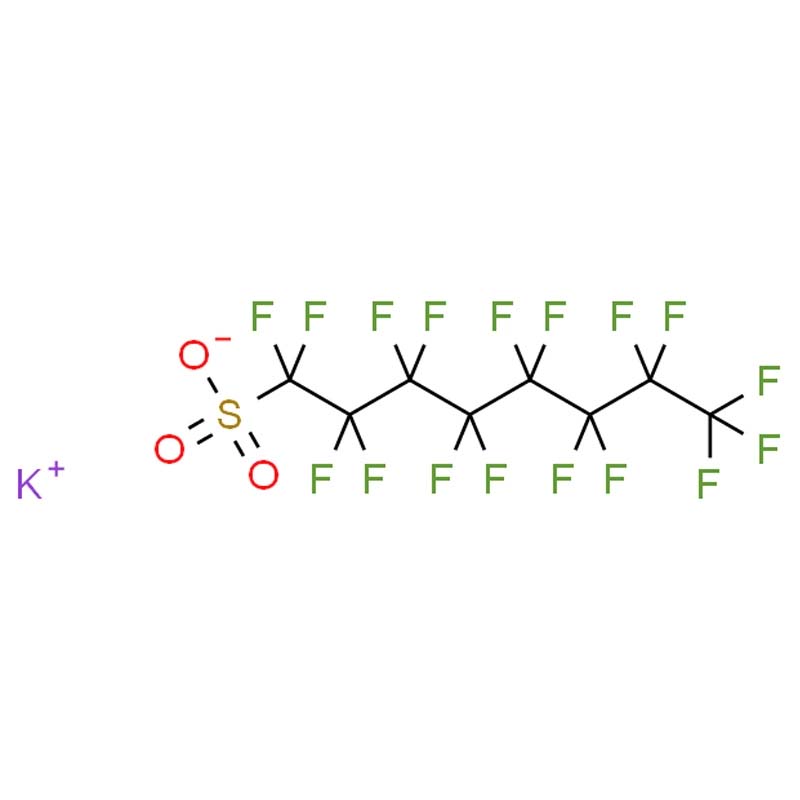
Potassium Perfluorooctanesulfonate (PFOS-K) CAS No.: 2795-39-3
Potassium perfluorooctanesulfonate (Potassium PFOS) is a persistent perfluoroalkyl sulfonate surfactant historically used in firefighting foams and metal plating for its extreme chemical stability. Due to its bioaccumulative nature and reproductive toxicity, it is now globally banned under the Stockholm Convention and restricted primarily to analytical reference standards for environmental testing.
1. Overview
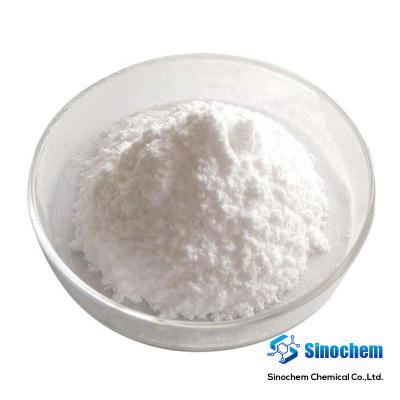
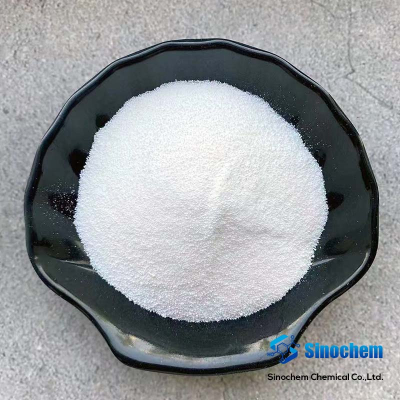
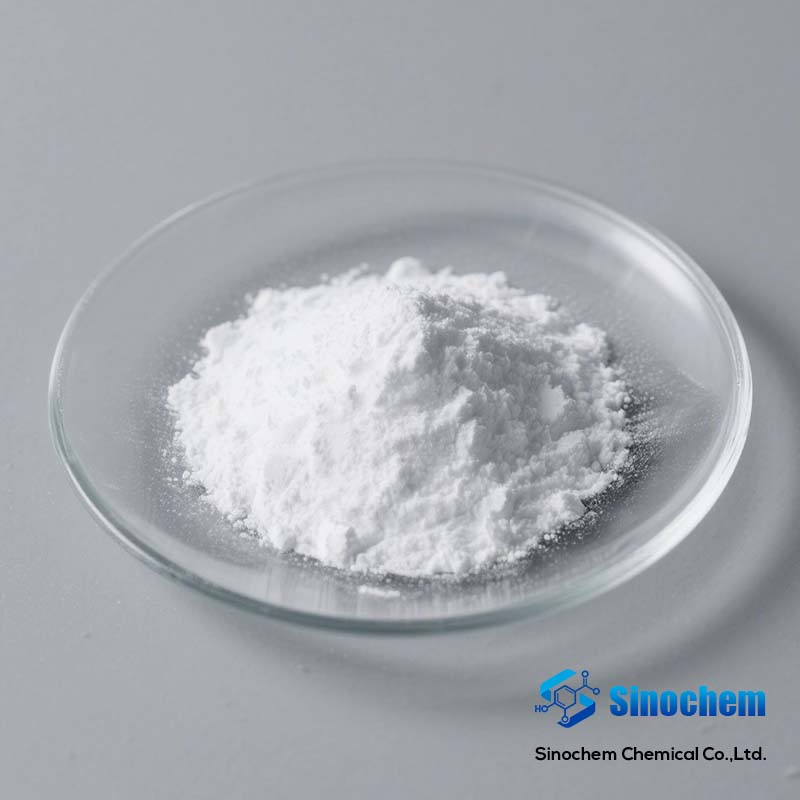
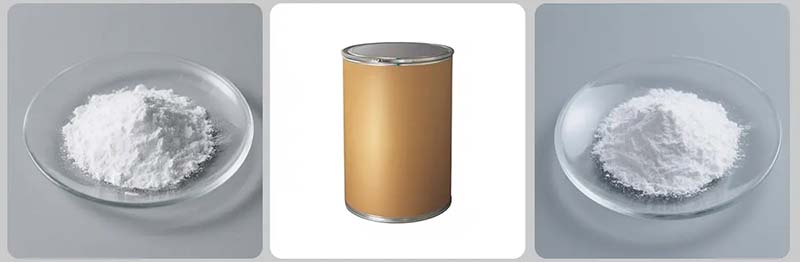
Potassium Perfluorooctanesulfonate is a synthetic organofluorine compound and the potassium salt of PFOS. It is a white to yellowish crystalline powder known for its exceptional thermal and chemical stability . As an anionic fluorosurfactant, it is highly effective in lowering surface tension. However, due to its extreme environmental persistence, toxicity, and bioaccumulation potential, it is classified as a Persistent Organic Pollutant (POP) under the Stockholm Convention and is heavily restricted or banned globally .
2. Key Features
Super High Stability: Resists degradation by heat, chemical attack, and biological processes .
Exceptional Surfactant: Significantly reduces surface tension (as low as 22 mN/m at 1% solution) .
Hydrophobic & Oleophobic: Repels both water and oil.
Environmental Persistence: Extremely long half-life in the environment and in the human body (approx. 5.4 years serum half-life) .
High Bioaccumulation: Tends to accumulate in proteins (e.g., liver, blood) rather than fats .
3. Key Specifications with Explanation
| Parameter | Typical Value | Explanation |
|---|---|---|
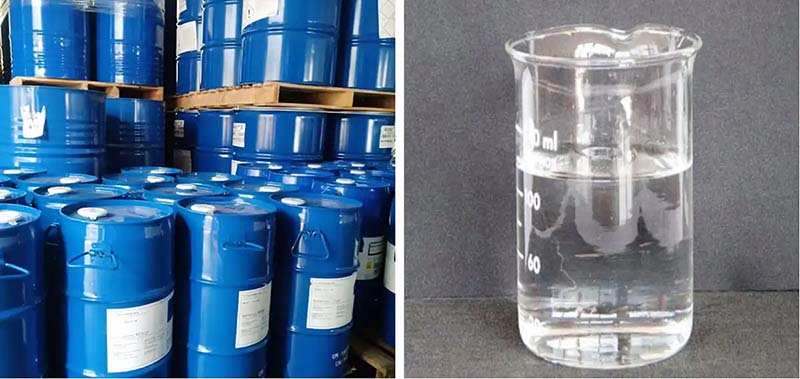
| Appearance | White to yellowish powder/crystals | Color indicates purity . |
| Assay (Purity) | ≥98% | Critical for research standards . |
| Molecular Weight | 538.22 g/mol | Required for molar calculations . |
| Melting Point | 277-285°C (decomposes) | Extremely high thermal stability . |
| Water Solubility | 570 mg/L (Moderate) | Allows mobility in aquatic environments . |
| Surface Tension | 22 mN/m (1% solution) | Indicates strong surfactant capability . |
4. Applications (Historical / Industrial)
| Application Area | Specific Uses |
|---|---|
| Fire-Fighting Foams | Key component in AFFF (Aqueous Film Forming Foam) for Class B fuel fires. |
| Metal Plating | Chrome-fume inhibitor and wetting agent in hard chrome plating . |
| Surface Coatings | Wetting agent for photographic films, inks, and paints. |
| Textiles & Carpets | Stain repellent and water-proofing treatment (now phased out). |
| Research Standard | Used as an analytical standard for PFAS environmental testing . |
5. Grade Comparison
| Grade | Purity | Typical Use |
|---|---|---|
| Industrial Grade | ≥90-95% | Legacy industrial processing (now banned/restricted) |
| Research / Reagent Grade | ≥98% | Analytical standards, environmental fate studies |
| Certified Reference Material (CRM) | ≥99% (Isotope labeled) | High-accuracy LC-MS/MS testing (e.g., PFOS-13C8) |
6. Buying Guide
Regulatory Compliance: Verify your local regulations (Stockholm Convention, EU POPs, US TSCA). In most countries, industrial use is banned, and purchase is restricted to R&D or analytical reference purposes.
Application Specifics:
Environmental Analysis: Requires Certified Reference Standards (in methanol) with ISO 17034 accreditation .
Material Science: High purity powder (>98%) for specific industrial research .
Storage: Store in a cool, dry, well-ventilated area away from strong oxidizers.
7. FAQ
Q: Is PFOS the same as PFOA?
A: No. PFOS (Perfluorooctanesulfonic acid) has a sulfonate head group. PFOA has a carboxylate head group. Both are persistent pollutants, but PFOS is generally considered more bioaccumulative.
Q: Why is this chemical banned?
A: It is a Persistent Organic Pollutant. It does not break down in the environment, travels long distances, accumulates in wildlife and humans, and is toxic to the liver, reproduction, and immune system .
Q: Can I still buy this for industrial production?
A: Generally No. Most signatories to the Stockholm Convention (including EU, US, China, Japan) have granted specific exemptions only for essential uses (e.g., chrome plating, some medical devices), but these are being phased out rapidly.
8. Delivery, Certification & Service
Packaging:
Neat Powder: 1g, 5g, 25g, 100g (Research quantities only) .
Analytical Standard: 1 mL ampoule (e.g., 100 µg/mL or 50 µg/mL in Methanol) .
Documentation: CoA, MSDS (SDS). For reference standards: ISO 17025 and ISO 17034 accreditation details .
Shipping: Classified as Hazardous Class 6.1 (Toxic substances) or Class 9 (Miscellaneous dangerous goods) depending on concentration and matrix .