Zeolite (Natural & Synthetic) CAS: 1318-02-1
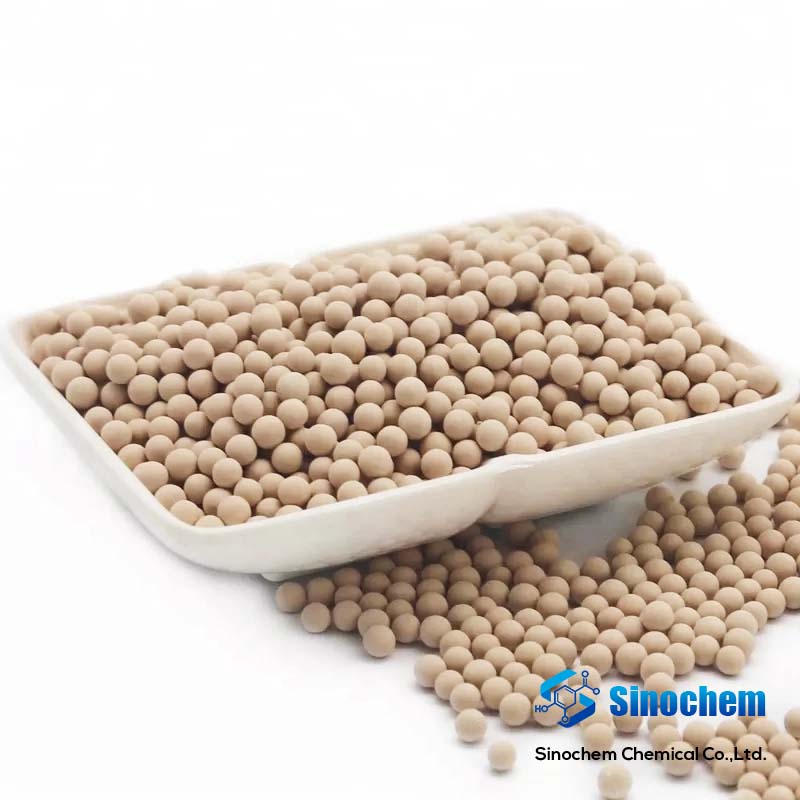
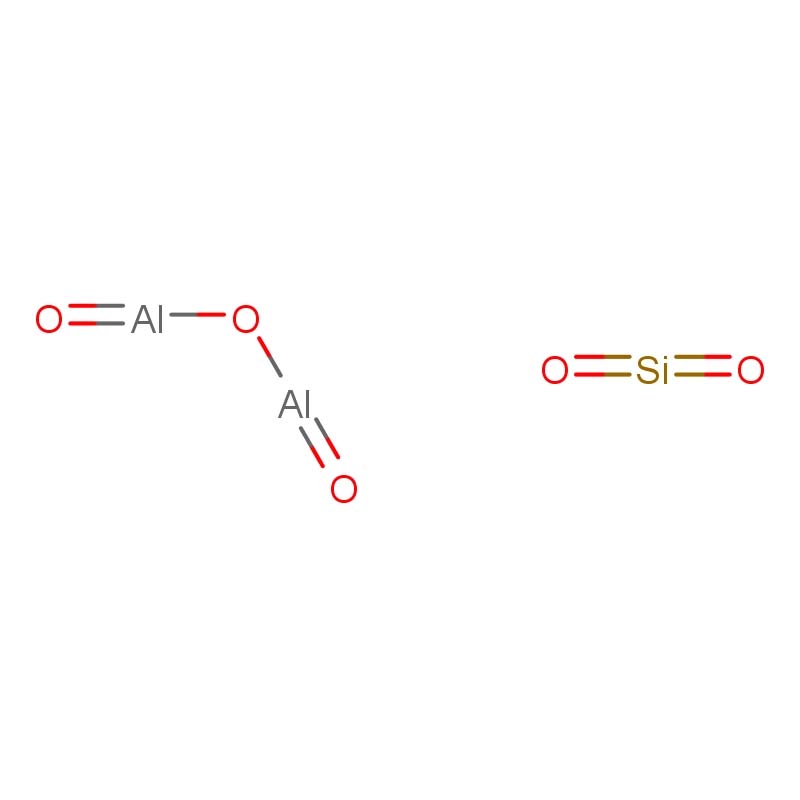
Zeolite is a microporous crystalline aluminosilicate mineral with a cage-like structure that provides high surface area and uniform pore sizes. It functions primarily as an ion exchanger (water softening), a molecular sieve (gas separation and drying), and a solid acid catalyst, most notably in petroleum refining for catalytic cracking.
1. Overview
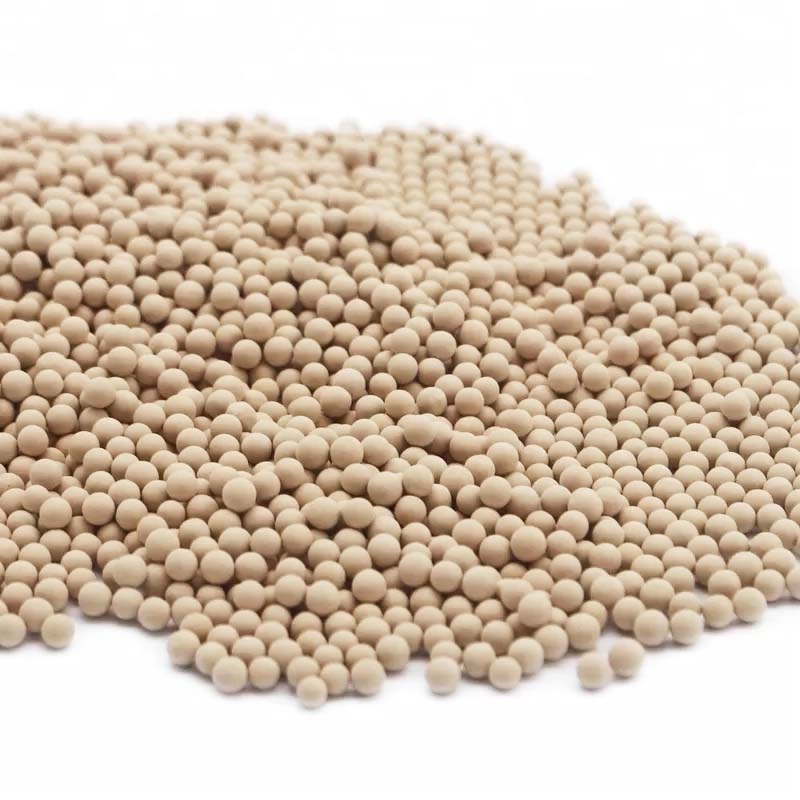
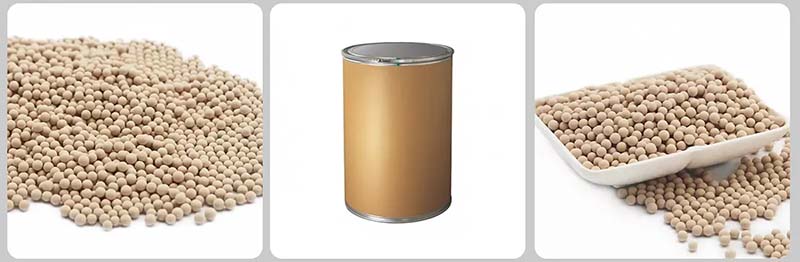
Zeolites are microporous aluminosilicates that act as molecular sieves, selectively adsorbing molecules by size and polarity. They also function as ion exchangers and catalysts. Available in natural (Clinoptilolite) and synthetic (Zeolite A, Y, ZSM-5) forms.
2. Key Features
Molecular sieve effect – uniform pores (3–10Å)
High ion-exchange capacity – captures NH₄⁺, heavy metals
High surface area – 300–700 m²/g
Thermally stable – synthetic grades withstand high temperatures
Reusable & regenerable
3. Key Specifications
| Parameter | Typical Value | Explanation |
|---|---|---|
| Pore Size | 3Å, 4Å, 5Å, 10Å (13X) | Determines which molecules can enter. |
| SiO₂/Al₂O₃ Ratio | 2–500+ | Higher = hydrophobic & stable; lower = higher ion exchange. |
| BET Surface Area | 300–700 m²/g | Higher area = more adsorption sites. |
| Crystallinity | ≥85% | Indicates structural integrity. |
| Bulk Density | 0.45–0.80 g/mL | Affects packing and transport. |
4. Applications
| Area | Uses |
|---|---|
| Petroleum Refining | FCC (Zeolite Y), alkylation (ZSM-5) |
| Gas Separation | O₂/N₂ (5A), CO₂ removal (13X), drying (3A/4A) |
| Water Treatment | Heavy metal removal, NH₄⁺ capture, water softening |
| Agriculture | Soil conditioner, mycotoxin binder, slow-release fertilizer |
| Detergents | Builder (Zeolite 4A) replaces phosphates |
| Odor Control | Pet litter, refrigerator deodorizers |
5. Type Comparison
| Type | Pore Size | SiO₂/Al₂O₃ | Best For |
|---|---|---|---|
| Zeolite 3A | 3Å | ~2 | Drying unsaturated hydrocarbons |
| Zeolite 4A | 4Å | ~2 | Detergents, drying, CO₂ removal |
| Zeolite 5A | 5Å | ~2 | PSA oxygen, paraffin separation |
| Zeolite 13X | 10Å | 2.5–3 | Bulk CO₂ removal, large molecule adsorption |
| Zeolite Y | 7.4Å | 5–500+ | FCC catalysts, hydrocracking |
| ZSM-5 | 5.1–5.6Å | 20–1500+ | Alkylation, methanol-to-gasoline |
| Clinoptilolite (natural) | 3–7Å | 4–6 | Water treatment, animal feed, odor control |
6. Buying Guide
| Application | Recommended Type |
|---|---|
| Drying gases/liquids | 3A or 4A |
| Oxygen generation (PSA) | 5A or 13X |
| Petroleum refining (FCC) | Zeolite Y |
| Petrochemical catalysis | ZSM-5 |
| Wastewater / ammonia removal | Clinoptilolite |
| Detergent builder | Zeolite 4A powder |
Quality checks: Request XRD (crystallinity), BET surface area, and heavy metal analysis for food/feed use.
7. FAQ
Q: Natural vs synthetic – which is better?
Natural = cheaper, good for water treatment & agriculture. Synthetic = uniform pores, higher purity, better for refining & gas separation.
Q: How to regenerate zeolite?
Thermal: Heat at 200–350°C to drive off adsorbed water/molecules.
Chemical: Wash with NaCl or acid solution to restore ion-exchange capacity.
Q: Is zeolite safe for animal feed?
Yes, clinoptilolite is GRAS (Generally Recognized as Safe) in many countries as a mycotoxin binder. Requires heavy metal testing (Pb, As, Cd).
Q: What is the shelf life?
Indefinite if stored dry in sealed containers. Keep away from moisture and organics.
8. Delivery & Service
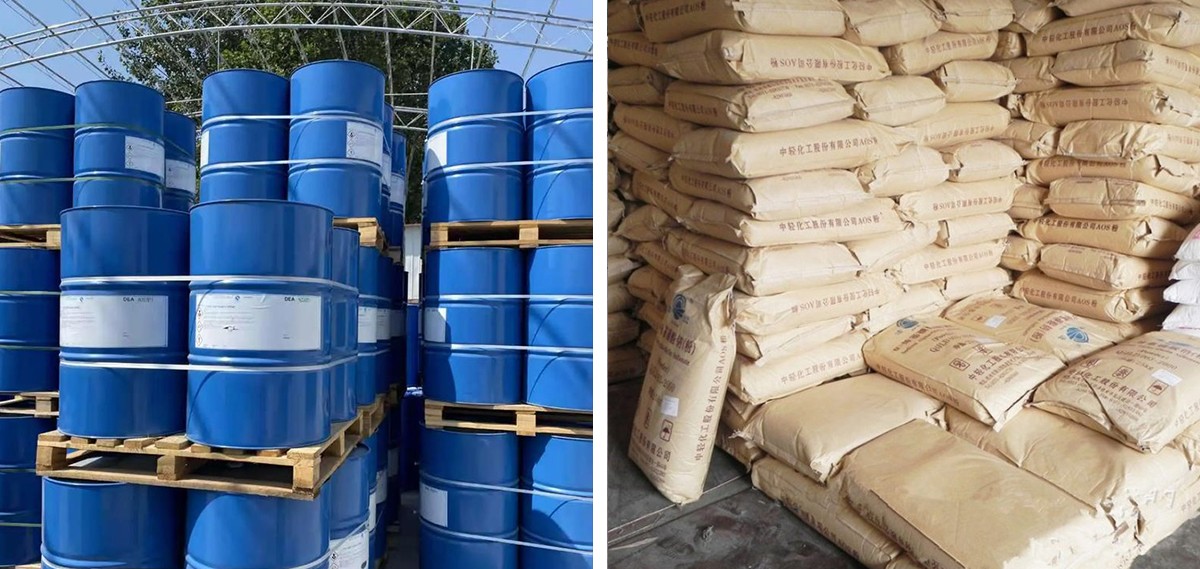
Packaging: 25kg bag, 500–1200kg bulk bag
Lead time: 7–15 days for production
Documentation: COA, MSDS, XRD report
Certifications: ISO 9001 (varies by supplier)