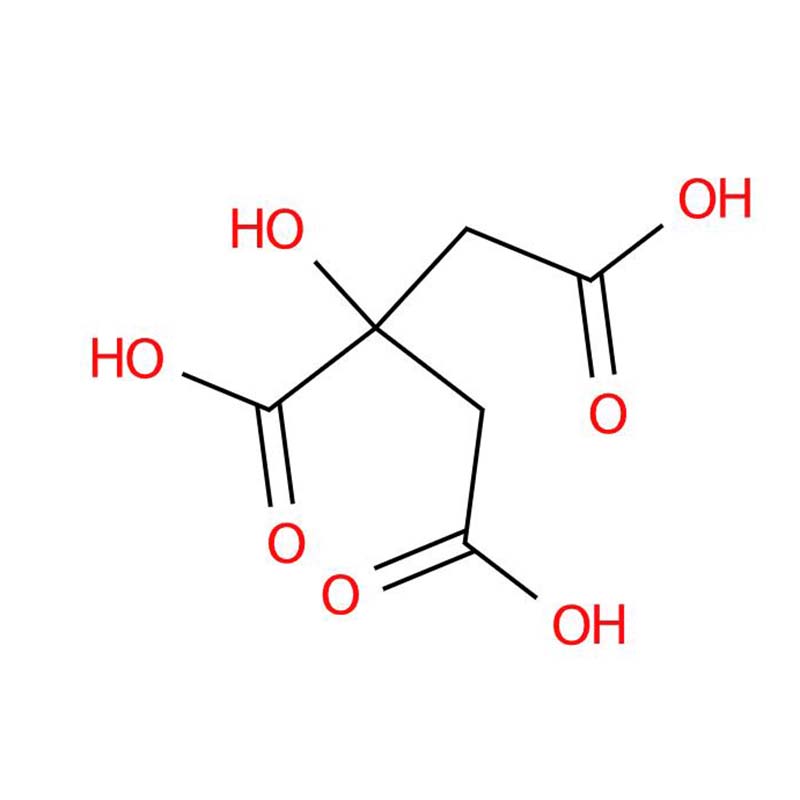
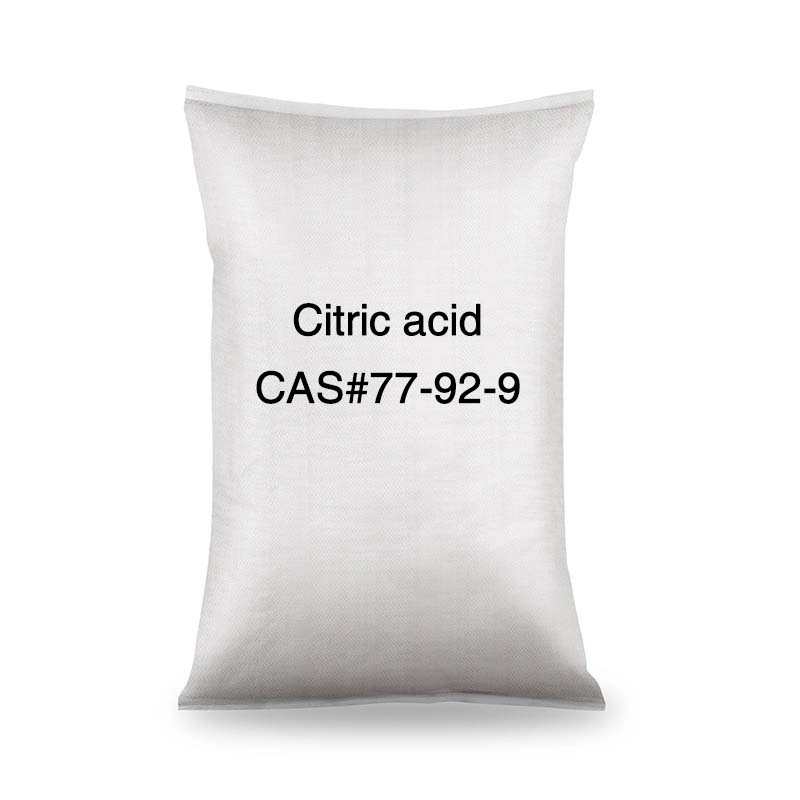
Citric acid CAS:77-92-9
Solubility in Water and Ethanol:This substance dissolves well in both water and ethanol solutions, making it suitable for use as an acidulant, preservative, and stabilizer in food, pharmaceutical, and cosmetic products.
Wide Industrial Applications:It is widely applied in food production, pharmaceutical preparation, and detergent industries, acting as a preservative, pH adjuster, flavor enhancer, and chelating agent.
Hygroscopic Nature and Storage Stability:It is hygroscopic under normal environmental conditions yet remains chemically stable when stored at 2–8°C. Key thermal parameters include a melting point of 153–159°C and a decomposition temperature of 248°C.
Acidity Profile and Handling Requirements:With strong acidic properties suitable for various uses, the material needs cautious operation to avoid local irritation, while meeting safety standards for food and pharmaceutical grades.
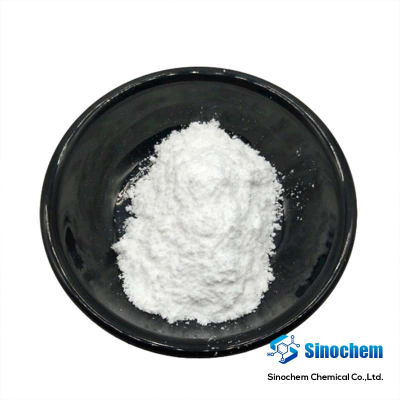
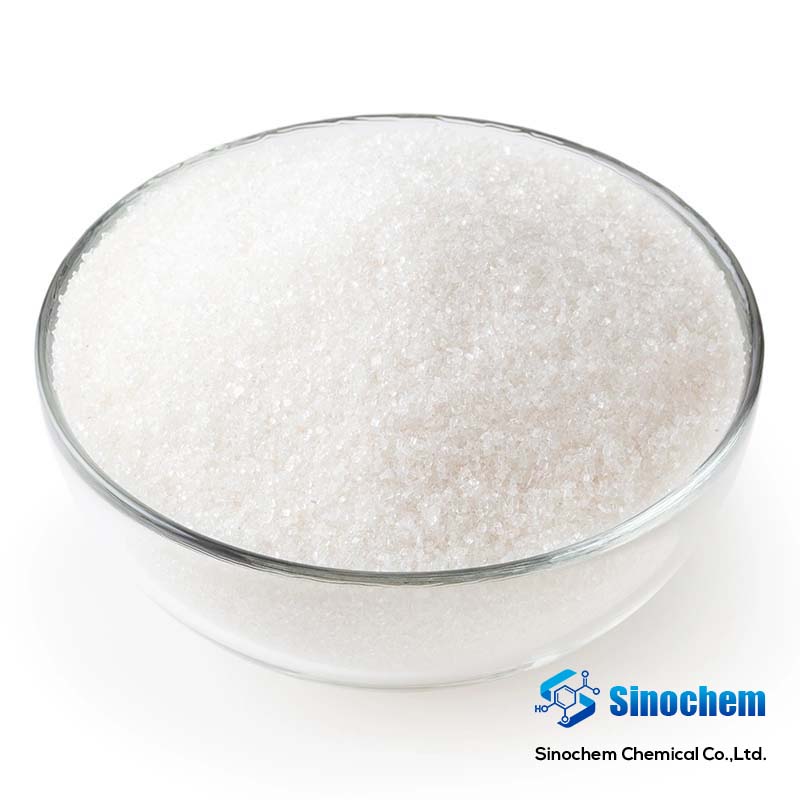
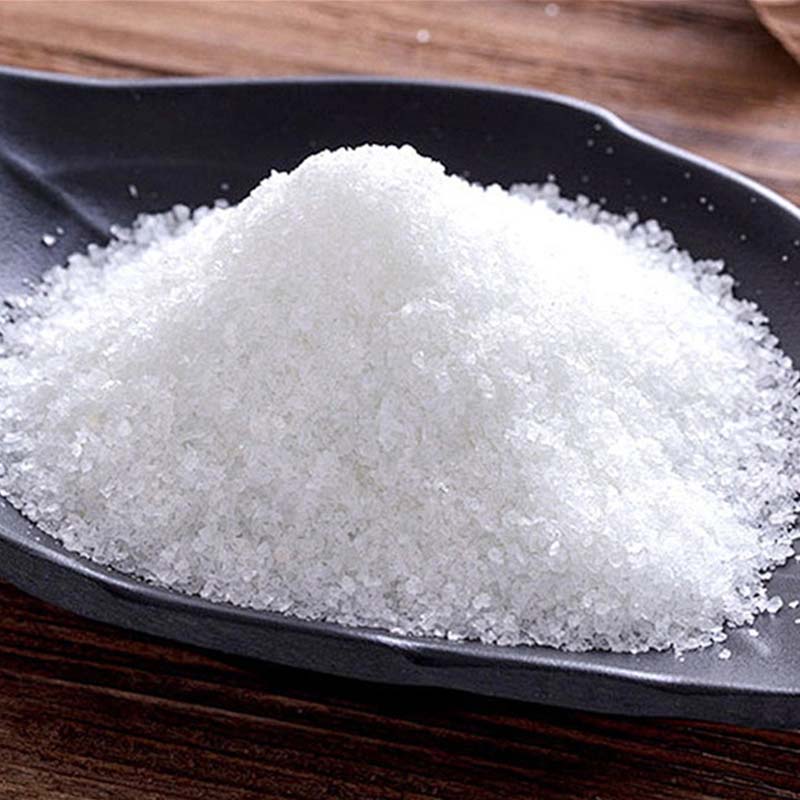
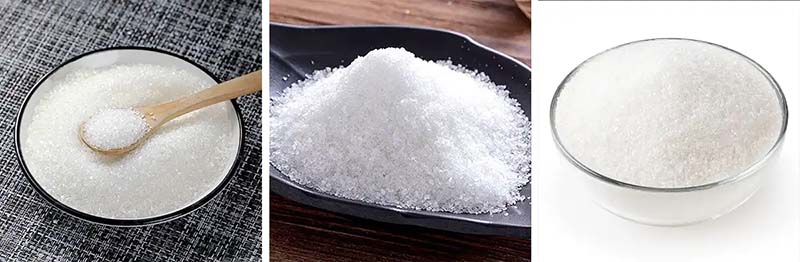
Anhydrous citric acid constitutes a naturally occurring compound that functions as an intermediate metabolite in both plant and animal physiological pathways. It represents one of the most extensively utilized organic acids across food, pharmaceutical, and chemical manufacturing sectors. This material typically appears as colorless transparent or translucent crystalline structures, with available forms including granular particulates and fine powder preparations.
Product Information
| Melting point | 153-159 °C (lit.) |
| Boiling point | 248.08°C (rough estimate) |
| density | 1.67 g/cm3 at 20 °C |
| bulk density | 560kg/m3 |
| vapor density | 7.26 (vs air) |
| vapor pressure | <0.1 hPa (20 °C) |
| refractive index | 1.493~1.509 |
| FEMA | 2306 | CITRIC ACID |
| Fp | 100 °C |
| storage temp. | 2-8°C |
| solubility | Citric acid also dissolves in absolute (anhydrous) ethanol (76 parts of citric acid per 100 parts of ethanol) at 15 °C. |
| form | grit |
| pka | 3.14(at 20℃) |
| color | White |
| PH | 3.24(1 mM solution);2.62(10 mM solution);2.08(100 mM solution); |
| Odor | Odorless |
| biological source | synthetic |
| Odor Type | odorless |
| explosive limit | 8%, 65°F |
| soluble in Water (1174g/L at 10°C, 1809g/L at 30°C, 3825g/L at 80°C). | |
| Sensitive | Hygroscopic |
| λmax | λ: 260 nm Amax: 0.20 |
| λ: 280 nm Amax: 0.10 | |
| Merck | 142,326 |
| JECFA Numbr | 218 |
| BRN | 782061 |
| Stability: | Stable. Incompatible with bases, strong oxidizing agents, reducing agents, metal nitrates. |
| InChIKey | KRKNYBCHXYNGOX-UHFFFAOYSA-N |
| LogP | -1.64 |
| CAS DataBase Reference | 77-92-9(CAS DataBase Reference) |
| NIST Chemisty Reference | 1,2,3-Propanetricarboxylic acid, 2-hydroxy-(77-92-9) |
| EPA Substance Registry System | Citric acid (77-92-9) |
Safety Information
| Hazard Codes | Xi,C,T |
| Risk Statements | 41-36/37/38-36/38-37/38-34-36-35-61-60 |
| Safety Statements | 26-39-37/39-24/25-36/37/39-45-36-53 |
| RIDADR | UN 1789 8/PG 3 |
| WGK Germany | 1 |
| RTECS | GE7350000 |
| F | 9 |
| TSCA | Yes |
| HS Code | 2918 14 00 |
| Hazardous Substances Data | 77-92-9(Hazardous Substances Data) |
| Toxicity | LD50 in mice, rats (mmol/kg): 5.0, 4.6 i.p. (Gruber, Halbeisen) |