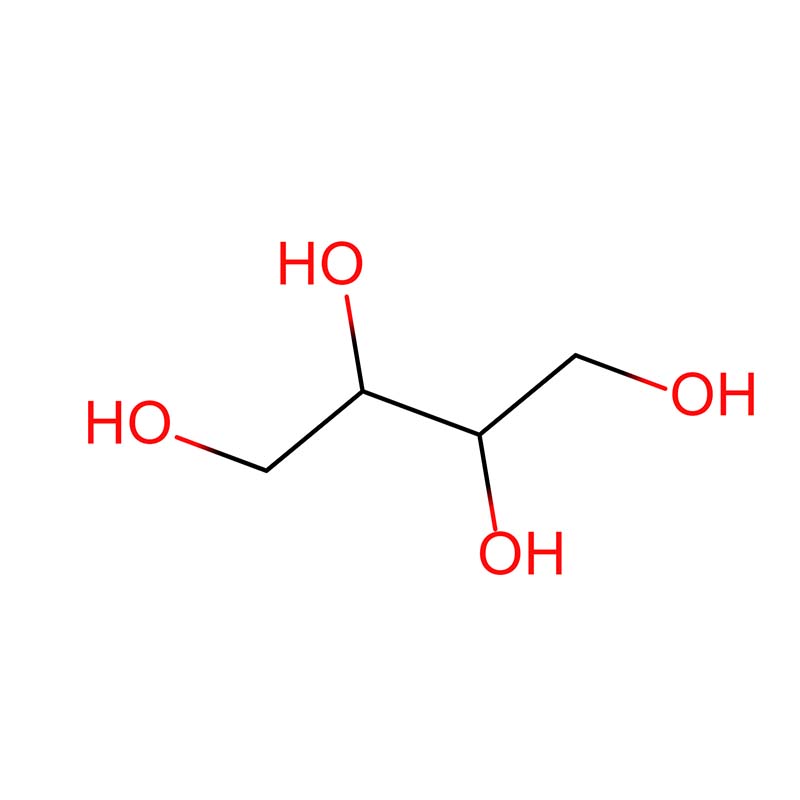
Erythritol CAS:149-32-6
Erythritol – Key Product Advantages
Calorie-Free Sweetness: Provides sweet taste without caloric contribution, making it ideal for low-calorie and sugar-free formulations.
Diabetic-Friendly: Elicits no glycemic or insulin response (glycemic index of zero), ensuring safety for individuals managing blood sugar levels.
Dental Safety: Non-fermentable and non-cariogenic, it does not promote tooth decay and actively supports oral health.
Natural Origin & High Tolerance: Naturally present in fruits and fermented foods; generally well-tolerated with minimal risk of gastrointestinal discomfort.
Product Overview
Erythritol is a naturally occurring four-carbon sugar alcohol (polyol) belonging to the functional sweetener class. It is found in nature in fruits such as melon, pear, and grapes, and in fermented foods like mushrooms, wine, soy sauce, and cheese. Commercial production relies on microbial fermentation of glucose.
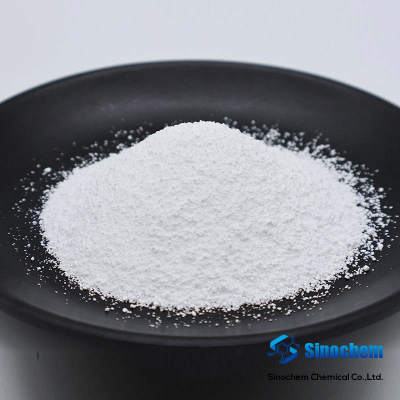
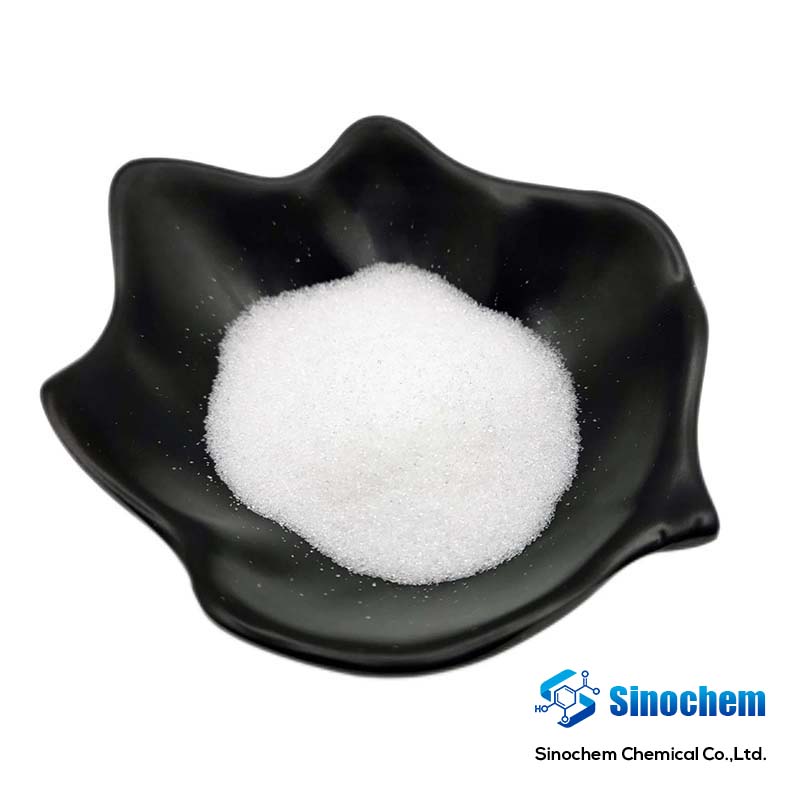
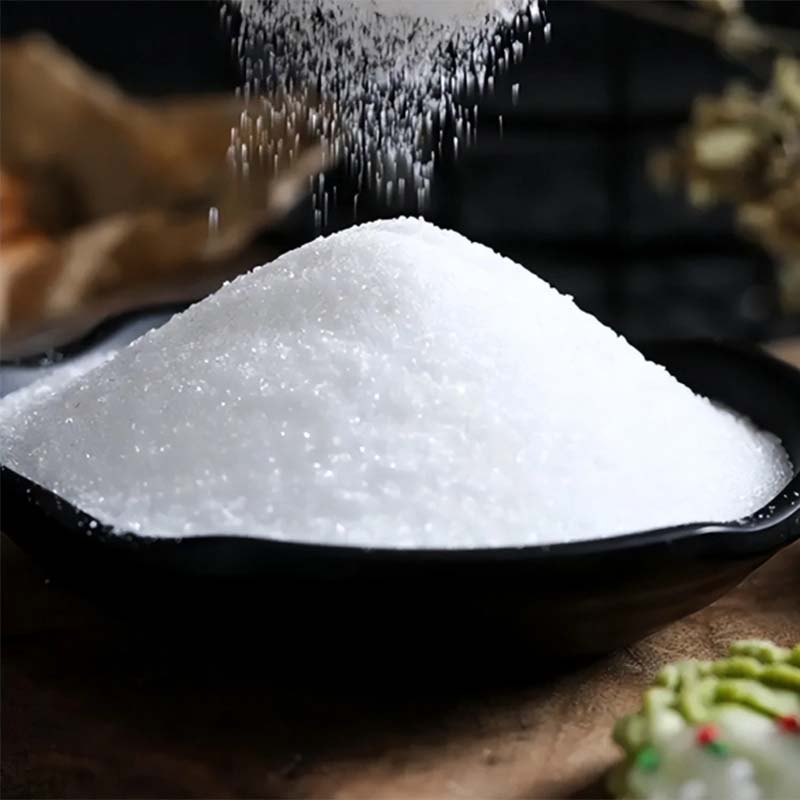
Its chemical formula is C₄H₁₀O₄, CAS number 149-32-6, and molecular weight 122.12 g/mol. The product appears as a white crystalline powder or granules with a clean sweet taste, roughly 60–70% as sweet as sucrose.
Erythritol follows a unique metabolic pathway among polyols: after ingestion, it is rapidly absorbed in the small intestine yet remains unmetabolized by any human enzyme system, being excreted unchanged primarily in urine. This renders it a true zero-calorie sweetener with no impact on blood glucose or insulin levels. With high digestive tolerance, non-cariogenic properties, and a clean taste profile, erythritol is extensively used worldwide in foods, beverages, oral care products, and pharmaceuticals, and carries the food additive code E968.
Erythritol – Product Profile & Key Information
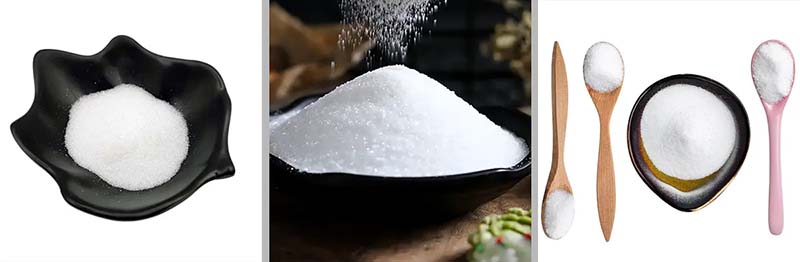
Erythritol (C₄H₁₀O₄, CAS 149-32-6, MW 122.12) is a naturally occurring four-carbon sugar alcohol produced by microbial fermentation of glucose. It appears as a white crystalline powder with a clean sweet taste, approximately 60–70% as sweet as sucrose.
Core Advantages
True Zero Calorie: Absorbed in the small intestine and excreted unchanged in urine without metabolism, allowing a 0 kcal/g label (US/EU/Japan) and showing no glycemic or insulin response.
Superior Digestive Tolerance: Has the highest tolerance among all polyols; negligible fermentation in the large intestine minimizes bloating and diarrhea risks compared to xylitol or maltitol.
Dental Safety: Non-cariogenic—not fermented by oral bacteria and inhibits plaque; FDA permits the claim “does not promote tooth decay.”
Clean Taste & Cooling: Delivers a sucrose-like sweetness without off-flavors and effectively masks the bitter aftertaste of stevia. The endothermic dissolution creates a pleasant cooling sensation.
Processing Stability: Stable up to 180°C, no Maillard browning, and extremely low hygroscopicity even at 90% RH, preventing caking.
Technical Specifications (Typical)
| Parameter | Value |
|---|---|
| Molecular Formula | C₄H₁₀O₄ |
| Molecular Weight | 122.12 g/mol |
| Purity (Food Grade) | ≥99.5% |
| Sweetness | 60–70% of sucrose |
| Melting Point | 118–122 °C |
| Solubility (25°C, water) | ~37% w/w |
| pH (10% sol.) | 5.0–7.0 |
| Heavy Metals (as Pb) | ≤0.5 mg/kg |
| Arsenic (As) | ≤0.3 mg/kg |
| Residue on Ignition | ≤0.1% |
| Reducing Sugars | ≤0.3% |
Applications Summary
Food & Beverages: Sugar-free drinks, dairy, light-colored baked goods, chocolate (cooling sensation, no bloom), tabletop sweeteners.
Oral Care & Pharma: Toothpaste, mouthwash, chewable tablets, and pharmaceutical excipients.
Sweetener Synergy: Blended with stevia/monk fruit to enhance sweetness profile and eliminate bitter aftertaste.
Quality & Packaging
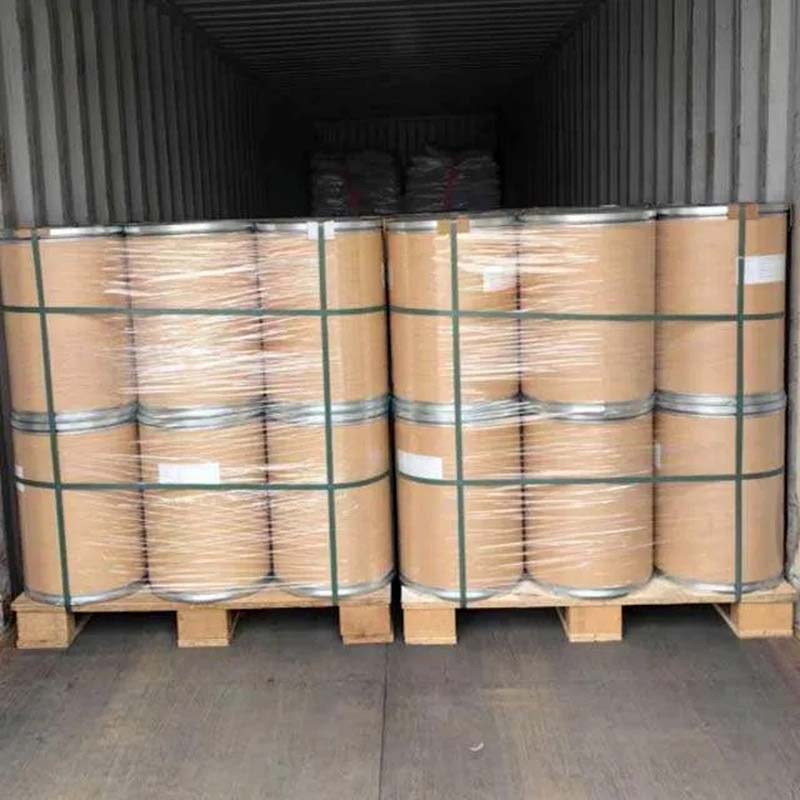
Complies with FCC, E968, GB 2760; pharmaceutical grade meets USP/NF. Available in 20–25 kg multi-layer bags/drums; samples in 1–5 kg aluminum foil bags.
Quick Answers
Vs. Sucrose: 70% sweetness, zero calories, insulin-independent, non-cariogenic.
Digestion: Minimal GI effects at normal intake; excess (>1 g/kg) may cause mild discomfort.
With Stevia: Excellent synergy—masks bitterness and boosts overall sweetness.