
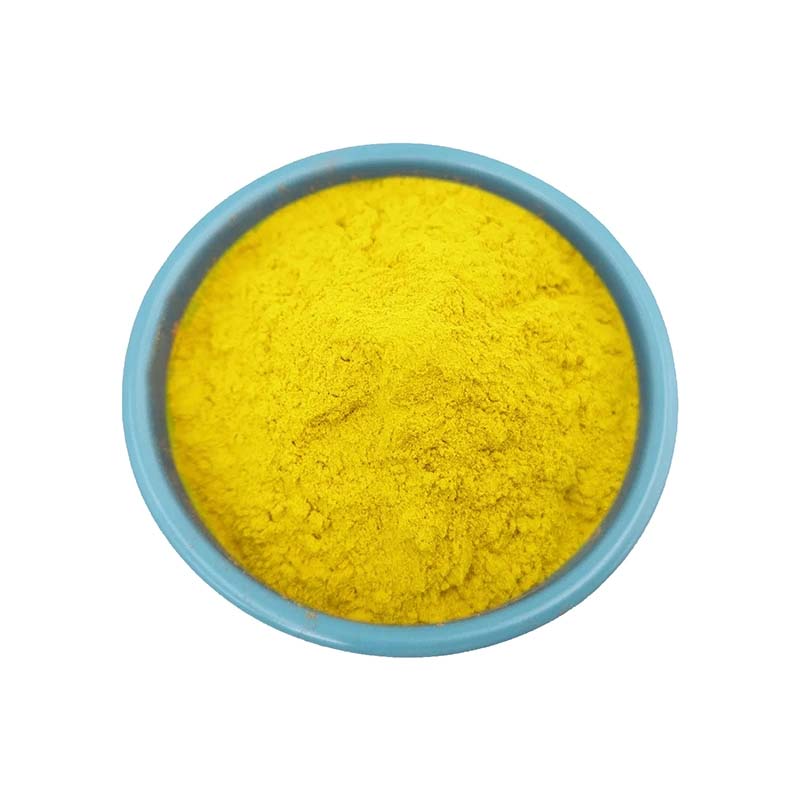
Doxycycline hydrochloride CAS:10592-13-9
Broad-Spectrum Antibacterial Activity: The compound exhibits reliable inhibitory effects on both Gram-positive and Gram-negative bacterial strains. Notably, it maintains efficacy against bacterial variants that have developed resistance to tetracycline antibiotics.
High Antibacterial Potency: Its antibacterial activity is roughly ten times stronger than that of tetracycline, enabling superior therapeutic efficacy in clinical and practical applications.
Diverse Therapeutic Applications: It is widely used in the treatment of various infectious diseases, including respiratory tract infections, urinary tract infections, typhoid fever, and mycoplasma pneumonia, among others.
Excellent Solubility Performance: Possessing high water solubility, the compound facilitates optimal absorption in biological systems and ensures excellent bioavailability, which is crucial for its therapeutic effectiveness.
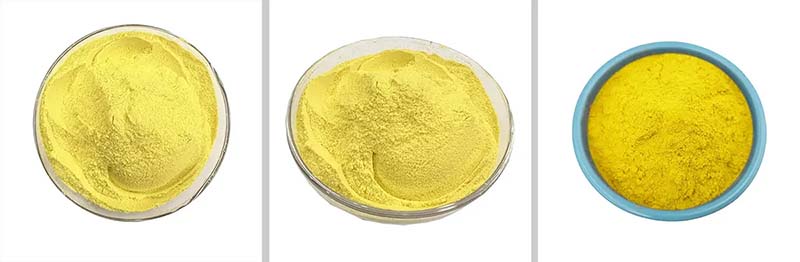
Doxycycline hydrochloride appears as a light blue or yellow crystalline powder. It is odorless, featuring a distinct bitter taste, and displays hygroscopic characteristics. This compound shows high solubility in water and methanol, while its solubility in ethanol and acetone is relatively limited.
Parameter | Specification |
Melting point | 195-201℃ |
Flash point (Fp) | 87℃ |
Storage condition | Inert atmosphere, 2-8°C |
Solubility | H2O: 50 mg/mL, clear, yellow-green; highly soluble in methanol; poorly soluble in ethanol and acetone |
Physical form | Powder |
Color | Yellow |
Biological source | Synthetic |
Water Solubility | Soluble in water |
BCS Class | 1 |
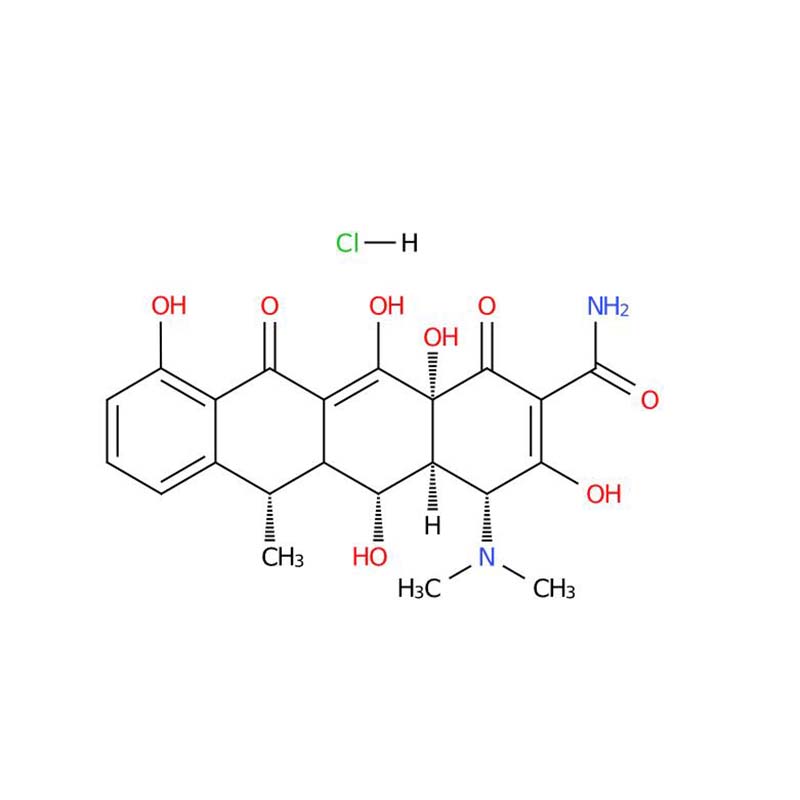
InChIKey | RUYHIJHUVHIMIR-PGTYNCOMNA-N |
SMILES | |
CAS Registry Number | 10592-13-9 (Main); 24390-14-5 (Associated) |
CAS DataBase Reference | 10592-13-9 |

Antibacterial Activity & Clinical Applications
As a broad-spectrum antibacterial agent, doxycycline hydrochloride exerts inhibitory effects on both Gram-positive cocci and Gram-negative bacilli. Its antibacterial potency is about ten times higher than that of tetracycline, and it retains efficacy against tetracycline-resistant bacterial strains. In clinical practice, it is widely used for treating various infections, including respiratory tract infections, chronic bronchitis, pneumonia, urinary tract infections, macules, typhoid fever, and mycoplasma pneumonia.
Safety Information
Hazard Codes: Xn, Xi
Risk Statements: 22-36/37/38
Safety Statements: 26-36/37
RIDADR: NA 1993 / PGIII
WGK Germany: 3
F code: 8
HS Code: 29413000